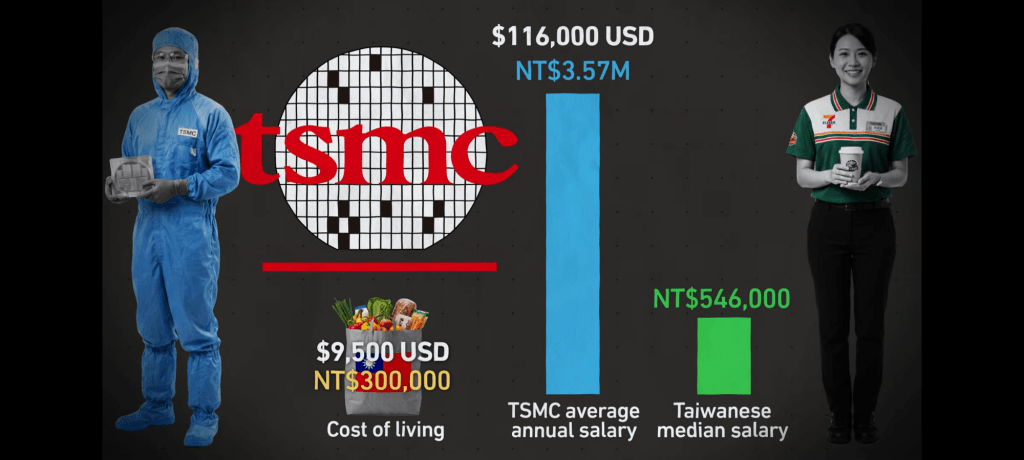
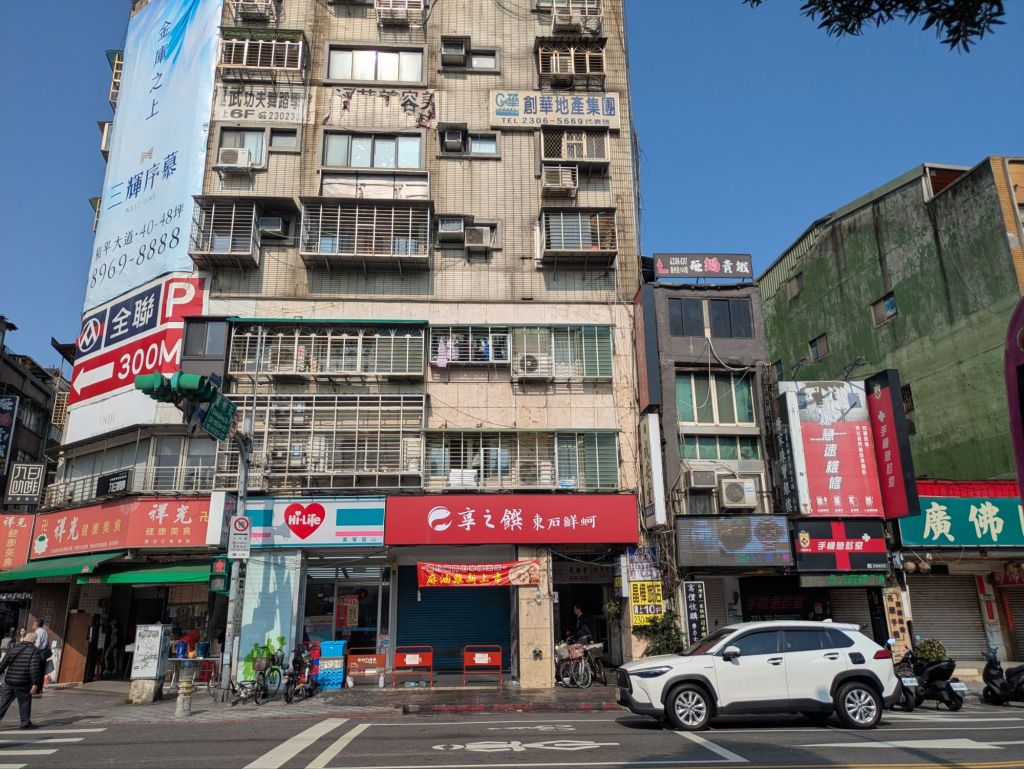
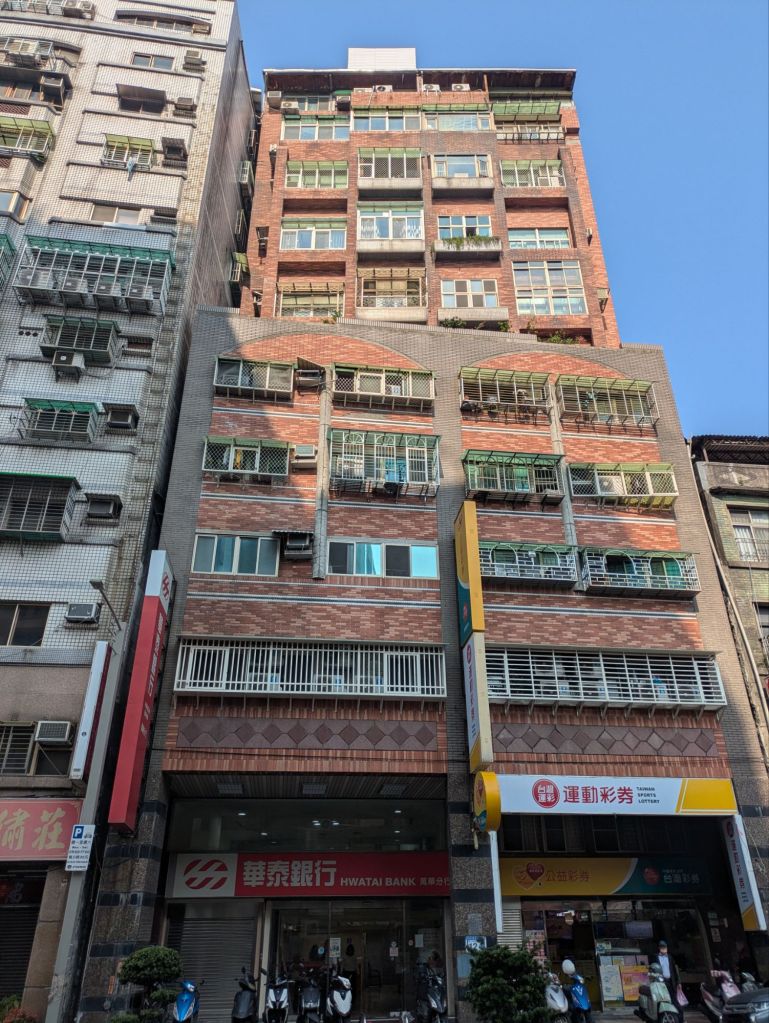
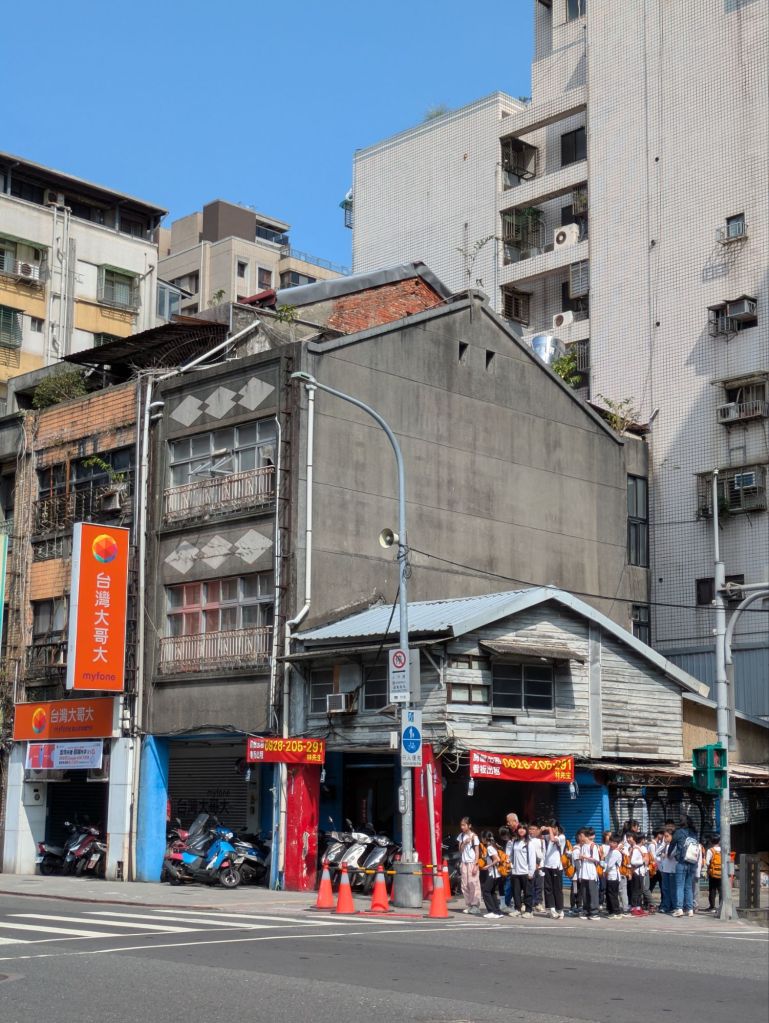
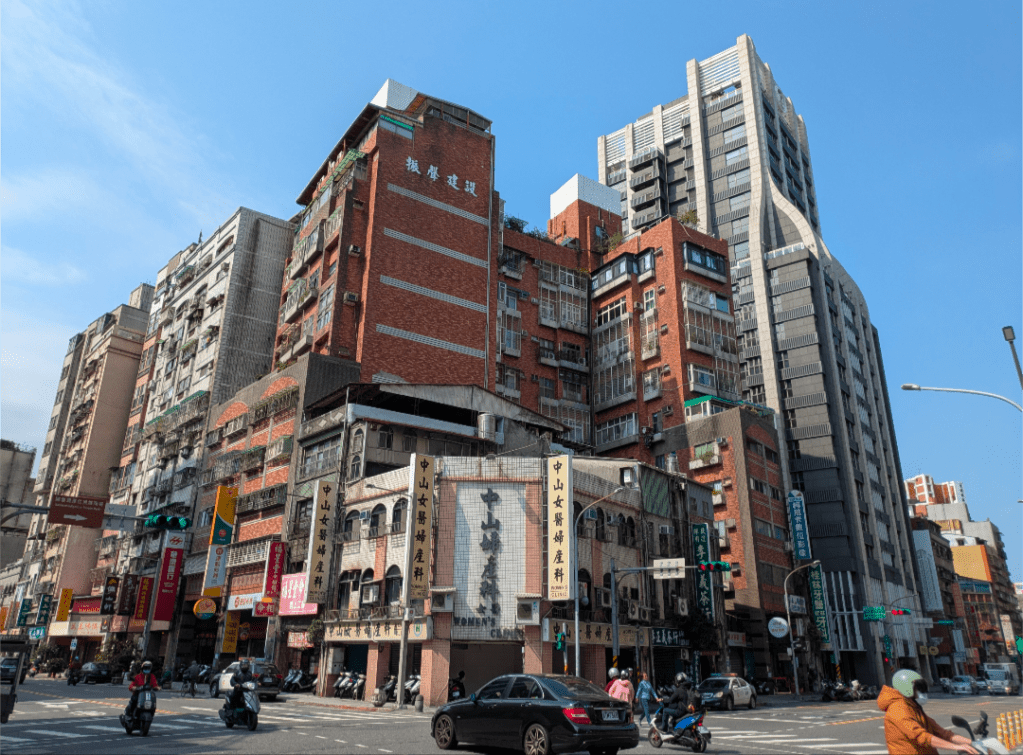
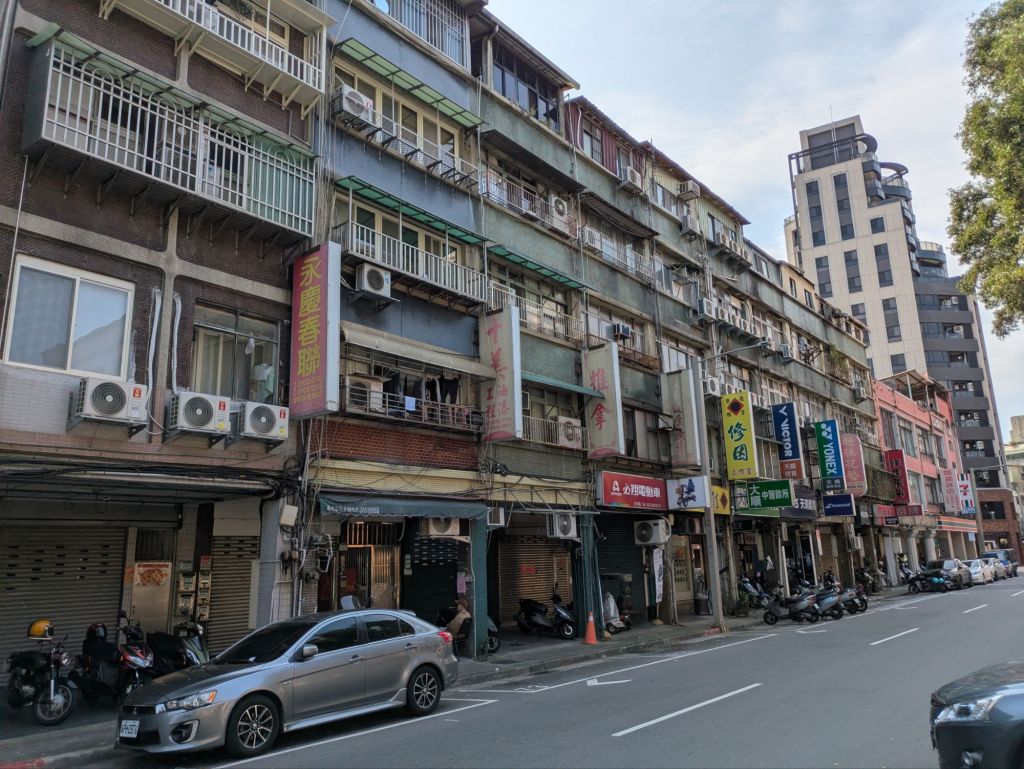
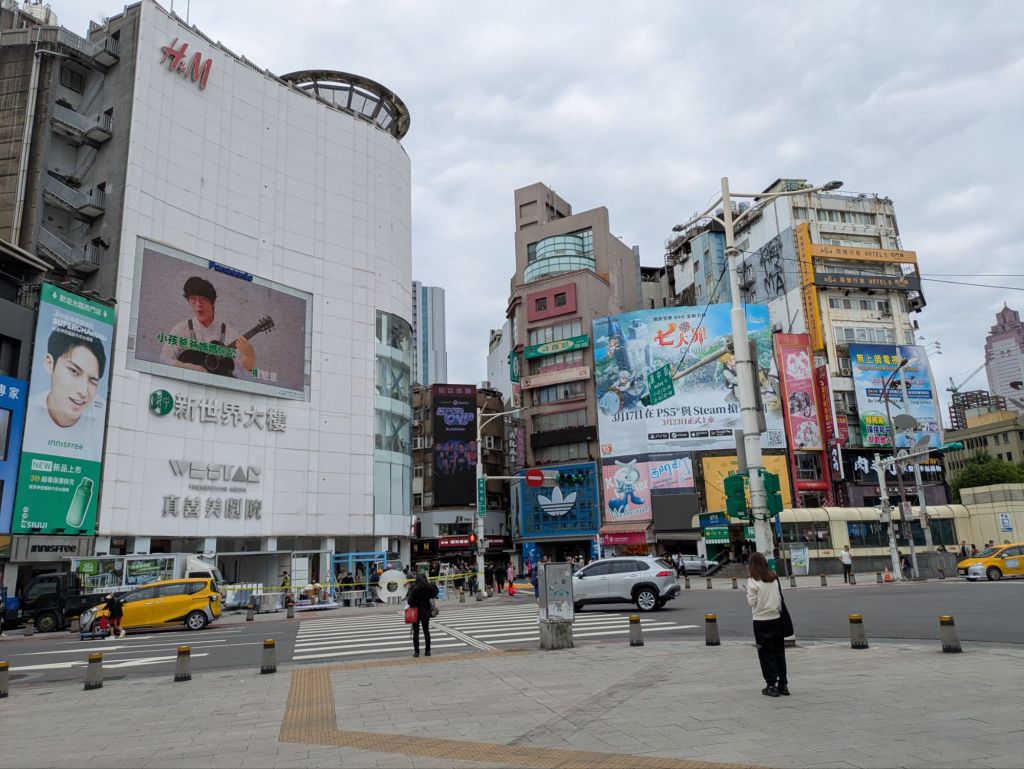
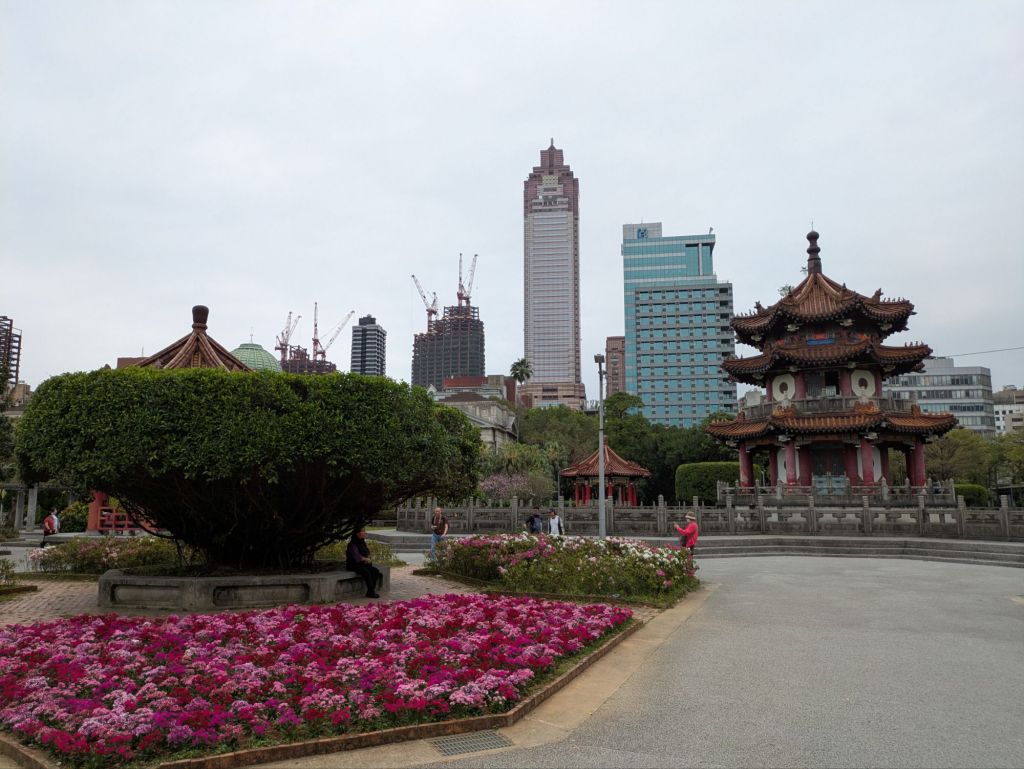
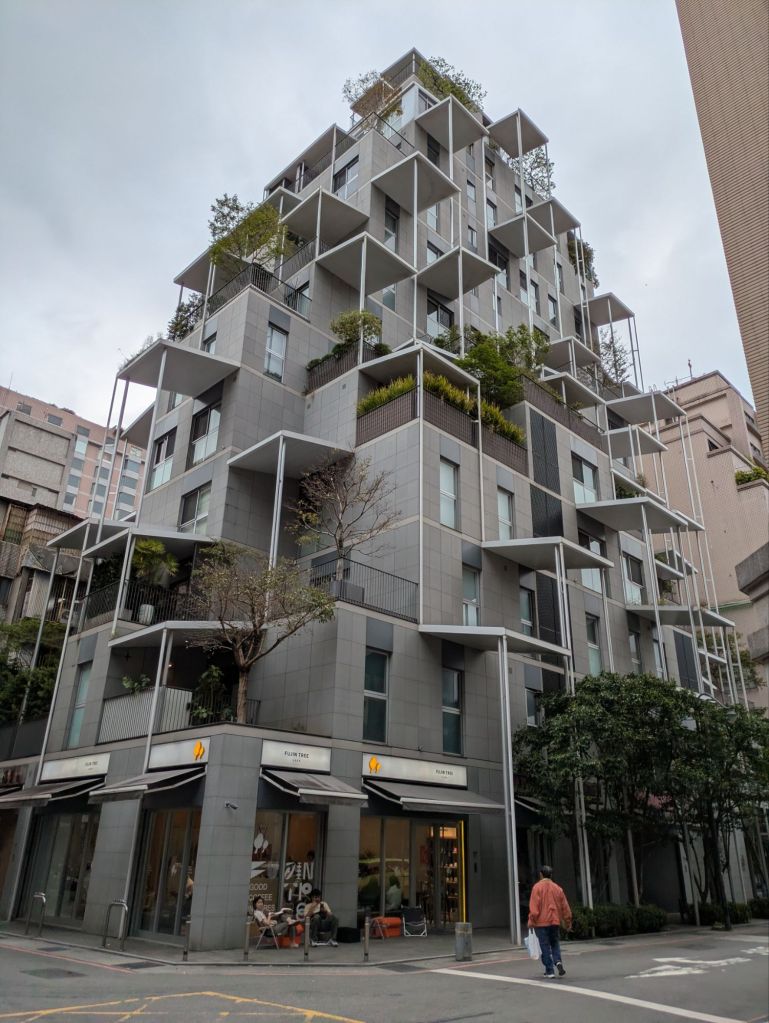
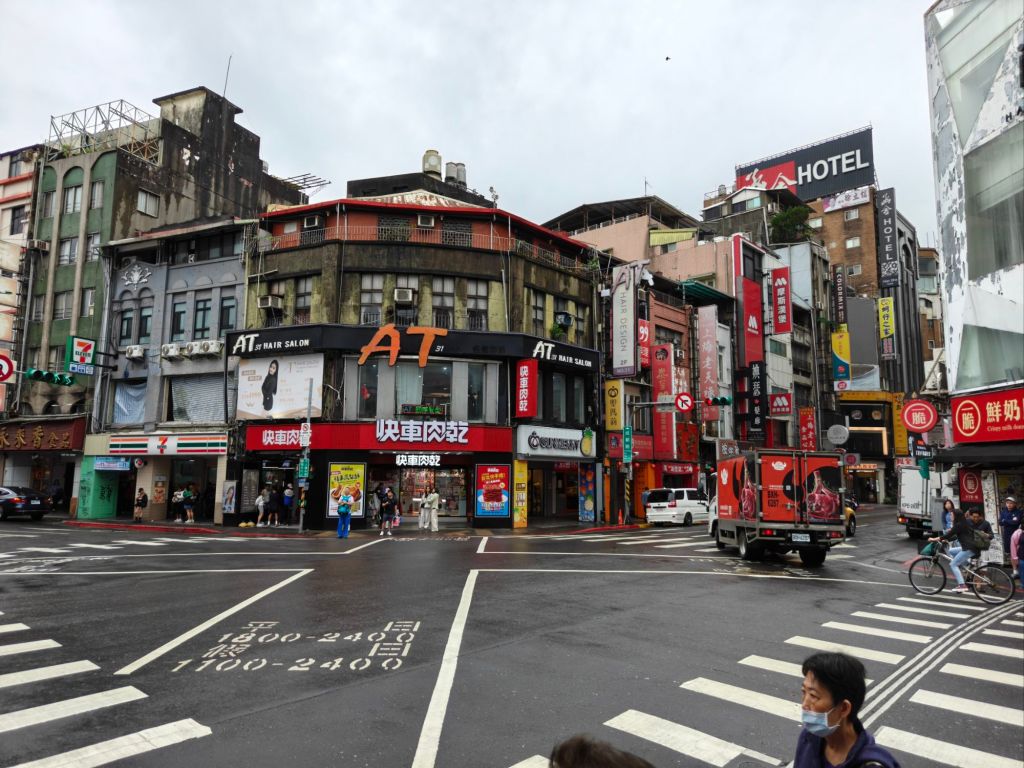
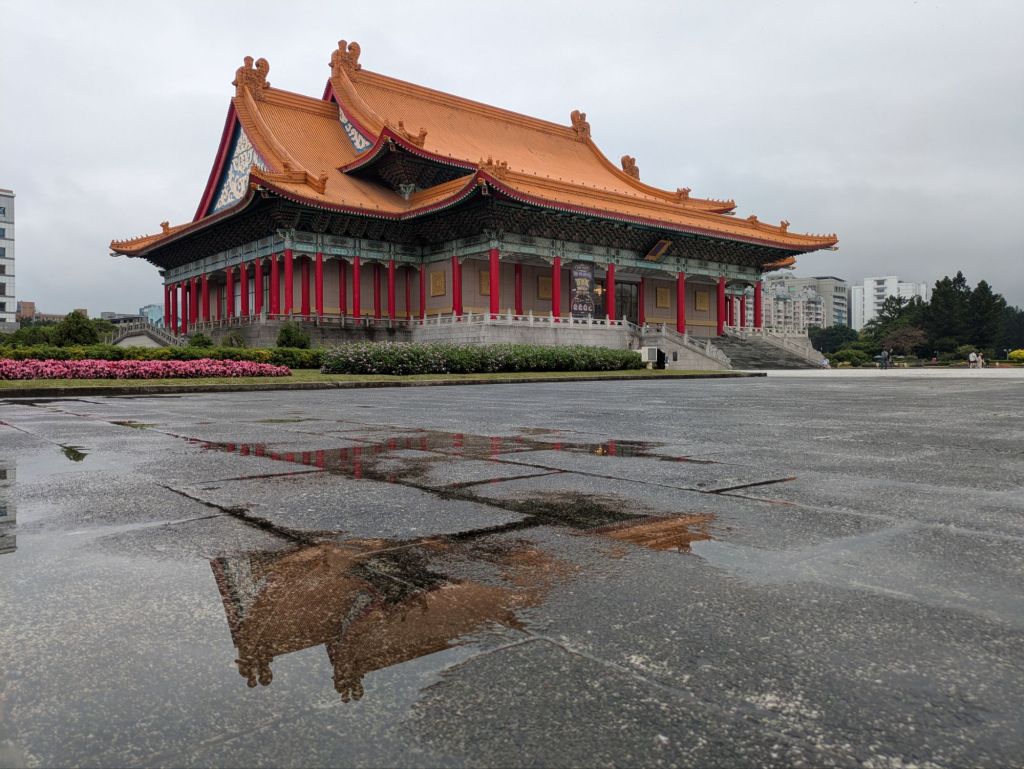
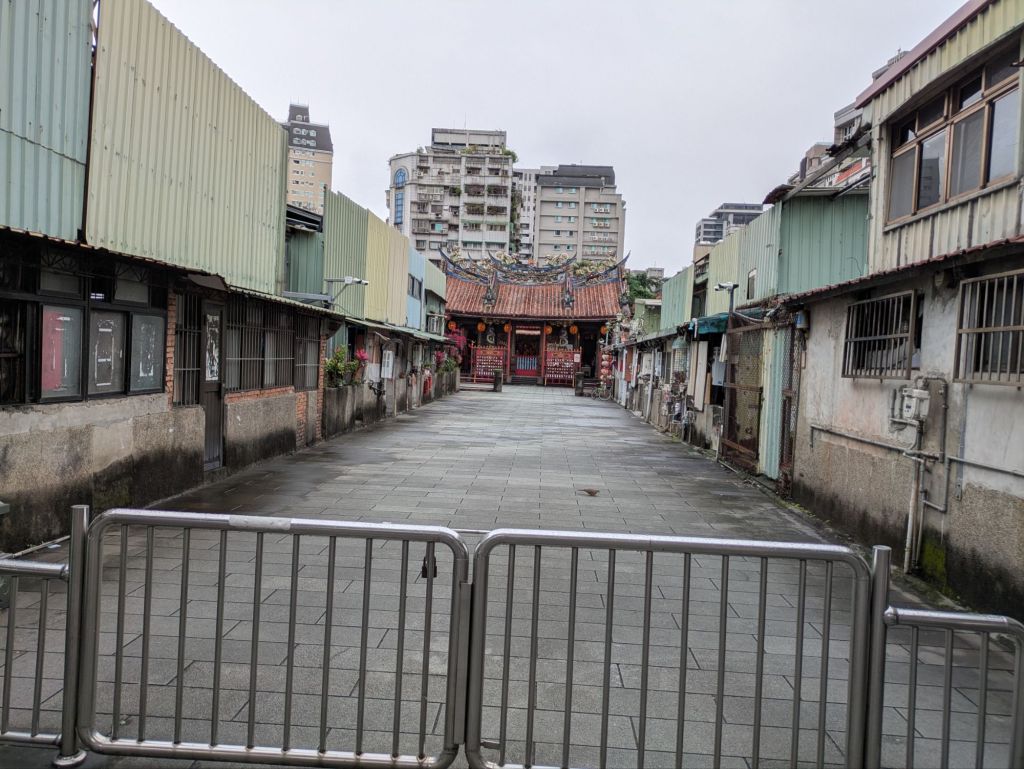
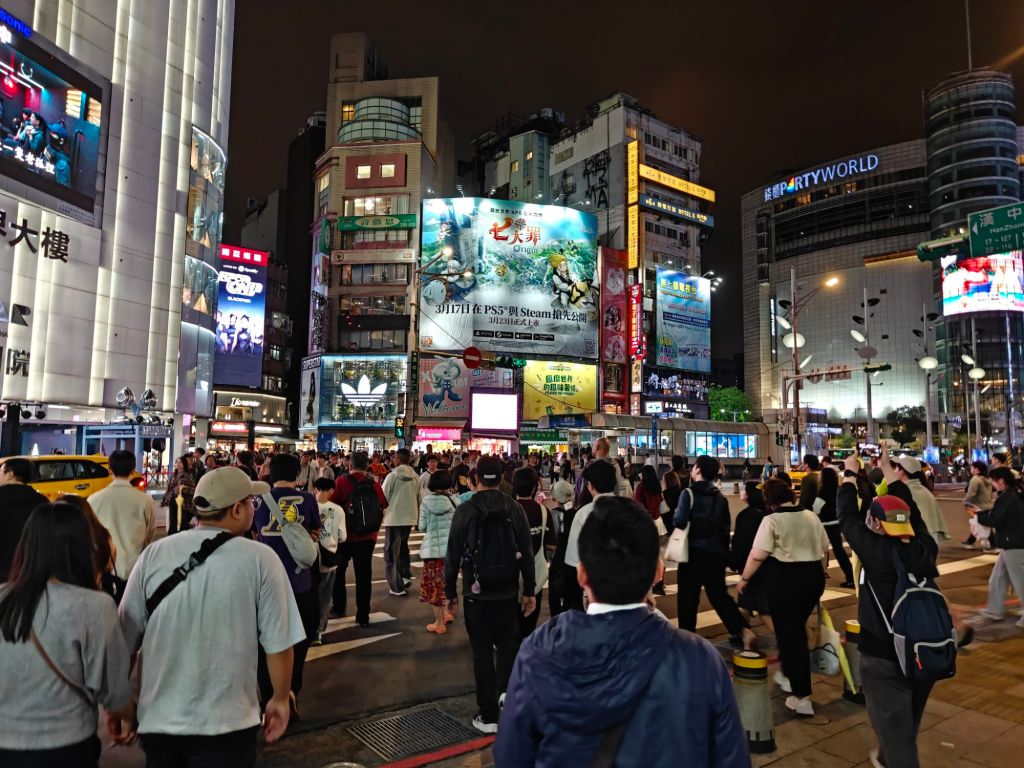
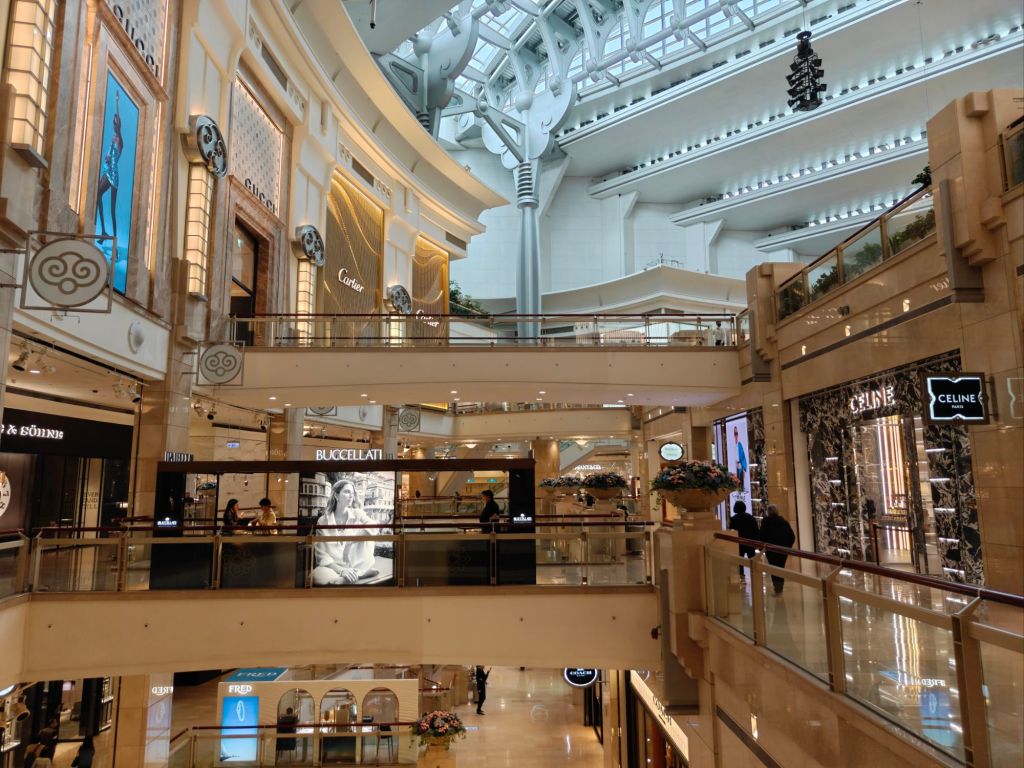
To continue where we left off in the previous post on Taiwan, let’s have a look at some of the notable buildings and architecture. Taipei is a big city, and as one would expect, there is a variety of height, quality, and spacing of buildings. Ben and I stayed in an older, denser neighborhood called Ximen, and despite looking rather worn down on first glance, it’s safe and full of character, and it pulsates with action. I get a sense that it’s a place where “regular” people live, and I doubt that there’s much wealth there. I’m glad that we chose to stay in that neighborhood, thanks to Ben’s research, because it was the most interesting and engaging. Some other areas of the city have modern, shiny apartment buildings, and the malls in those neighborhoods are chock-full of luxury goods stores. In those areas of the city there seems to be overflowing wealth. There are many successful companies in Taiwan, and the first that comes to mind is Taiwan Semiconductor Manufacturing Company (TSMC), one of the world’s very largest non-U.S. companies by market capitalization. It is the world’s leading dedicated contract chipmaker, and you are presumably using some of its chips to read this very post right now. TSMC is so successful, in fact, that if something happened to it or its factories, that would have a huge negative and lasting impact on world commerce. Much of the wealth seen in Taipei originates from TSMC and other semiconductor companies. Coincidentally, a couple of days after I began writing this post, YouTube recommended a video about Taiwan’s double-edged sword of reliance on semiconductor dominance, and it touches on income disparities caused by the huge gap between those working for semiconductor companies and those working elsewhere.
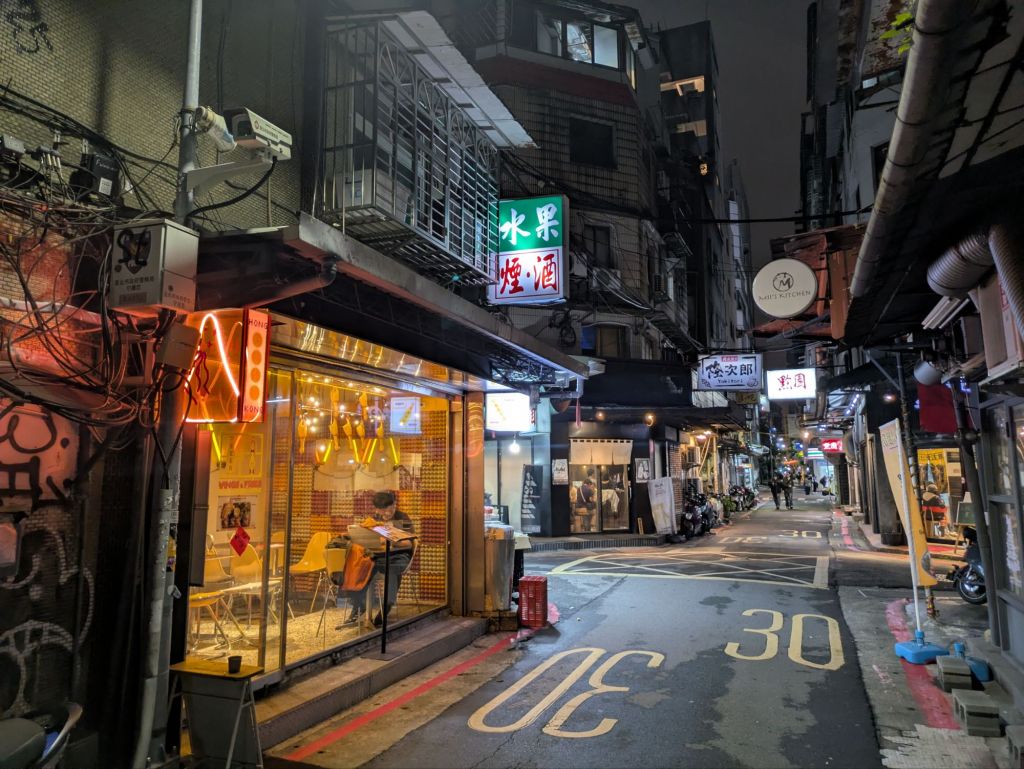
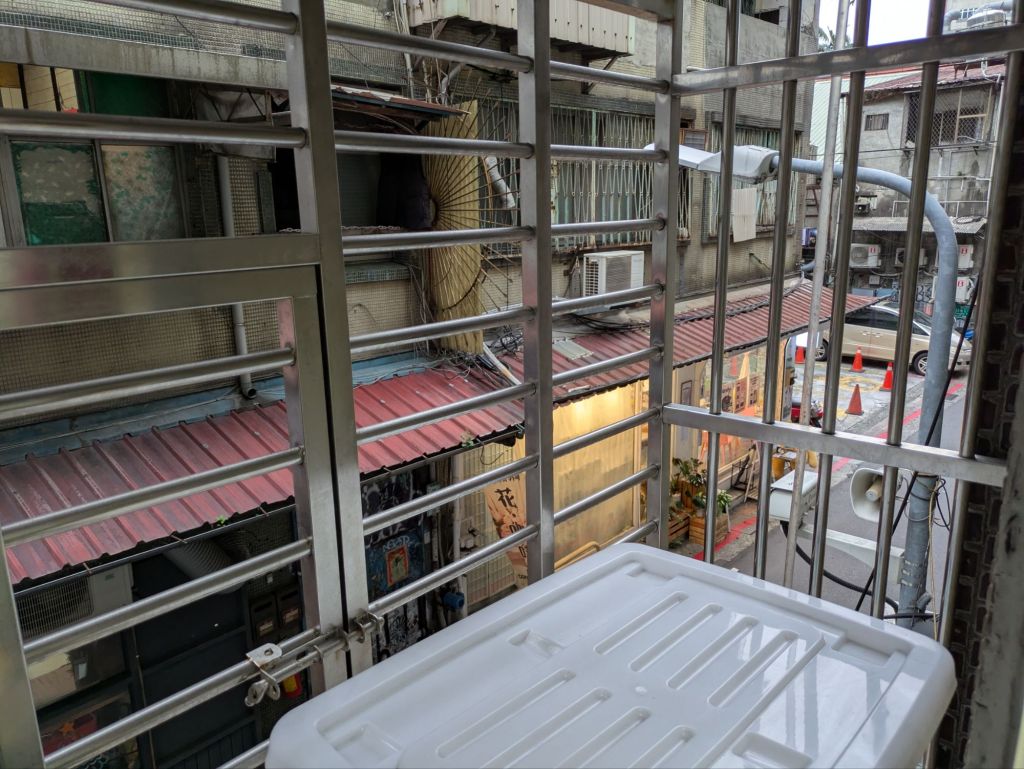
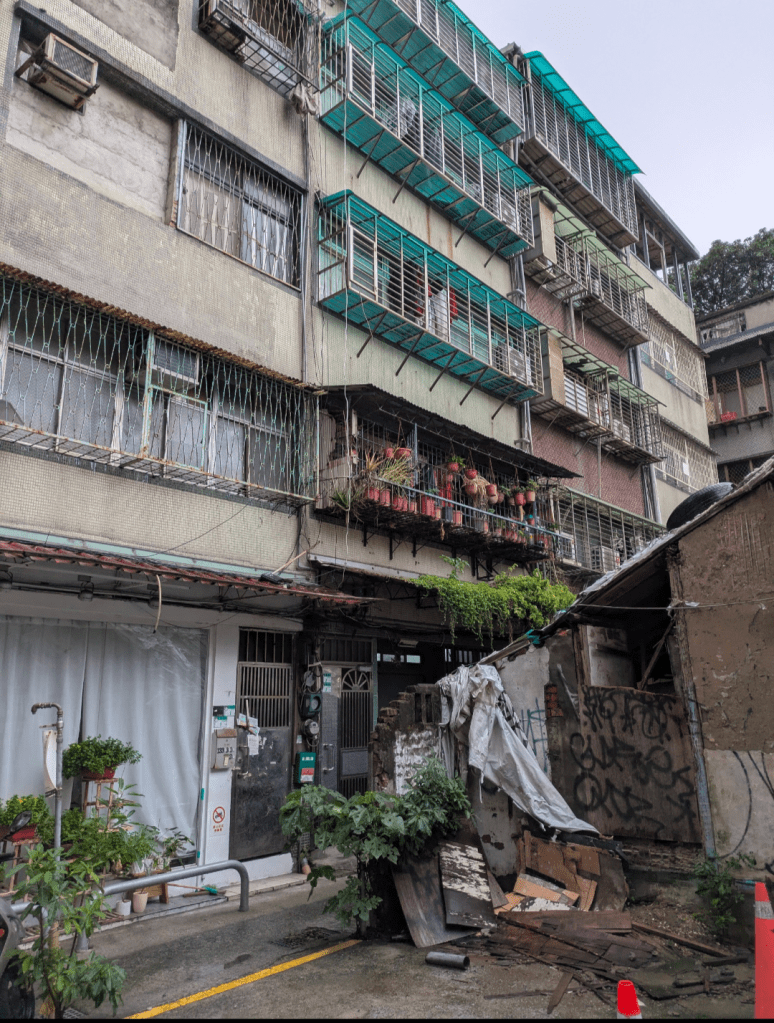
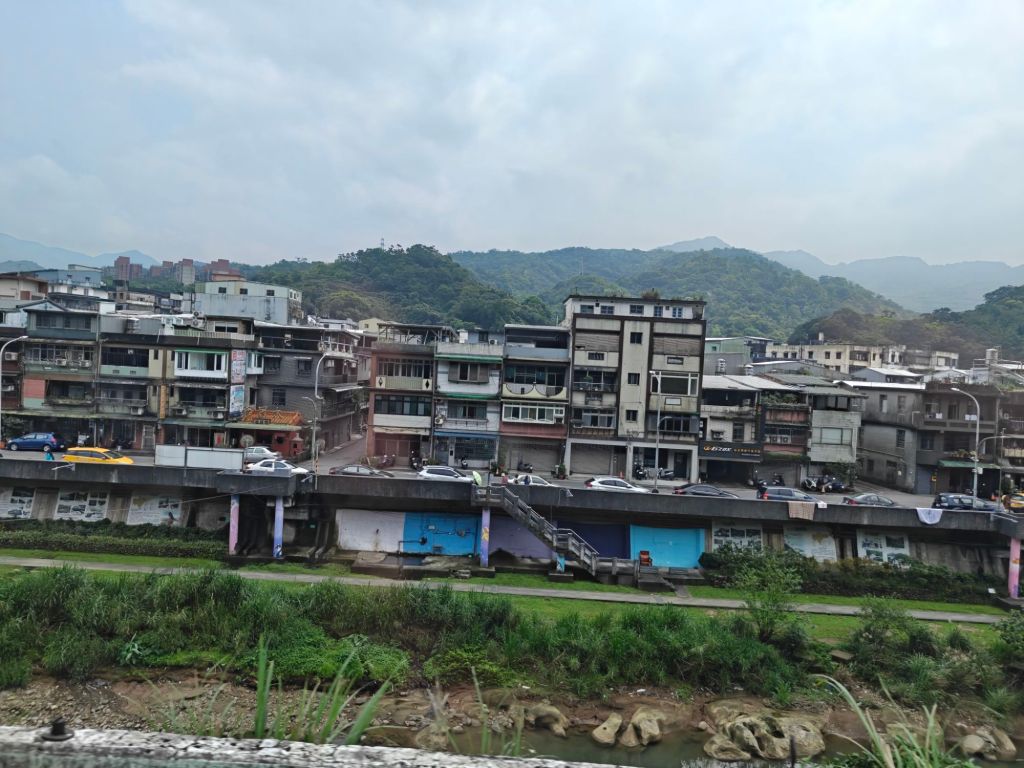
One of the more striking features of many of the older buildings in the less wealthy neighborhoods is the inclusion of external cages attached to apartments. I asked a tour guide about it, and he said the origin was around preventing crime and increasing safety for children, but it doesn’t seem that either is a real driver nowadays. This article indicates that while Taiwan is very safe now, there was more crime decades ago, which was the genesis of these cages. While I found them off-putting or “ugly” at first, I grew to really like them. I think they’re cool now, haha. We had a couple of cages outside our apartment windows. Neither was meant to get out into, but instead provided a place to keep a trash can, hang clothes, store things, etc. Keeping the trash can outside made sense when one saw the size of some of the insects!
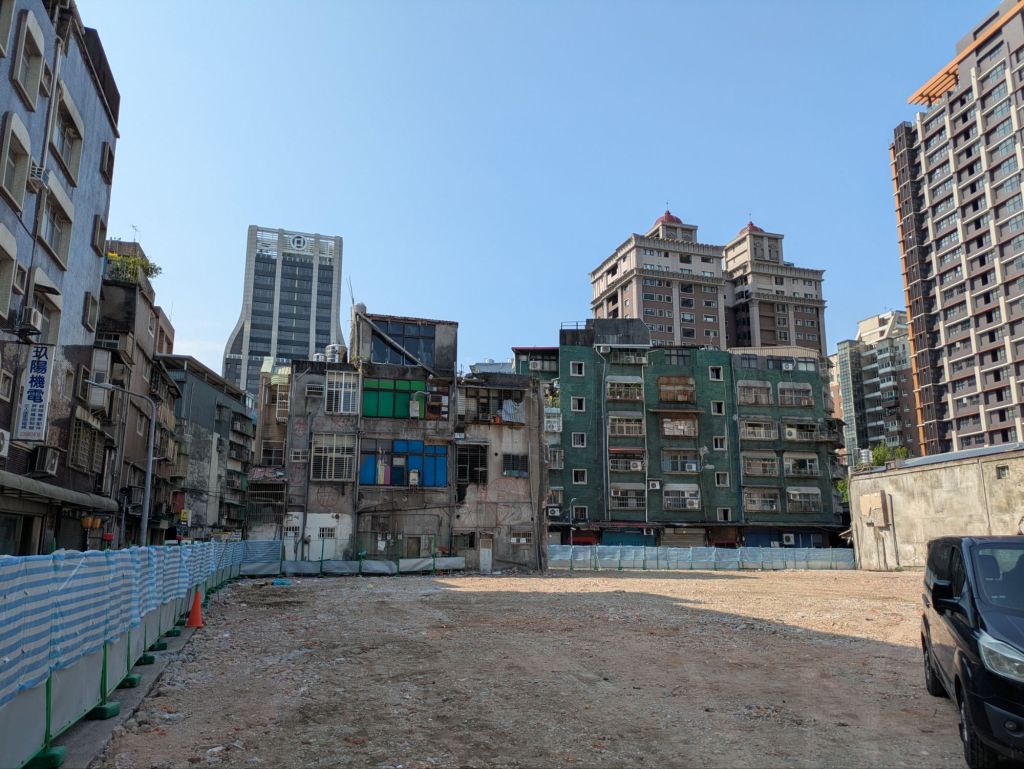
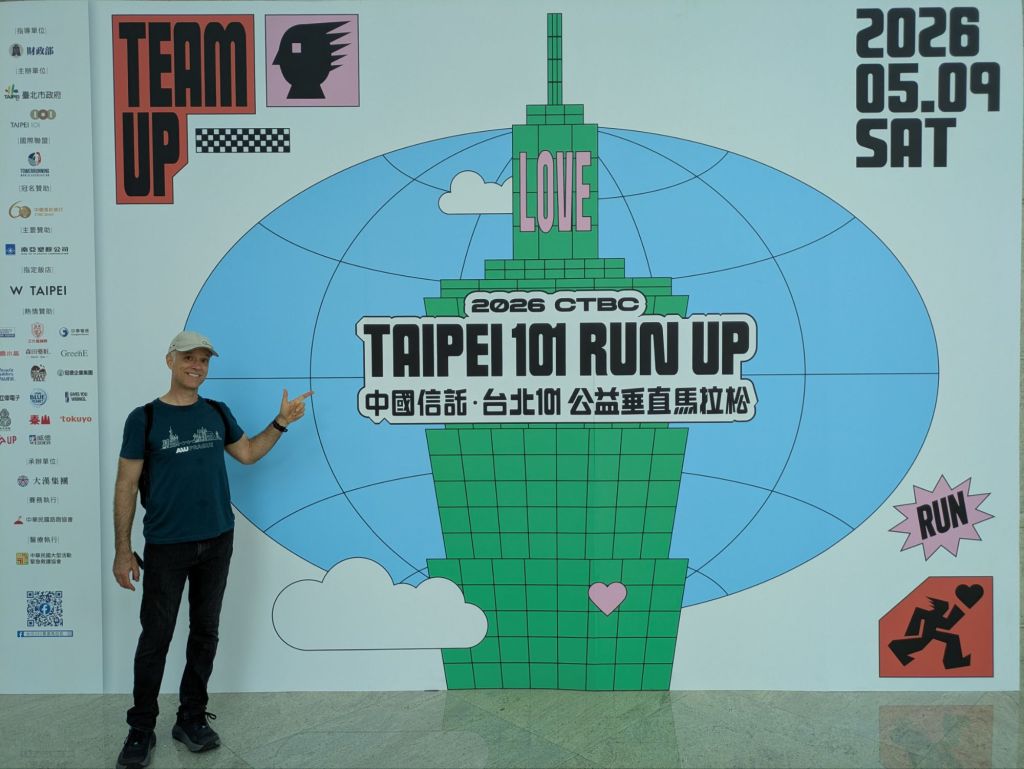
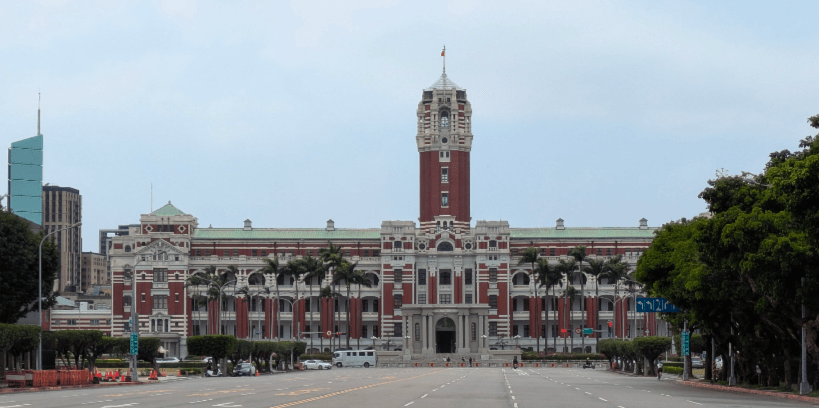
Here are photos of various buildings in Taipei and elsewhere –select an image to see details.
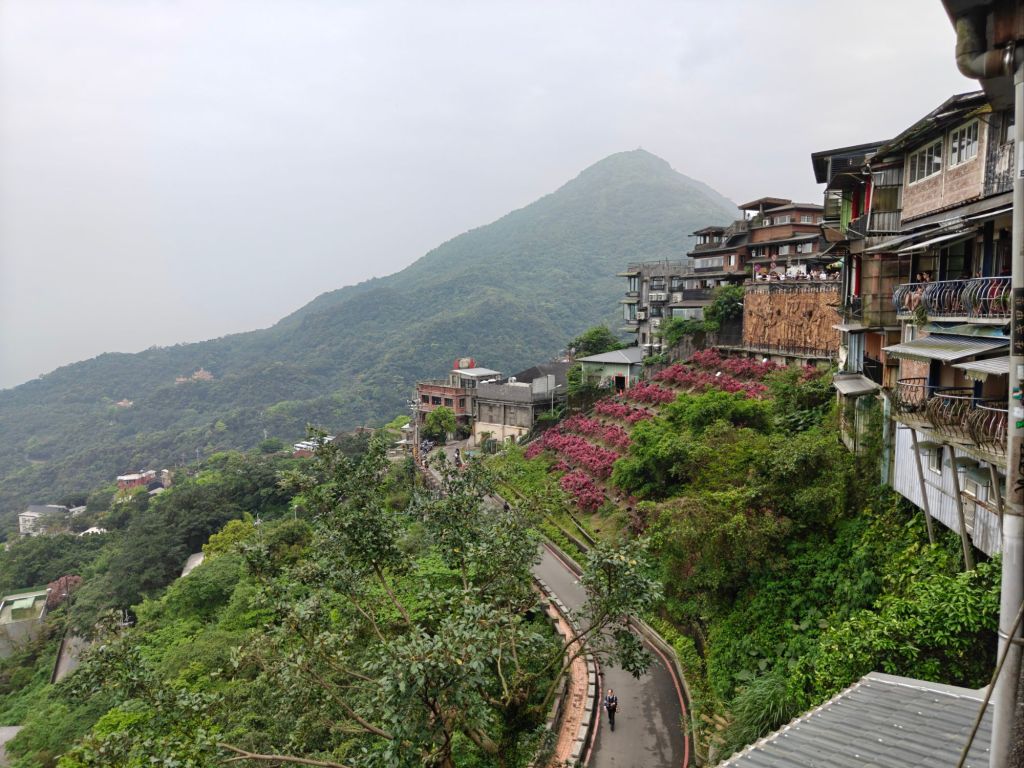
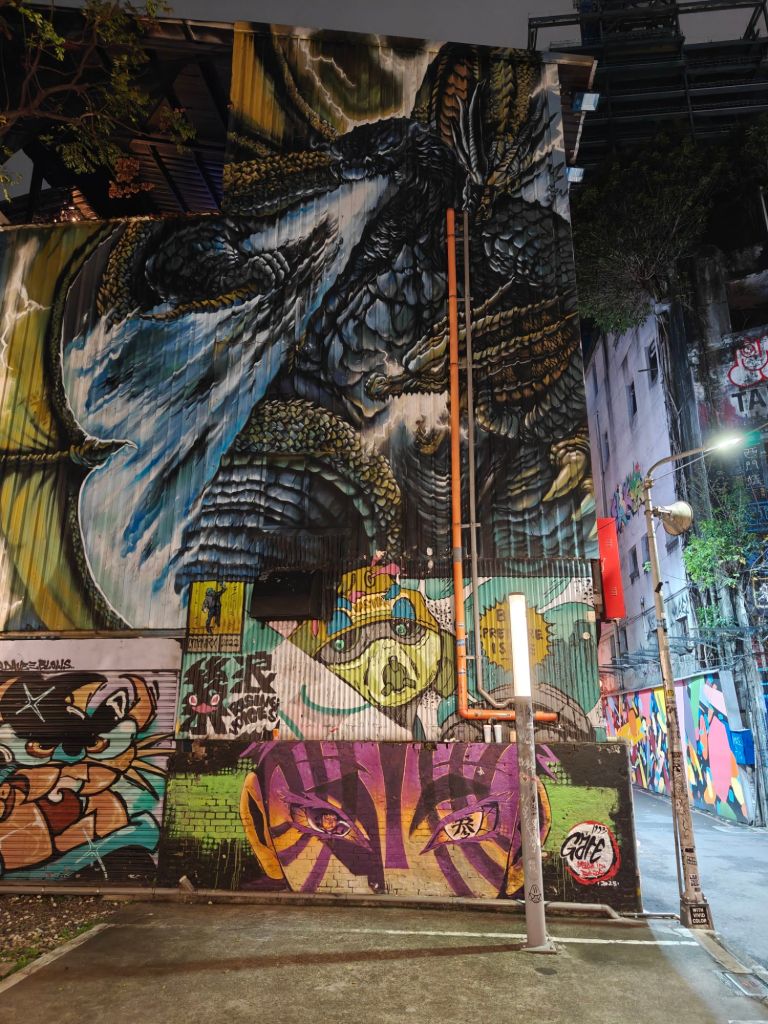
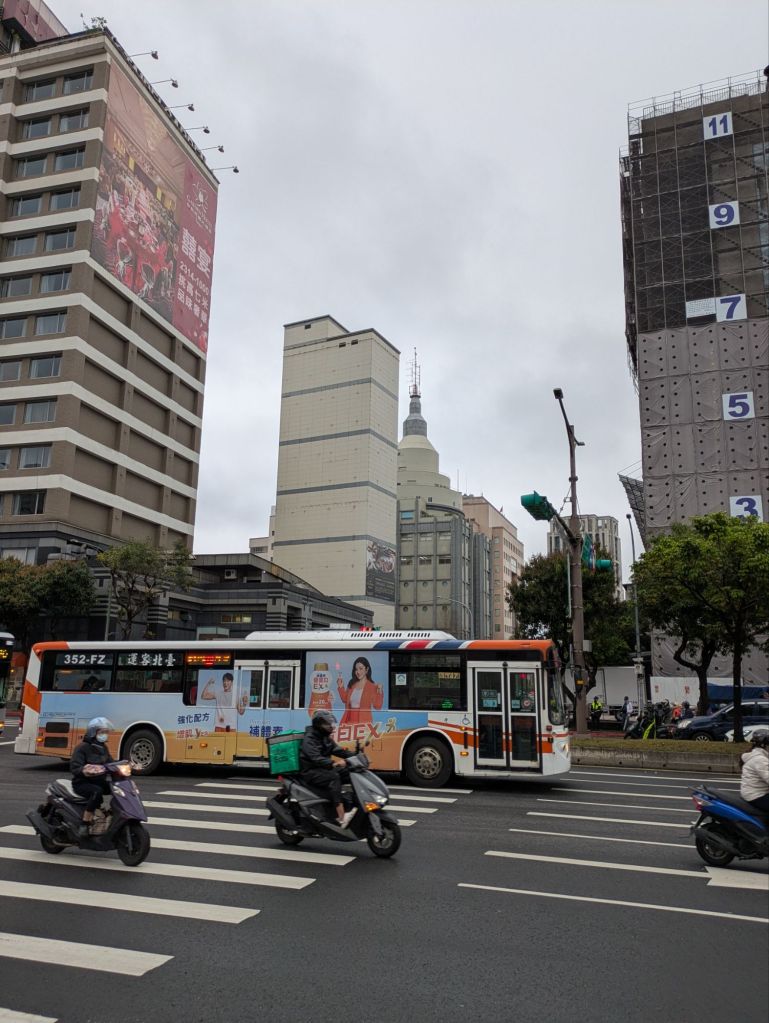
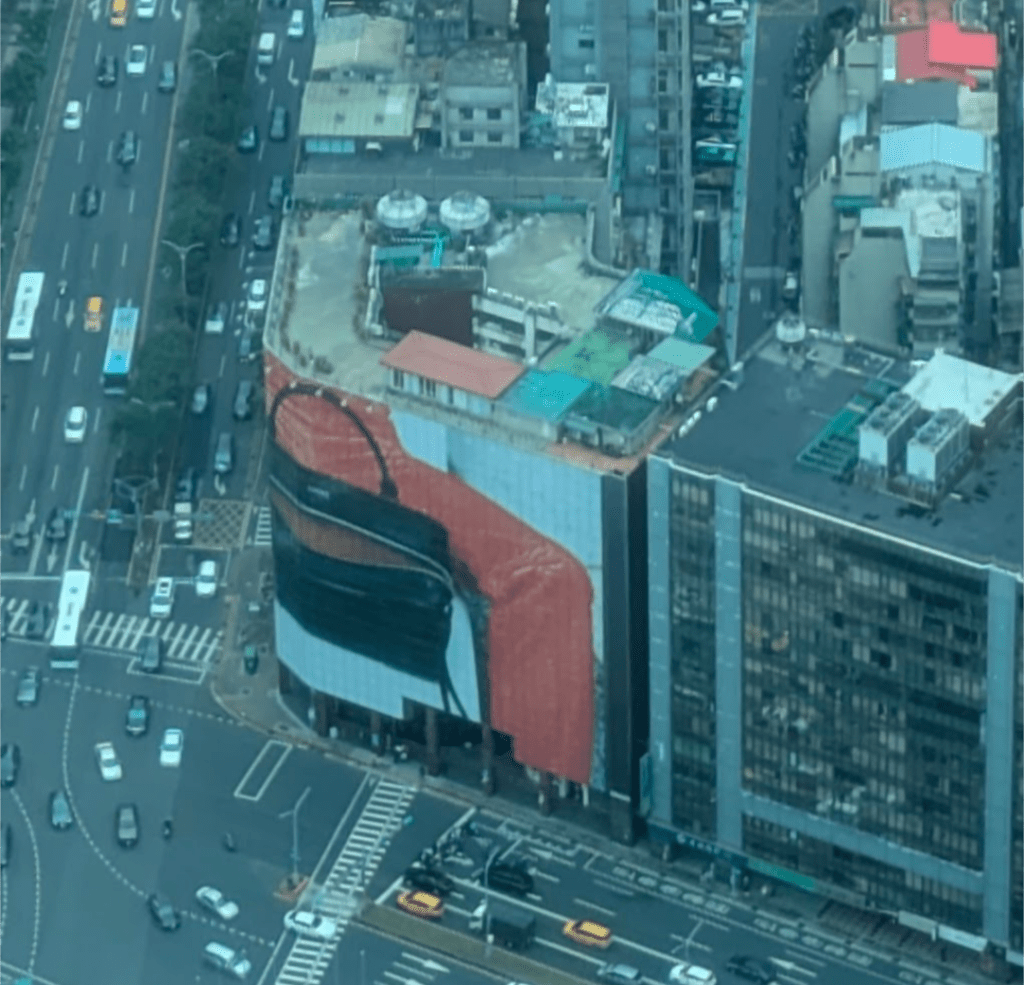
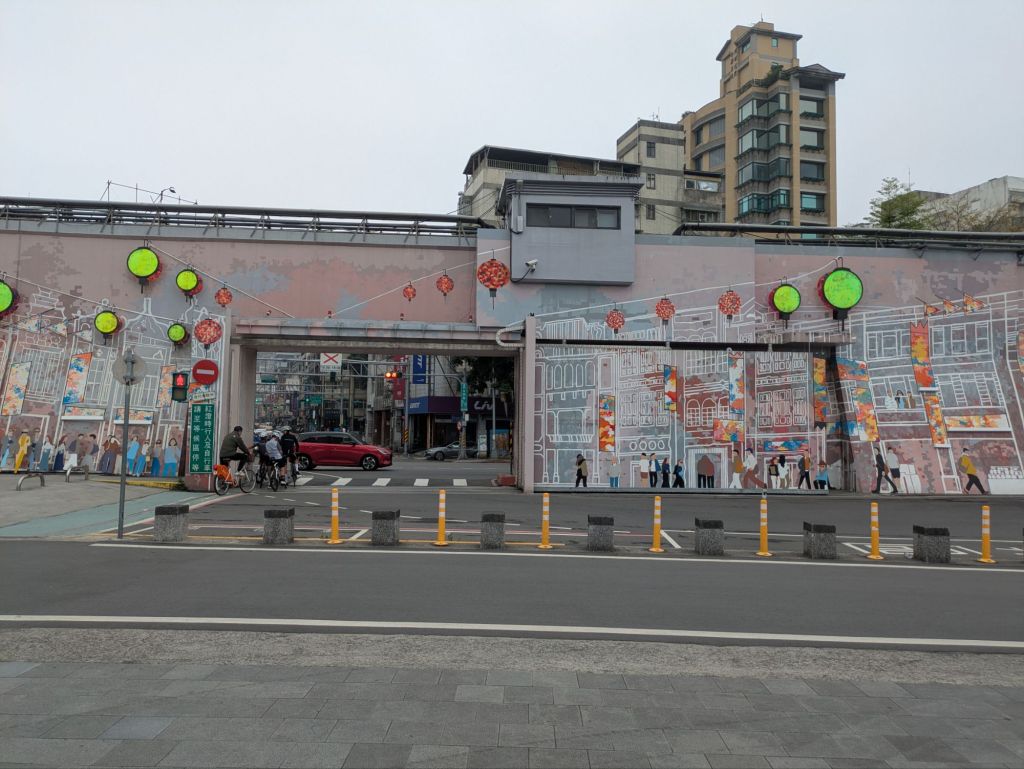
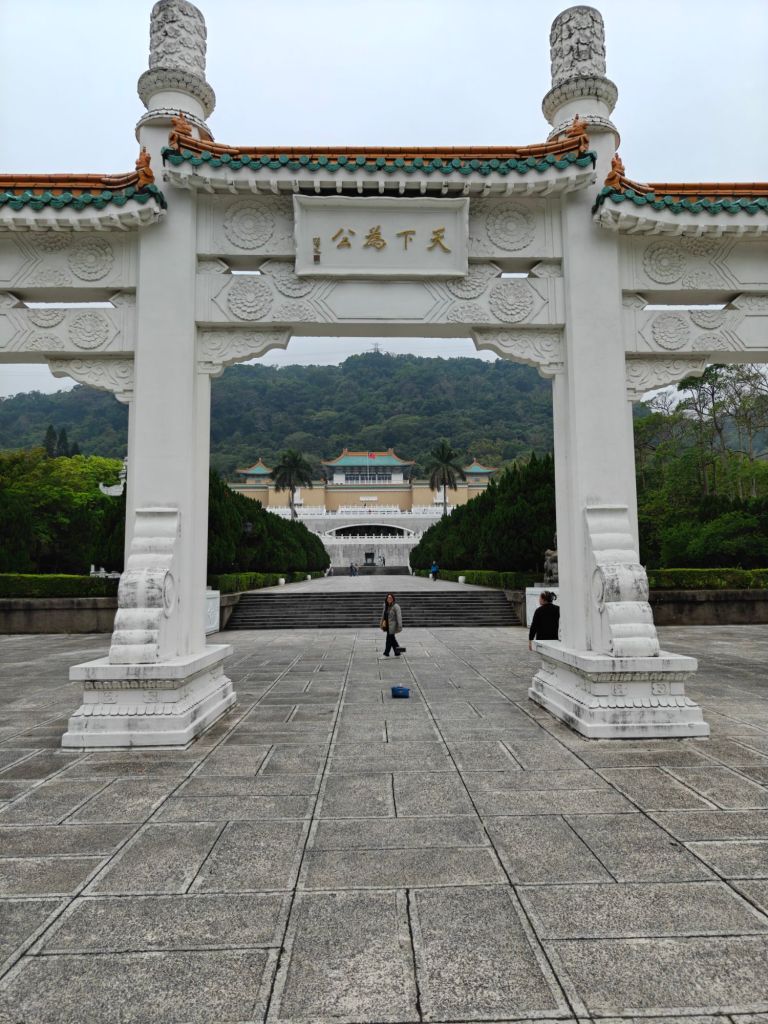
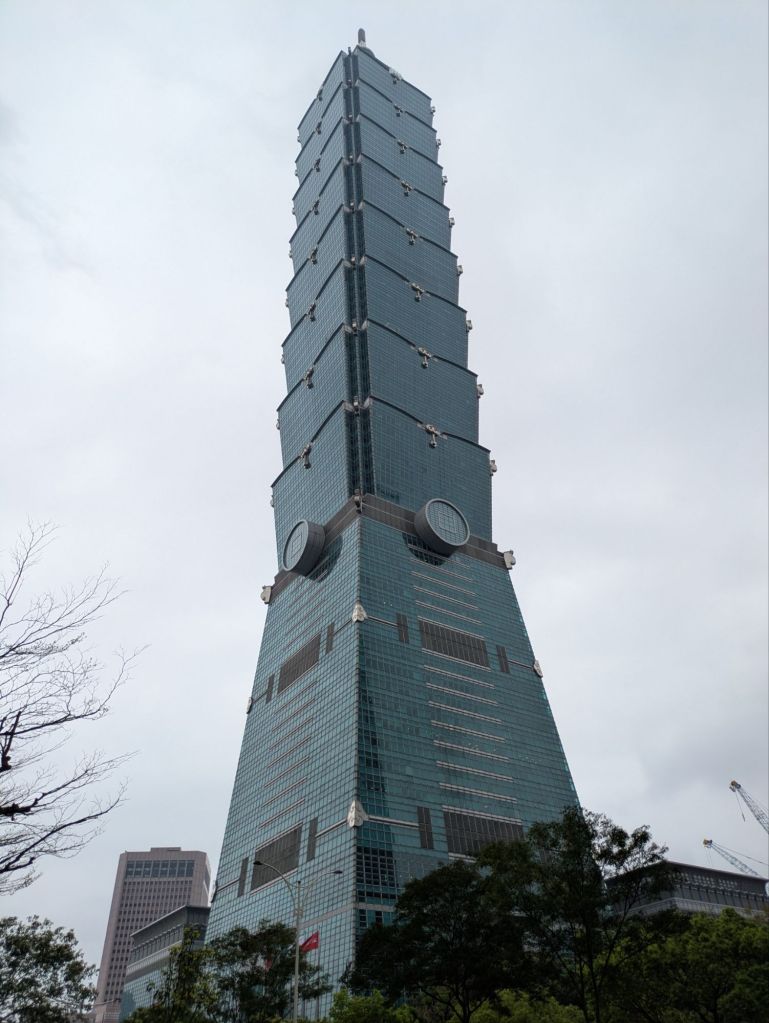
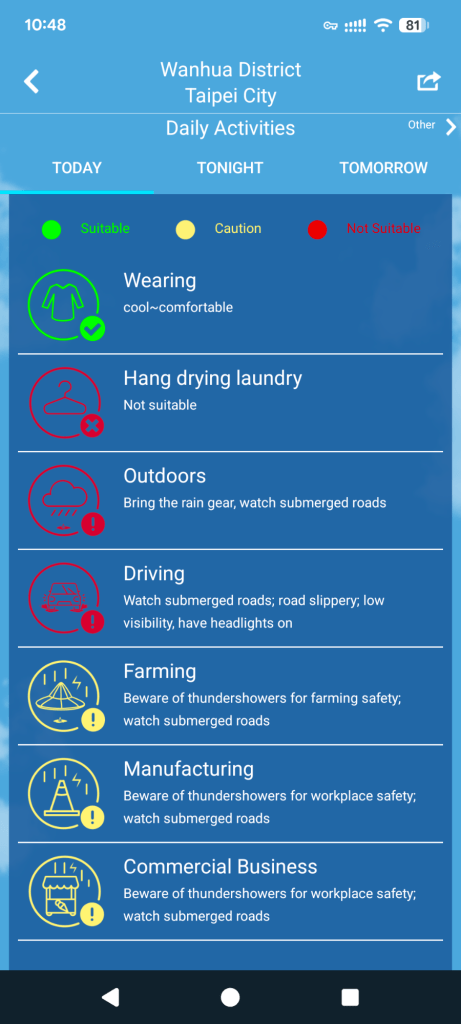
Before going outside to see these buildings, one can first check this handy activity recommendation screen in a Taiwanese weather app:
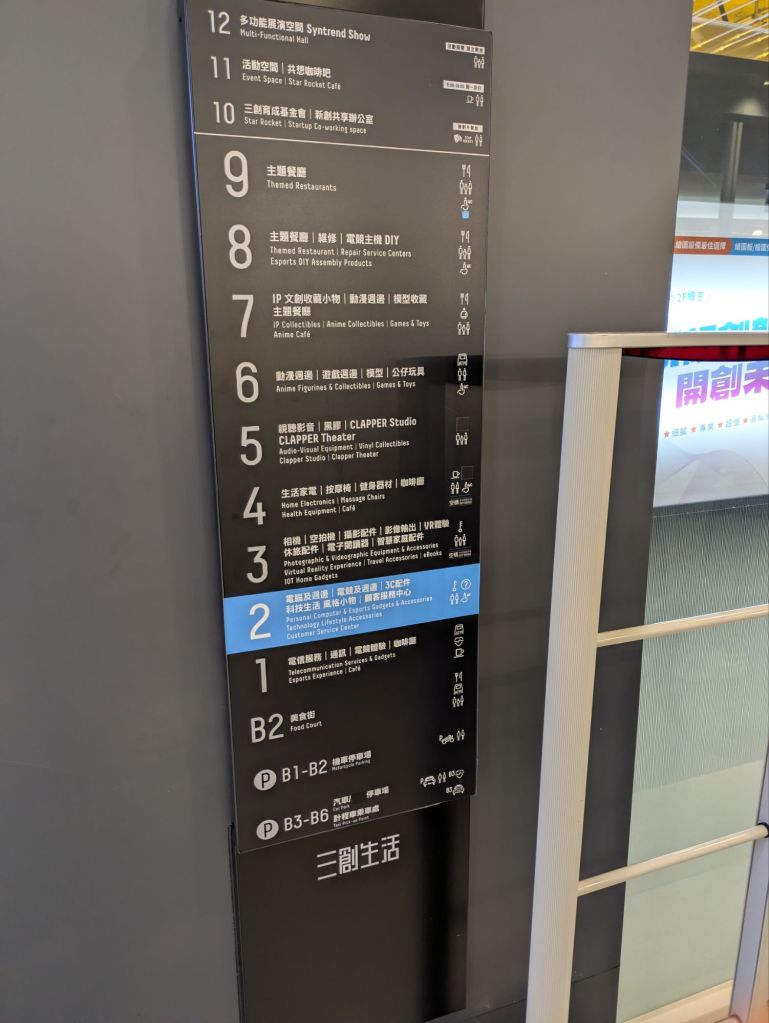
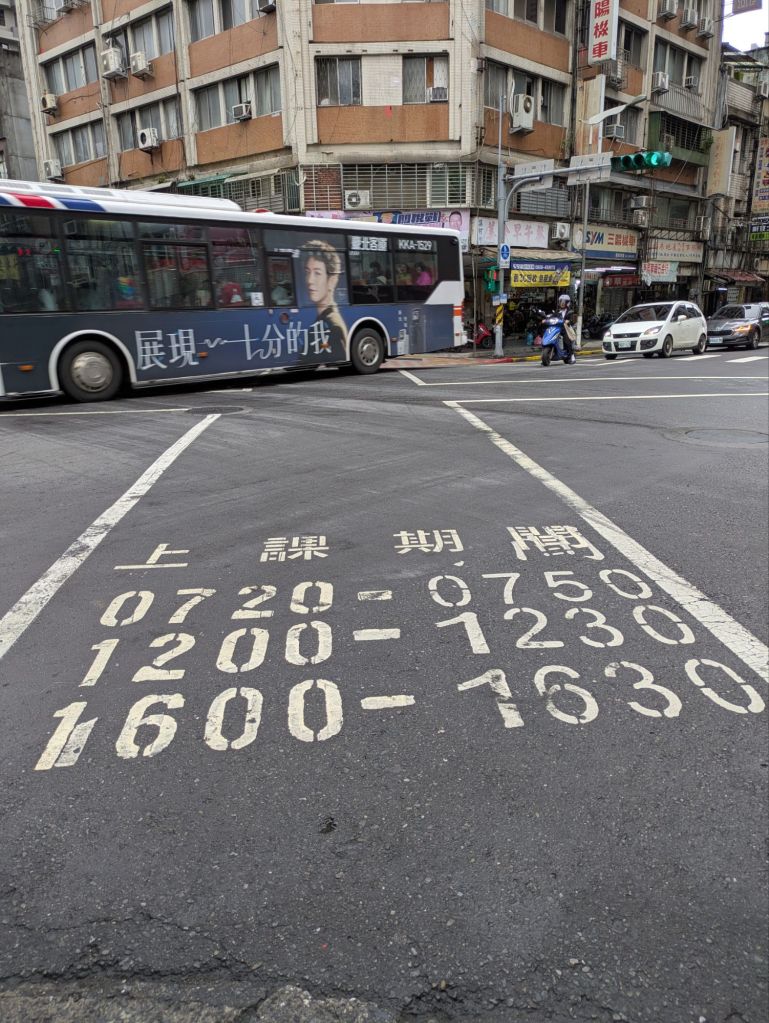
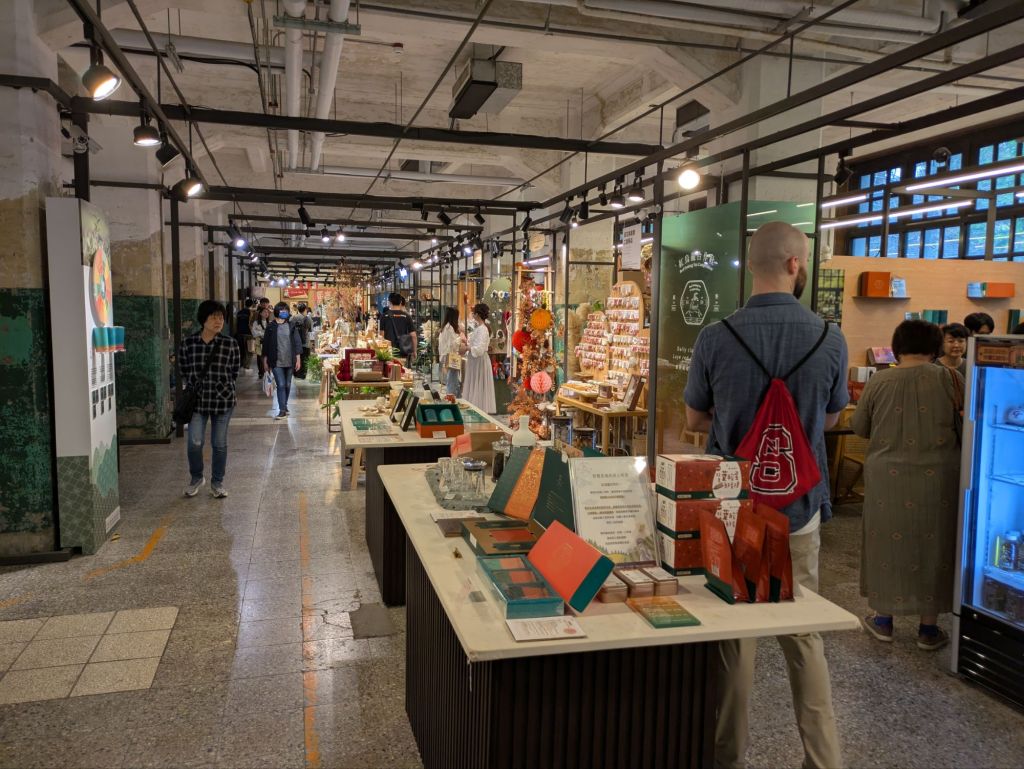
Additional infrastructure around Taipei includes the largest electronics mall I’ve ever visited anywhere, including in Tokyo — every consumer electronics and appliances vendor you could ever think of was represented there. Further, Taipei has a thing for converting old complexes like factories into craft and design markets, some quite large — how cool! At many street intersections there are diagonal crossings marked with information detailing on which days and in which time windows it is permissable to cross diagonally.
One day in one of the wealthier areas of town, we stumbled across a big competition of little kids on bikes. They were amazingly speedy!
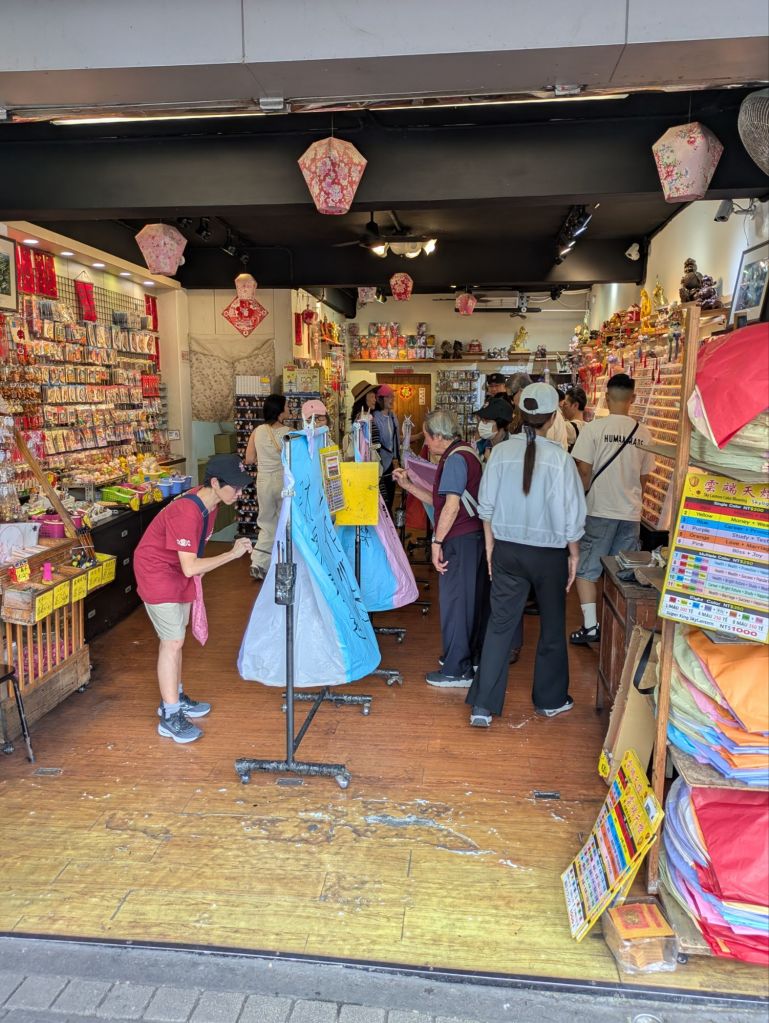
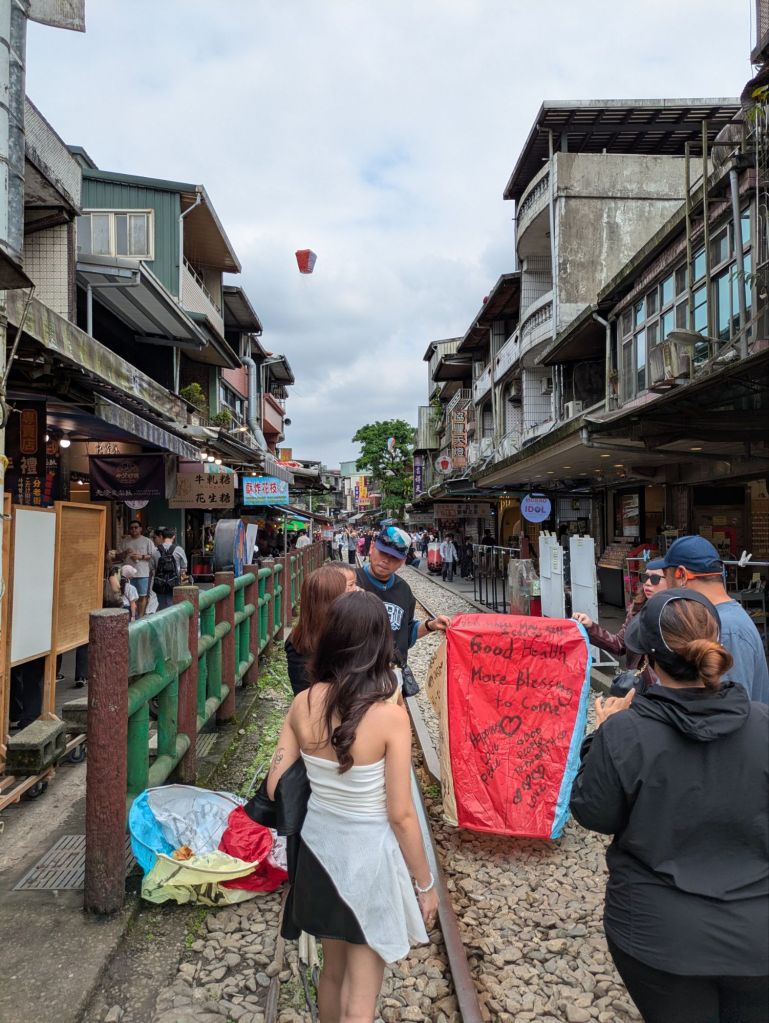
In one small town we visited they have a tradition of writing various wishes on big “lanterns” — they’re more like small hot air balloons. People seemed pretty nonchalant about how polluting these lanterns are, as one can see remnants of fallen lanterns strewn throughout the forests, streams, rooftops, everywhere within a few kilometers of this town. Ben and I didn’t do it, but most people in our tour group paid to buy a lantern, write on wishes, and then have a helper connect them to a flammable propellant for the liftoff. They are surprisingly large.
Hopefully Taiwan will be able to continue with its successes, maybe without lanterns, and perhaps China will be kept away. There are many things in the country’s favor, but also some existential threats. From ChatGPT regarding the United States’ security relationship with Taiwan with respect to China:
The United States’ security relationship with Taiwan developed gradually over several key moments rather than starting all at once. Here’s the timeline that matters:
1. Chinese Civil War aftermath (late 1940s)
In 1949, after the Chinese Civil War, the government of the Republic of China retreated to Taiwan, while the People’s Republic of China was established on the mainland.
Initially, the U.S. did not commit to defending Taiwan.
2. Korean War shift (1950) — the real starting point
In 1950, after the outbreak of the Korean War, President Harry S. Truman ordered the U.S. Seventh Fleet to the Taiwan Strait.
This effectively began U.S. military protection of Taiwan, to prevent conflict between China and Taiwan.
3. Formal defense treaty (1954–1979)
In 1954, the U.S. and Taiwan signed the Sino-American Mutual Defense Treaty.
This was a formal commitment: the U.S. pledged to defend Taiwan if attacked.
The treaty remained in force until 1979.
4. Shift in recognition + Taiwan Relations Act (1979–present)
In 1979, under Jimmy Carter, the U.S. switched diplomatic recognition from Taiwan to the People’s Republic of China.
The defense treaty ended—but Congress passed the Taiwan Relations Act.
This law does not guarantee direct military defense, but it requires the U.S. to:
Provide Taiwan with defensive weapons
Maintain the capacity to resist force against Taiwan
5. Today — “strategic ambiguity”
The U.S. follows a policy called “strategic ambiguity,” meaning it doesn’t clearly state whether it would defend Taiwan, but strongly implies it might.
Perhaps its “Silicon Shield” will be enough:
Hopefully people can continue happily singing, like we found that many do on multiple different TV channels in Taiwan. We didn’t find any of the Taiwanese singers on TV to sound good, but I suppose they aren’t the popular singers anyway. Plus, I understand that there are difficulties associated with singing songs in a very tonal language like Mandarin. Hilarity can ensue with ambiguity or lack of clarity:
Speaking of culture, Taiwan possesses the world’s greatest collection of pre-1945 Chinese artifacts. The Chinese who fled to Taiwan in 1949 brought the kinds of “old things” which were hunted down and destroyed during the Cultural Revolution in mainland China. The saved cultural treasures are now housed at the National Palace Museum.
Some final photos:
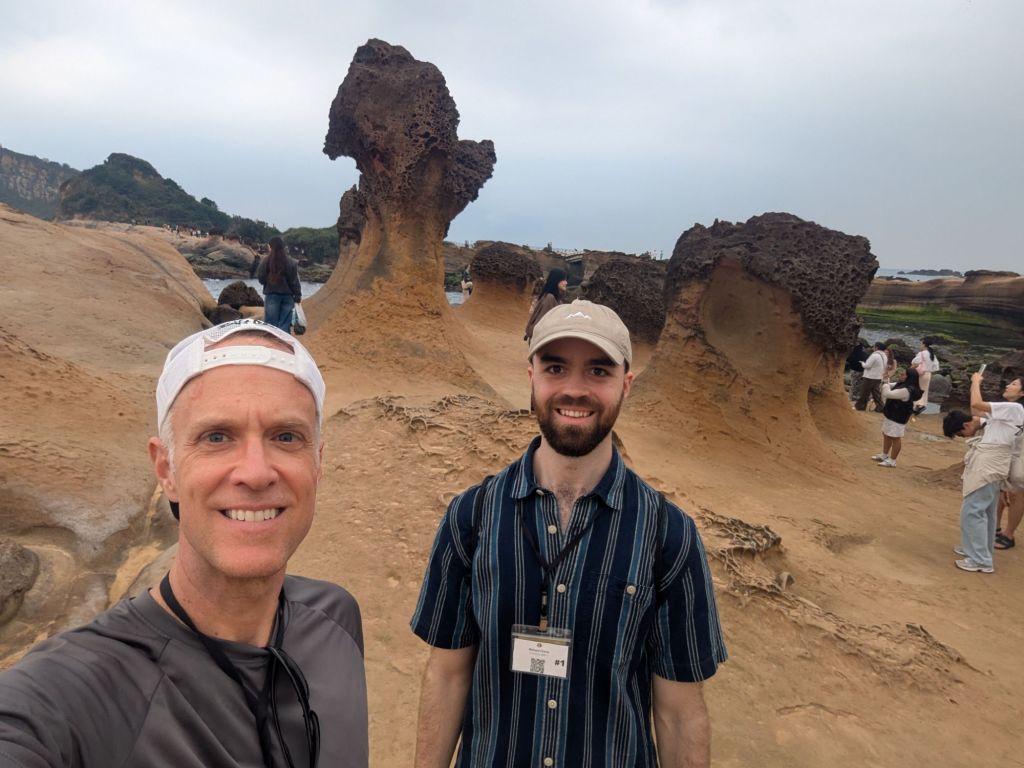
I’ve only sightly scratched the surface of this incredible country, and forgive me for leaving out so many interesting details. I just don’t have time to try to capture all the fascinating aspects I took notes on. I need to leave time to write about all the other destinations from this month-long adventure before I forget details! So maybe you can visit one day and enjoy all that this underrated destination has to offer. 謝謝 Xièxiè!!
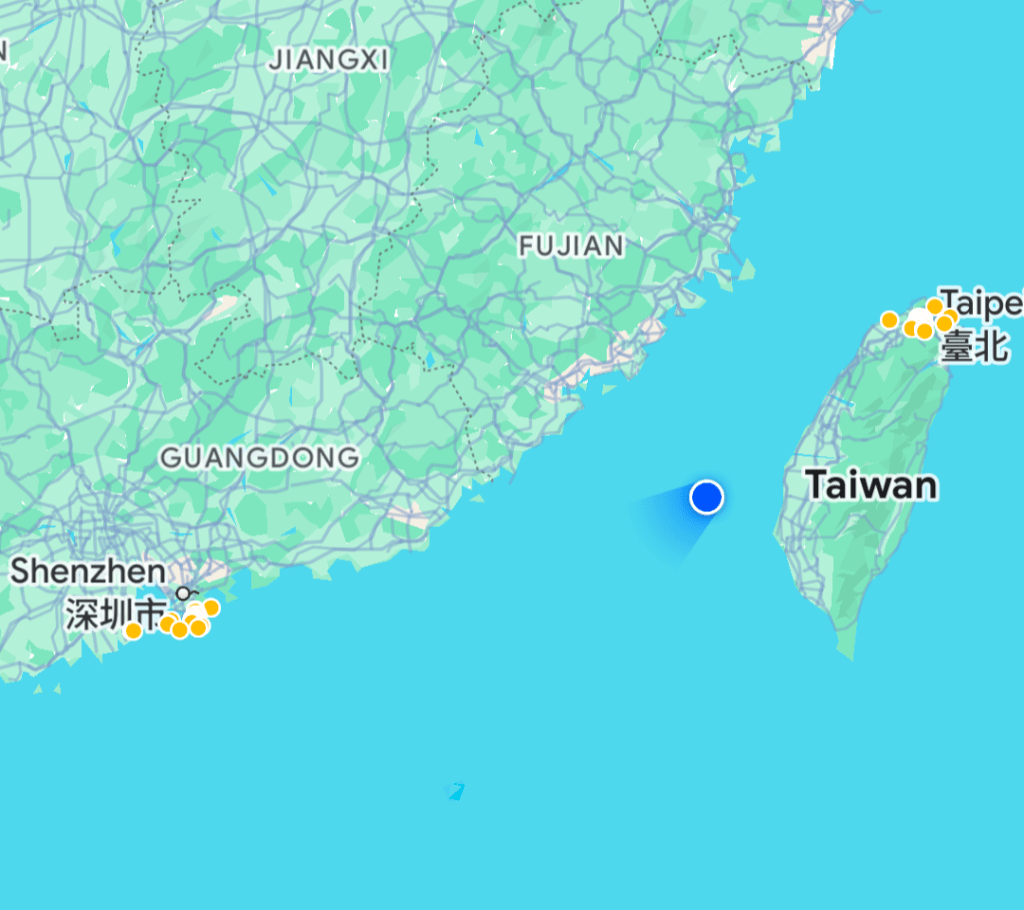
Next up, Hong Kong!
Today’s dad joke:
Which dinosaur loved Earl Grey the most?
The Tea Rex
Today’s funny videos:
What’s the funniest, most engaging and creative game show ever? Probably Taskmaster from the UK, and you can watch full episodes for free in the US and Czechia.
https://youtube.com/@taskmaster
Today’s Stoic quote:
“You always own the option of having no opinion. There is never any need to get worked up or to trouble your soul about things you can’t control. These things are not asking to be judged by you. Leave them alone.” ~ Marcus Aurelius


