
Bao down to what may be East Asia’s friendliest and hippest country, especially the cool capital city of Taipei. Compared to other regional destinations like Japan, South Korea, and Hong Kong, Taiwan prices are much more reasonable, and English is spoken relatively well. Americans are welcomed there, and it’s not yet a tourist hotspot, at least compared to the other destinations listed above. Taipei has a wonderful street food culture, and while there aren’t heavy-hitting Instagrammable sights like one can find in more popular cities in the region, it retains an authenticity which is itself a draw, while also blending in modernity and convenience. Getting around is easy, and I’d say that Taipei is an excellent first place to visit in East Asia for those from North America and Europe. I felt more at ease there than I did in Japan, South Korea, Hong Kong, Macau, or Singapore.
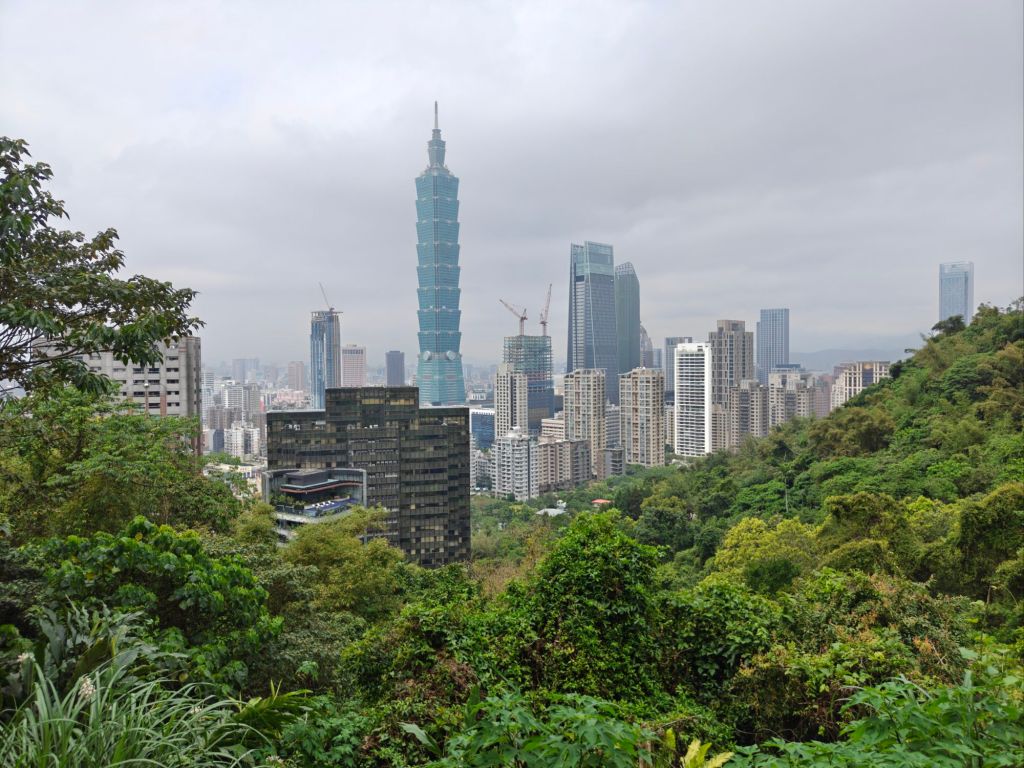
Rather surprisingly, there is a direct flight from Prague to Taipei on China Airlines (a Taiwanese carrier). The flight path has a constricted opening nowadays, squeezing between Russia and Iran – thank goodness for the Caucasus countries and the “Stans”!
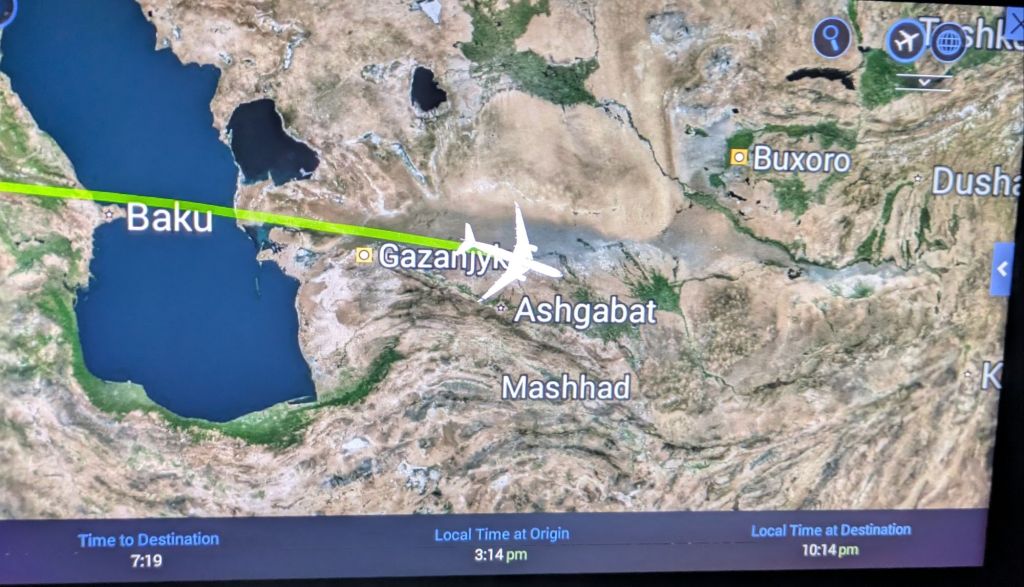
I departed from Prague to meet up with Ben in Taipei, to which he flew from Raleigh, via San Francisco. We spent six nights in this fun capital city and also took a day trip to a few other regional attractions before we next flew down to Hong Kong. One of the main joys for me of visiting East Asia is that there are just so many new and often surprising differences from life in the USA and Europe. Accordingly I cannot easily summarize all the various things I noticed during this trip, so I give you a collection of several selected insights below. I hope you enjoy learning more about Taiwan, and maybe you too will have the pleasure of visiting one day!
Even if you did nothing else while in Taiwan, you would find great satisfaction from just sampling some of the countless street food options. Before going any further, I must say that while Taiwanese love them some stinky tofu, I cannot imagine that this is a food to which I could ever become accustomed, much less actually savor. That’s some seriously gross stuff, and we even took the “light” route by eating the fried (not steamed), and thus less pungent, version, paired with some toppings to tame it further. I almost certainly couldn’t overcome my gag reflex if I had to consume steamed stinky tofu. I realize that I haven’t convinced you that you should try Taiwanese delicacies, but I promise that this was the only thing I found to be off-putting there (though I didn’t try the pig blood cake or the pork intestine noodles, haha). As a side note, here’s a somewhat amusing story of accidental mass stinky tofu creation in Missouri last month. I can empathize with them regarding the overwhelming bad smell — I’ll never forget the malodorous rotten stink wafting from various food market stalls… Blech, urk.
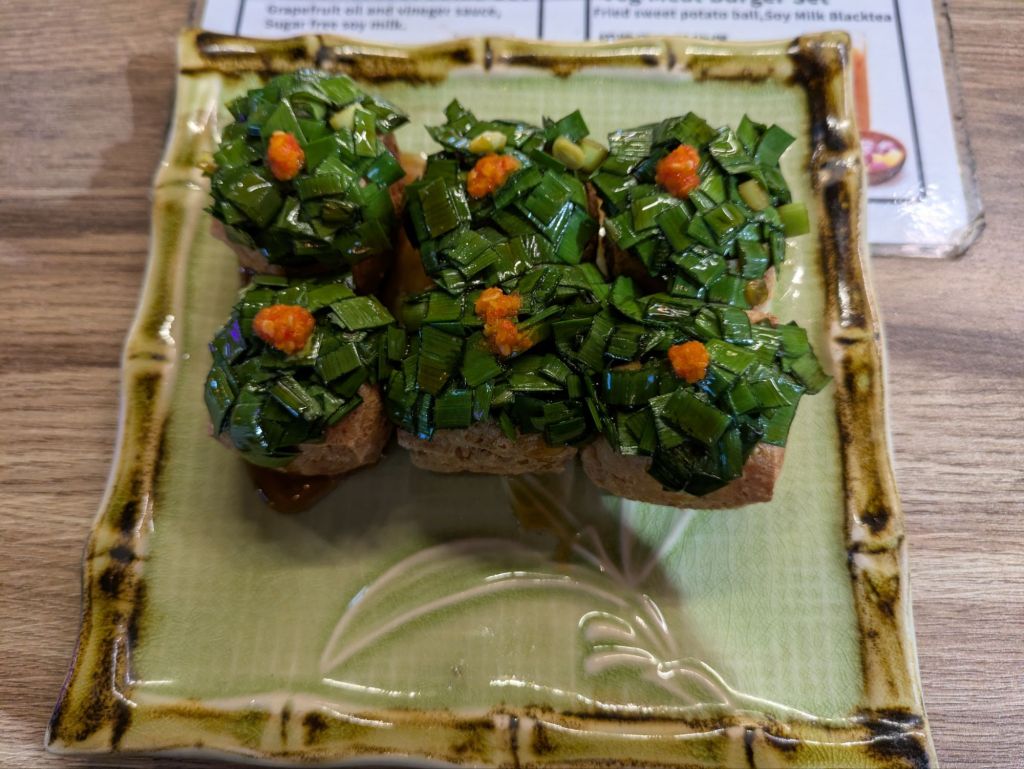
Here are some various food photos:
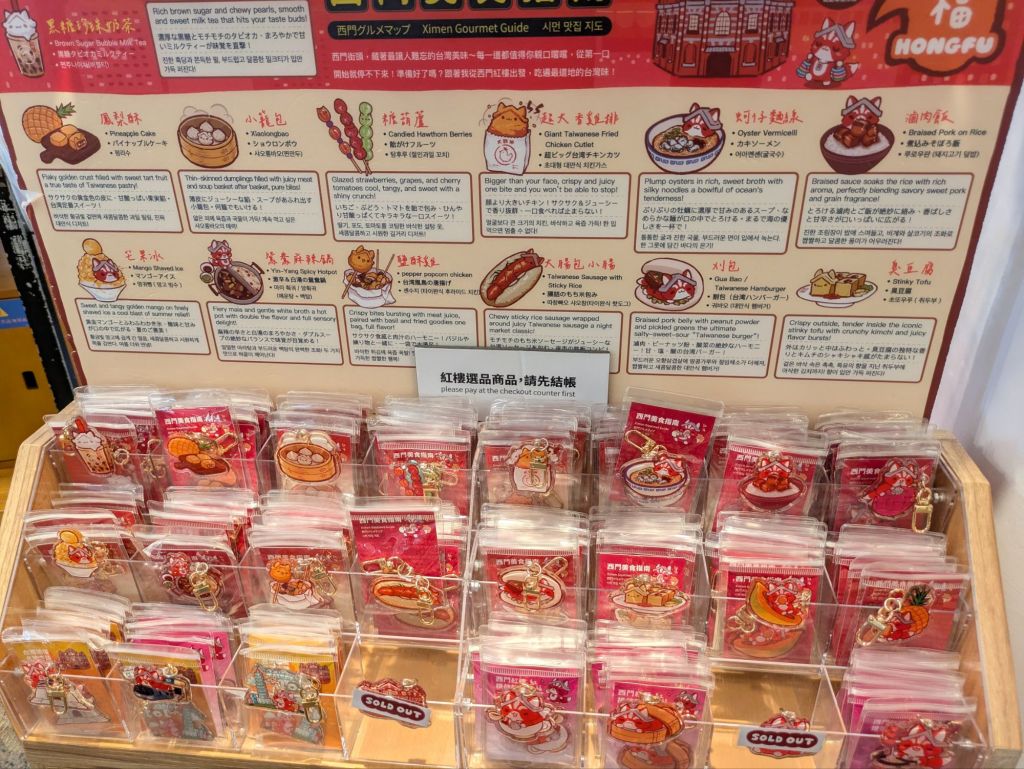
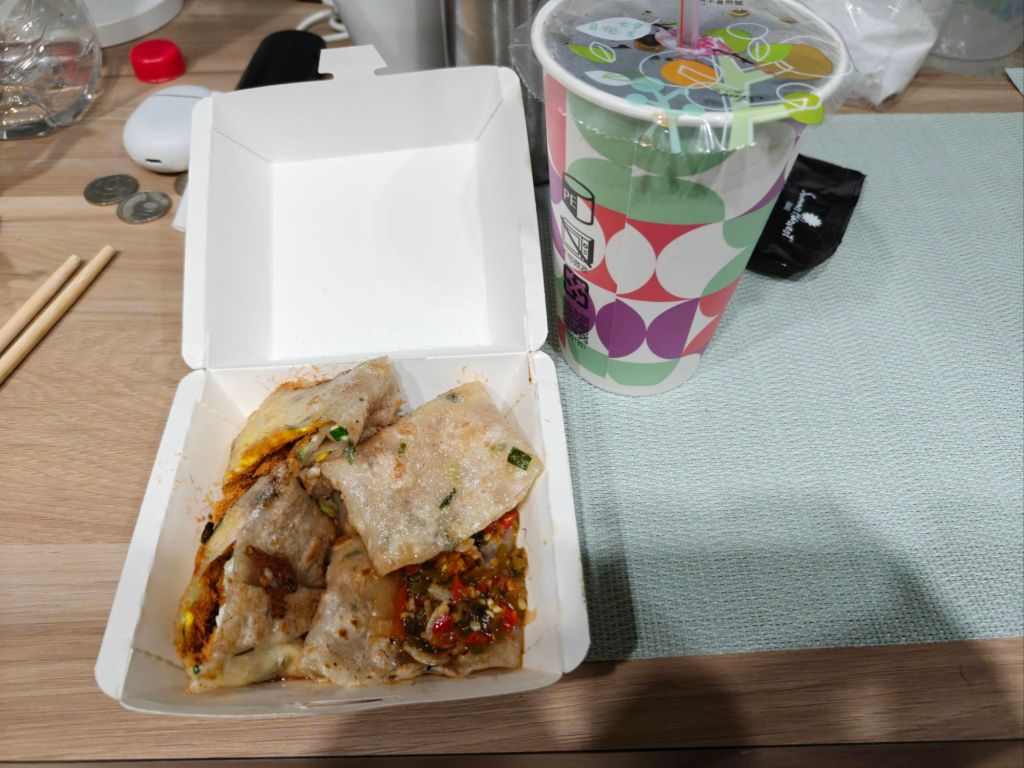
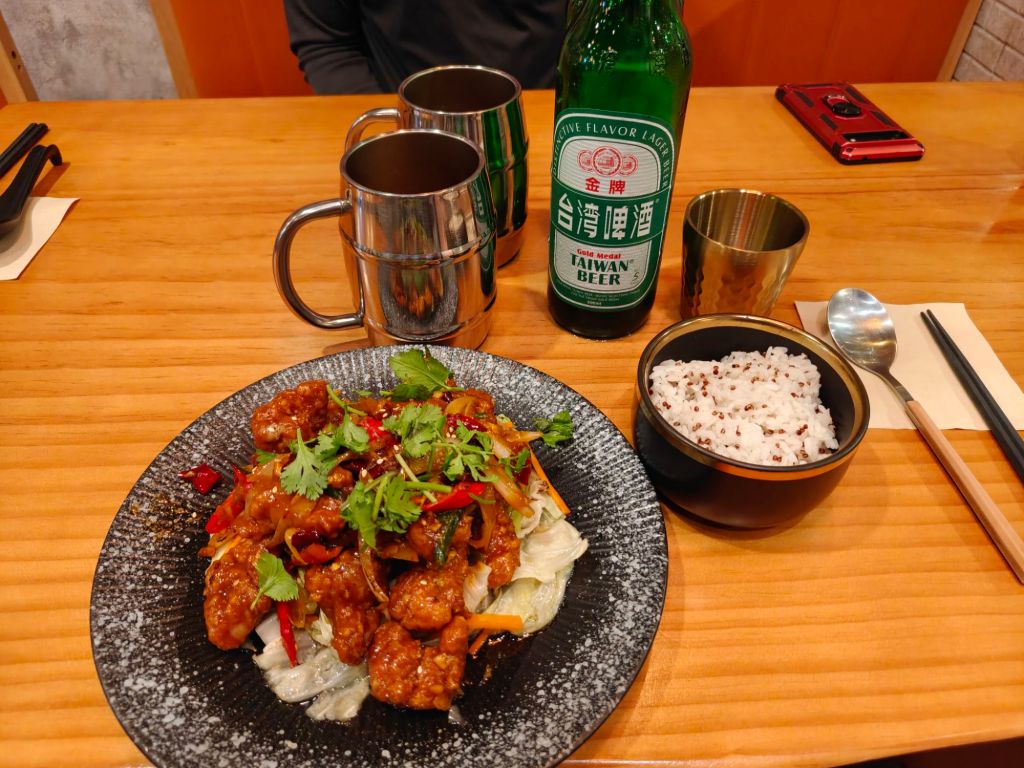
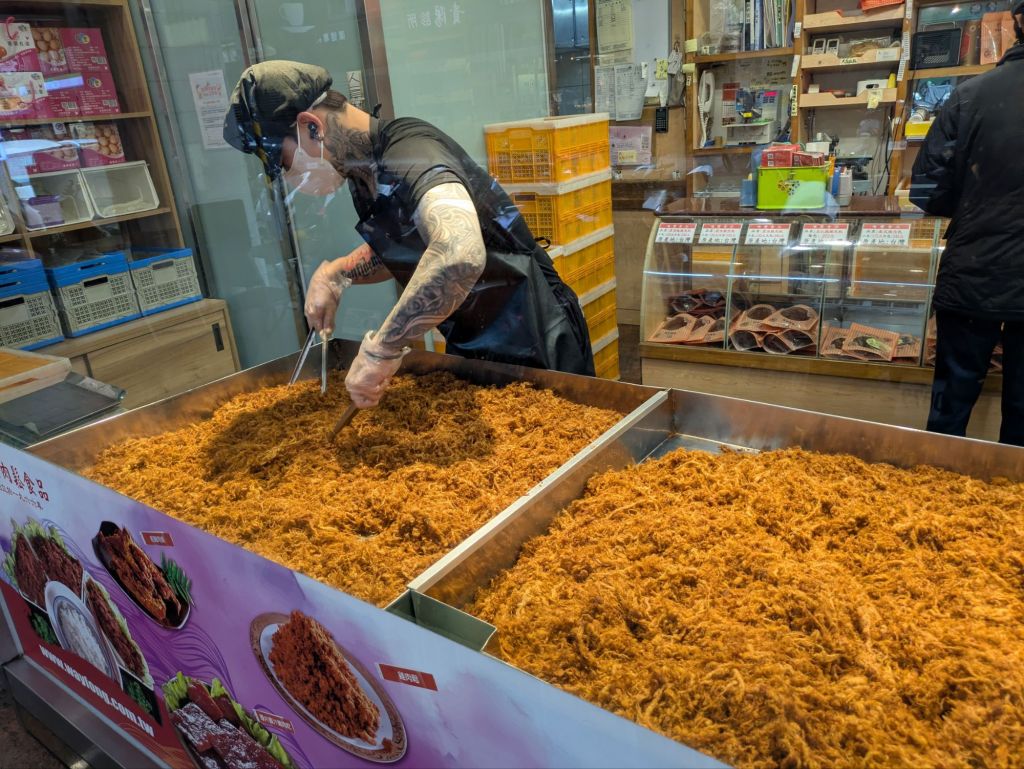
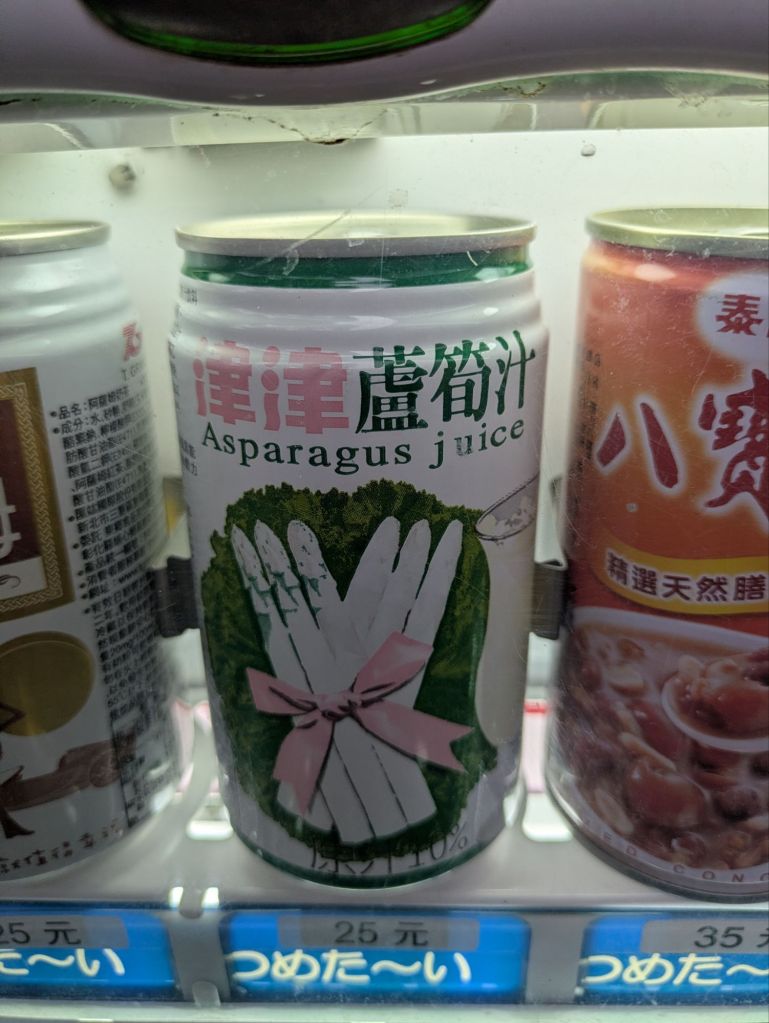
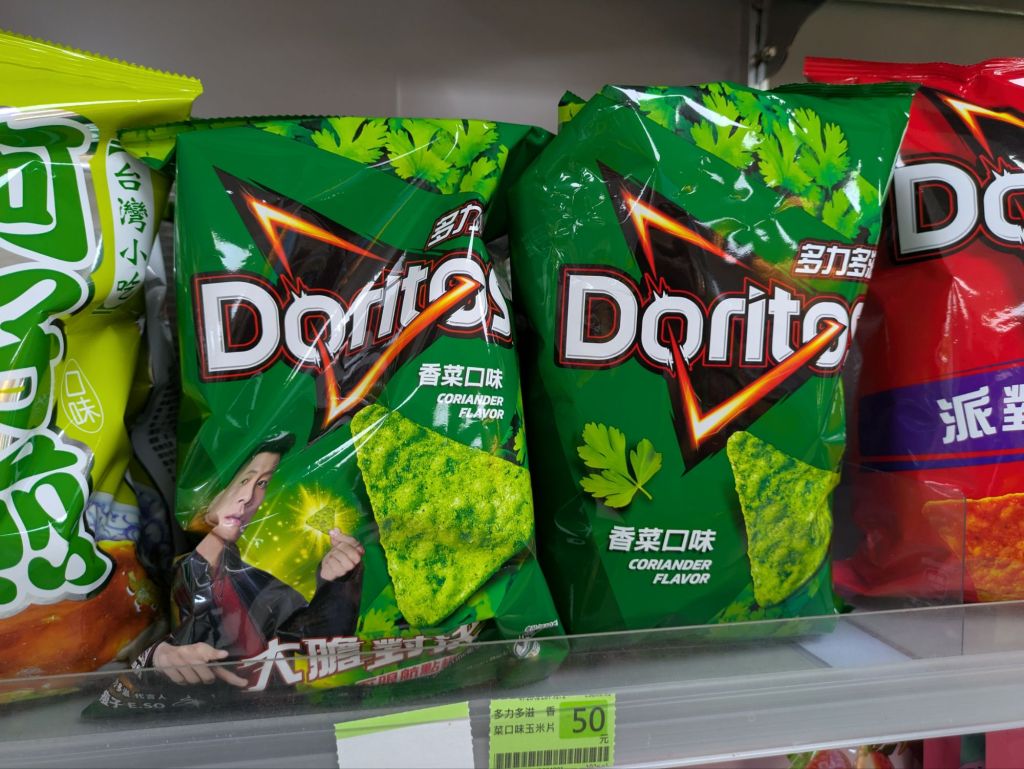
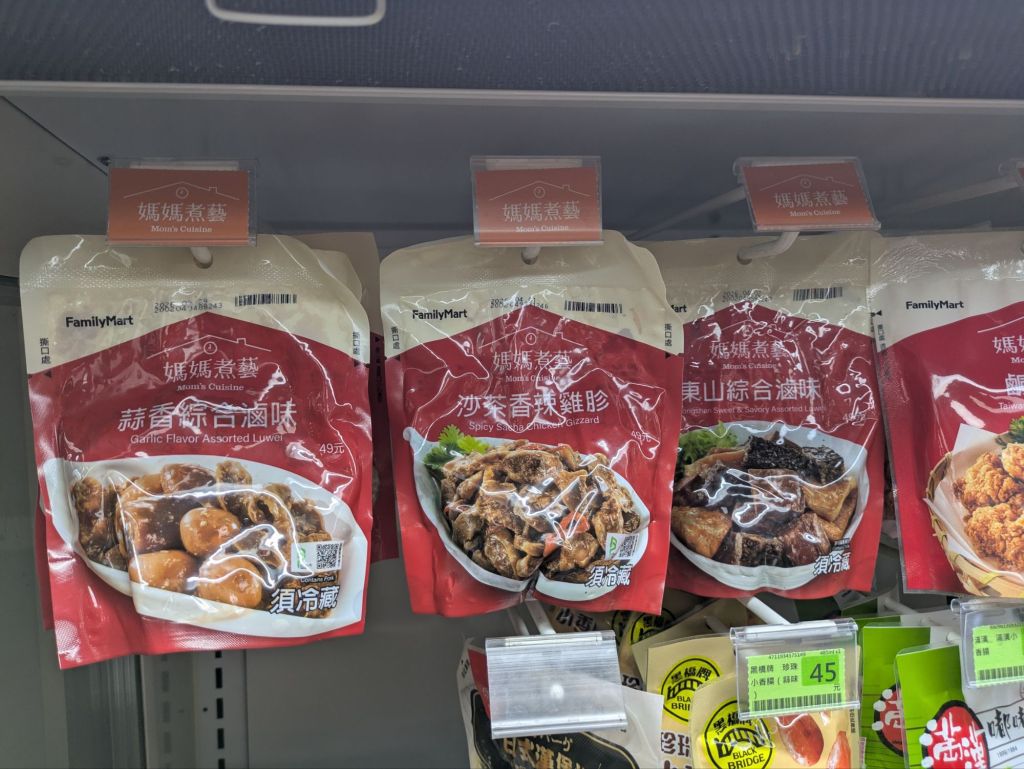
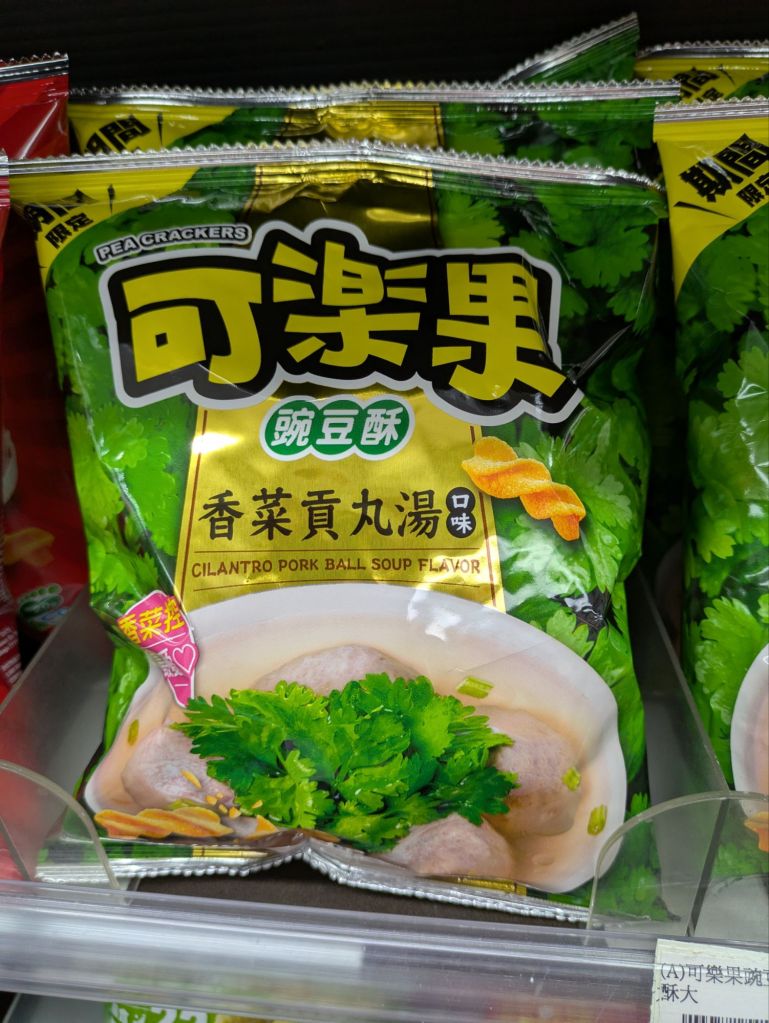
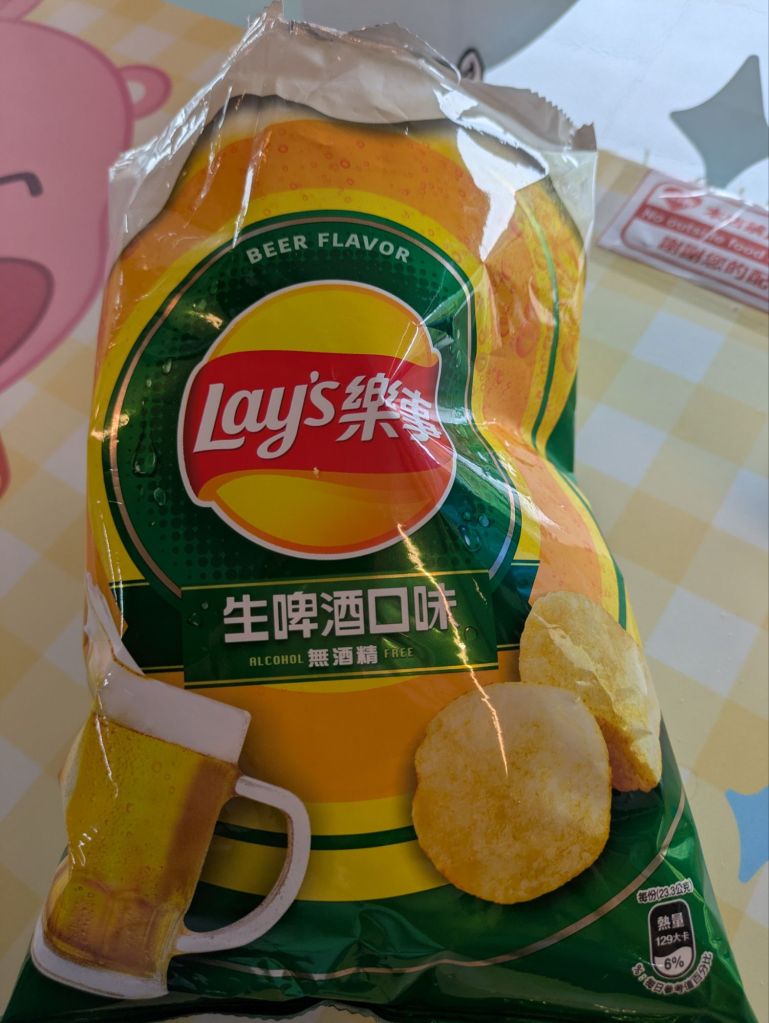
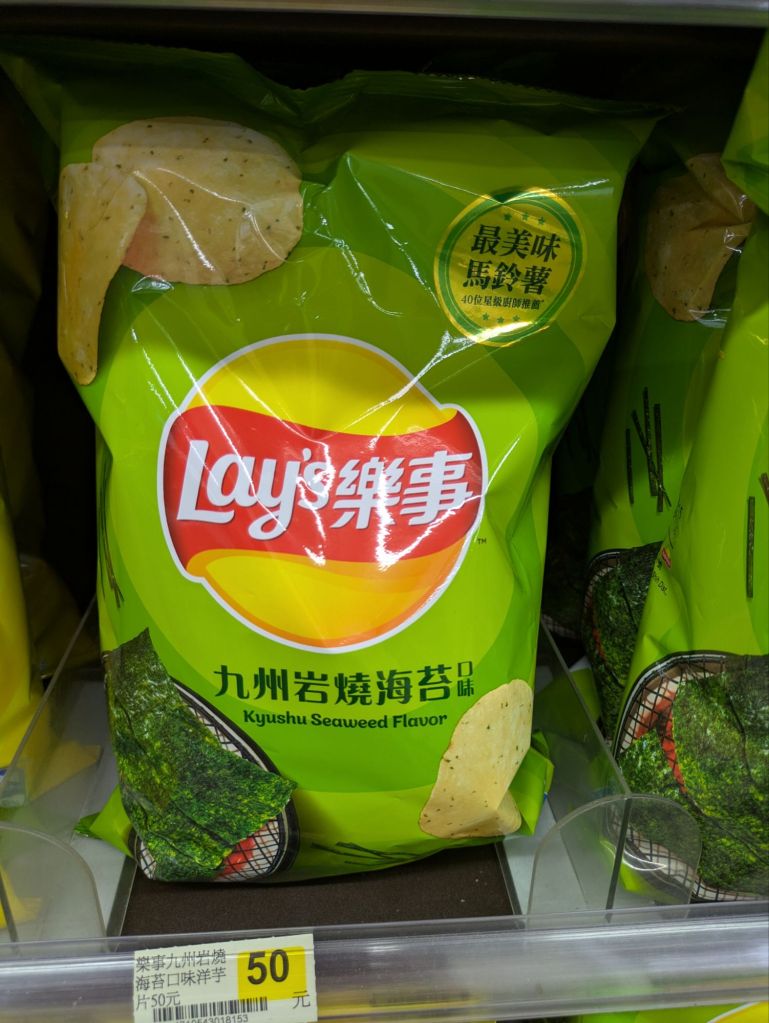
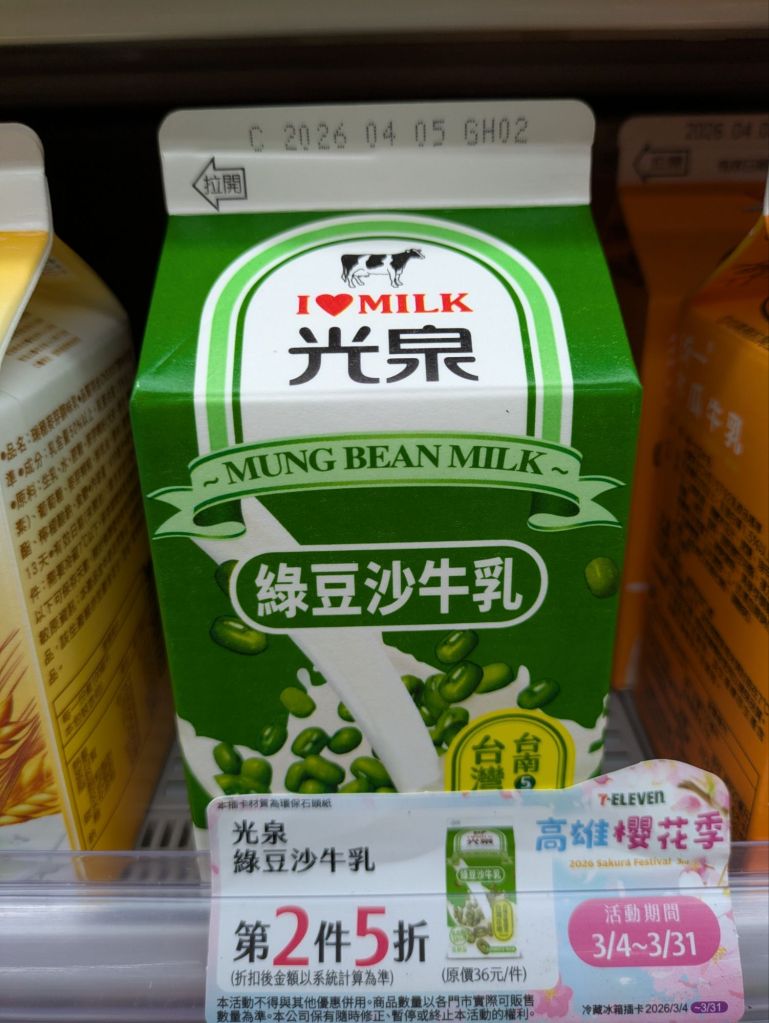
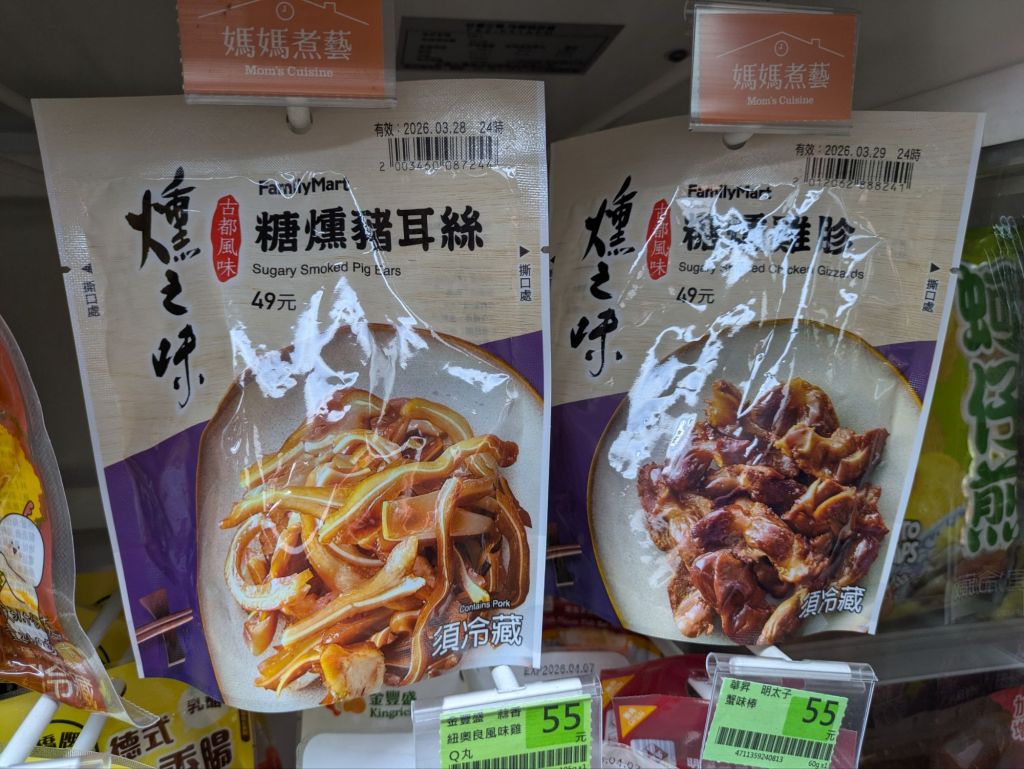
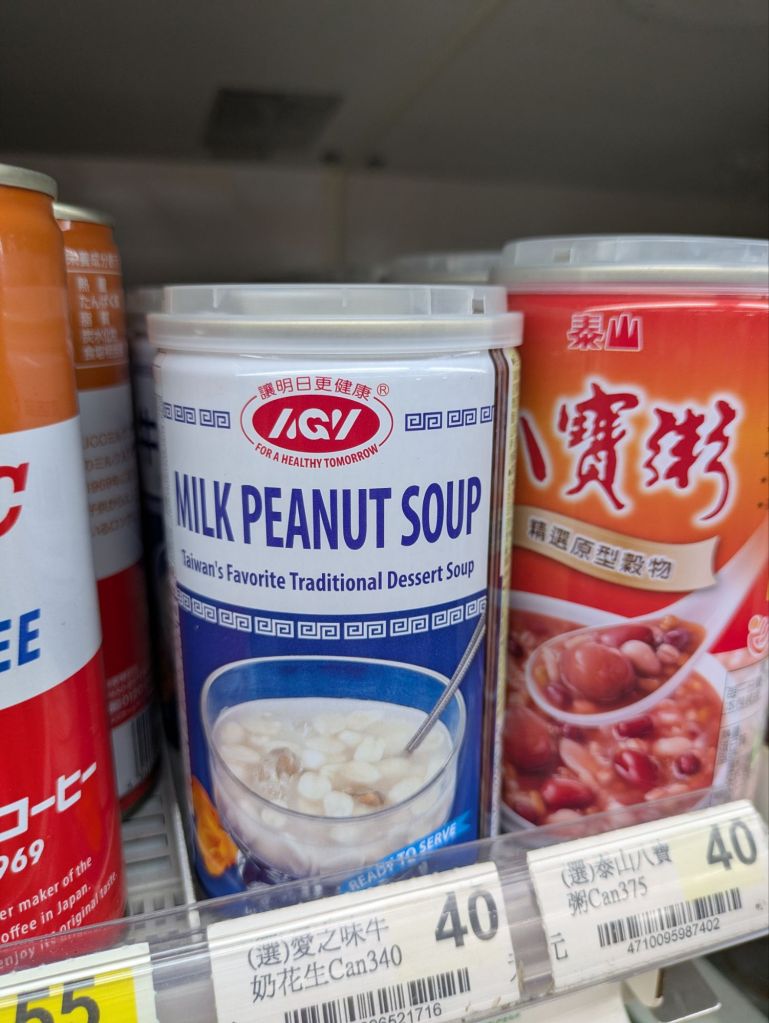
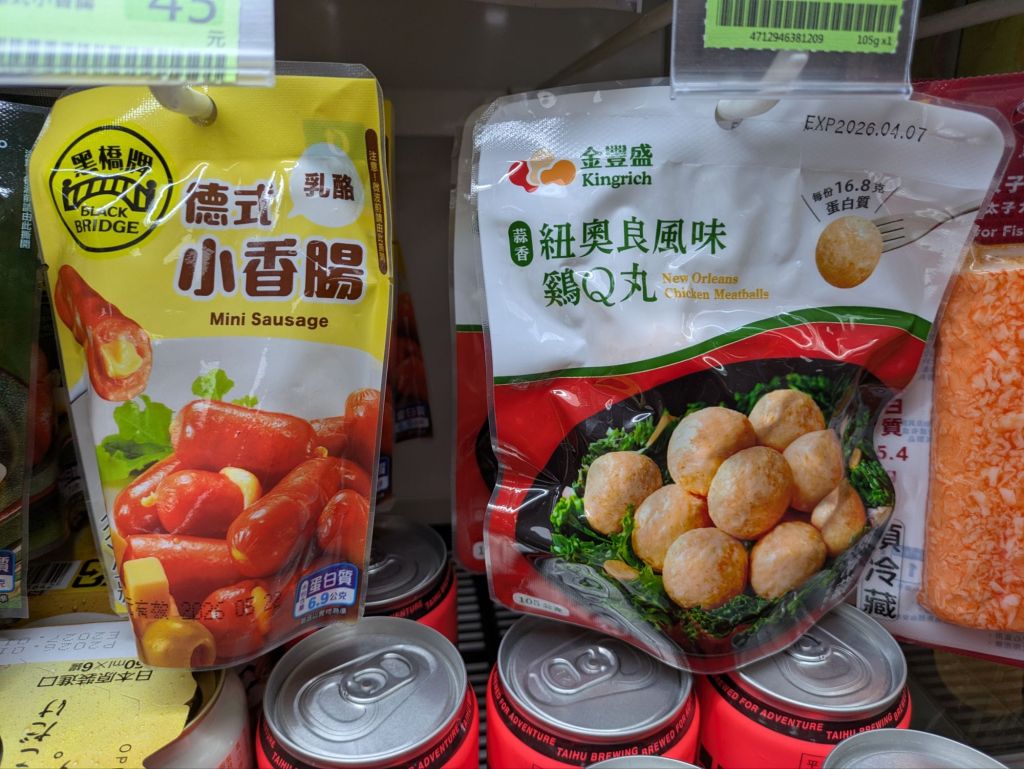
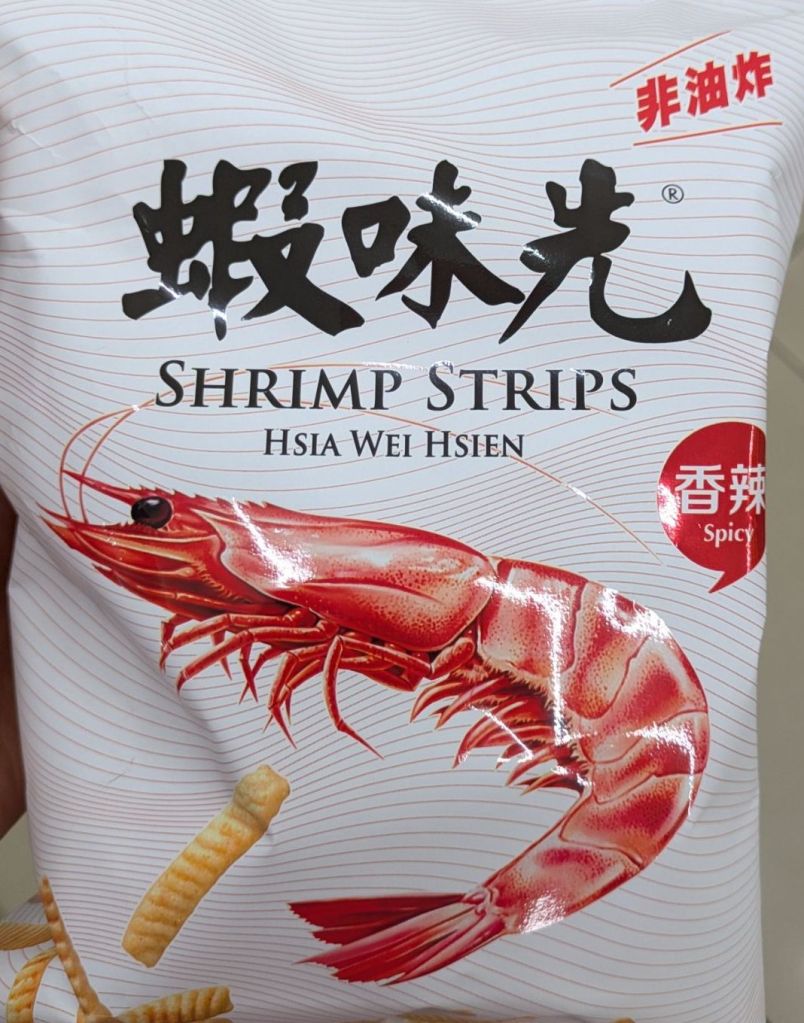
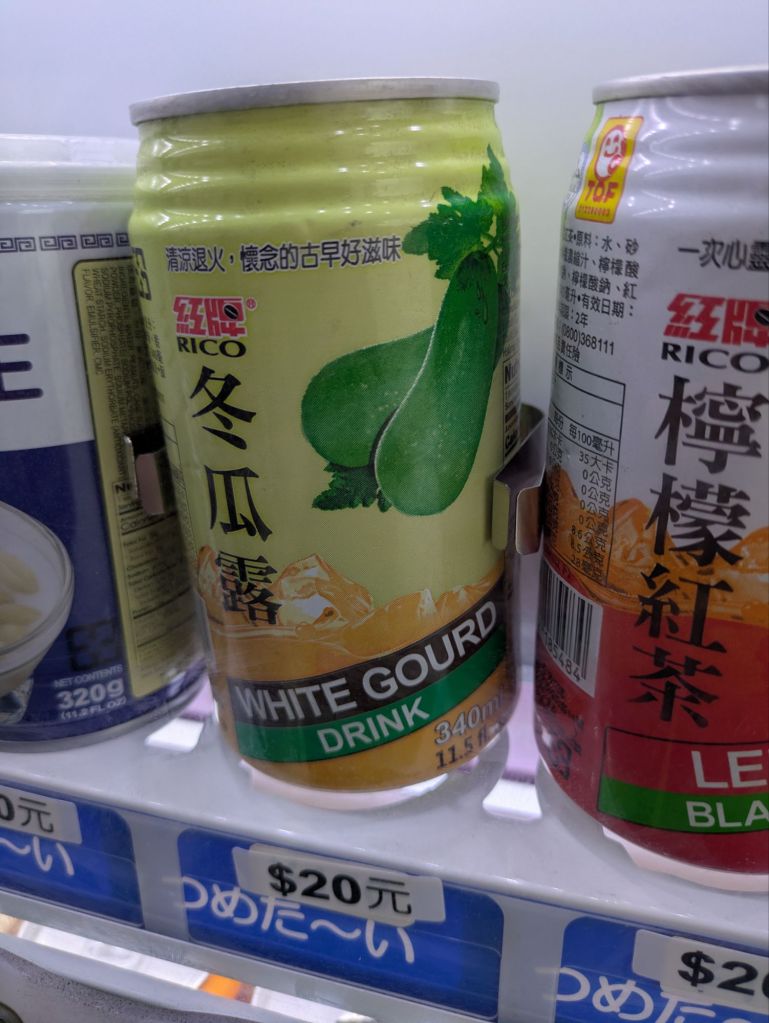
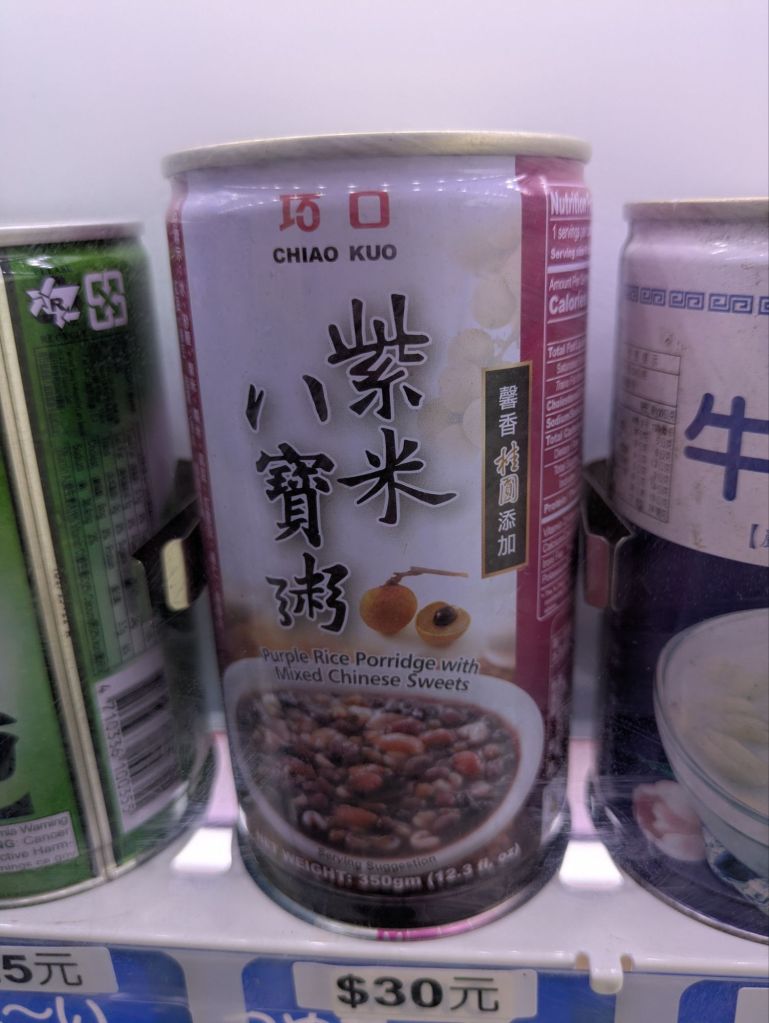
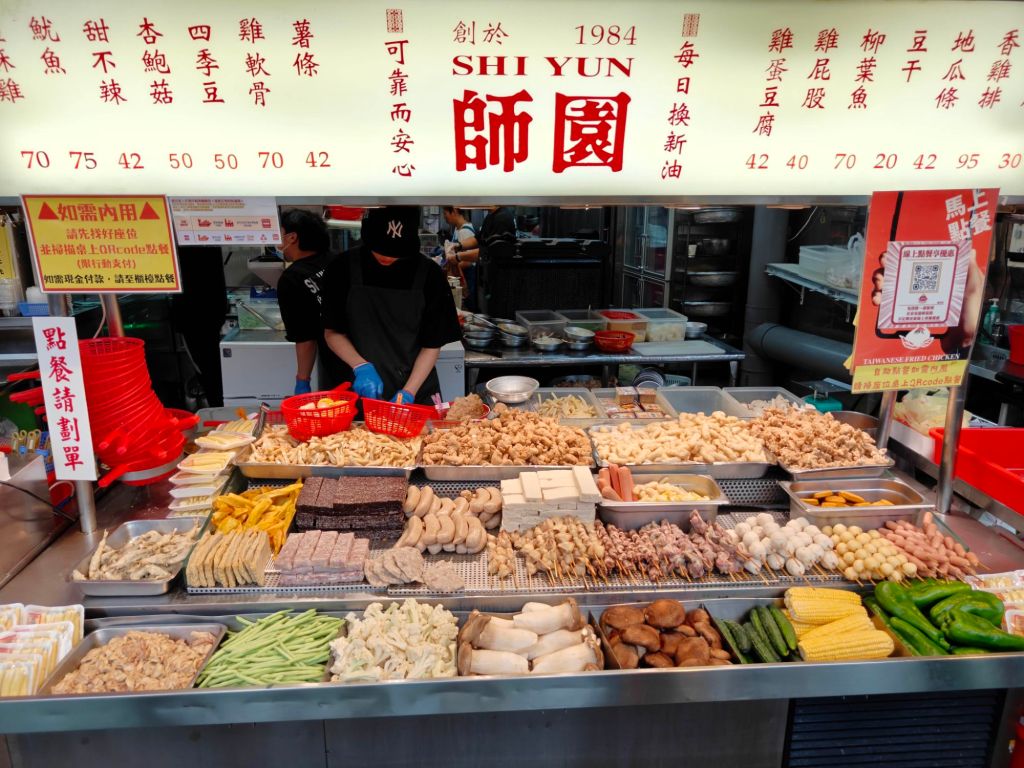
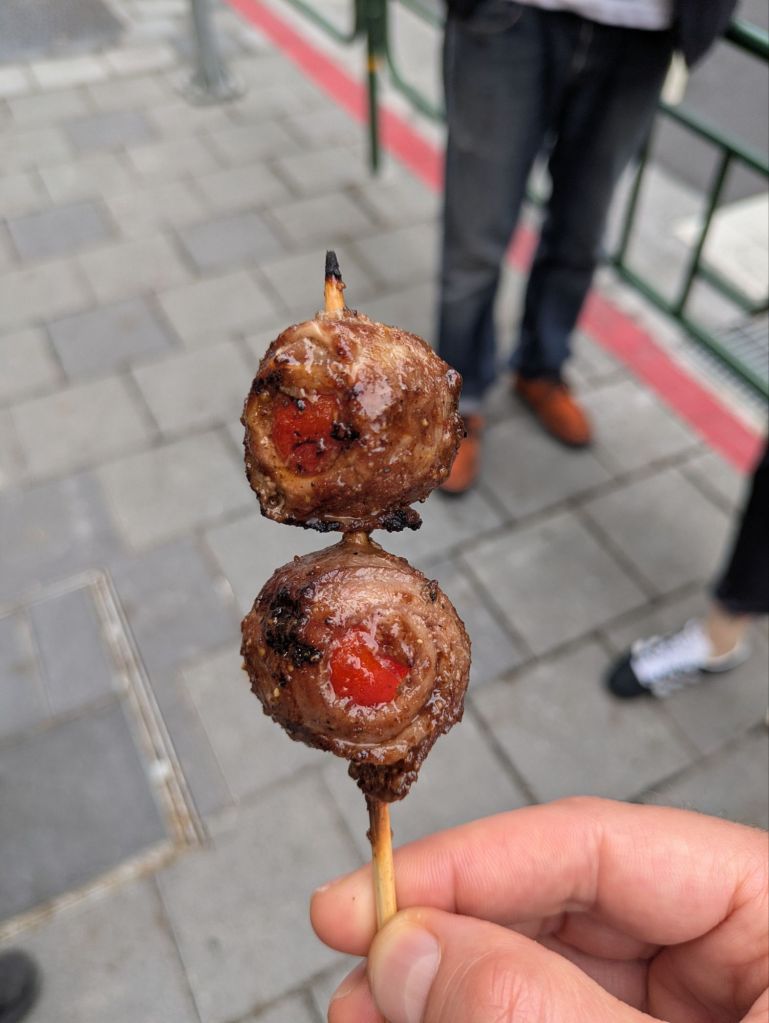
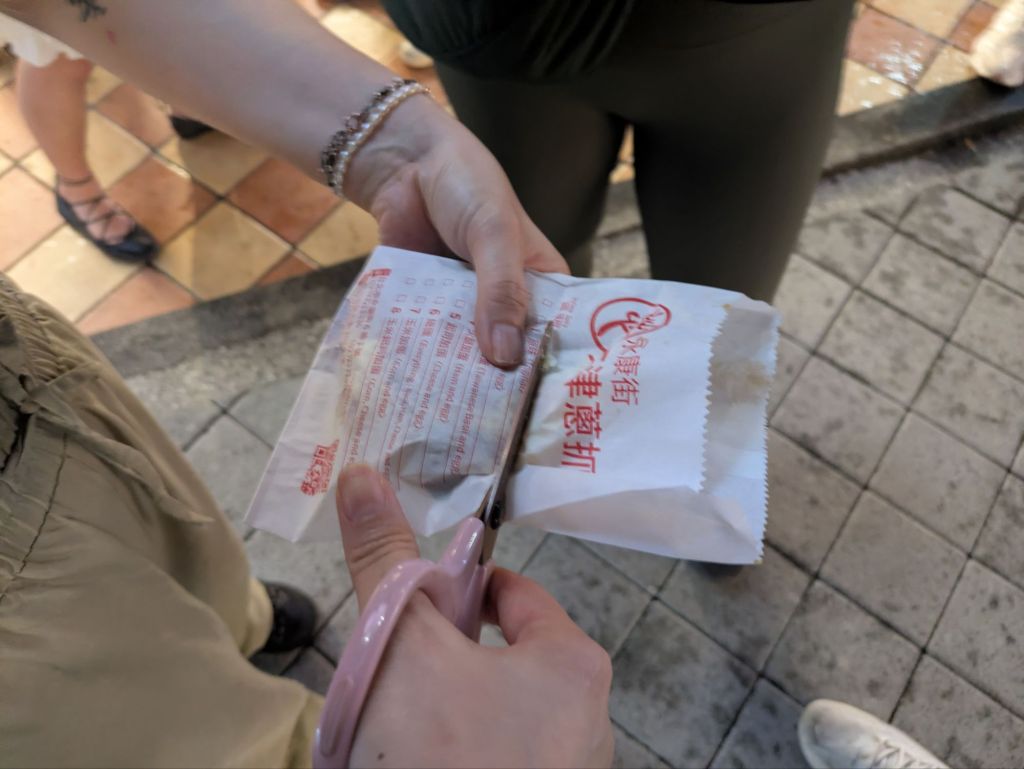
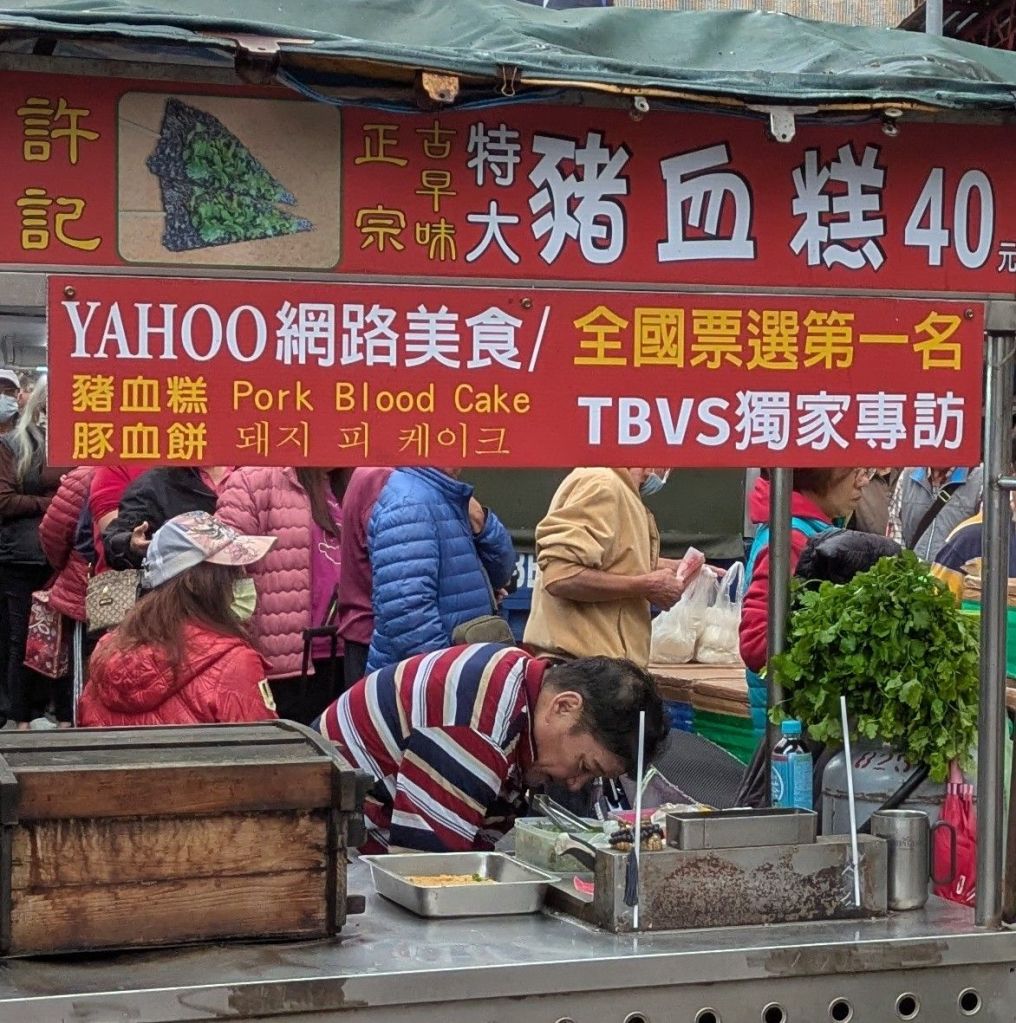
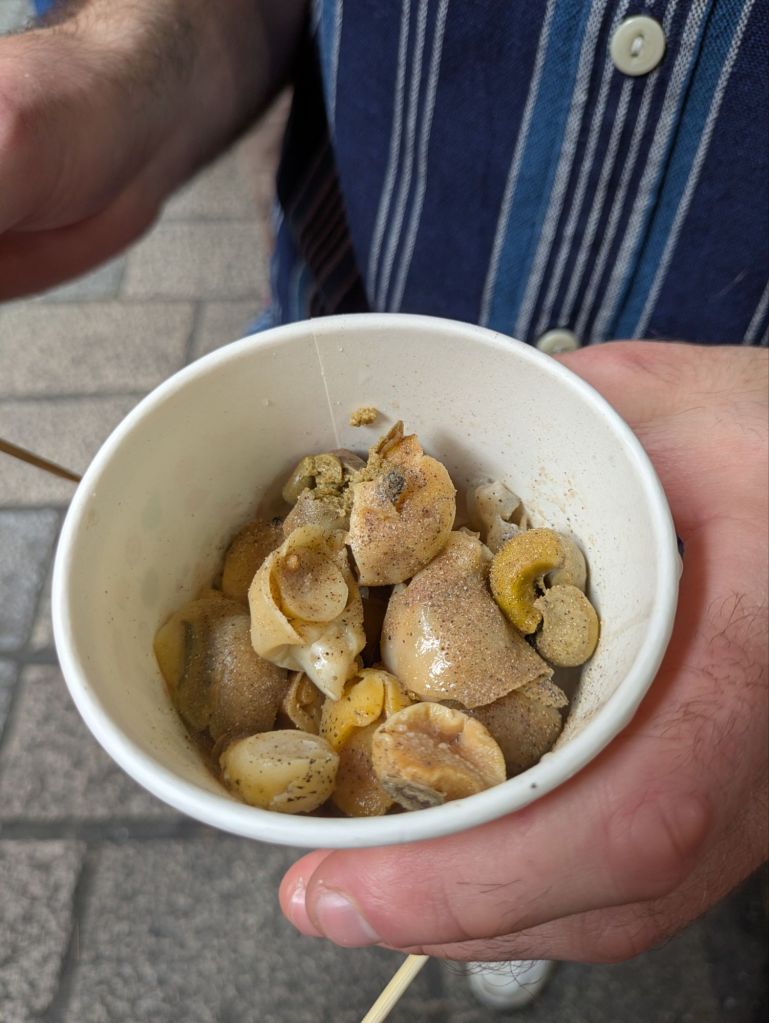
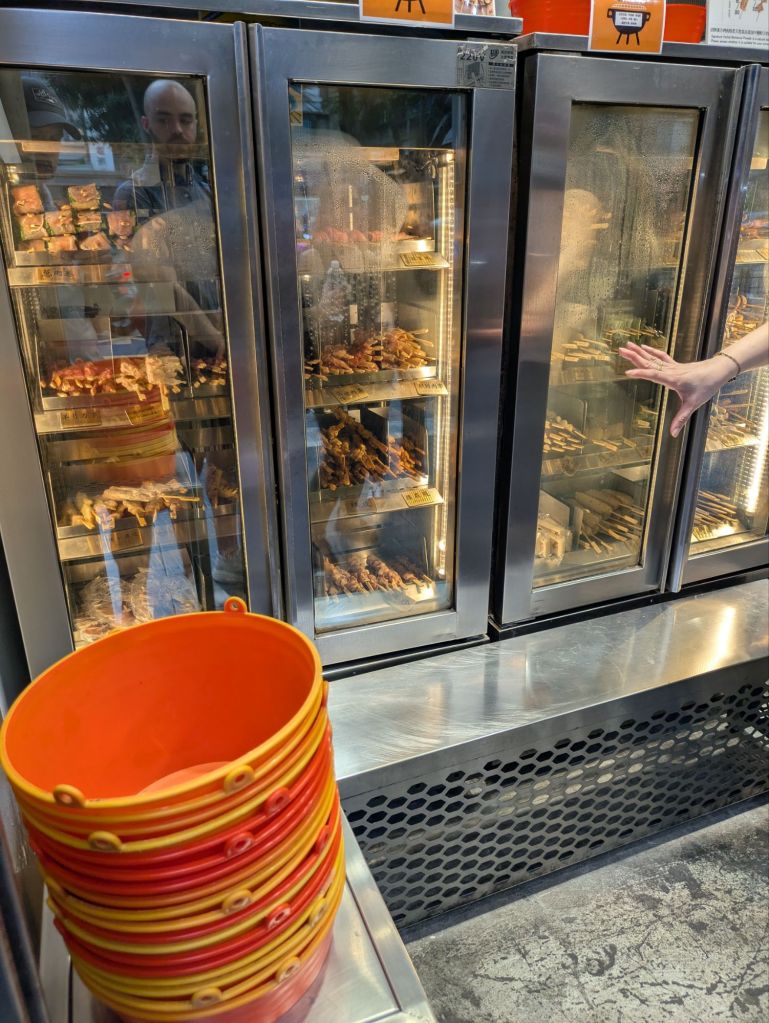
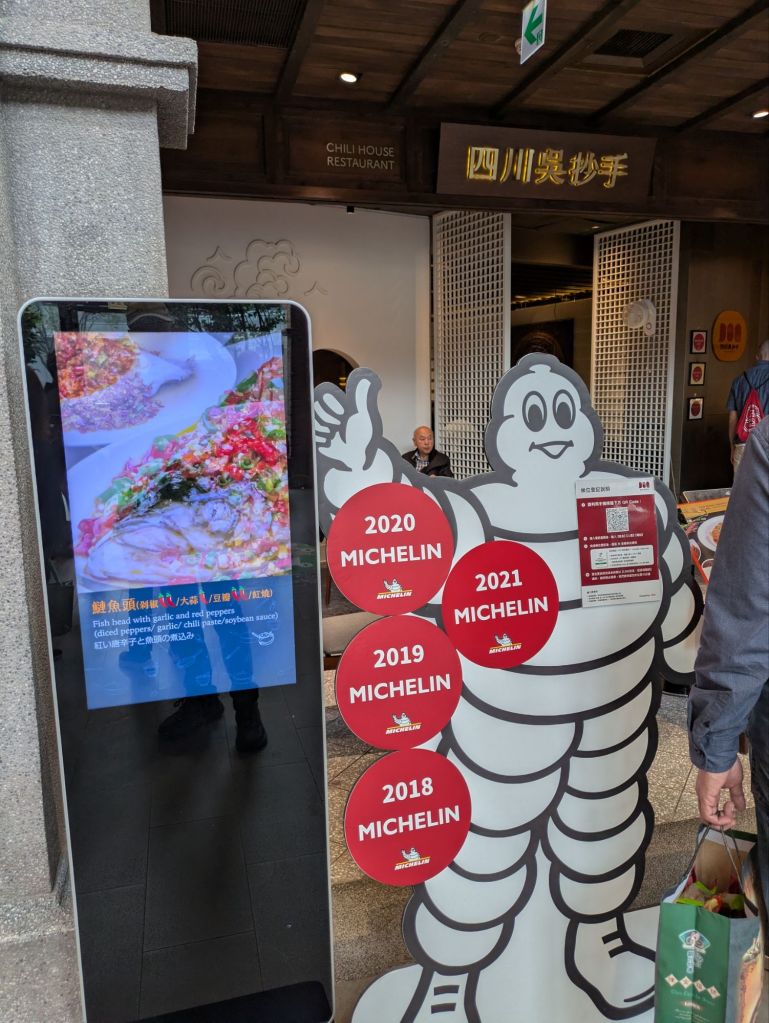
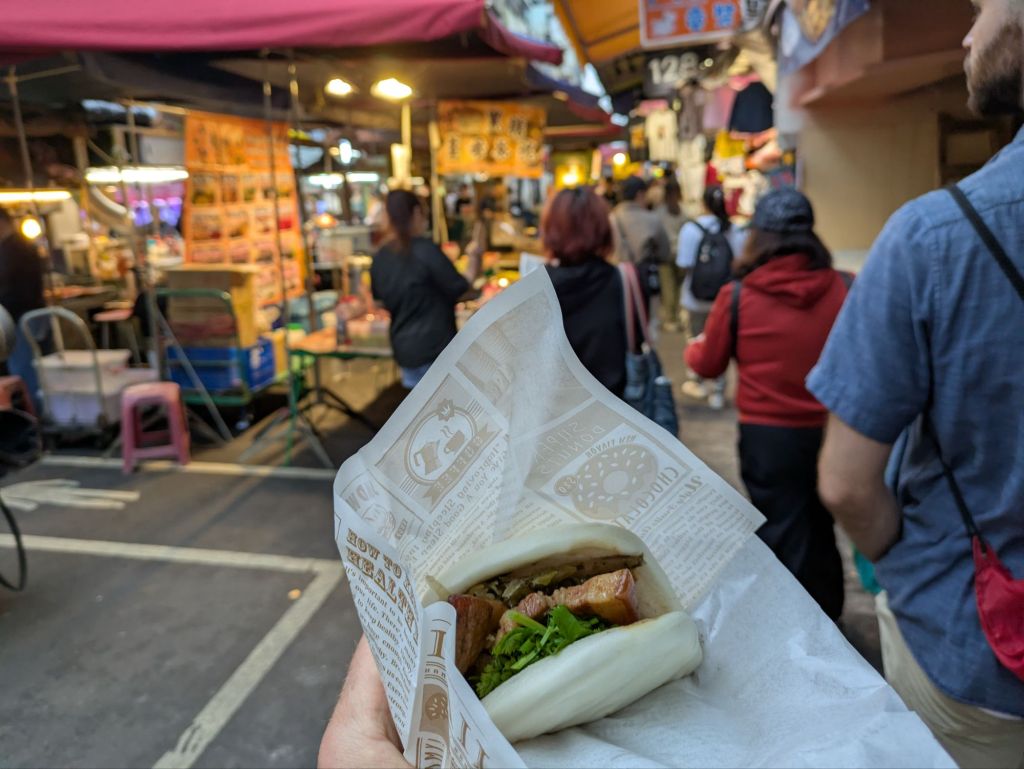
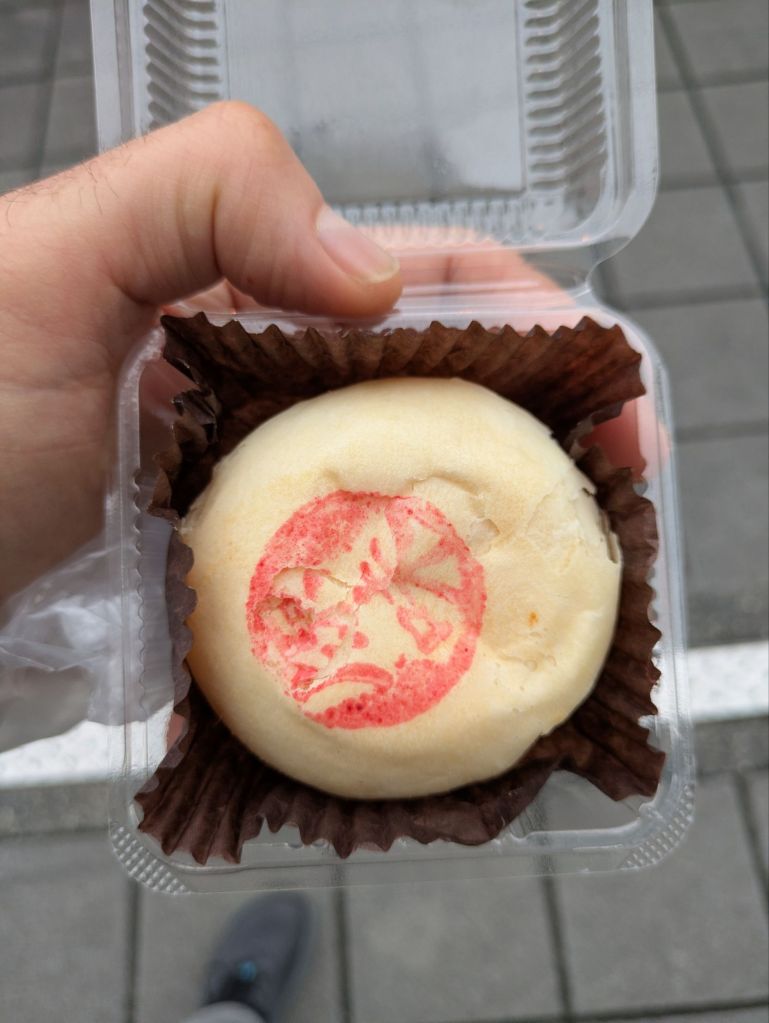
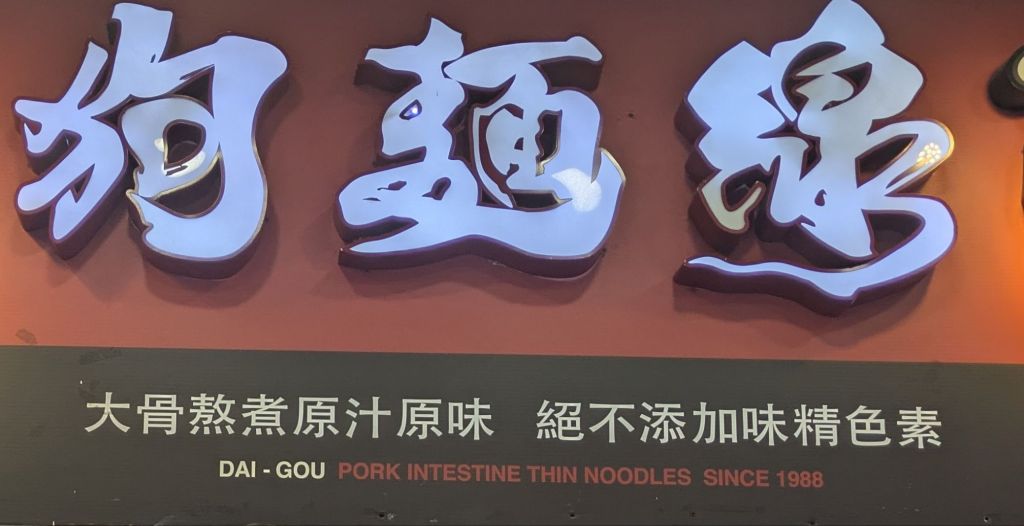
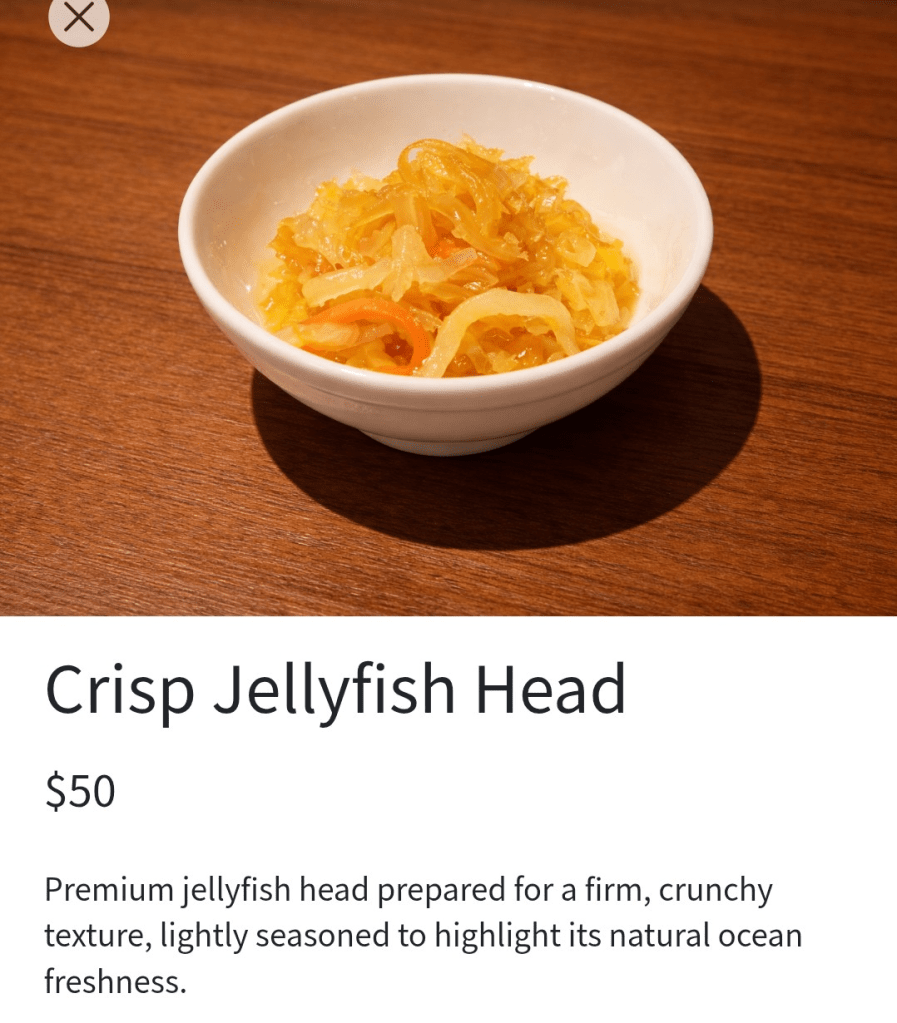
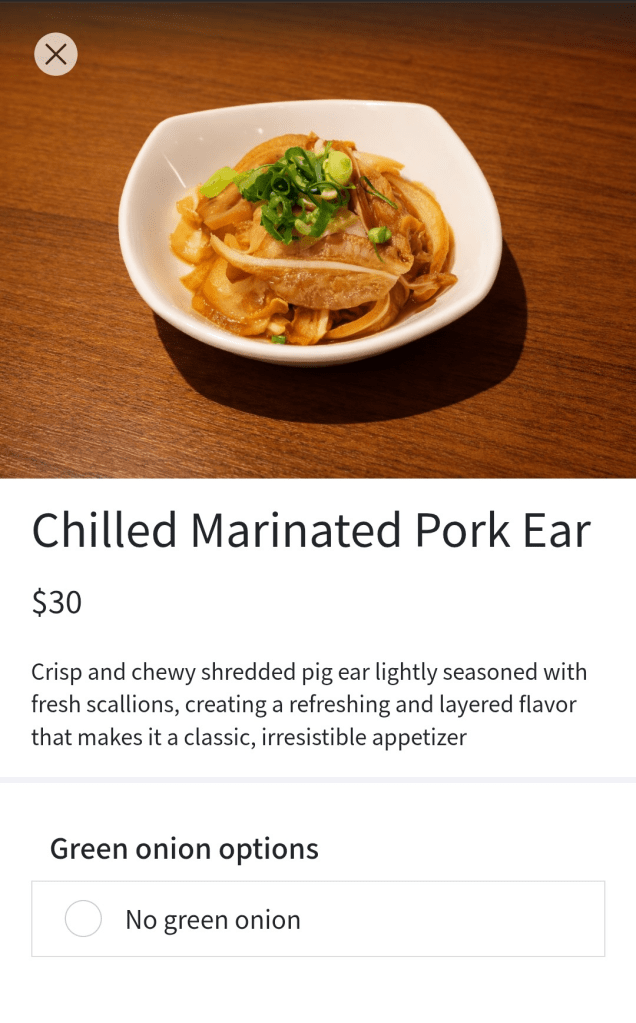
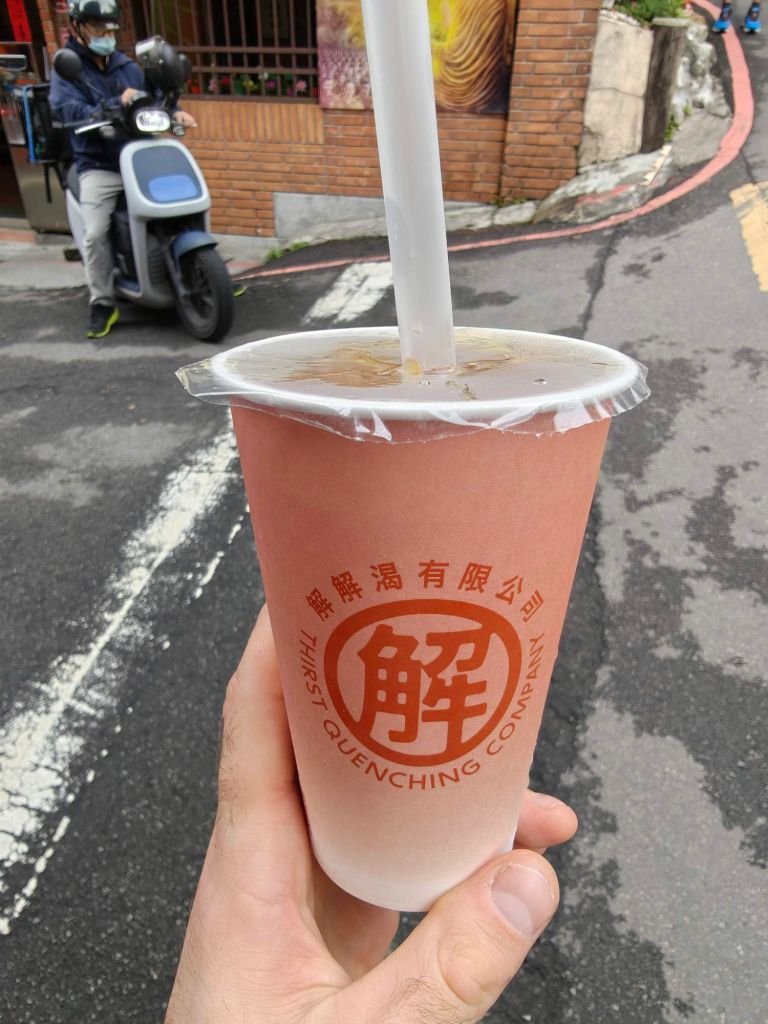
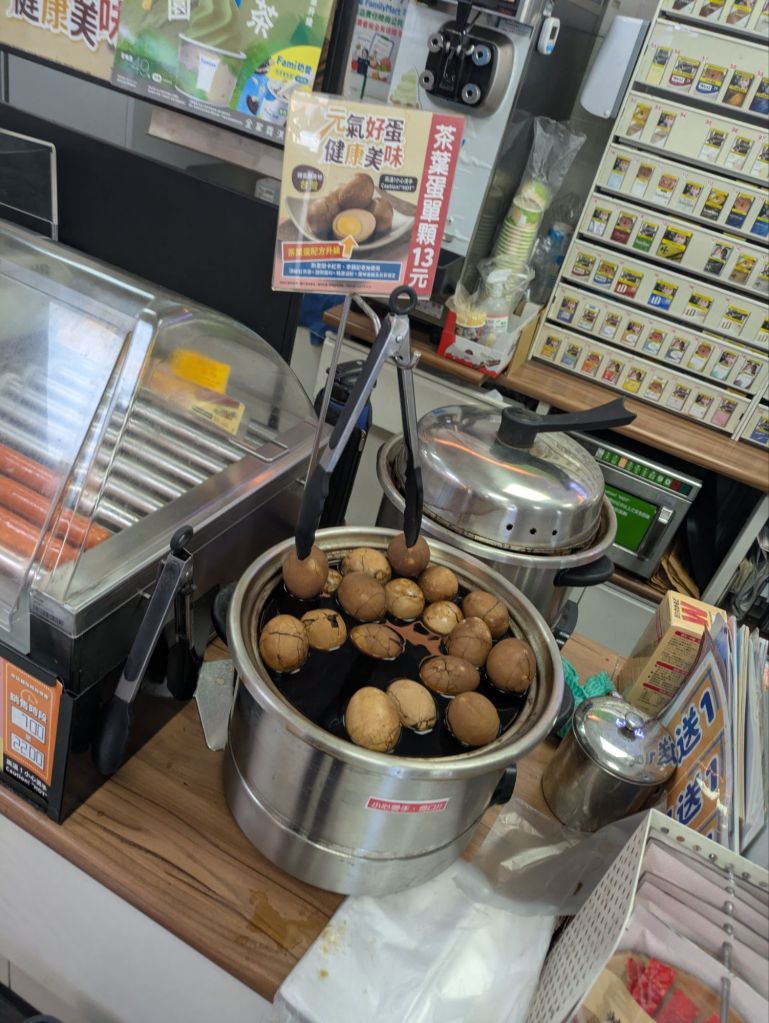

Food is often very relatively reasonably priced – for example, I bought a bowl with fish, tofu, egg, seaweed, sauce, and rice at a metro station for $3.17 (USD). We learned that many Taipei apartments don’t even have a kitchen! There is so much affordable street food available everywhere that many never cook for themselves. Besides food, apparently another regionally chewed item is the betel nut for its stimulant effects.
There’s so much focus on food that the business below had to redo their signage after what one must presume was an accidental misspelling, haha:
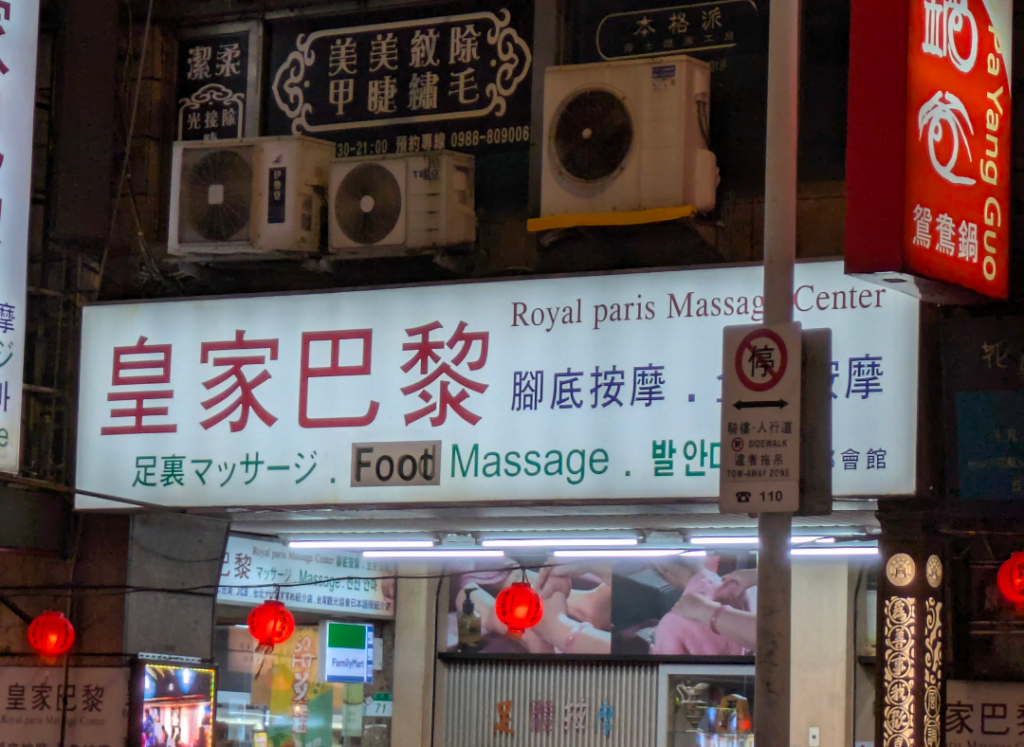
Drinks are big too, including tea, understandably, but also beer. And boba tea, or bubble tea, aka pearl milk tea, was invented in Taiwan in the 1980s and has become quite popular all over the world. There’s even a bubble tea shop in the underground passageway to the metro stop near where I’m currently staying in Prague. Various types of teas are offered at bubble tea shops, typically with milk added, and then you choose hot or iced, the amount of ice, the amount of sugar, and what type of pearls or other additives to throw in. Typically the pearls are chewy tapioca balls, and a wide straw is offered to allow for the pearls to be sucked up. I was dubious about the whole thing, but figured I should try one. I found that a matcha latte with ice, no sugar, and tapioca balls was very flavorful, and I enjoyed the texture contrasts. So much so that I bought similar bubble teas later in the trip in other places like Hong Kong, Australia, New Zealand, and Singapore!
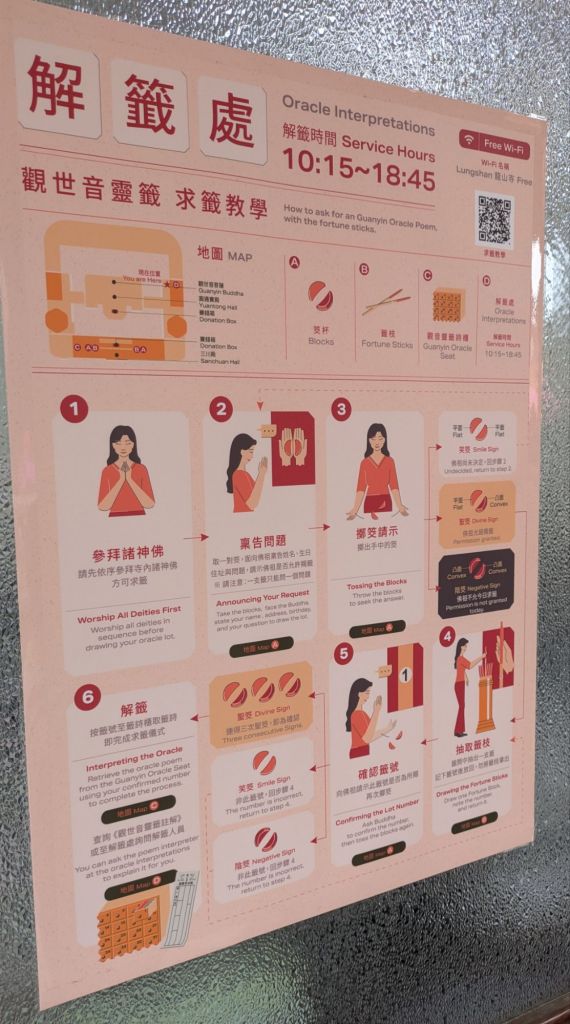
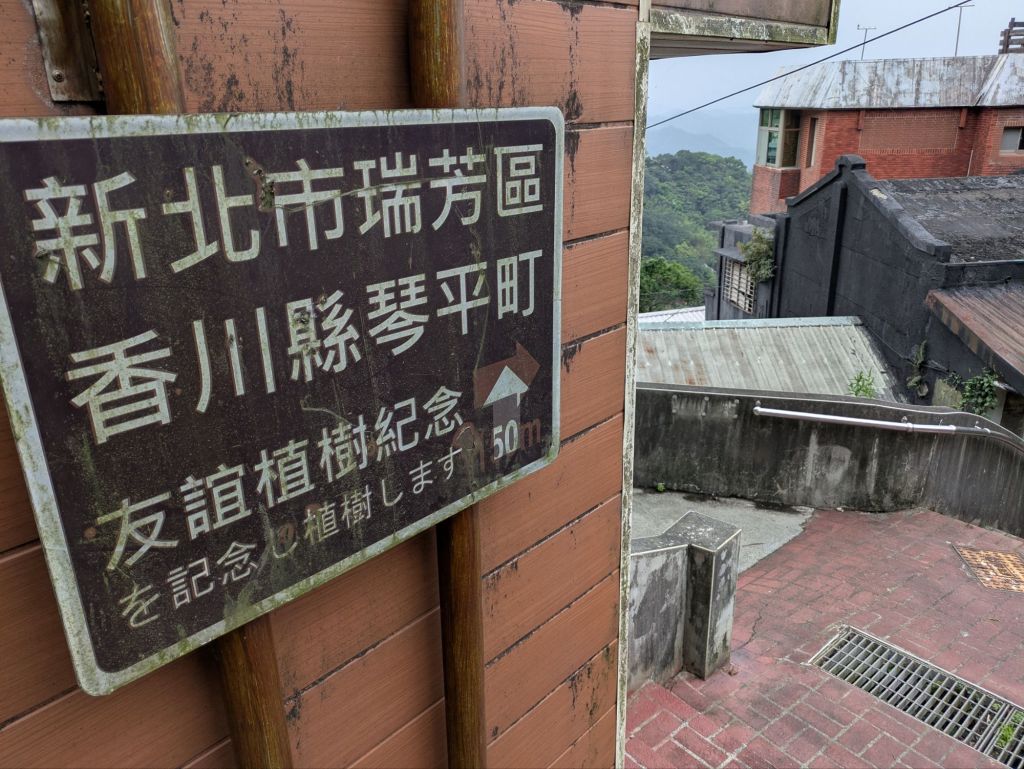
There are countless smells everywhere when walking around Taipei, mostly good, surprisingly. But not stinky tofu, of course. They seem to be big into incense and other aromatic introduction solutions. Luckily defecation outdoors isn’t allowed, haha, at least according to the following sign. I’ve included some other interesting signs in the gallery below – select an image to see more detail.
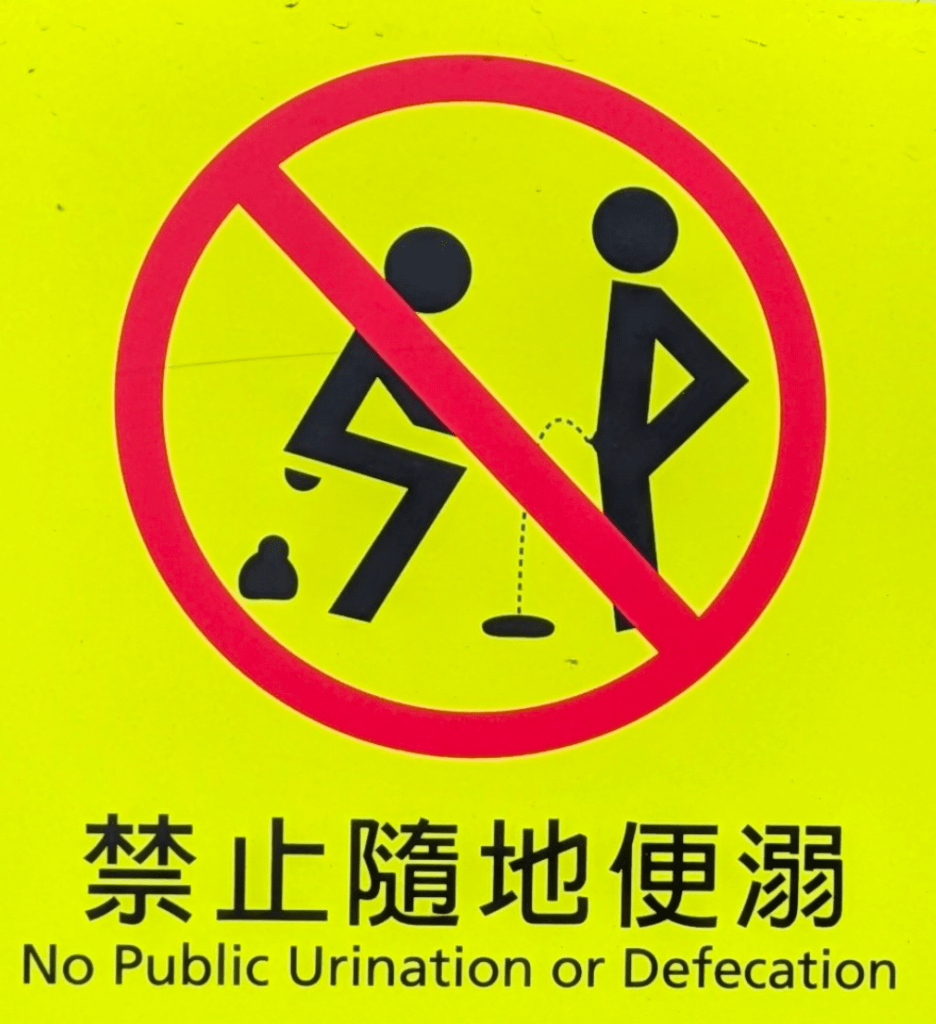
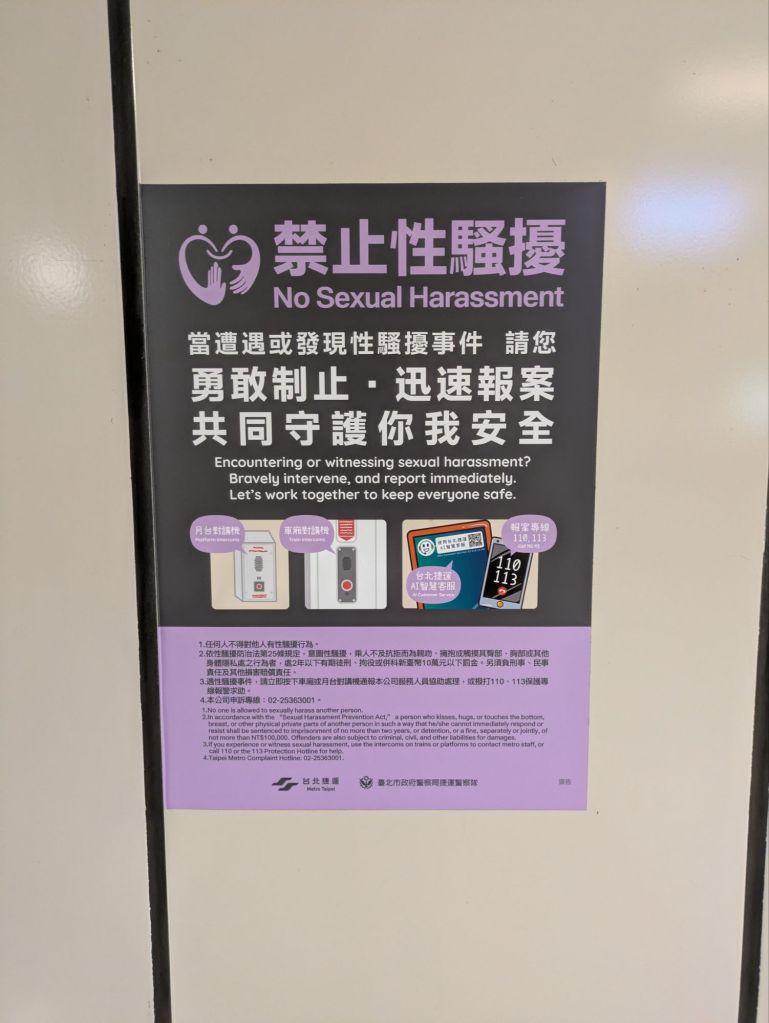
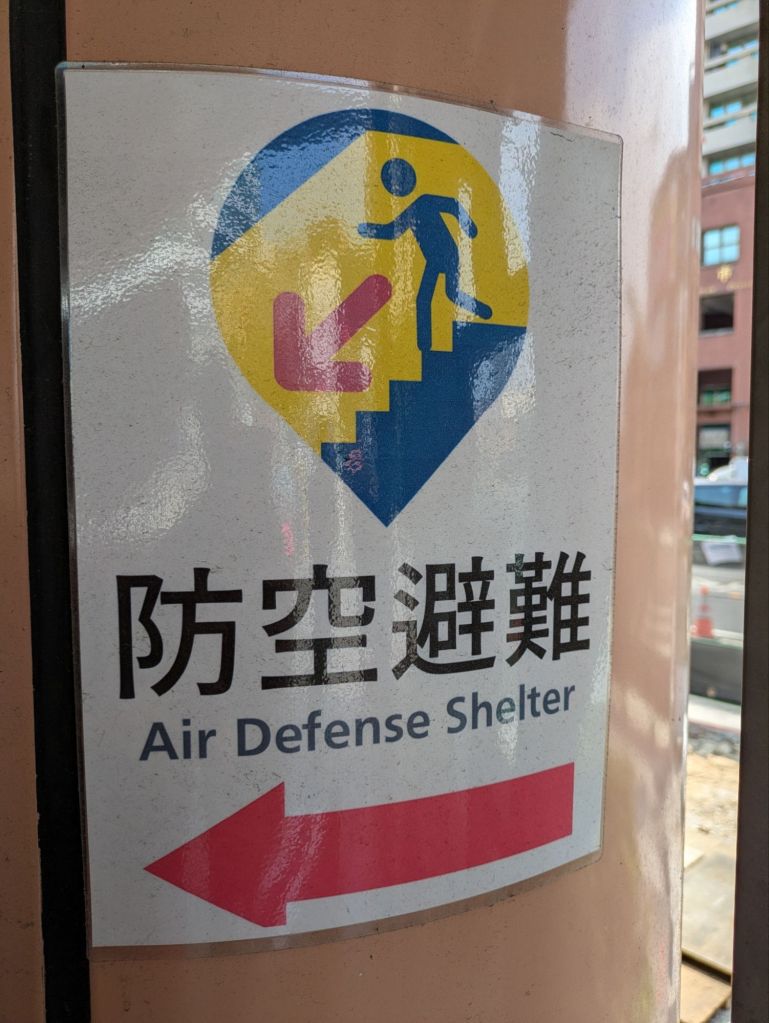
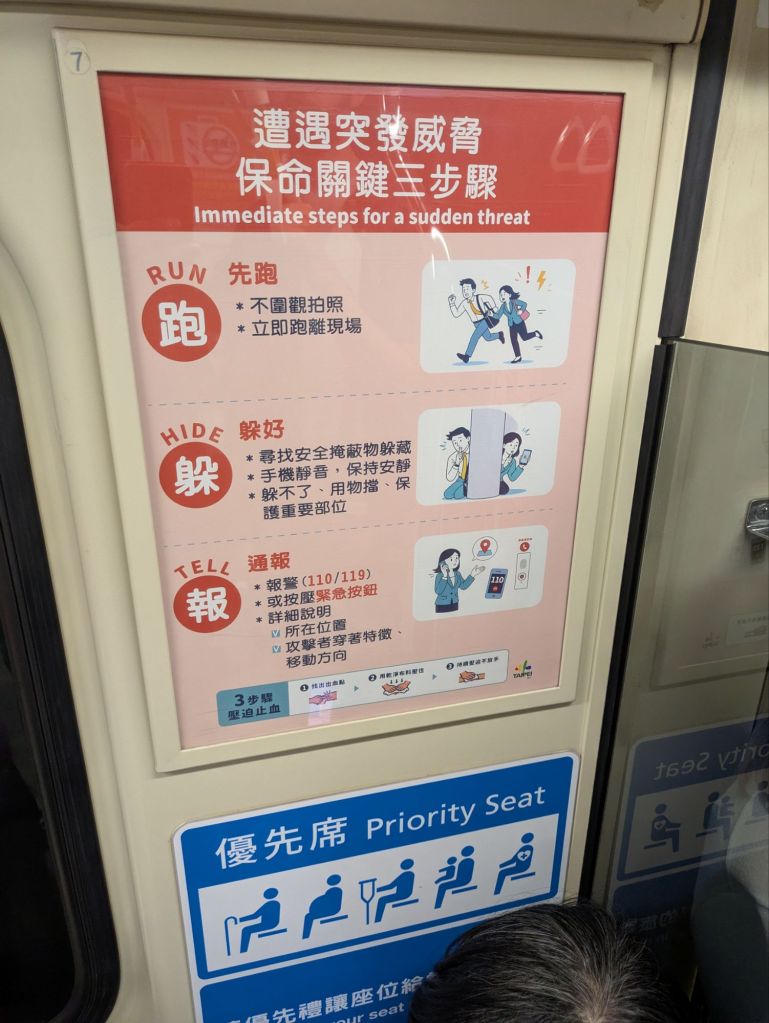
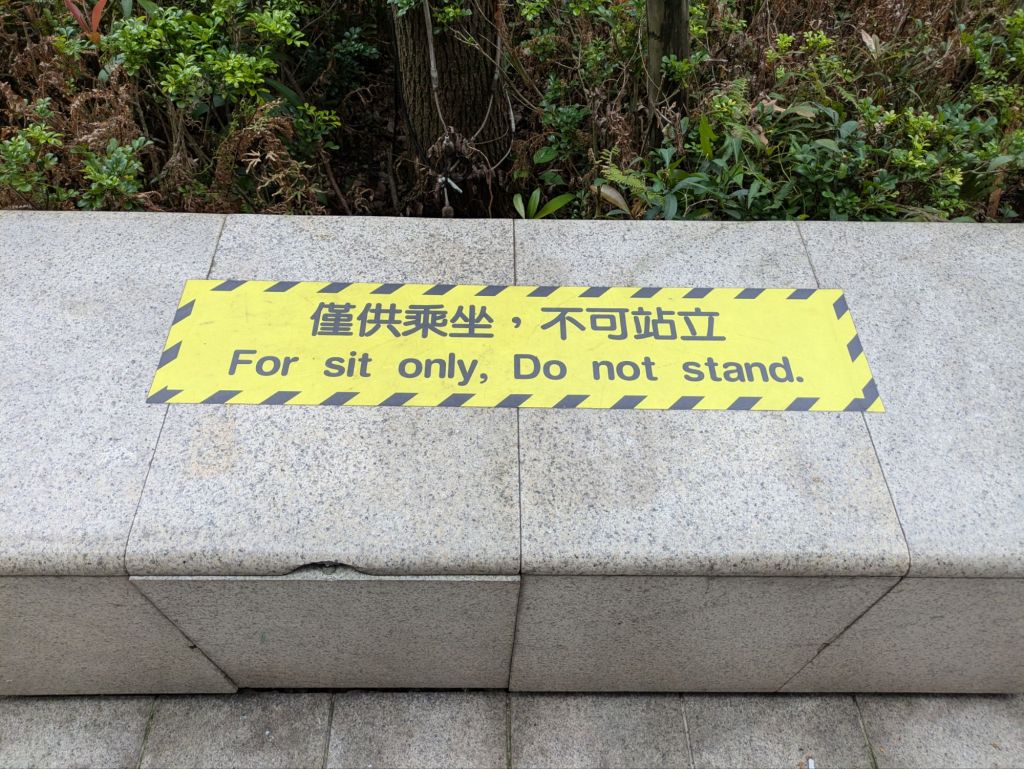
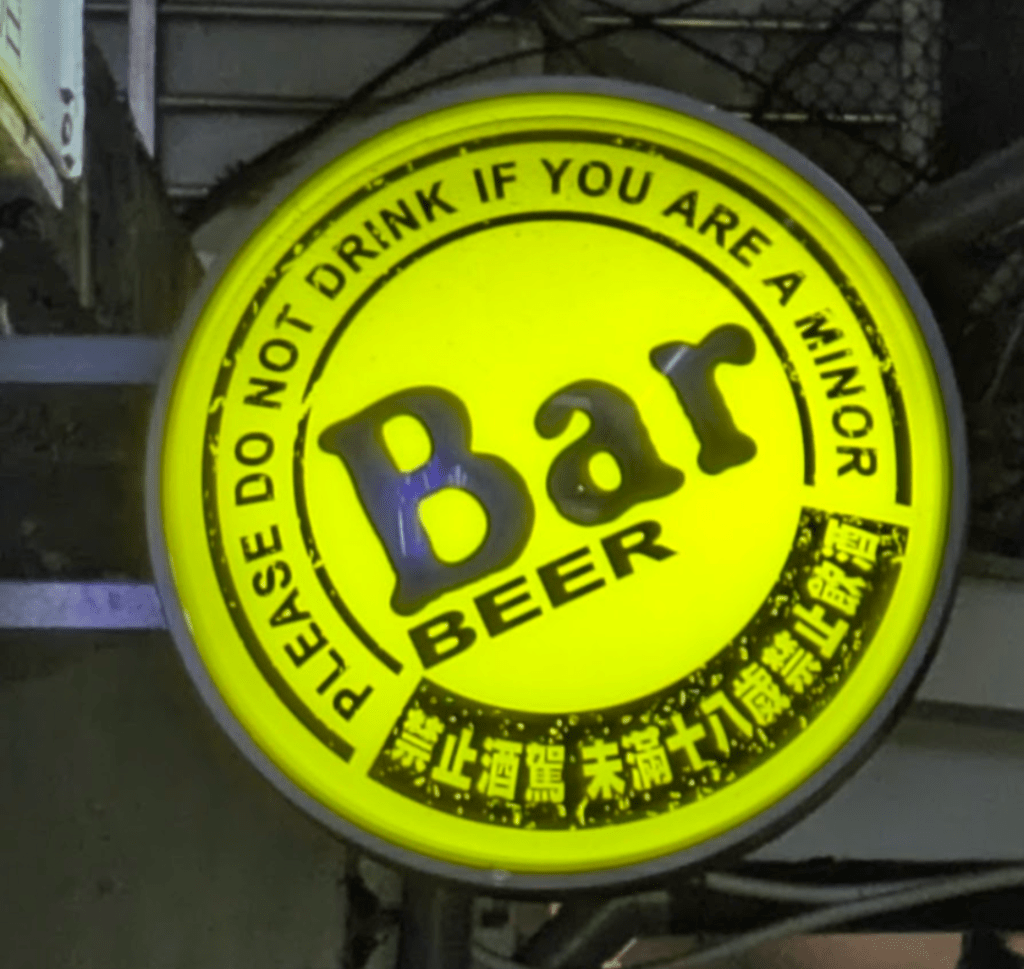
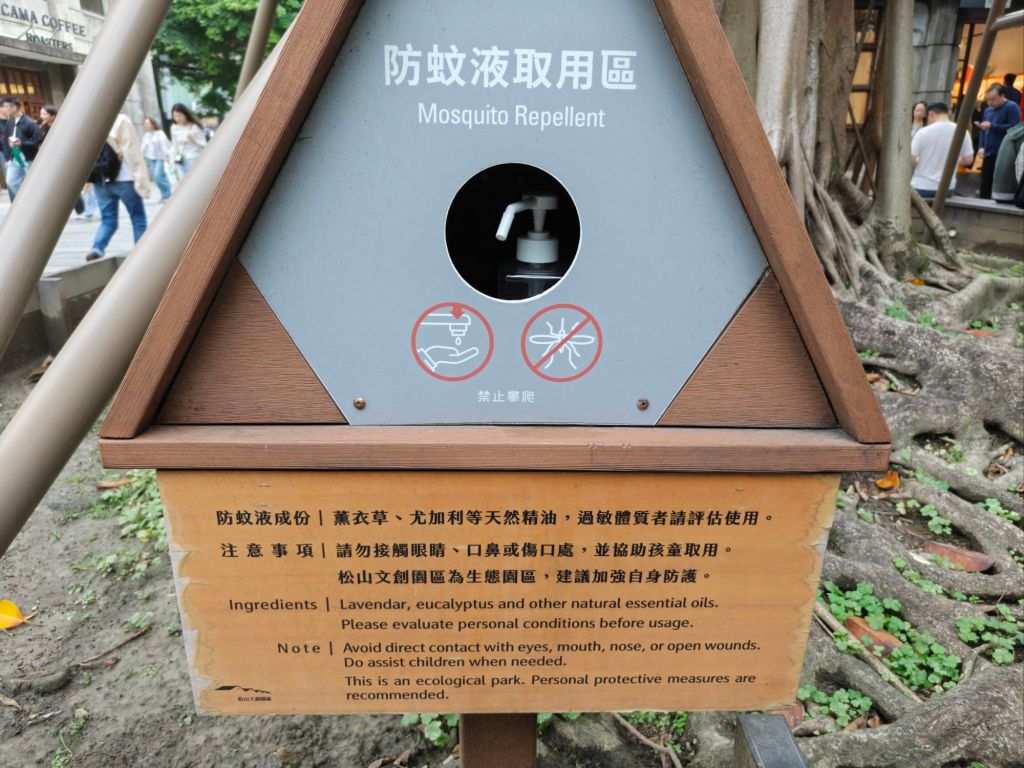

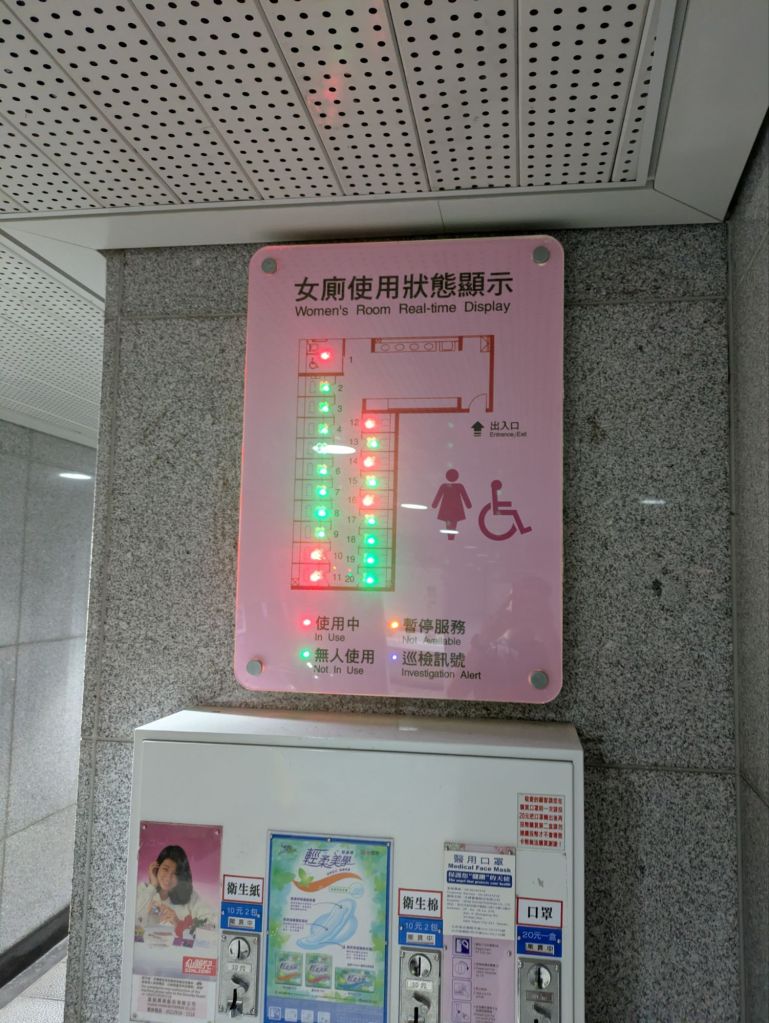
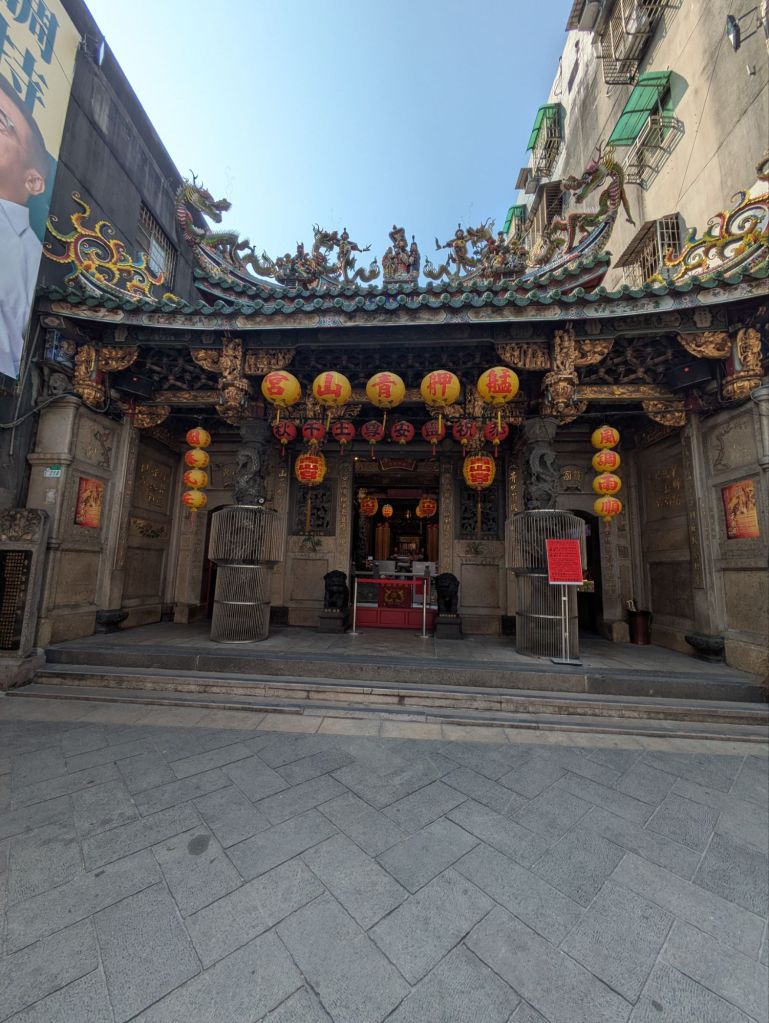
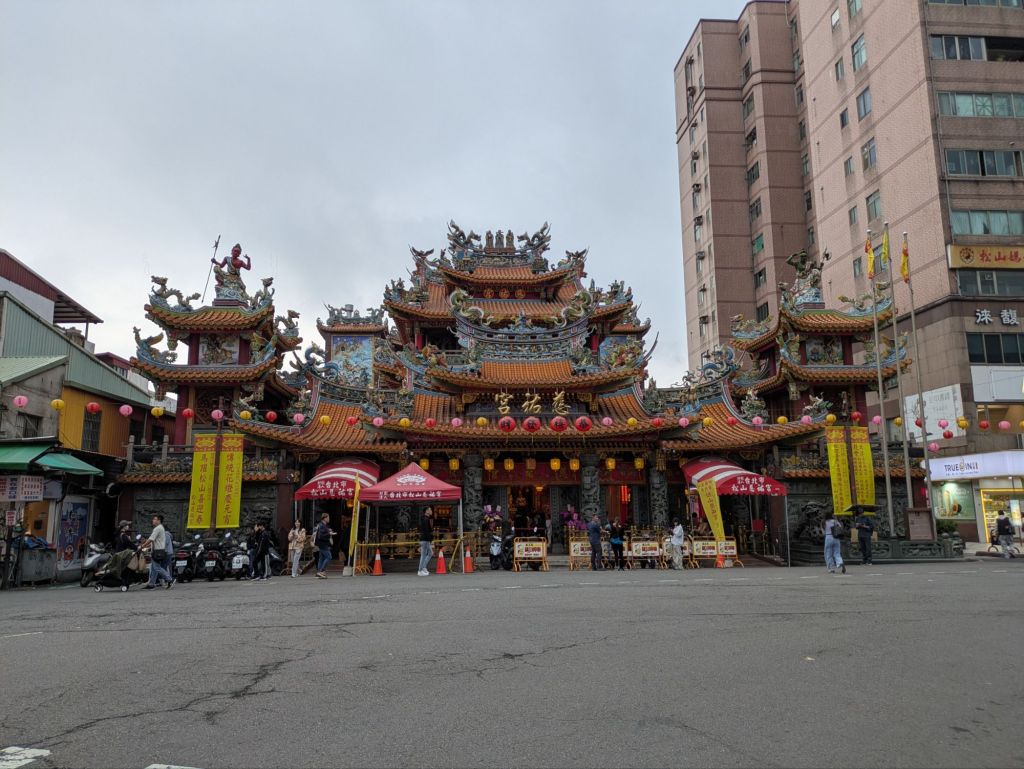
Another “sign” we encountered was a stone with a Taoist principle inscribed thereon. Taoism is big in Taiwan, though many temples blend both Taoism and Buddhism. The stone’s words seem especially relevant nowadays:
In a confused world, people fight for power with all means. In a chaotic society, people struggle for fame and fortune with no end. What a pity that they do not realize that the Tao tolerates no excess. Those in power may suddenly encounter extreme adversities. Those in good fortune may lose everything in a blink. It is therefore better not to fight at all than to struggle with all might. As the Tao master says, “It is in not fighting for anything that one ensures that nothing will fight against him.” The Tao teaches the way to make peace with one’s inner self. In that state, one may expand beyond external boundaries freely without any conflict with the heaven, the world, or other people. He will then experience contentment, longevity, and eternal bliss. The meaning of not fighting is so profound. It is the optimal way for us to bring peace to the world, enhance harmony in society, and maintain equilibrium in life.
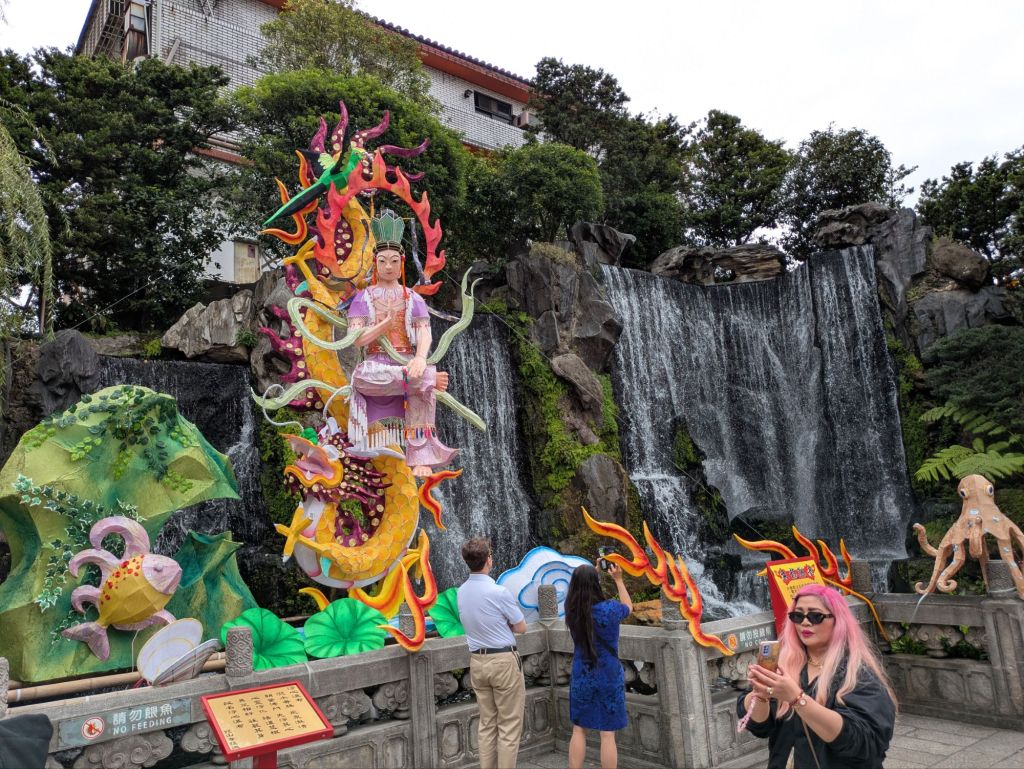
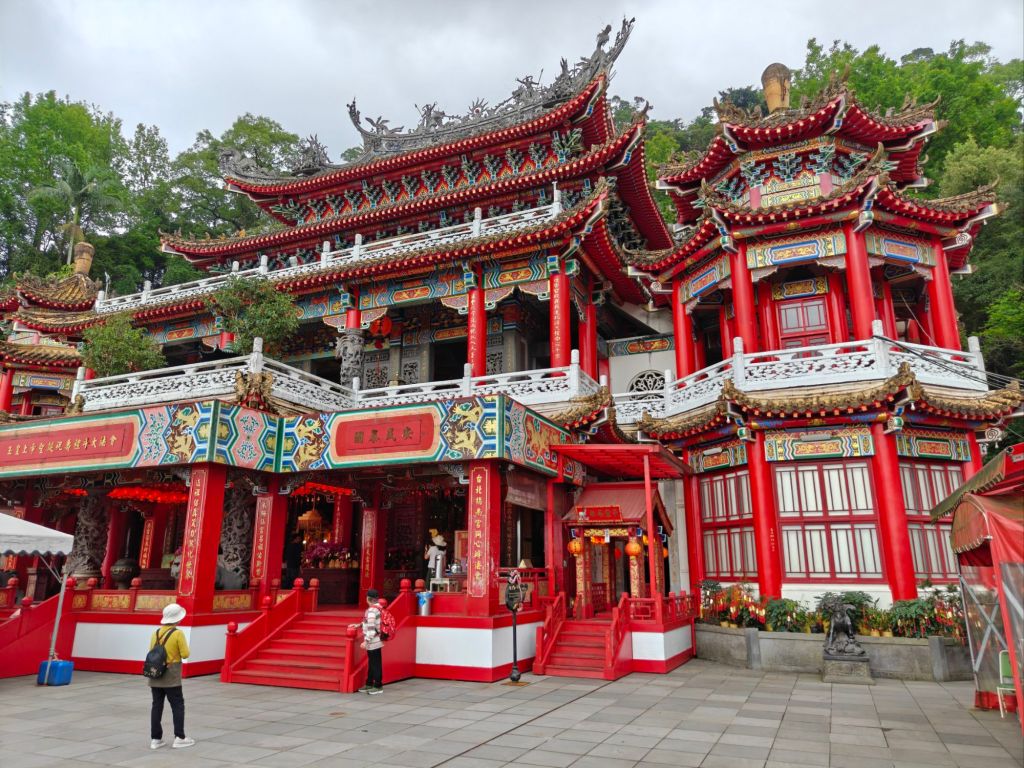
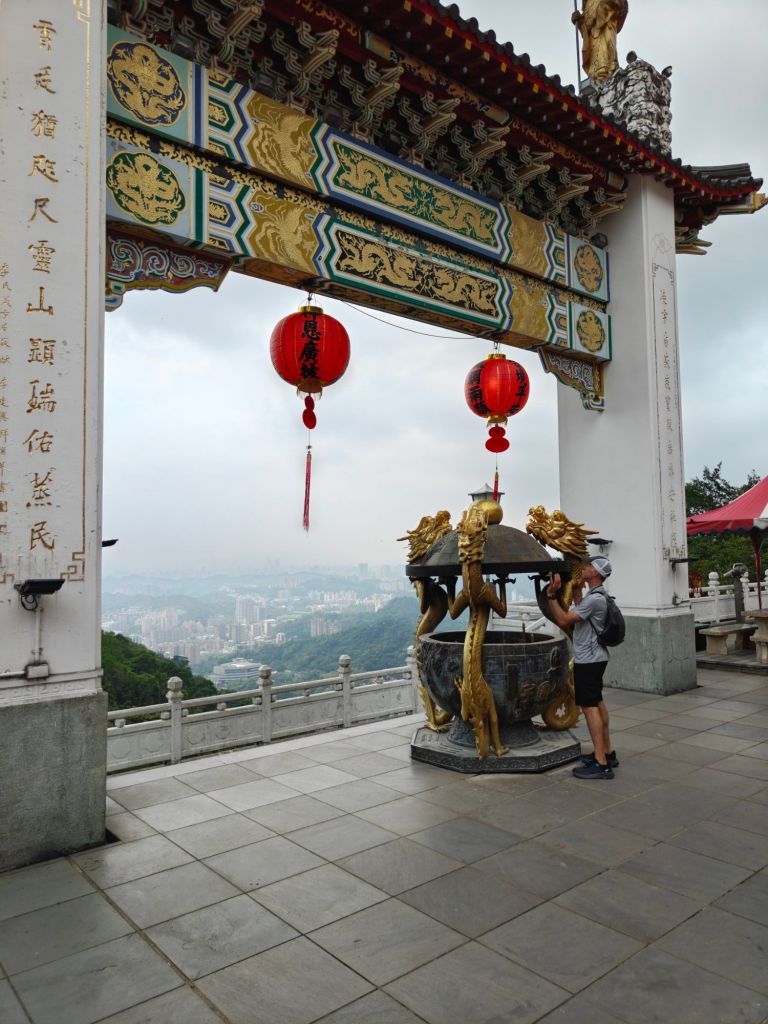
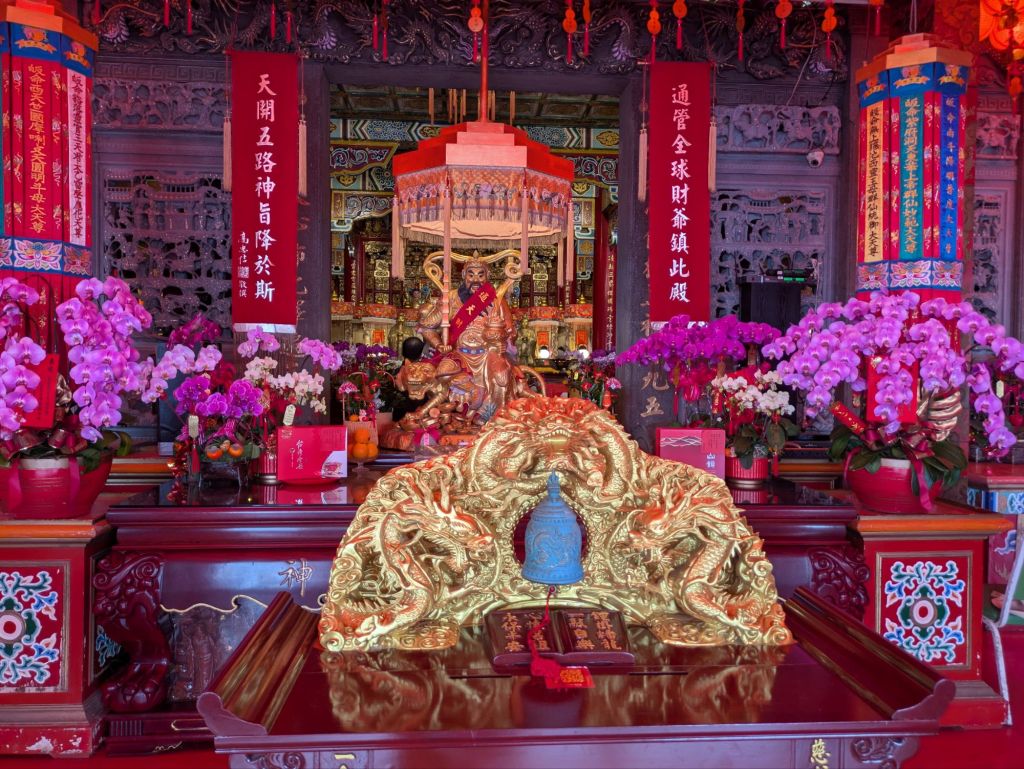
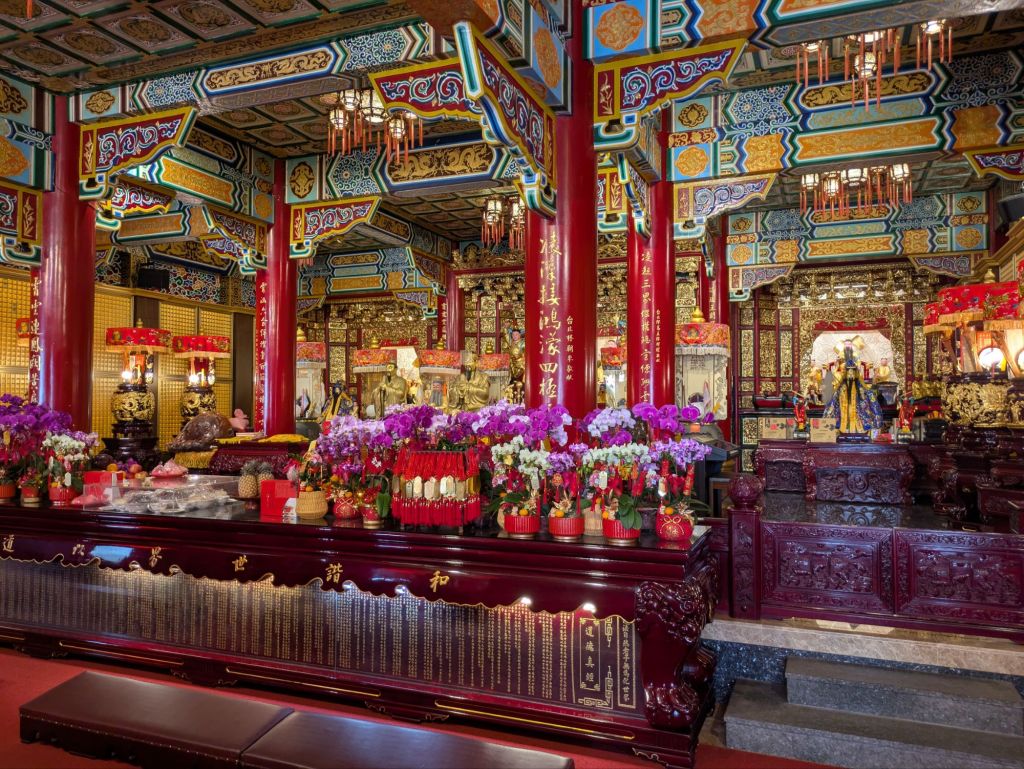
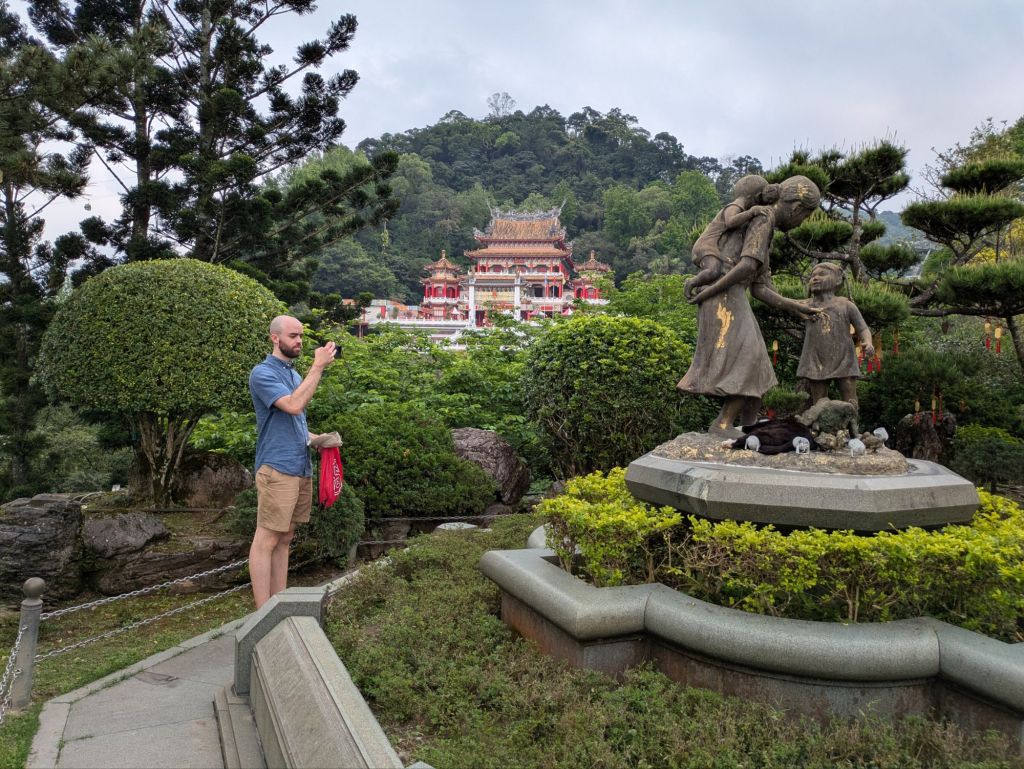
In my anecdotal experience, I found the Taiwanese to be kinder and gentler than what I envision as a stereotypical mainland Chinese person, despite the shared culture, history, genetics, and language. Perhaps the Taoism helps. And the lack of communism?
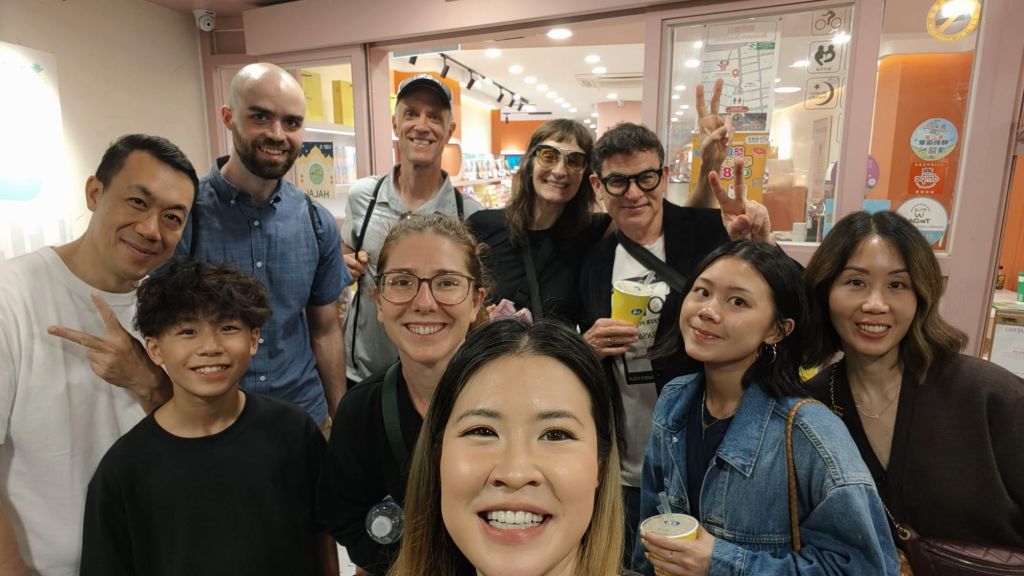
There were American tourists represented in Taipei, but often not as readily apparent because many have Taiwanese background. Our food tour guide grew up in the US, but traveled often to Taiwan to visit family. She moved to Taiwan a couple of years ago, and now seems quite content to be living there. We ran across many mixed race couples as well, and Taiwan was the first country in Asia to legalize same-sex marriage. It’s a surprisingly progressive place. On a city walking tour I took before Ben arrived, there was a large group of mostly Asian-looking ladies, but I heard them speaking what sounded like North American English. I inquired, and coincidentally it turned out that they were all graduates from Wake Forest University in North Carolina! They meet each year to travel together, and this year was Taiwan. Small world.
That’s about it for this post, but there’s so much more to say about the Taiwanese experience, so this is the first of two Taiwan posts — the second will cover buildings, business, culture, and more history.
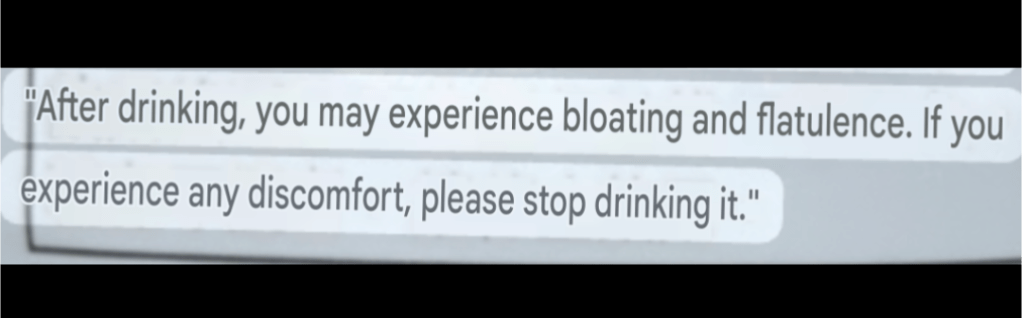
Today’s funny image:
Google Translate feedback for a tea bottle label, captured after I had already drunk the entire bottle’s contents!:
Today’s music video:
Captured in Taipei, albeit without music! Perhaps the creation of an advertisement?
Today’s Stoic quote:
A more modern and humorous source — from George Carlin: “Don’t sweat petty things, and don’t pet sweaty things.”


Ahhh, Scott….so nice to see your post. Not as good as hearing your stories on the trail, though. I’m so glad that you got this Ben Time! I always appreciate your sharing of what you’ve learned, and your insight on quirky landmarks. I’m in Cuzco, Peru and just had five fantastic days w some of your pals! Joe
Good to hear from you, Joe. I hope your trip continues to be loads of fun! Oh, you met up with the Ashe-villains, eh? Great idea, since you were already in the neighborhood! I’m happy that went well. See you next month? Unless you’re still roaming around South America…