
I know many readers have been to Australia and/or New Zealand, and they are both rich in natural beauty and variety, unique animals, and engaging history. My visit to these remote locales was certainly too short, and I would very much like to return to each, preferably spending weeks there to be able to explore more extensively. I feel like we just scratched the surface. Admittedly these countries are relatively “easy” to get around given the cultural and linguistic overlaps with other British-originating lands like the US.
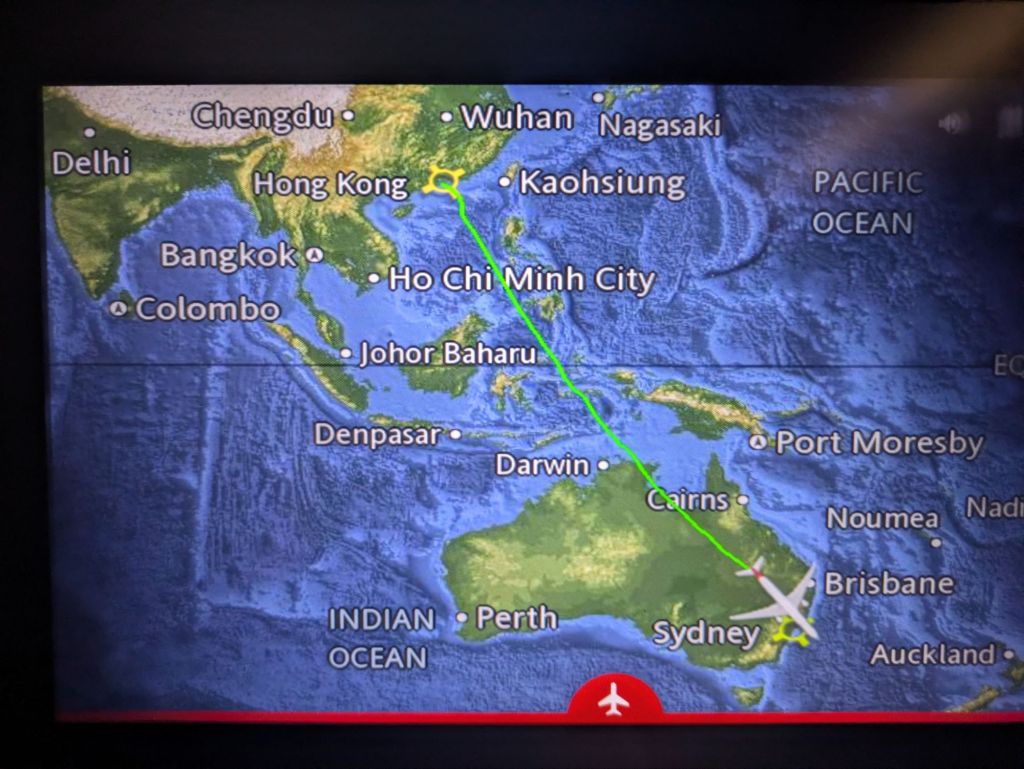
After saying goodbye to Ben and Katelyn in Hong Kong, I flew down to Sydney. One might think that Hong Kong is in the relative “neighborhood” of Australia, but it was still an overnight >9-hour flight!
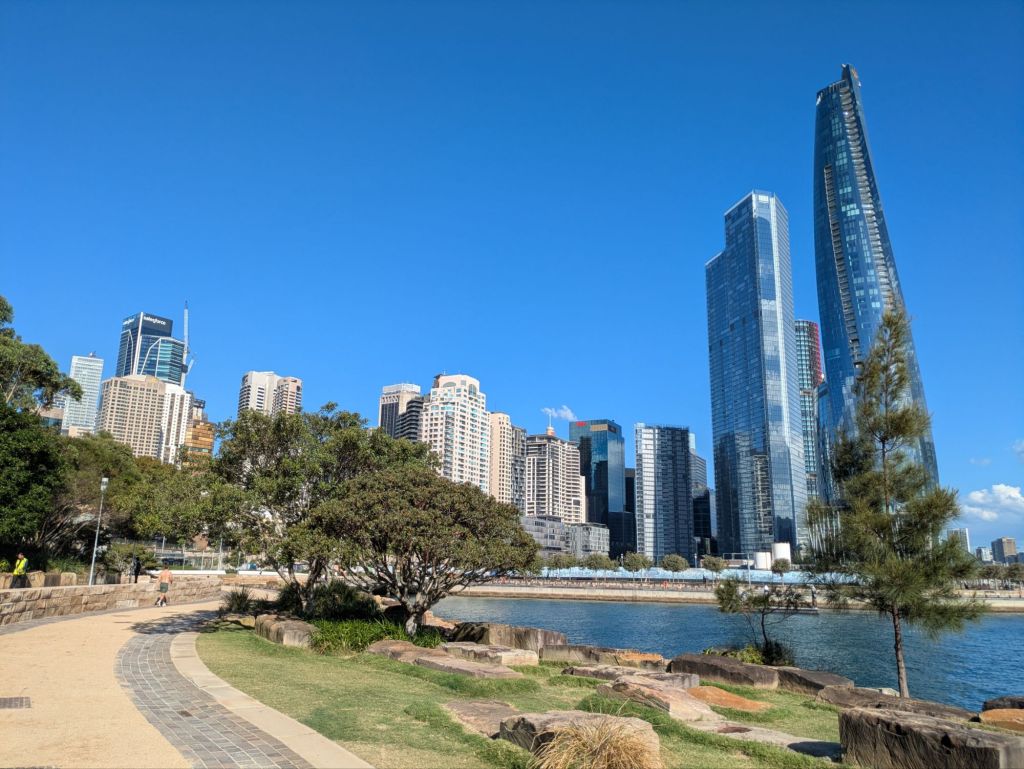
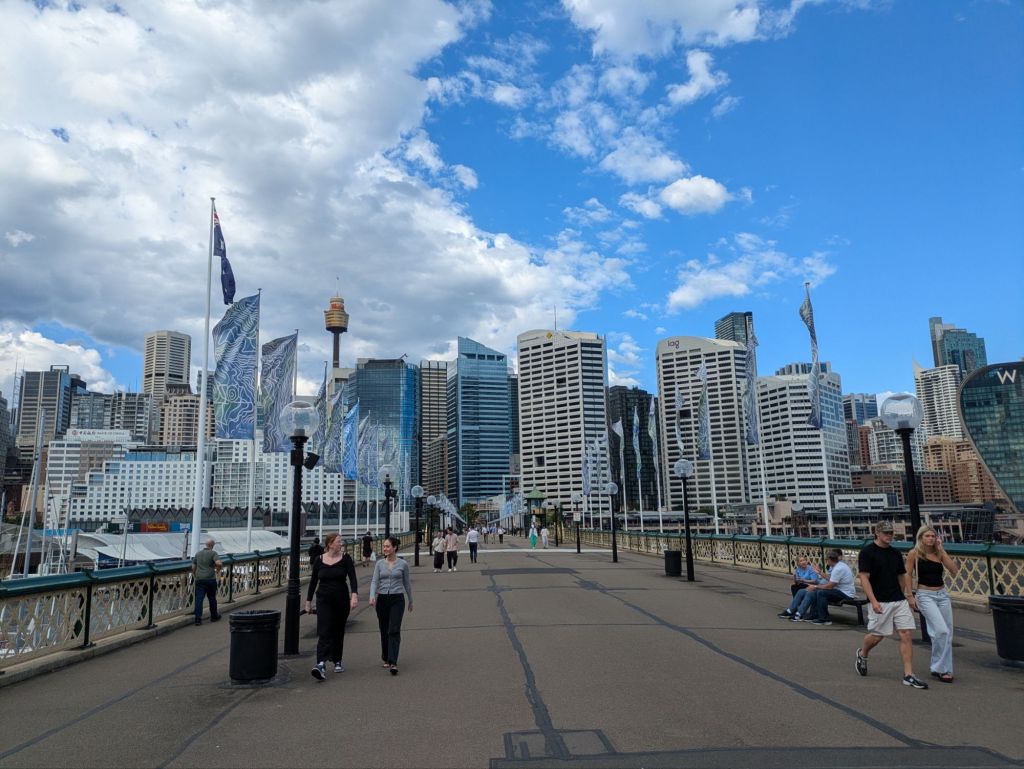
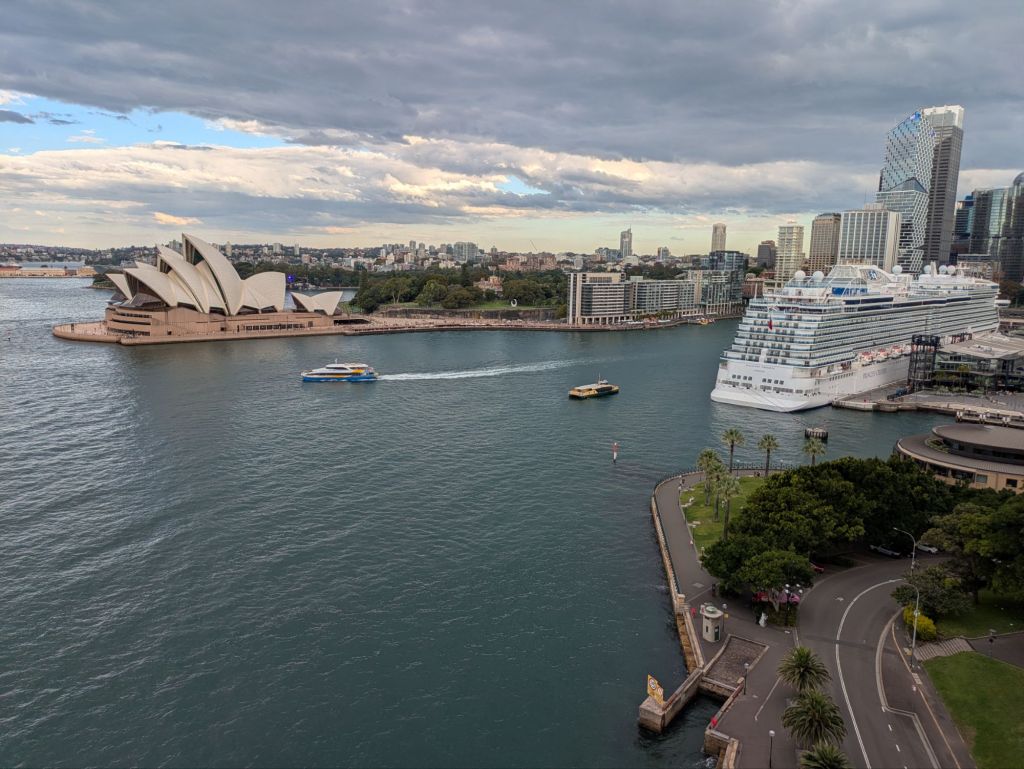
I met my father in the Sydney airport, to which he arrived from the US a little after my flight landed — we coordinated timing, and it worked. We spent a couple of days exploring Sydney, a stunningly beautiful and livable city.

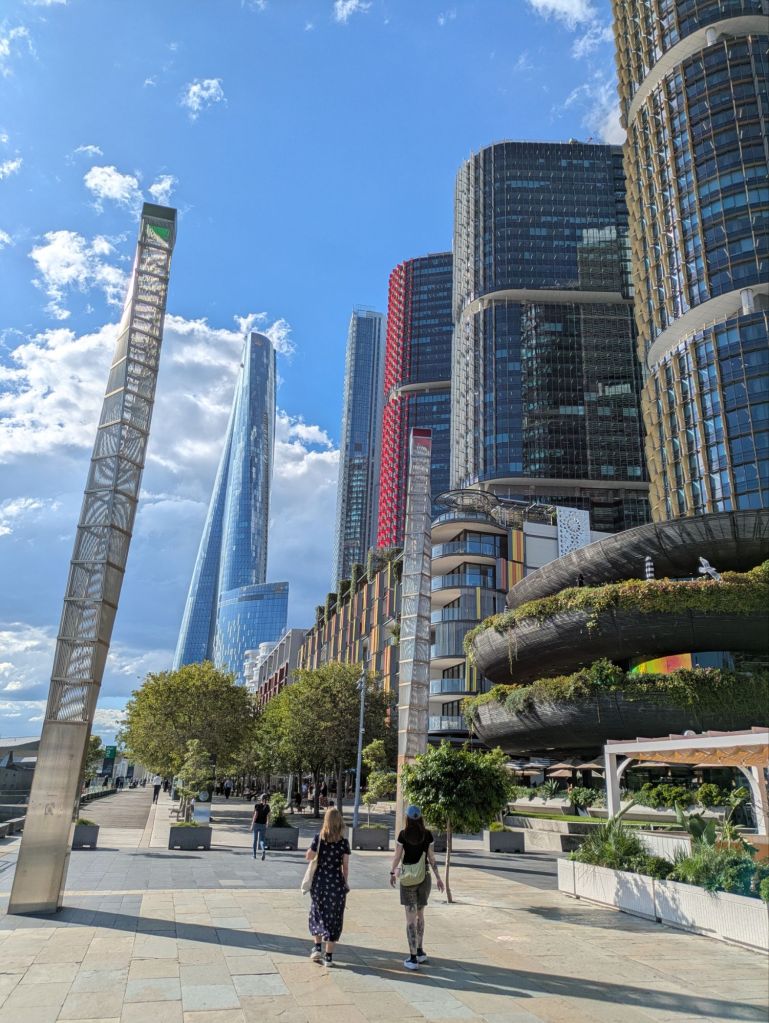
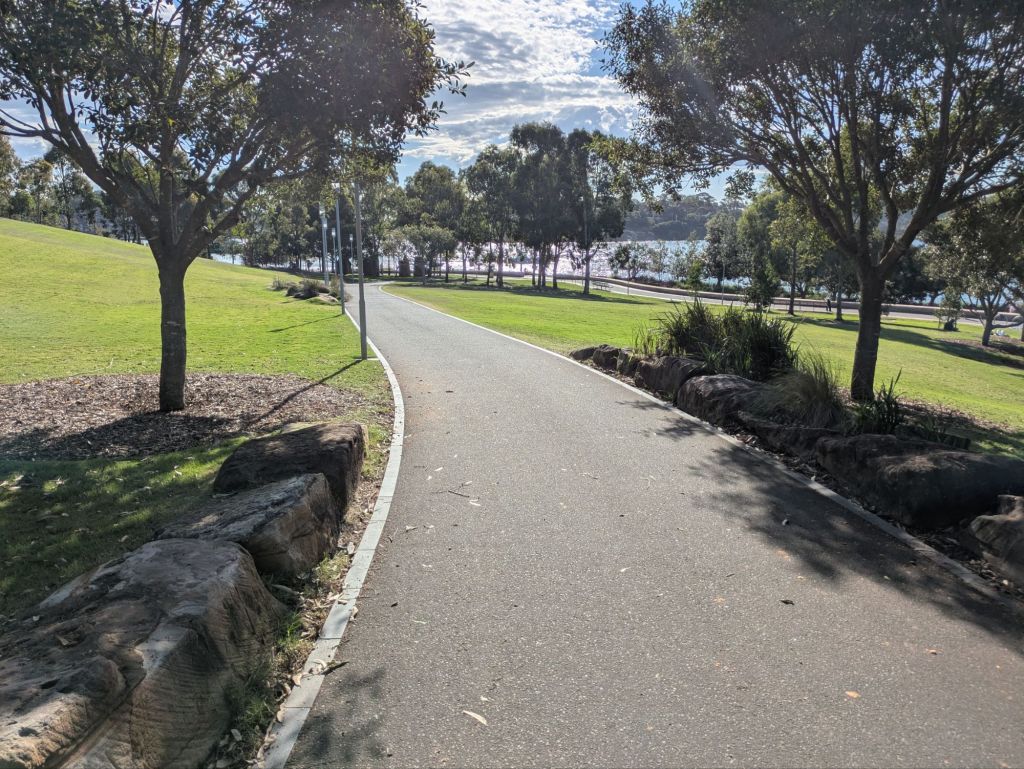
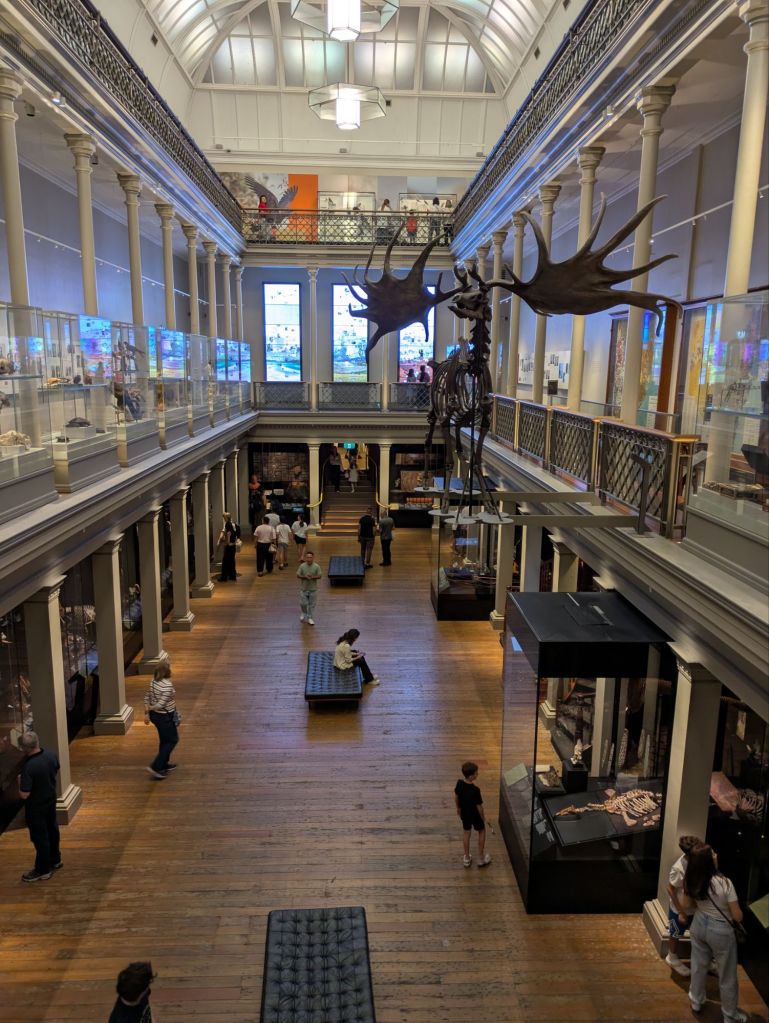
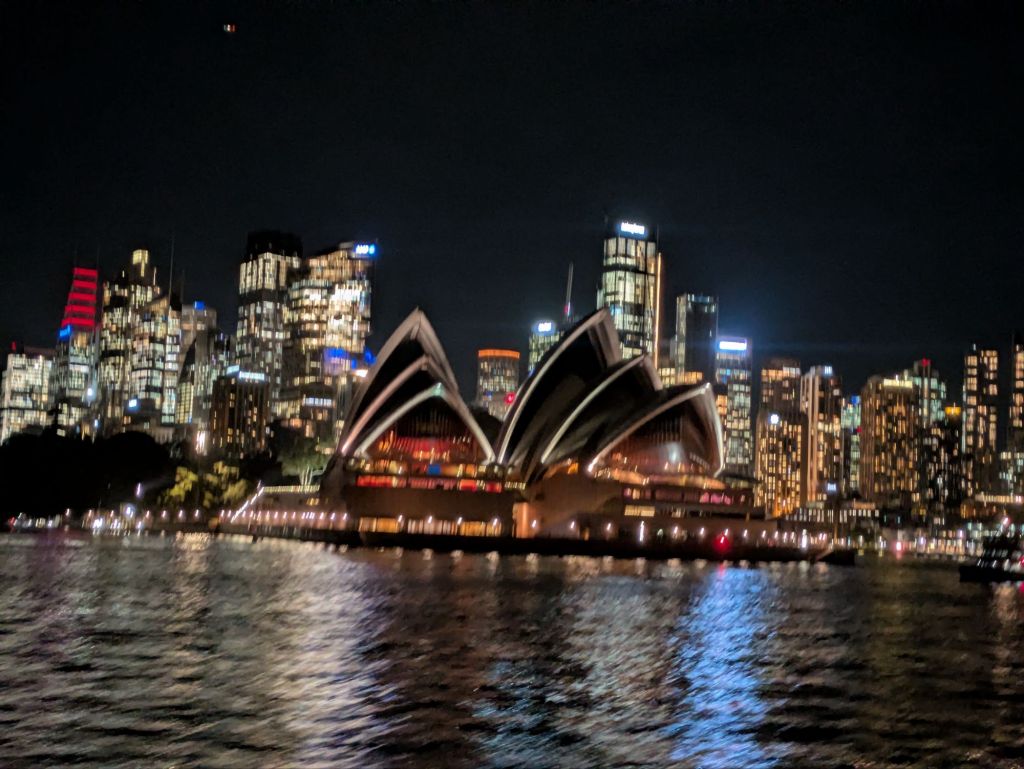
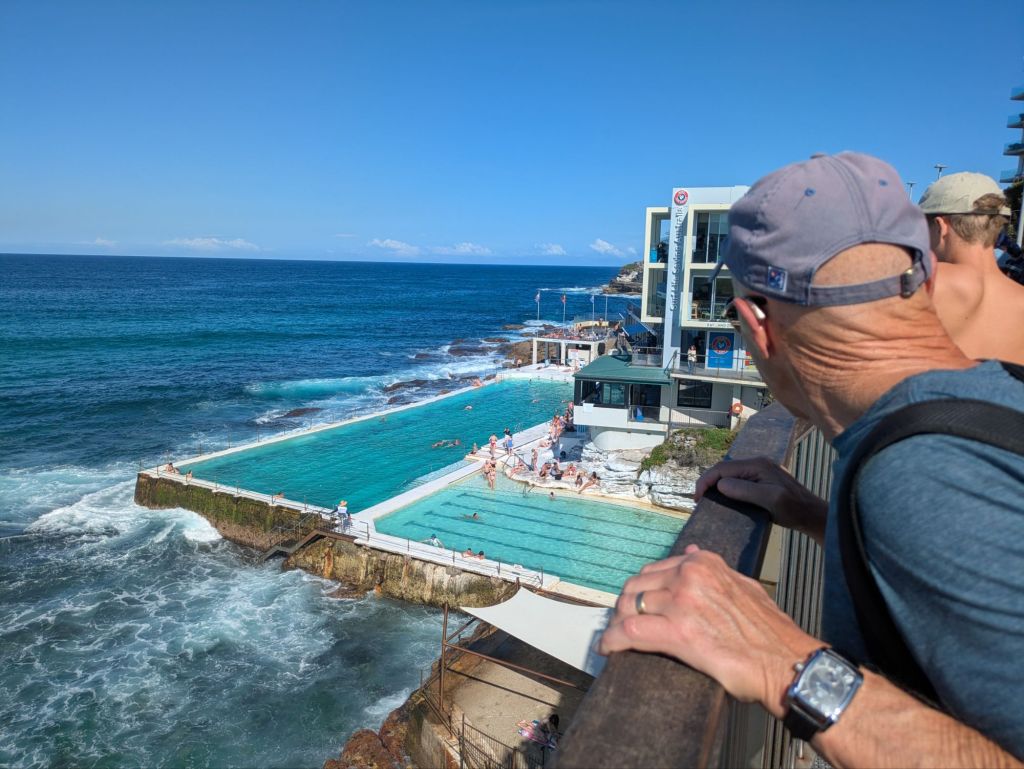
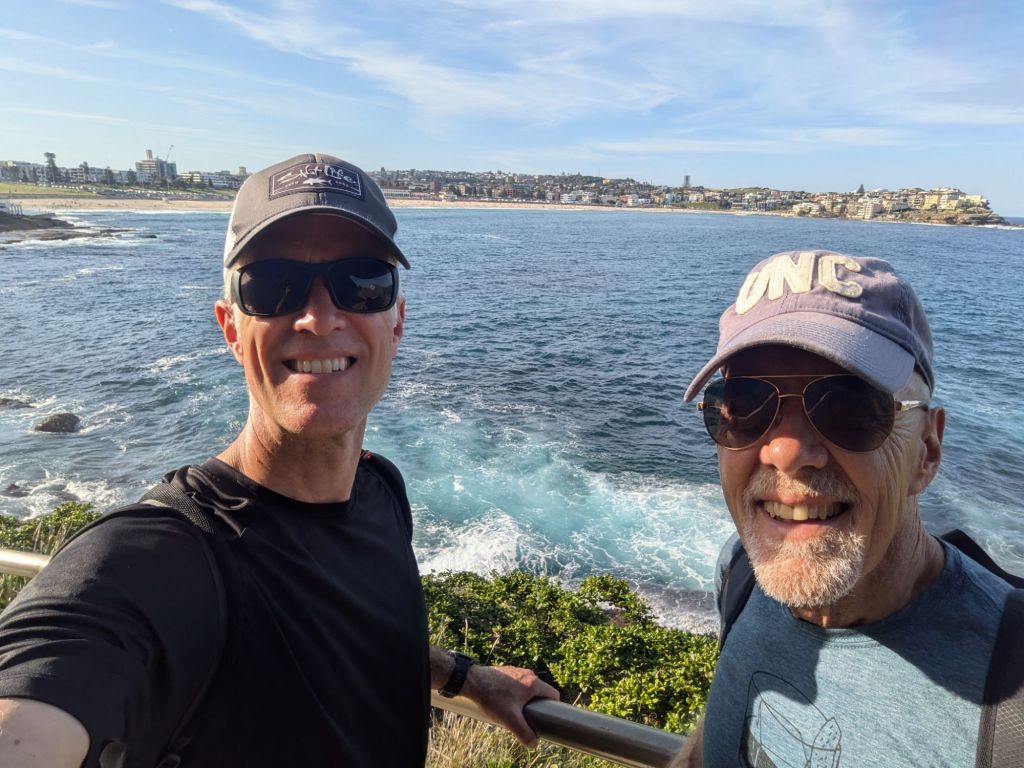
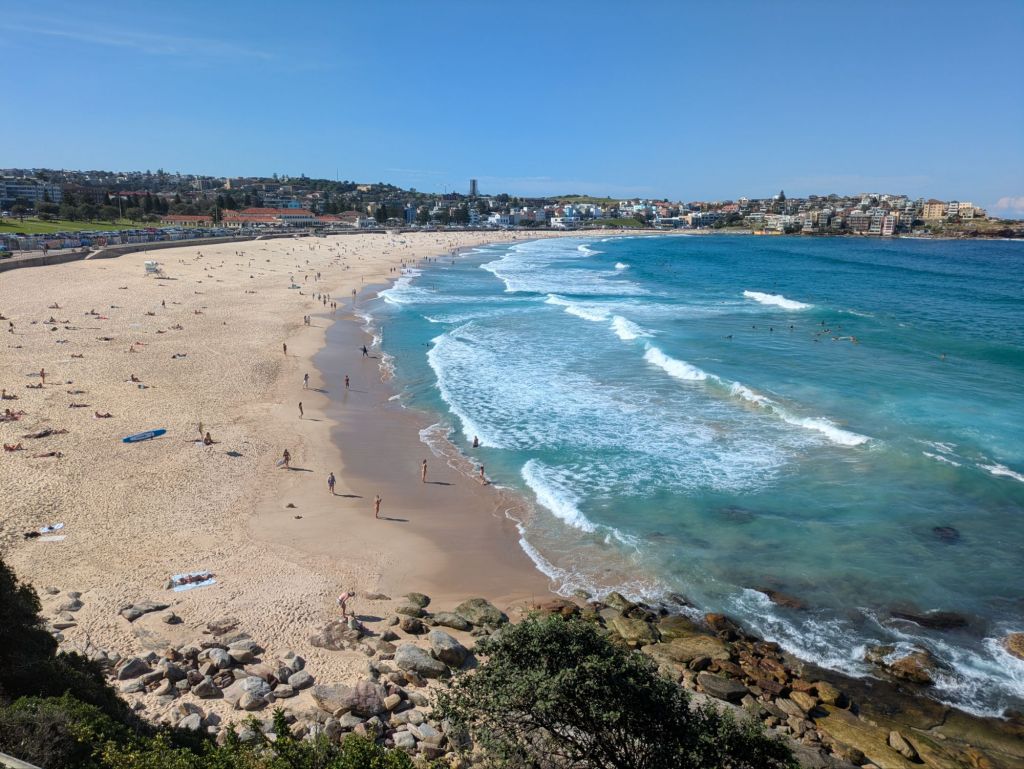
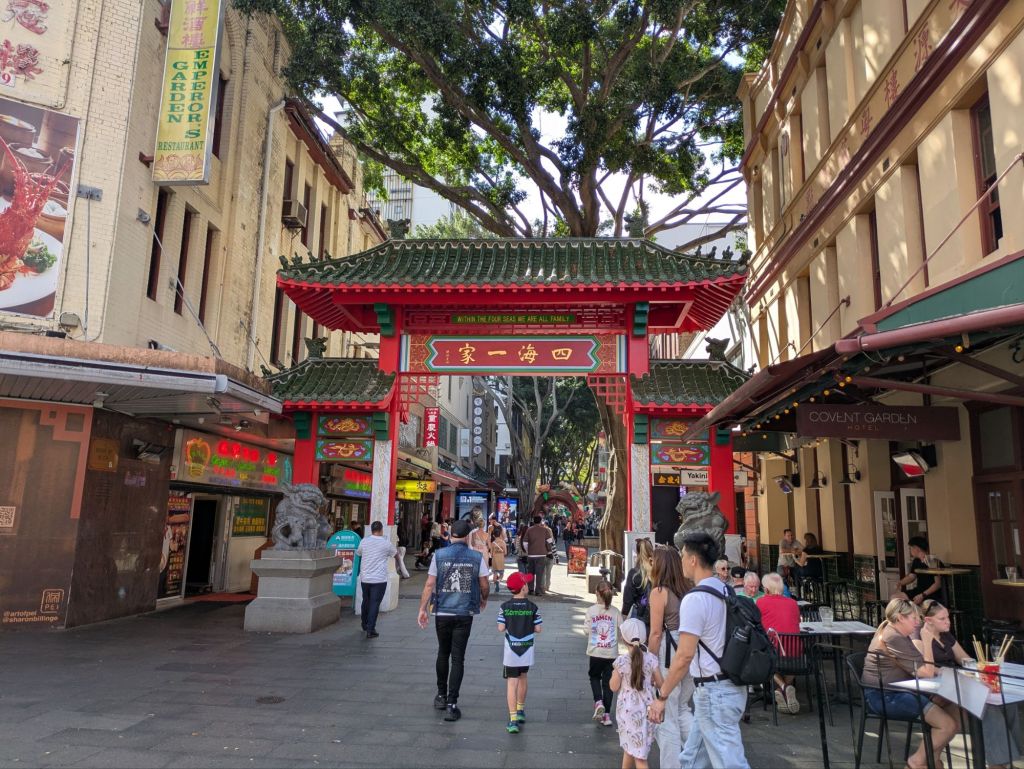
After having traveled around Taiwan and Hong Kong, I was surprised to find so much Asian influence in Sydney, with numerous and varied Asian restaurants and shops across the city, especially in Chinatown, where we stayed. But when one truly appreciates just how distant Australia is from everything except New Zealand and Asian countries, it makes sense that there are many people of Asian descent, along with Australians who have traveled the region and brought back desires to continue to have access to such delicious cuisines and excellent products!
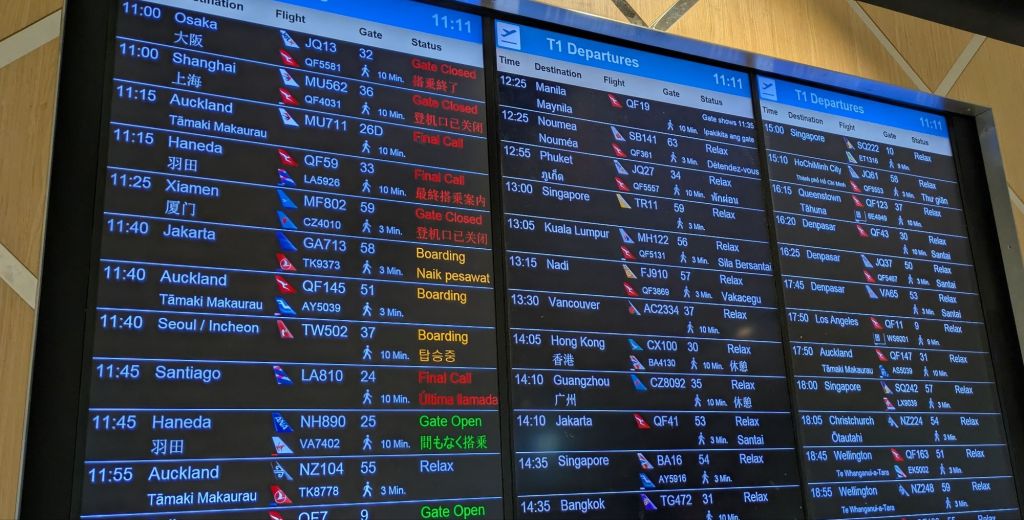
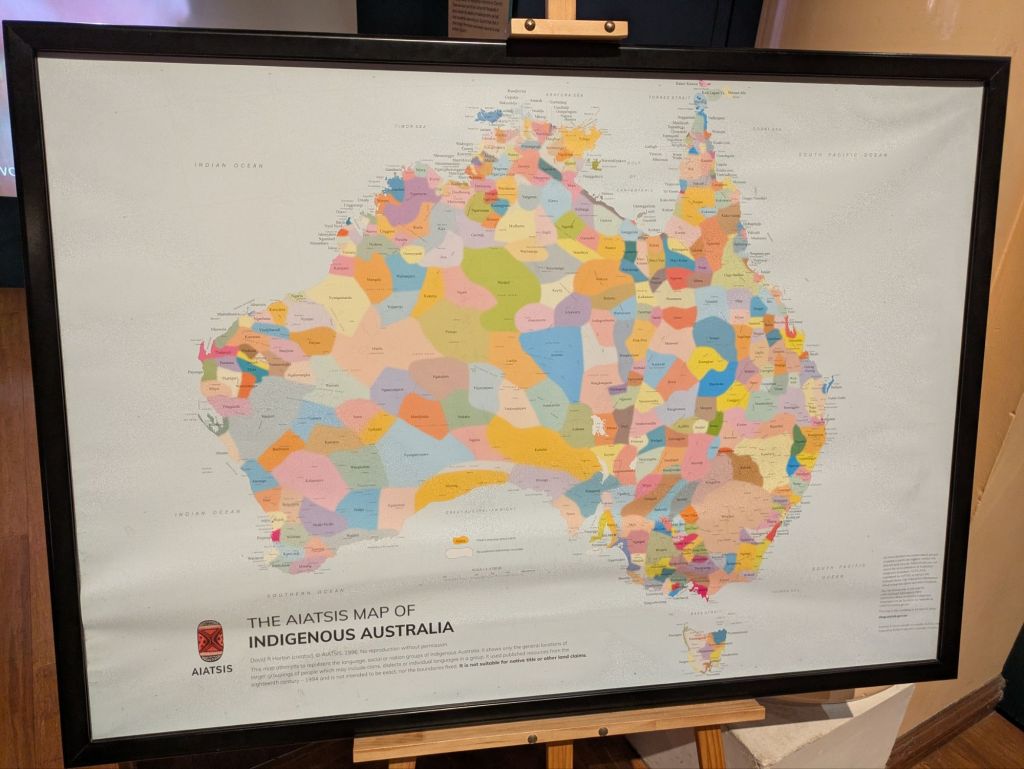
And anyway, the Aboriginal Australians are of Asian origin, and they arrived 50,000-60,000 years before Europeans eventually showed up! They are an indigenous people of diverse backgrounds, and there were literally hundreds of distinct social and linguistic groups spread across the entire land when Europeans arrived. The map below shows how it’s impossible to lump Aboriginal Australians together. There are today almost 1 million Aboriginal peoples in the country, under 4% of the total Australian population.
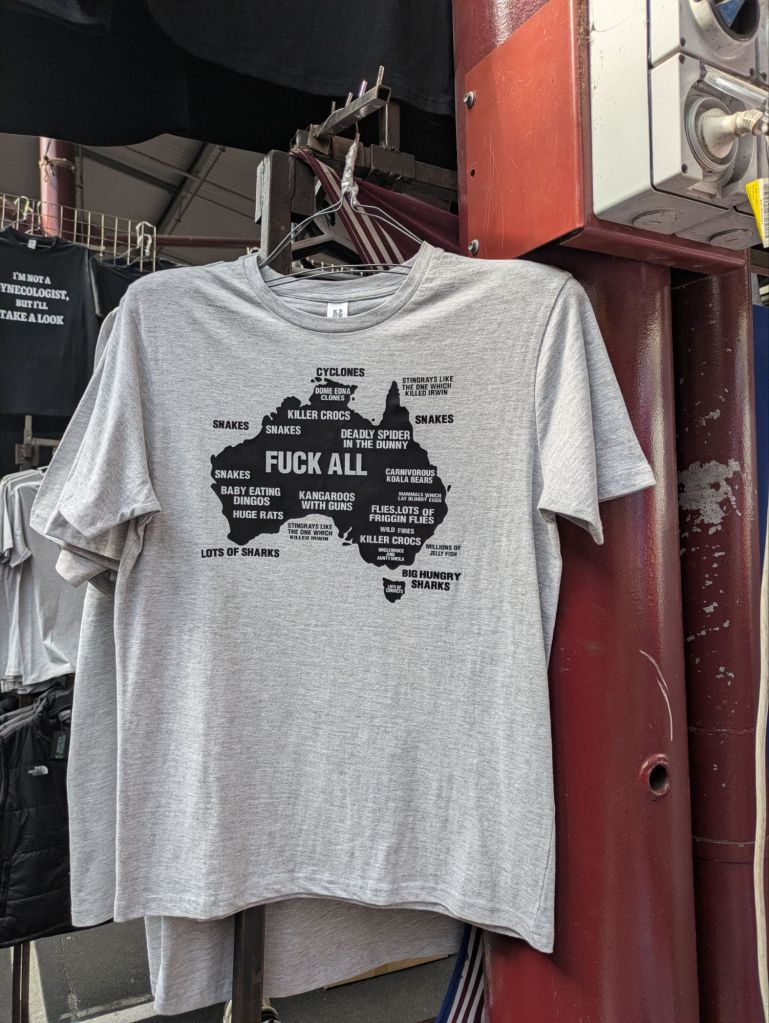
There were also numerous indigenous and unique animals upon European arrival, and despite the introduction of invasive and destructive European species, Australia continues to have a diverse collection of animals found nowhere else natively, like kangaroos, koalas, Tasmanian devils, and kookaburras. Kangaroos themselves have become problematic with their high populations, and in Singapore I met an Australian who has a vineyard which he struggles to maintain due to kangaroos eating his grapes. He told me he often has to “redneck” them. I asked if that meant to kill and eat them, and he confirmed that they have tasty organic meat.
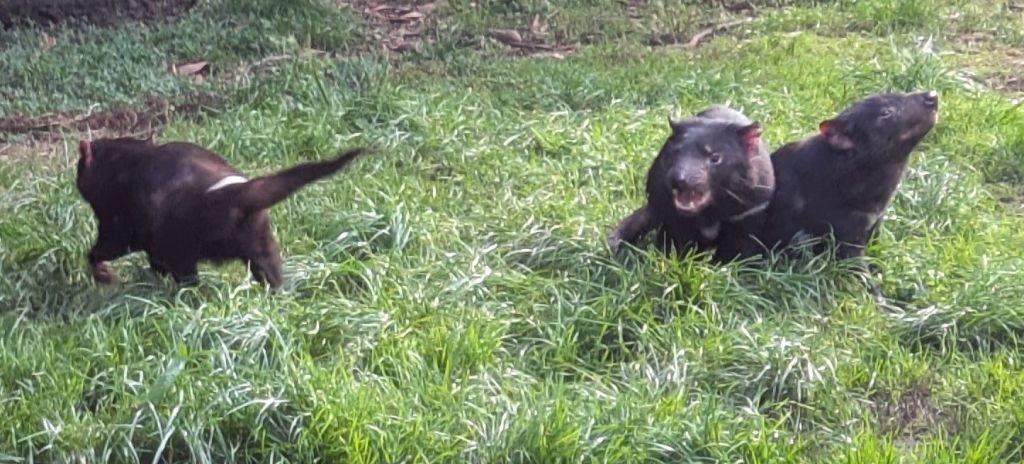
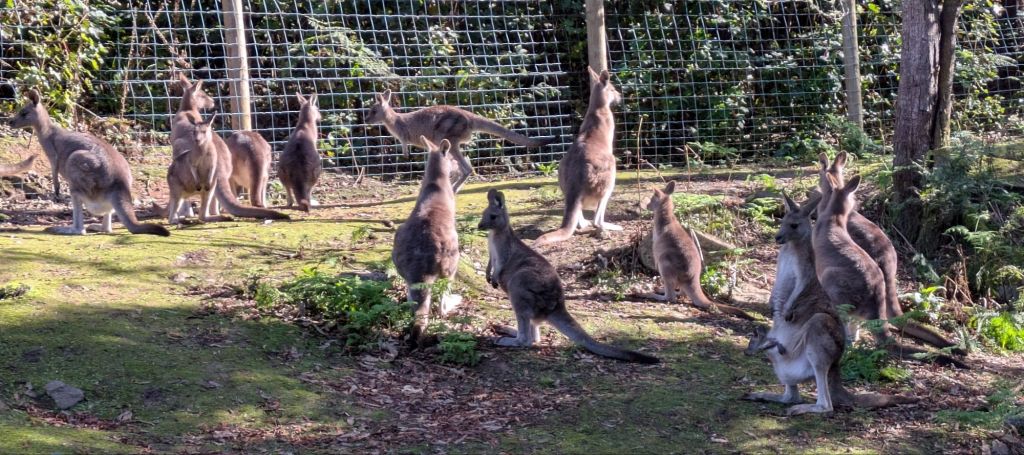
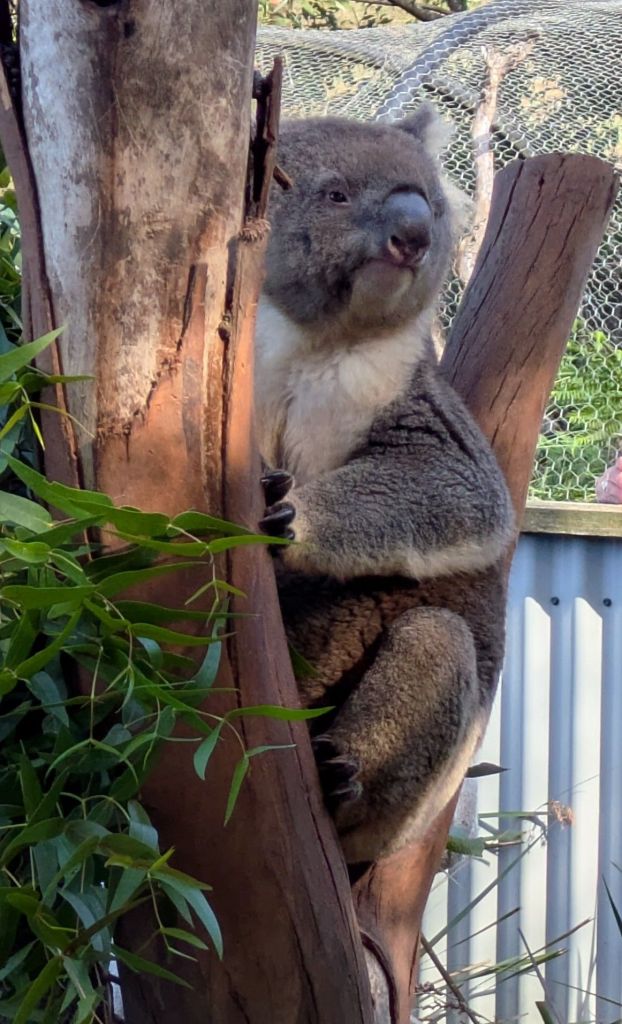
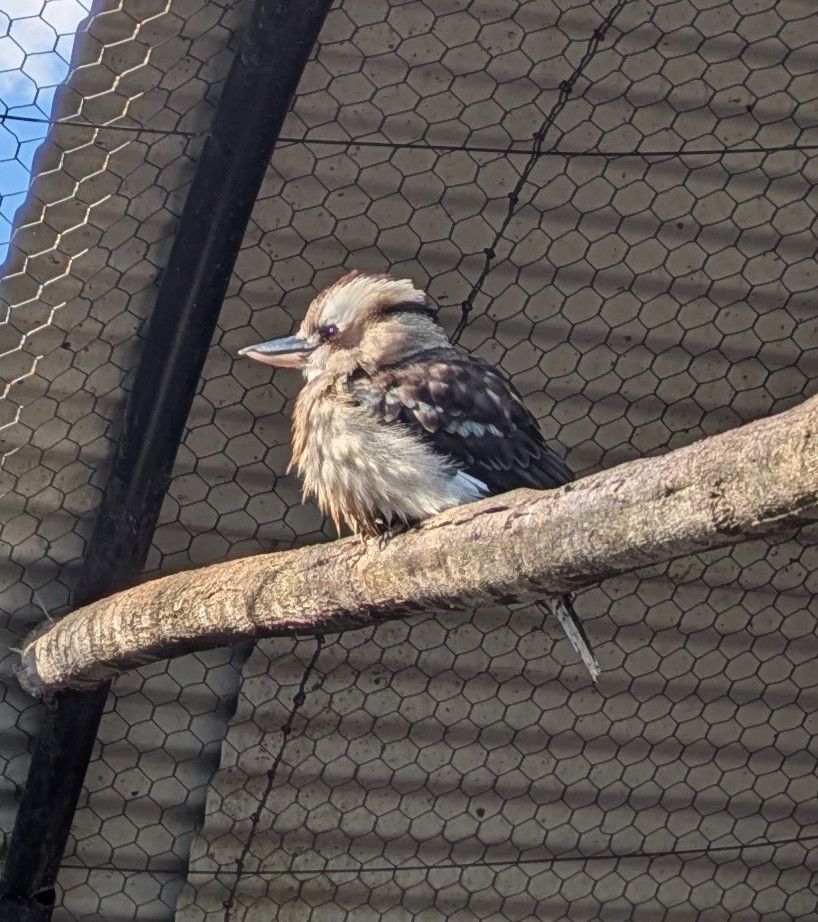
Here’s a link to a funny video collection of day-in-the-life animal encounters in Australia: https://youtube.com/shorts/QyQAM1D7Pq4. It’s age-restricted, so you have to open it in YouTube to watch.
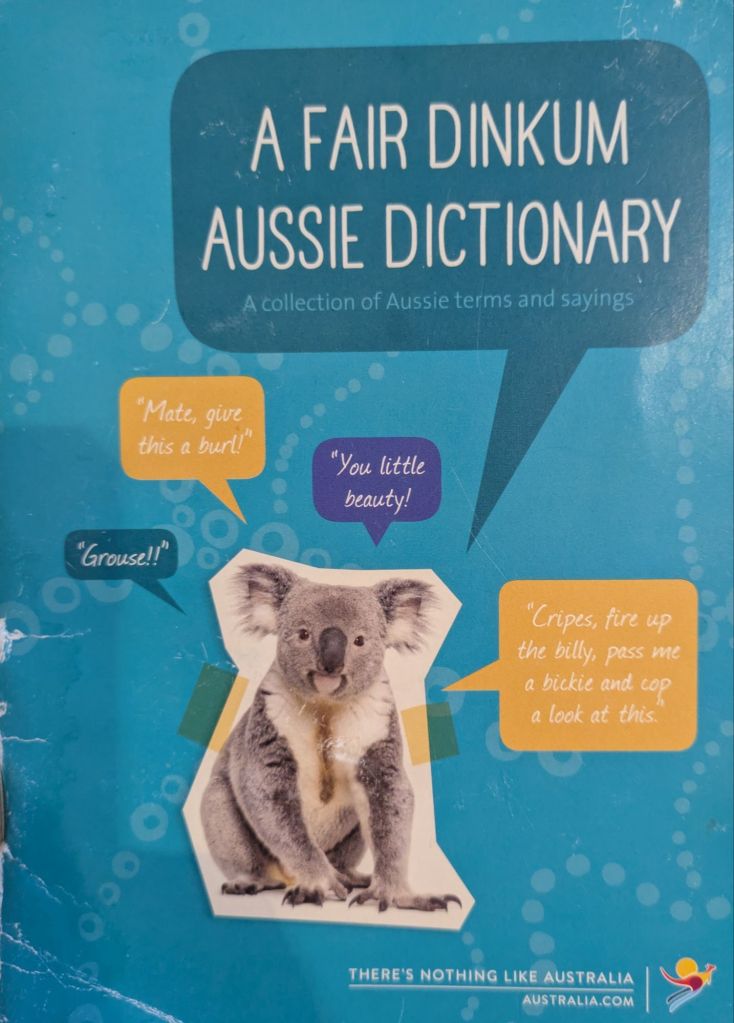
Not only are there many unique creatures in Australia, there are numerous Aussie words and expressions as well. You’ve likely heard “mate” (buddy) and “barbie” (barbeque), but I also learned that a “schooner” is a 15-oz glass of beer and that “bluey” is not just the famous animated children’s cartoon from Australia, but that it also means a bloke with red hair! And in addition to the traditional UK-based Taskmaster series that I watch, I also have viewed the Australian version, where I’ve learned that a “ute” is an SUV or pickup truck and that Ned Kelly, a notorious “bushranger” from the 1870s, is someone mentioned surprisingly often. I have a handy Australian dictionary that I received for free from the Australian embassy in DC during the Around the World Embassy Tour day in 2024. Side note: this is a wonderful event hosted by various embassies annually!!
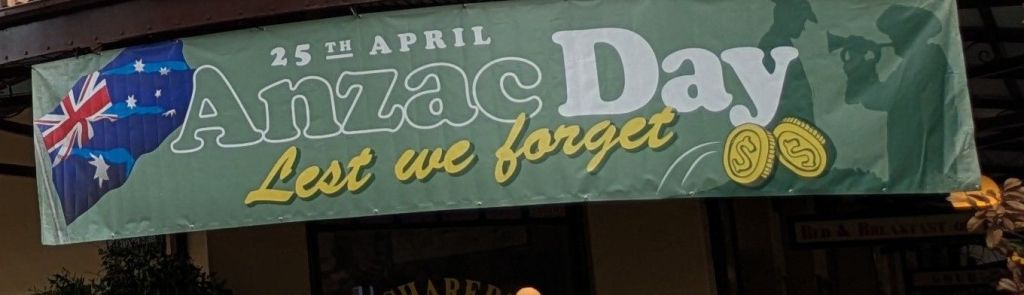
With any time spent in Australia or New Zealand, one quickly learns about ANZAC, the Australian and New Zealand Army Corps, for which it seems that every major city has a memorial, and for which there is Anzac Day, a major holiday in both countries. Anzac Day happened to be coming up not long after our time in these countries, and it marks the anniversary of the first campaign that led to major casualties for Australian and New Zealand forces during World War I. A conflict so far from home.
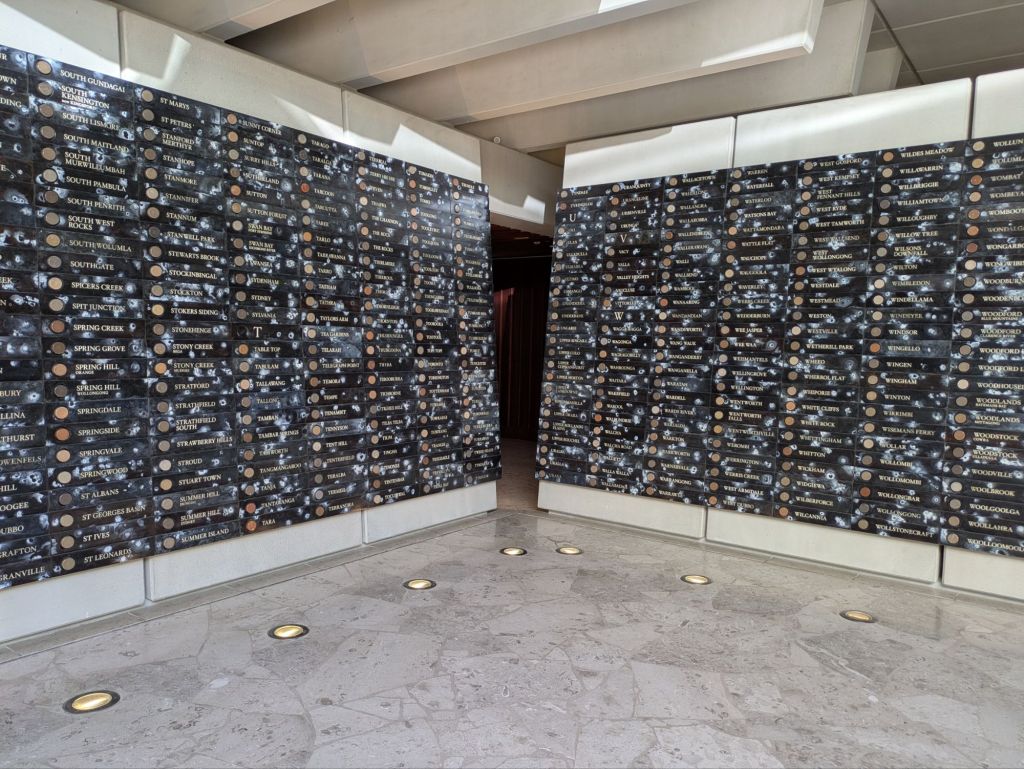
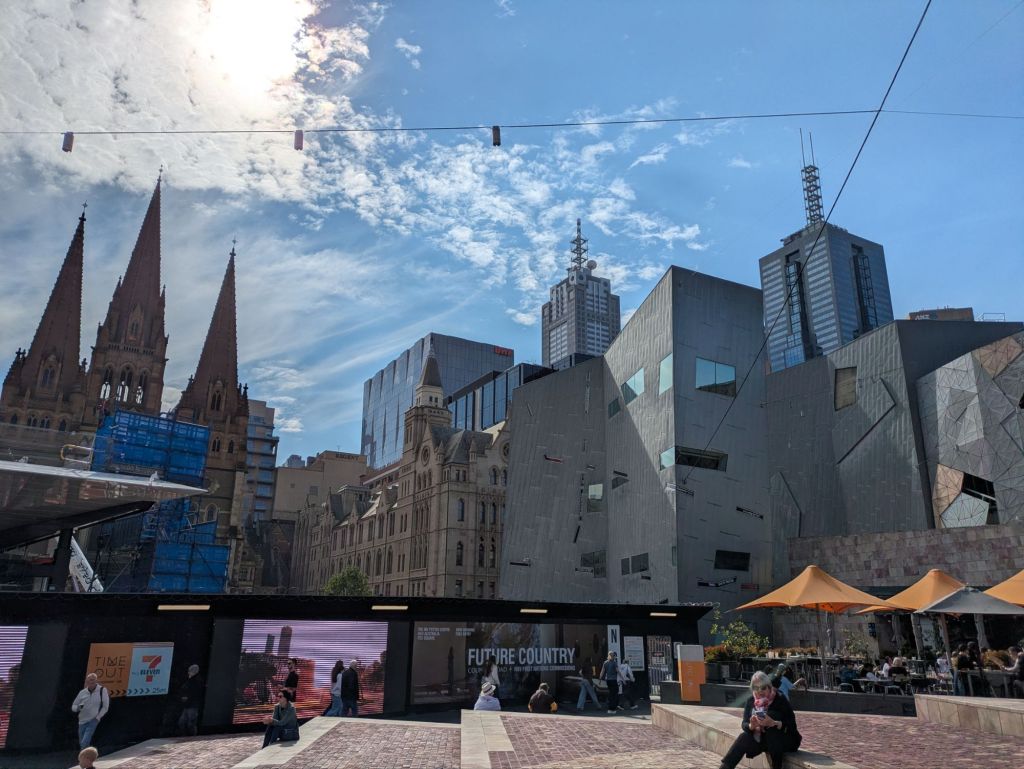
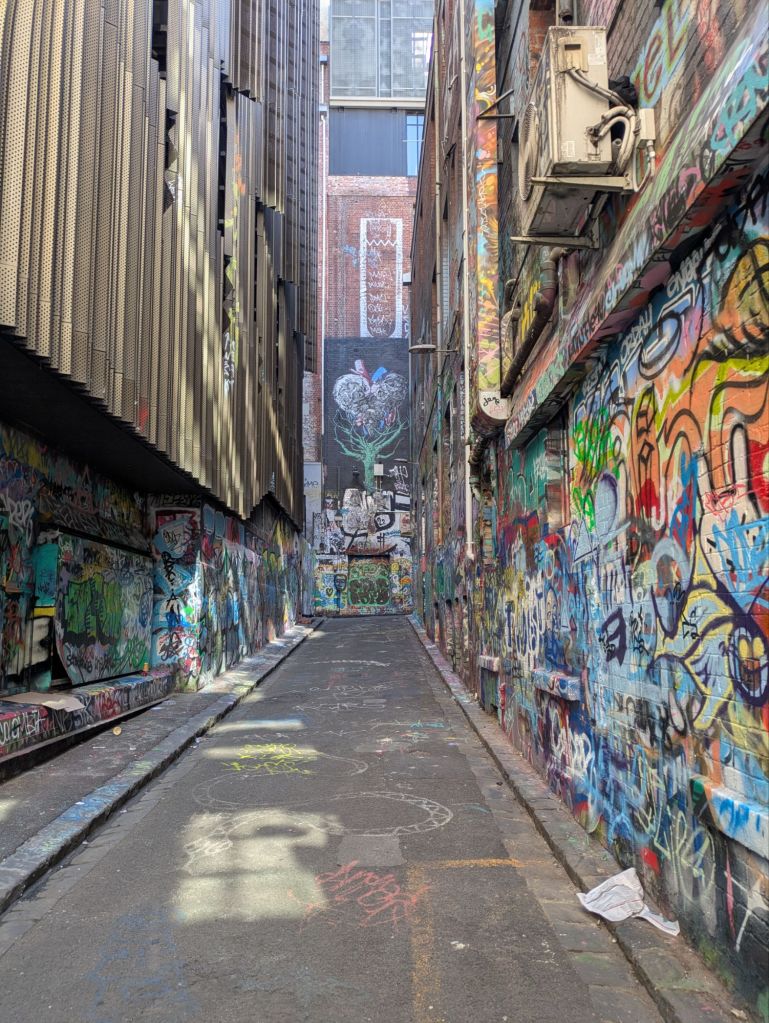
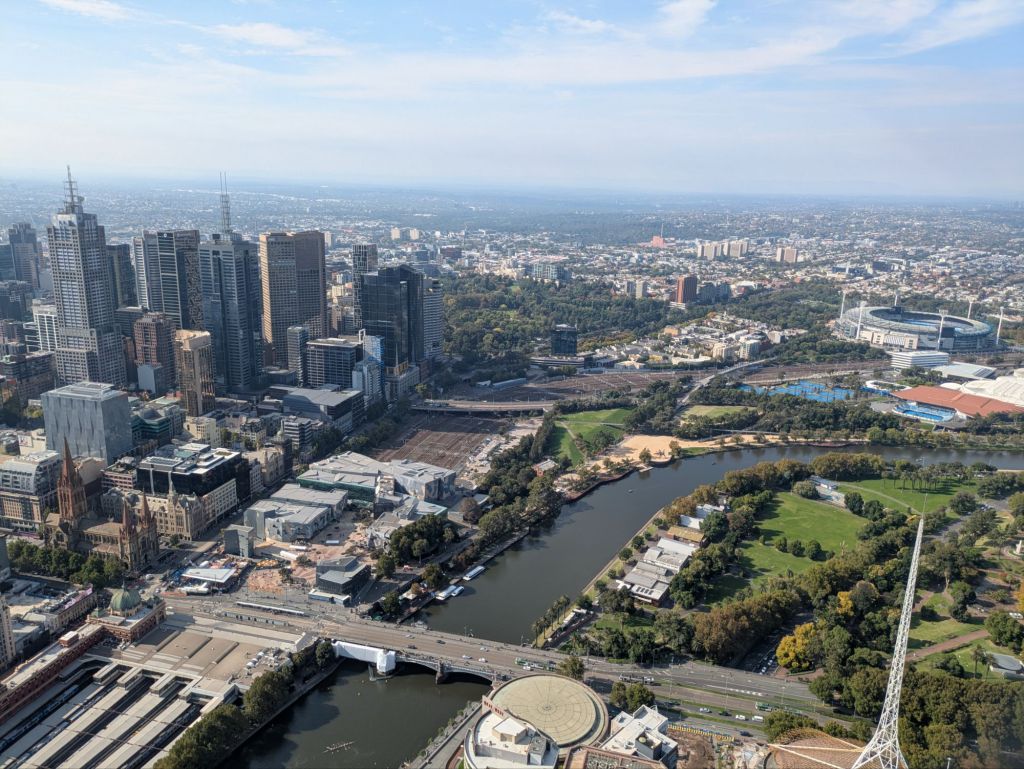
As part of a later cruise (more on the cruise in a future post), my father and I also visited Melbourne, Tasmania, and a beach town called Eden. Melbourne and Sydney are both nice cities, and each is larger than I had expected. I liked them both and would definitely wish to visit again. They both have great green spaces, good public transport, and loads of good food and drink. I met a few Australians in Singapore who said that Melbourne had become too dangerous for them, and one couple had just moved to Tasmania to live somewhere safer. I didn’t get that vibe in our short time in Melbourne, but it seemed a bit grittier and “hipper” than Sydney.
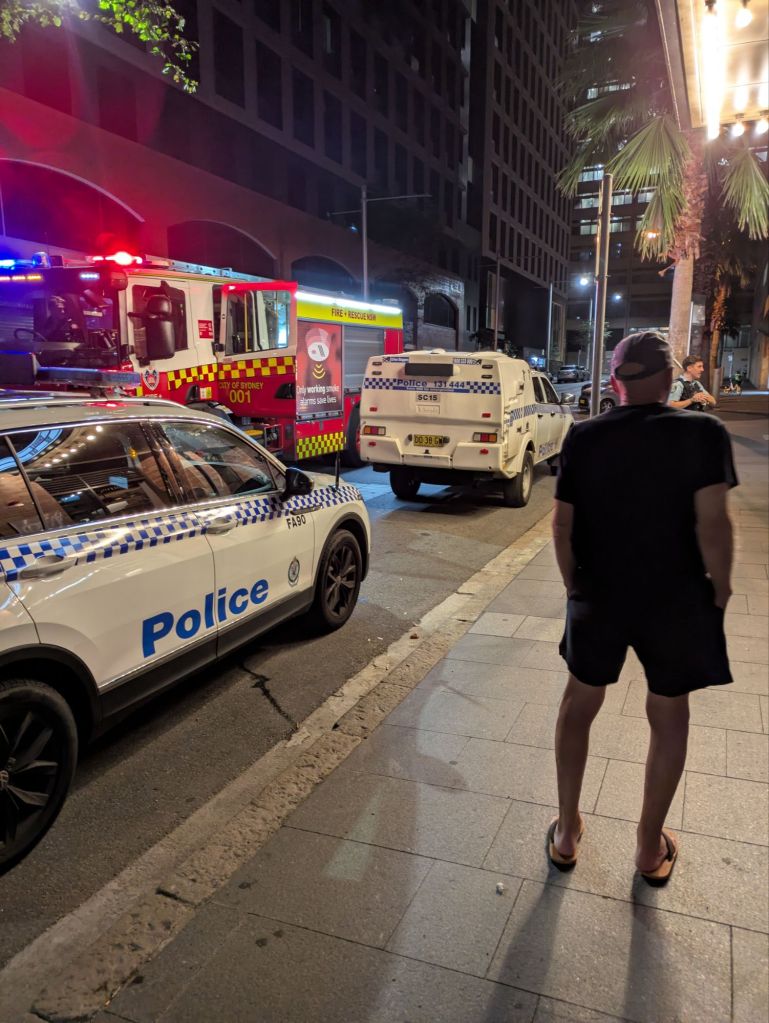
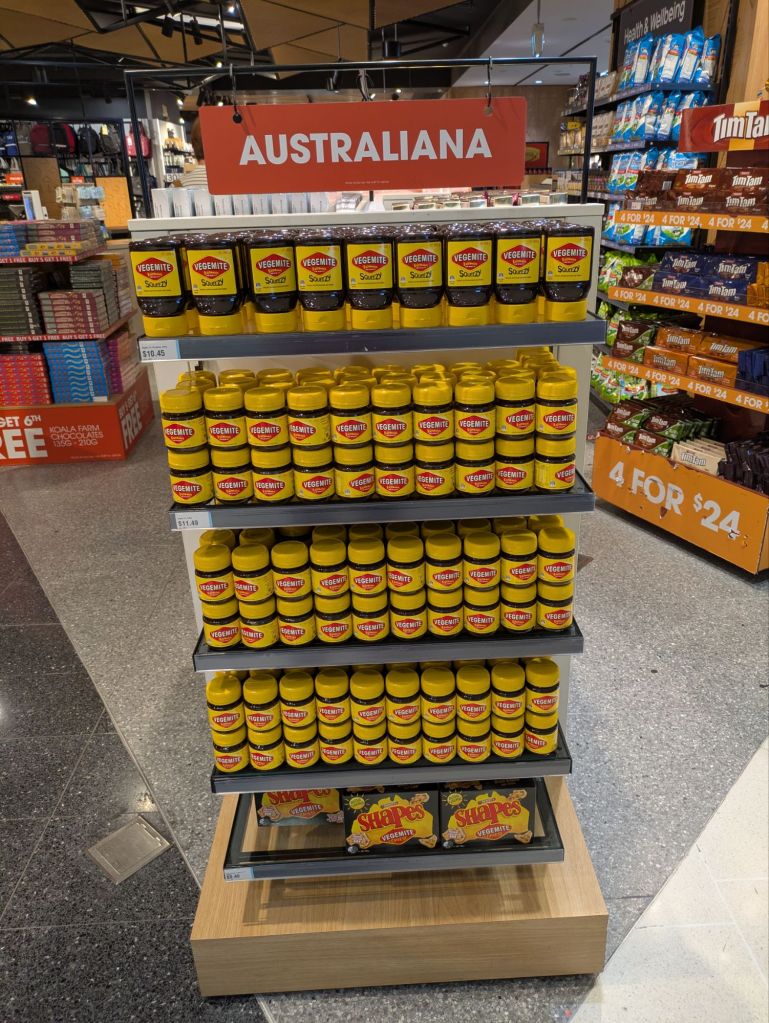
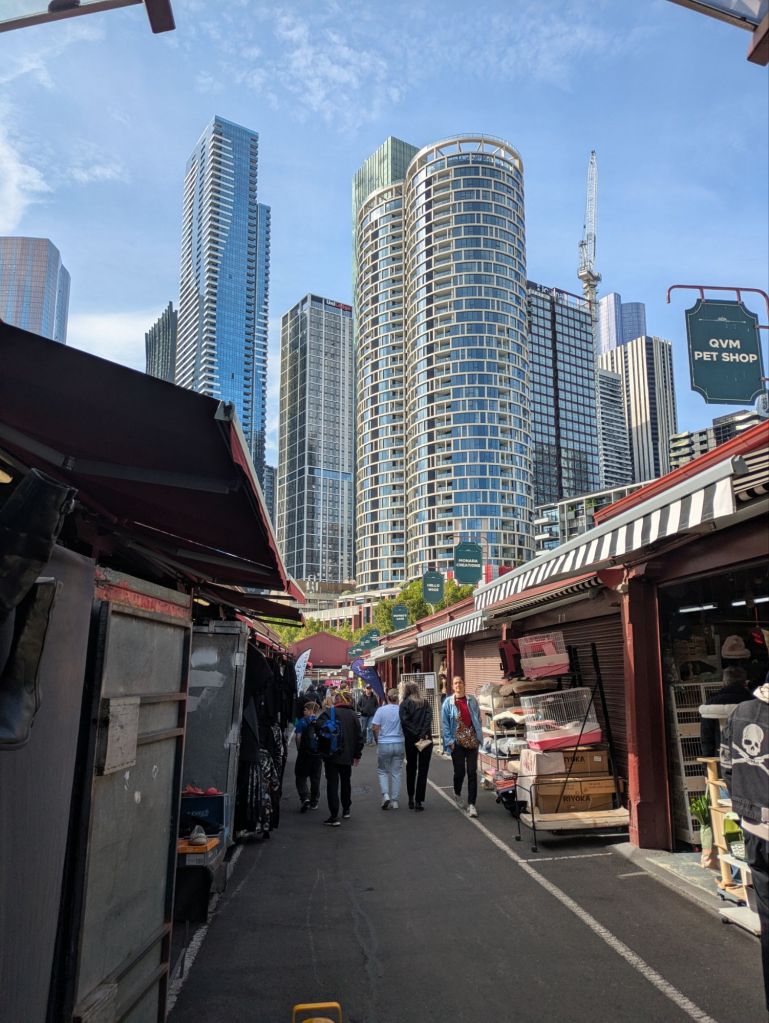

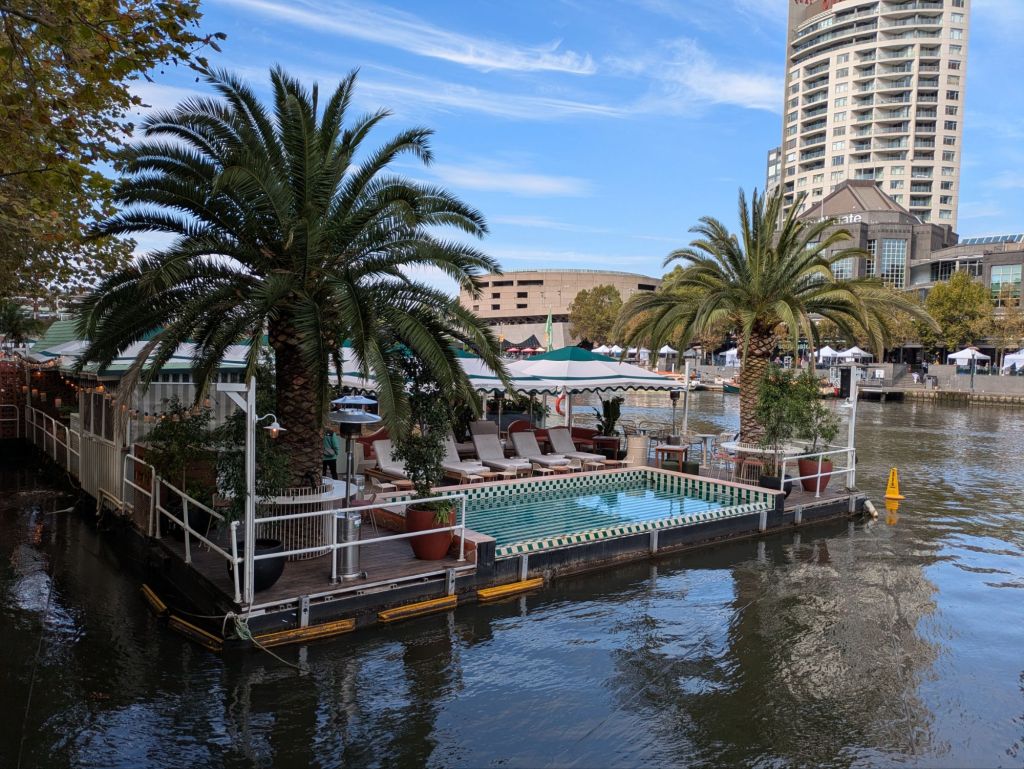
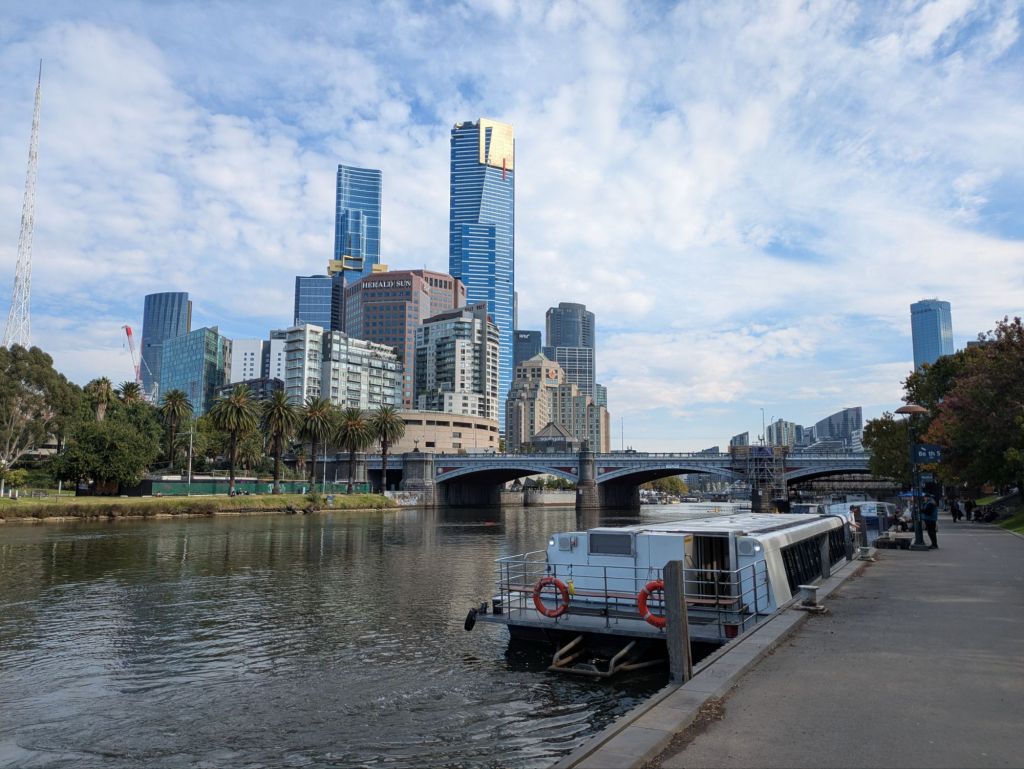
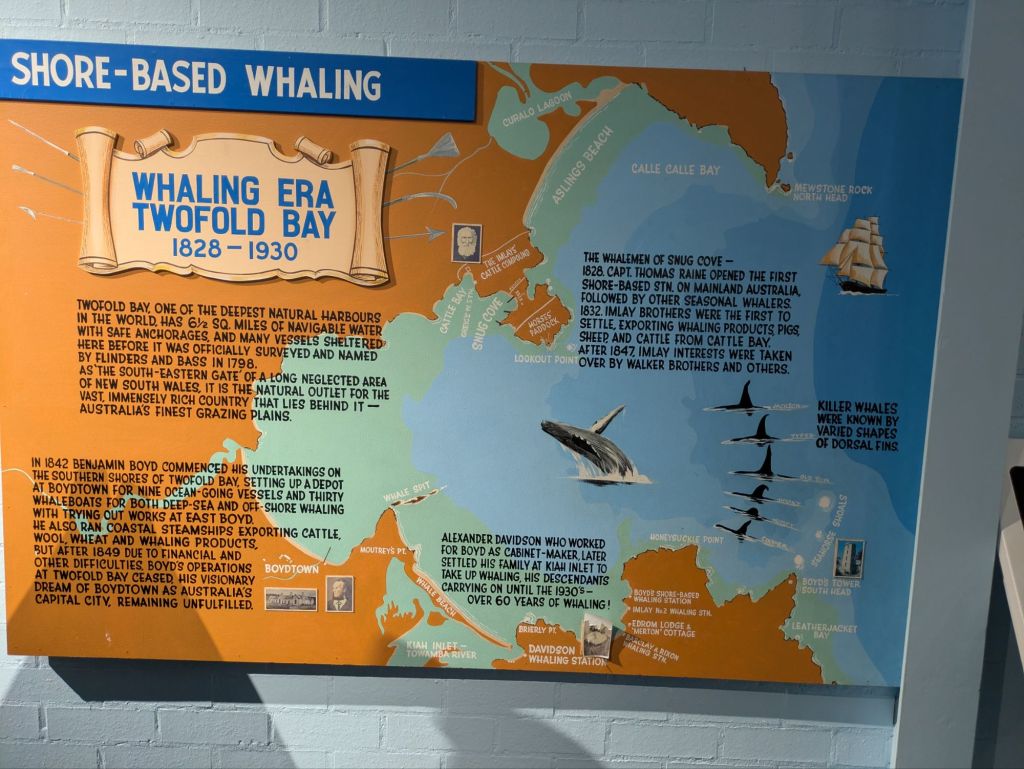
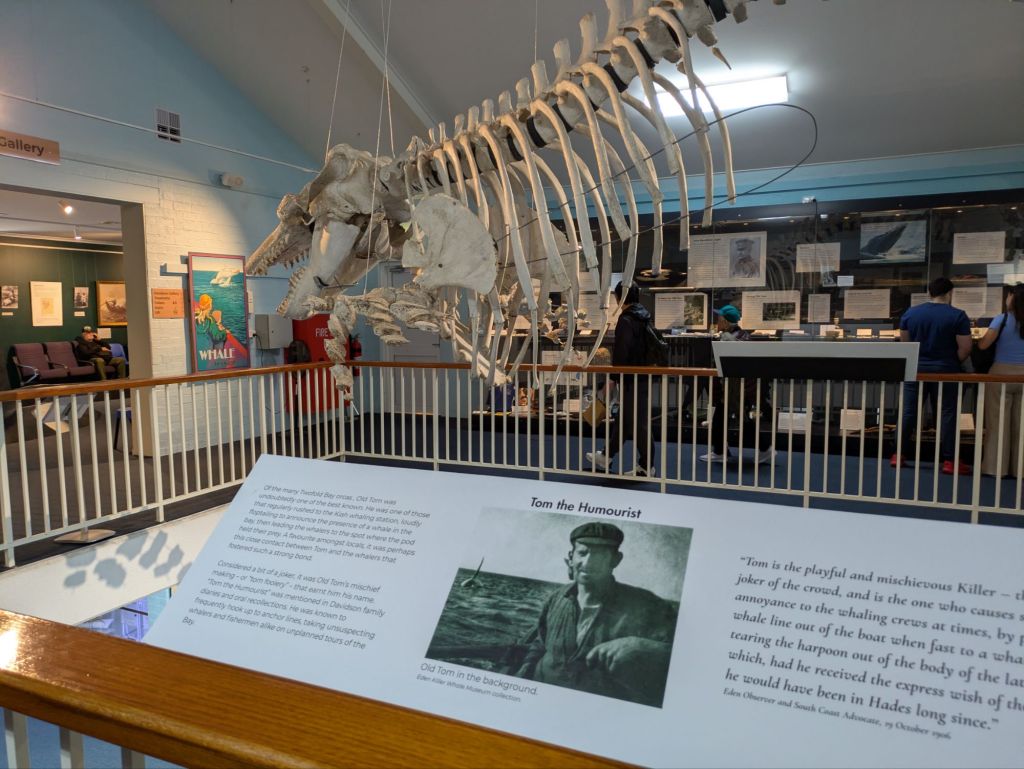
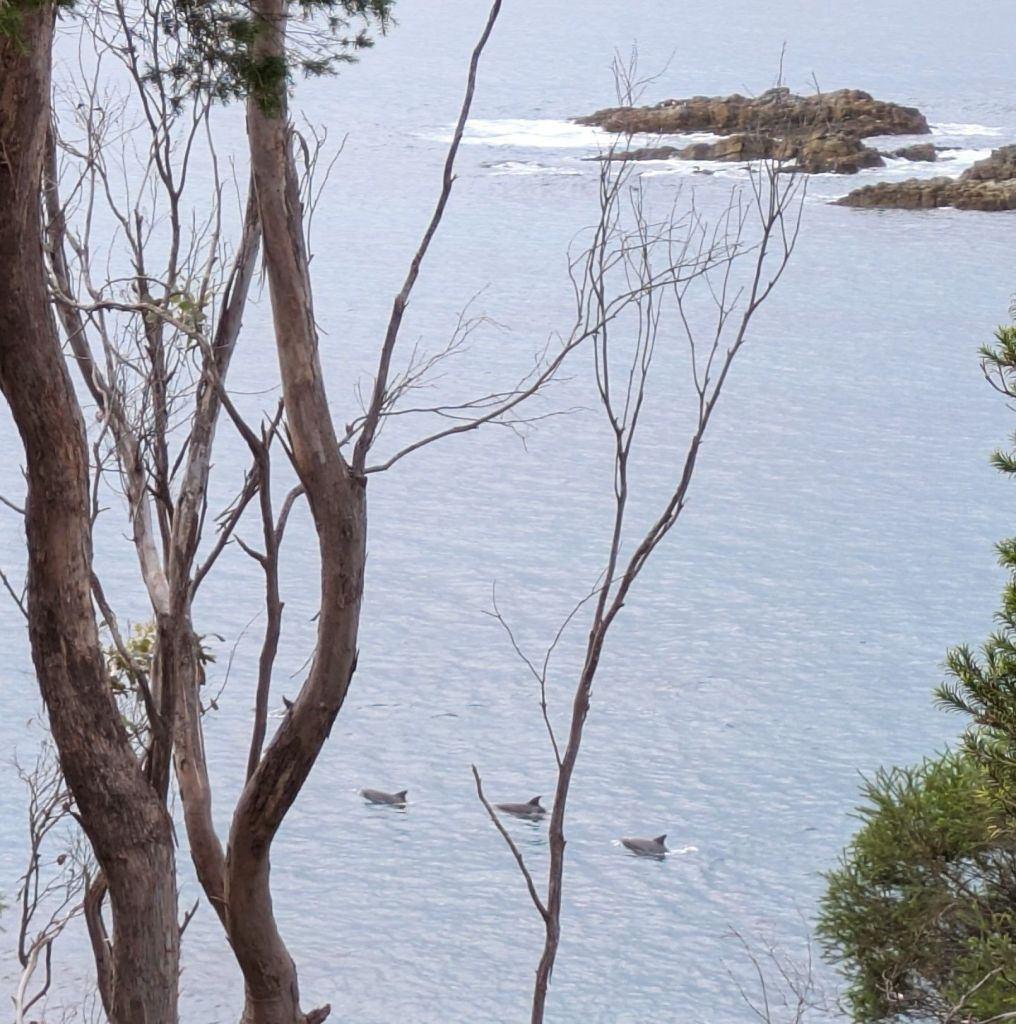
A cruise destination which was a pleasant surprise for us was Eden, which is a beach town with a unique history of man and orca cooperation for whale hunting:
Today’s dad joke:
While in Australia I took a lesson on how to properly throw a boomerang, but soon thereafter I forgot how to do it. Luckily it came back to me later.
Today’s English fun:
To get a sense of how English has evolved over the centuries, contrast these various versions of the Lord’s Prayer.
CONTEMPORARY ENGLISH: Our Father, who is in heaven, may your name be kept holy. May your kingdom come into being. May your will be followed on earth, just as it is in heaven. Give us this day our food for the day. And forgive us our offenses, just as we forgive those who have offended us. And do not bring us to the test. But free us from evil. For the kingdom, the power, and the glory are yours forever. Amen.
EARLY MODERN ENGLISH (C. 1600): Our father who art in heaven, hallowed be thy name. Thy kingdom come. Thy will be done, on earth, as it is in heaven. Give us this day our daily bread. And forgive us our trespasses, as we forgive those who trespass against us. And lead us not into temptation, but deliver us from evil. For thine is the kingdom, and the power, and the glory, for ever, amen.
MIDDLE ENGLISH (C. 1400): Oure fadir that art in heuenes halowid be thi name, thi kyngdom come to, be thi wille don in erthe es in heuene, yeue to us this day oure bread ouir other substance, & foryeue to us oure dettis, as we forgeuen to oure dettouris, & lede us not in to temptacion: but delyuer us from yuel, amen.
OLD ENGLISH (C. 1000): Faeder ure thu the eart on heofonum, si thin nama gehalgod. Tobecume thin rice. Gewurthe in willa on eorthan swa swa on heofonum. Urne gedaeghwamlican hlaf syle us to daeg. And forgyf us ure gyltas, swa swa we forgyfath urum gyltedum. And ne gelaed thu us on contnungen ac alys us of yfele. Sothlice.


