
Happy Easter! Or Hezké Velikonoce! I hope you have a great holiday weekend. I’m quite pleased to have both Friday and Monday off from class – I really feel like I need a break!
On the other hand it means that I’m not yet halfway through the course, not until Tuesday afternoon. Another student and I were commiserating that no matter how well we understand the situation and appreciate the learning process and the need for corrections, it eventually begins to grate on the nerves to continually be critiqued for hours straight. I did a tally one day during class and counted that each student is called upon by the teacher to answer something in Czech 30 times per session! It’s quite mentally taxing and tiring to be listening, thinking, and translating for several hours each day, along with being told all the things you’re doing wrong.
So the naps continue to be almost disturbingly powerful. I’ve had to start setting my alarm before beginning my afternoon naps so as to not sleep until nighttime. All that said, I’m really seeing progress now, for which I’m appreciative. I’m occasionally recognizing entire overheard phrases when out and about, and I’m understanding some written advertisements. I’ve done entire transactions in restaurants in Czech, as we had a couple of lessons on restaurant terminology. But don’t get me wrong, I’m still very much a struggling newbie, and there’s a large collection of basic words I’ve yet to learn.
Another student told me that he was hoping for a really intense immersive experience, but that he got more than he bargained for with this class and the teacher. Agreed! I’m really impressed with our teacher’s drive – she’s whipping us into shape. On Thursday she stopped allowing us to answer in English when she asks for a term definition – we have to describe meaning only in Czech now! (She pretends like she suddenly doesn’t understand English anymore, haha.)
I didn’t realize until Thursday that the Chinese gent doesn’t speak English! So now I’m even more amazed at his abilities to keep up on those now-fewer situations when the teacher describes a complicated and important concept in both Czech and English. It’s also noteworthy that he is unfamiliar with which gender is implied by a Czech name, and since Czech is very gender-based in word construction (pronouns, adjectives, etc), he struggles in exercises while attempting to determine whether Olga, Petr, Irena, or Vacláv is a he or she. That seems like a flaw in the course construction – the textbook and workbook should both indicate the gender of each person in the exercises, whether textually or visually. One interesting example of a gender-based adjective is ženatý, which means “married”, but only when describing a man. The word “žena” means “woman”, so then I suppose the meaning of “ženatý” is something like “womaned” or “woman-attached”, haha. Not sure how well that works for a gay marriage. If you’re curious, a married woman is a “vdaná žena”.
This week we learned telling time in Czech, including times of day, and days of the week. One aspect I’d never considered before is that “quarter to” a given hour can have two different interpretations. In English, when we say “quarter to one,” for example, we mean that there’s a quarter of an hour left to reach one o’clock, i.e., 12:45. However, there’s another way to interpret “quarter to one” — in Czech “čtvrt na jednu” is literally “quarter to one,” but it means that a quarter of the hour has passed to reach one o’clock, i.e., 12:15. I’ll have to watch out for that one! And yes, there’s another fun word without “regular” vowels – čtvrt.
Čtvrt is the word for 1/4th, and čtyři is the word for four. Similarly, the word for Thursday, the fourth day of the week when starting on Monday (which is what all European countries that I can think of do), is “čtvrtek”.
When saying “on Thursday,” one must put a “ve” in front, like “ve čtvrtek”, as opposed to a “v”, which is what is used in front of most other days of the week. Without irony, the teacher told us that saying “v” before čtvrtek is awkward, and so one must use “ve” instead before čtvrtek so it’s not weird and tongue-twisting. Ha! The word is already tongue-twisting on its own, as is much of the language.
Speaking of Czech tongue twisters, how about this one?:
Tristatřicettři stříbrných stříkaček stříkalo přes třistatřicettři stříbrnych střech. (Three hundred thirty three silver hoses shoot over three hundred thirty three silver roofs.)
Another interesting linguistic finding through the course is that many terms which have to do with either work concepts or fun activities seem to be related to English (or French) words, whereas otherwise there aren’t many recognizable words in Czech:
Byznys – business
Mítink – meeting
Konference
Party
Klub
Disko
The main aspect of Czech which makes it so tricky is its use of cases:
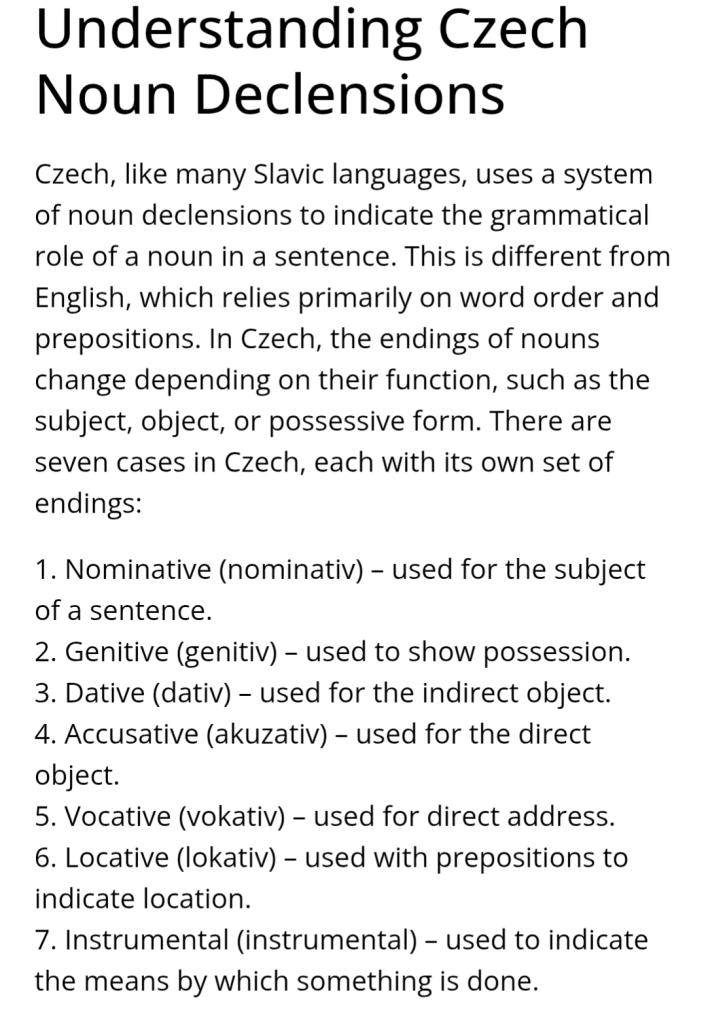
Further, there are four types of nouns: masculine animate, masculine inanimate, feminine, and neuter, and each of these has is own respective rules for changing word endings. And not just for the nouns themselves, but also for associated adjectives! Here’s an example of noun “declensions” for just one word:
Our now-familiar “žena” (woman):
– Nominative: žena
– Genitive: ženy
– Dative: ženě
– Accusative: ženu
– Vocative: ženo
– Locative: ženě
– Instrumental: ženou
And here is a masculine animate adjective word ending example:
– Nominative: -ý
– Genitive: -ého
– Dative: -ému
– Accusative: -ého
– Vocative: -ý
– Locative: -ém
– Instrumental: -ým
So far in the class we’ve only learned nominative and accusative (direct object), and of course only for a relatively small set of words. You get the idea – multiply that out, and you’re looking at a seemingly infinite set of possible combinations!
Here’s a practical example:
– son: syn
– without the son: bez syna
– toward the son: k synu
– I see the son: vidím syna
– Son!: Syne!
– about the son: o syne
– with the son: se synem
I recently read that Czech is a perfect legal language through its preciseness and lack of ambiguity.
As challenging as this all definitely is, believe it or not, there are plenty of languages with additional cases, making them even trickier to learn and master! If you want to go down a rabbit hole, take a look at the list and descriptions of cases on Wikipedia. There are “edge cases” like the aversive case, where something is avoided or feared – like “avoiding the house.” Or the benefactive case, where something is benefited, like “for the house.” I cannot imagine how someone can arrange that all in their head for real-time verbal sentence construction.
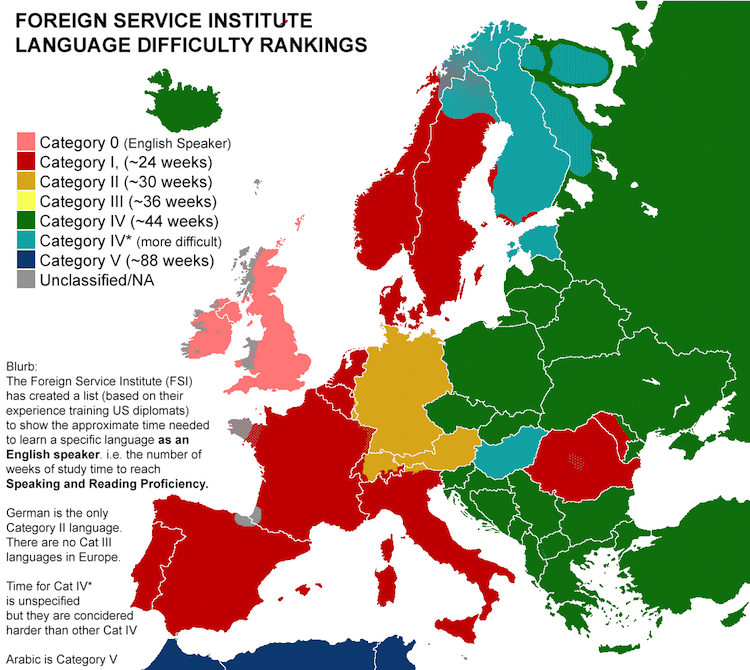
As you can see in this handy map below, Czech is a Category IV (green) in its difficulty level for English speakers, but some other European languages like Finnish and Hungarian are even more challenging (light blue). Languages like Swedish and Spanish are Category I (red), taking on average about 24 weeks of total study time to become proficient at reading and writing the language. Czech takes almost twice as long. For the curious, languages like Arabic, Japanese, Chinese (Mandarin and Cantonese both), and Korean are Category V (dark blue), requiring twice as long as Czech to learn. It’s good to discover that Hindi is ranked at the same level as Czech, so at least it’s not more difficult.
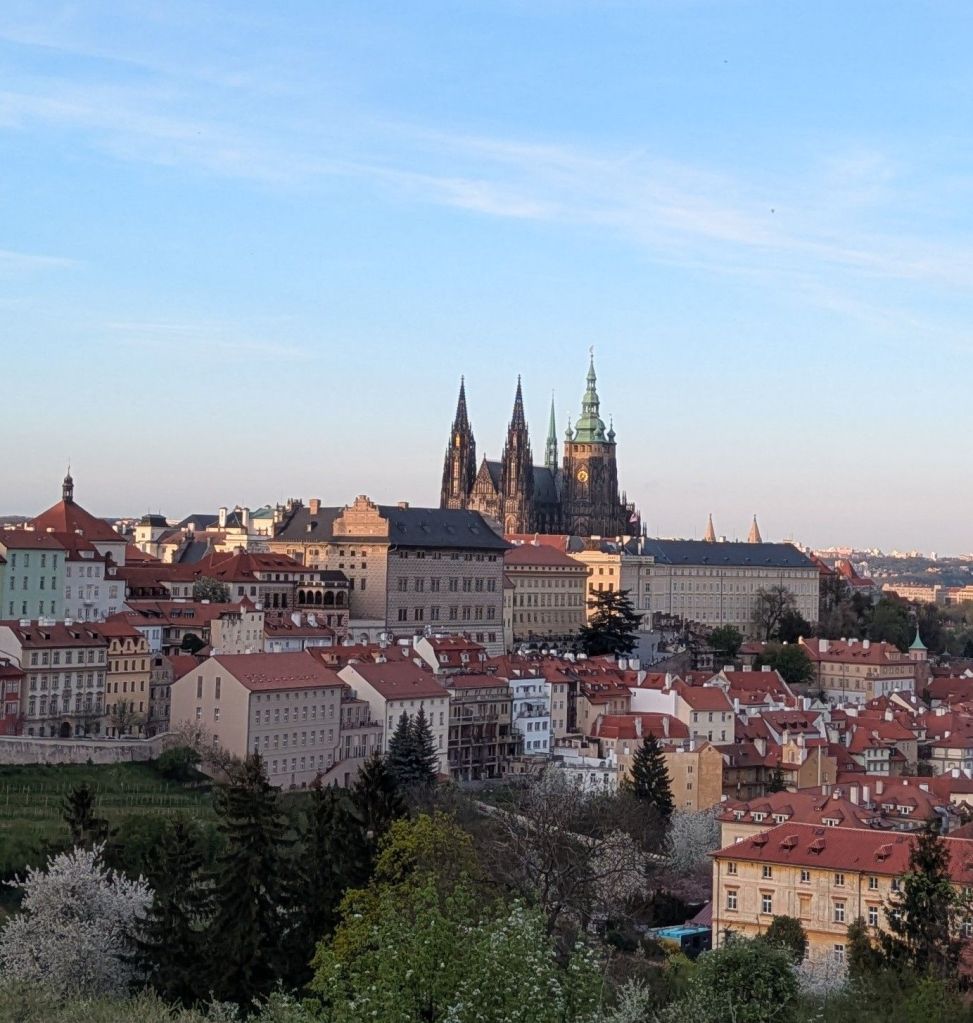
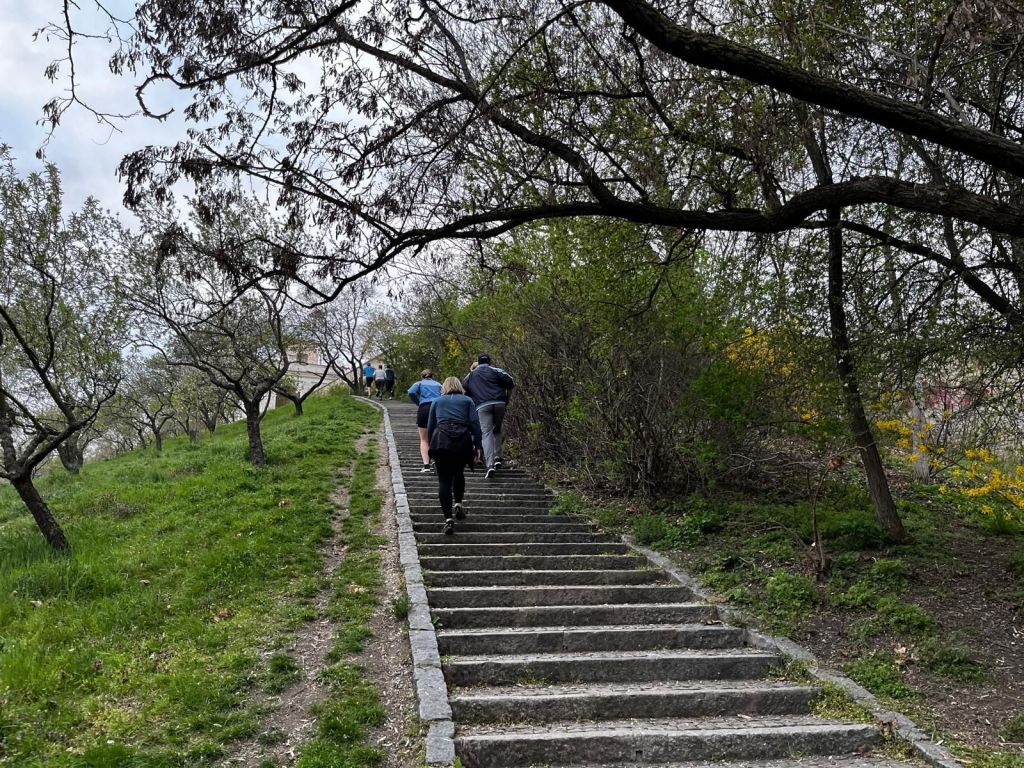
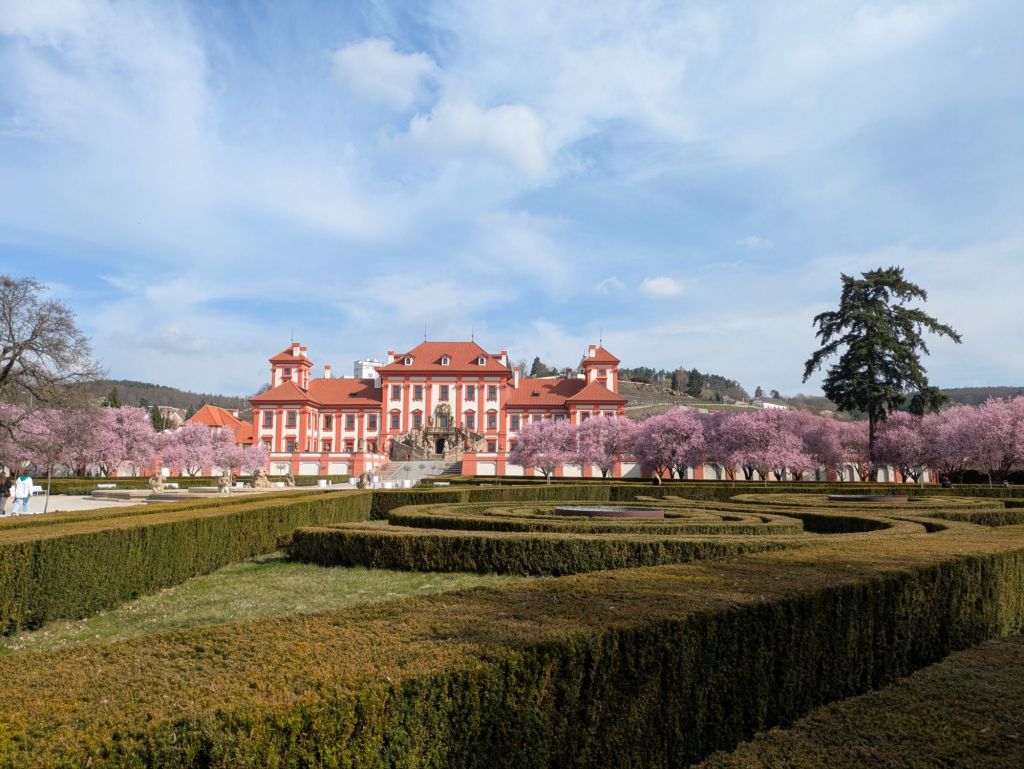
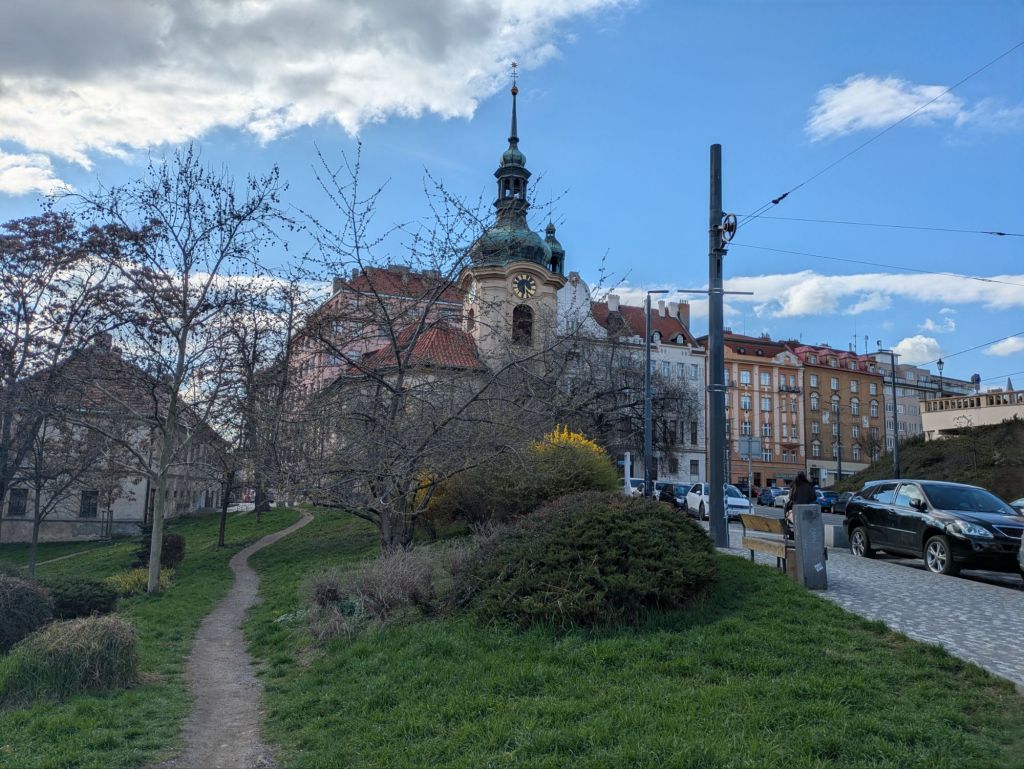
During these weeks in Prague so far, I’ve mainly been doing three things: Czech language learning, working, and running. For the last, I appreciate it very much, and I already had a familiar group I’d been running with last summer. It’s been good to catch up with everyone and hang out again. Our runs are twice per week, once on Wednesday evenings, and another on Saturday mornings. For both of these our routes take us through beautiful parks, by historic buildings, and up and down hills with scenic overlooks. As many times as I’ve captured images of some areas, I still find myself stopping on occasion and taking yet another photo I’ve probably taken from the same angle multiple times before. I guess it never gets old.
Today’s Prague insight:
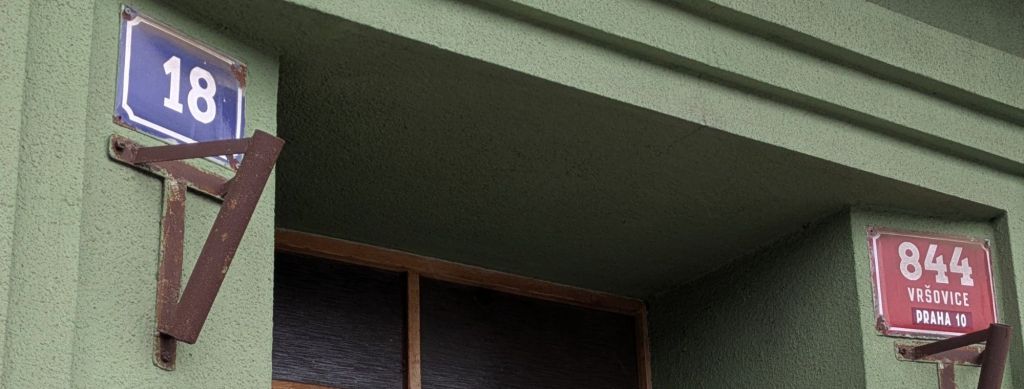
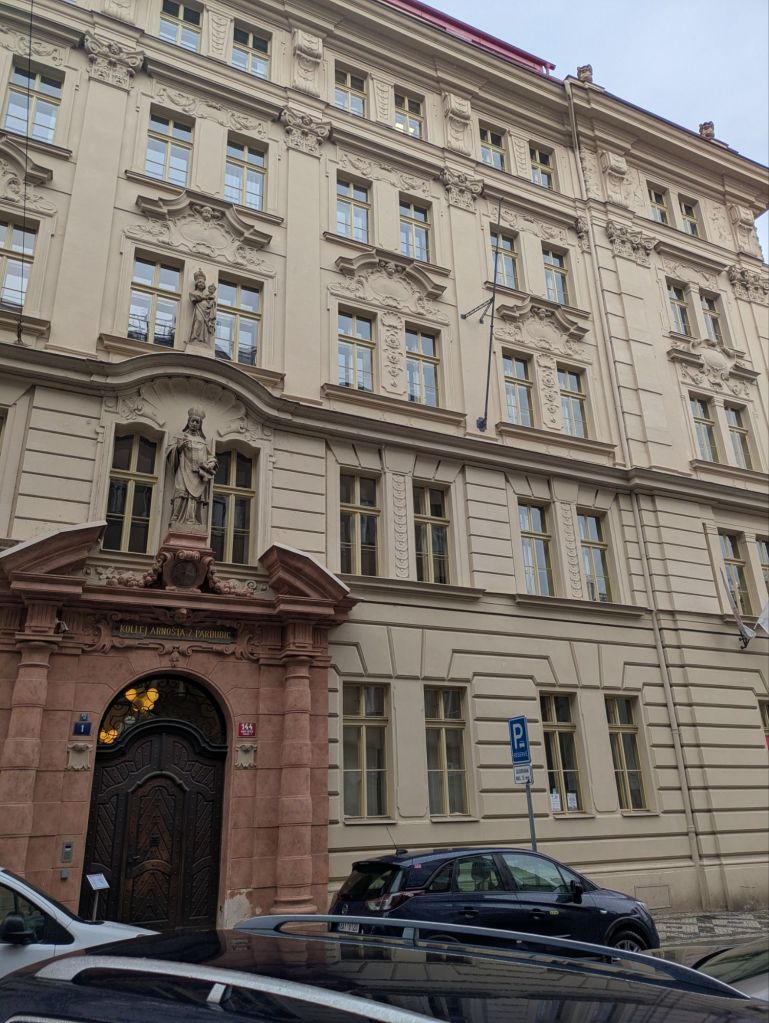
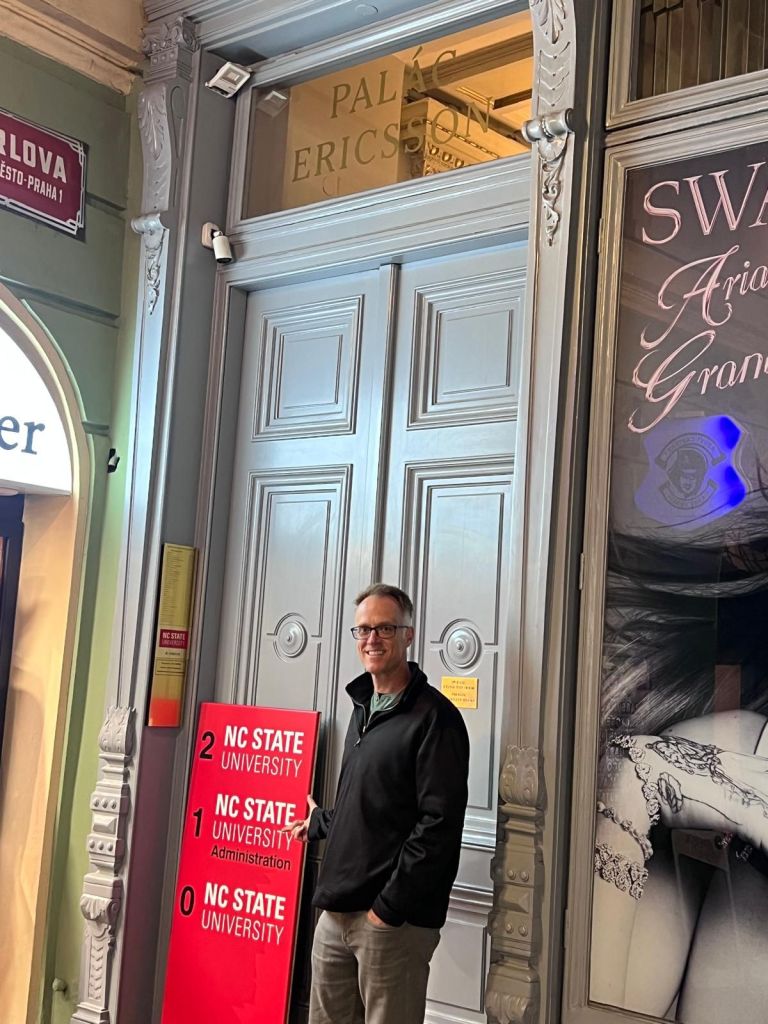
Until this trip, the address numbering system in Prague had baffled me. For example, a street address which includes the identifier 123/4. So what is the 123, and what’s the 4? Are both needed? And when looking at building entrances, there are always two separate numbers indicated, one on a red sign, and a second on a blue sign.
Here’s what I’ve now learned: The red plate indicates the unique number for that building within its given district within Prague, with the number recorded when the building is created. These numbers are not normally sequential on a given street. This number is based on an old system, but they’ve kept it around, though I’m unclear as to why. The blue plate is the local number of the building entrance on a given street. This number will be unique per street. This equates to the usual street number convention I’m used to from the US and other countries. While the red plate number is unique per district, the street numbers are obviously not. For normal people, one should just need the second number, the one on the blue plate, to find a residential or business location.
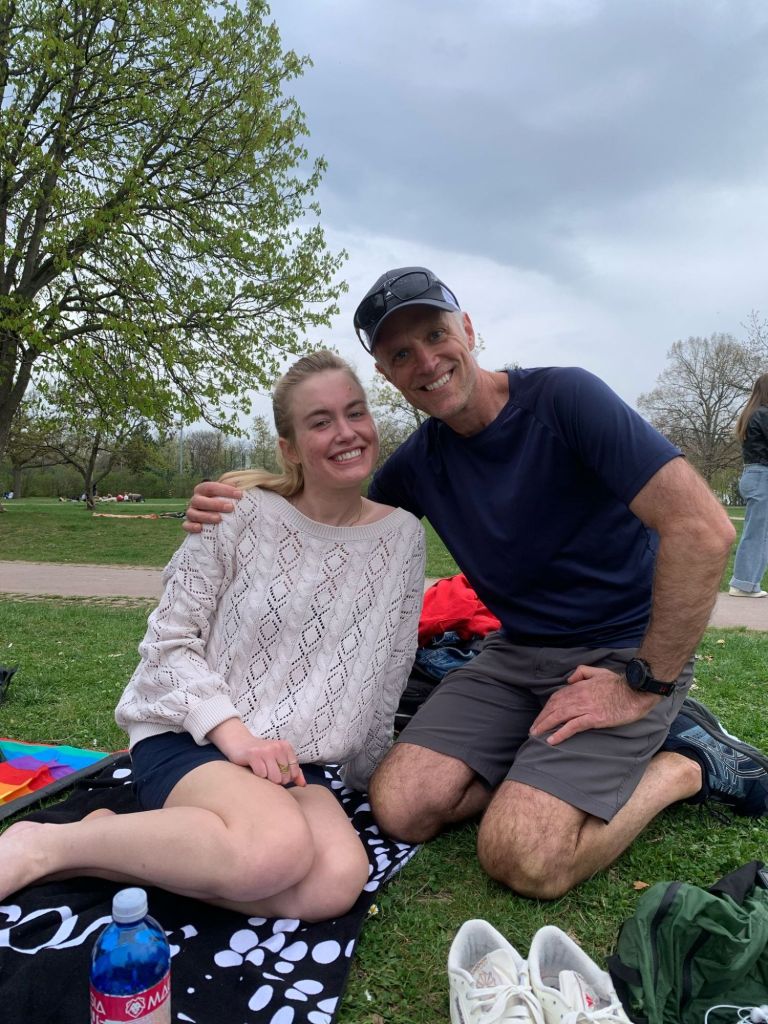
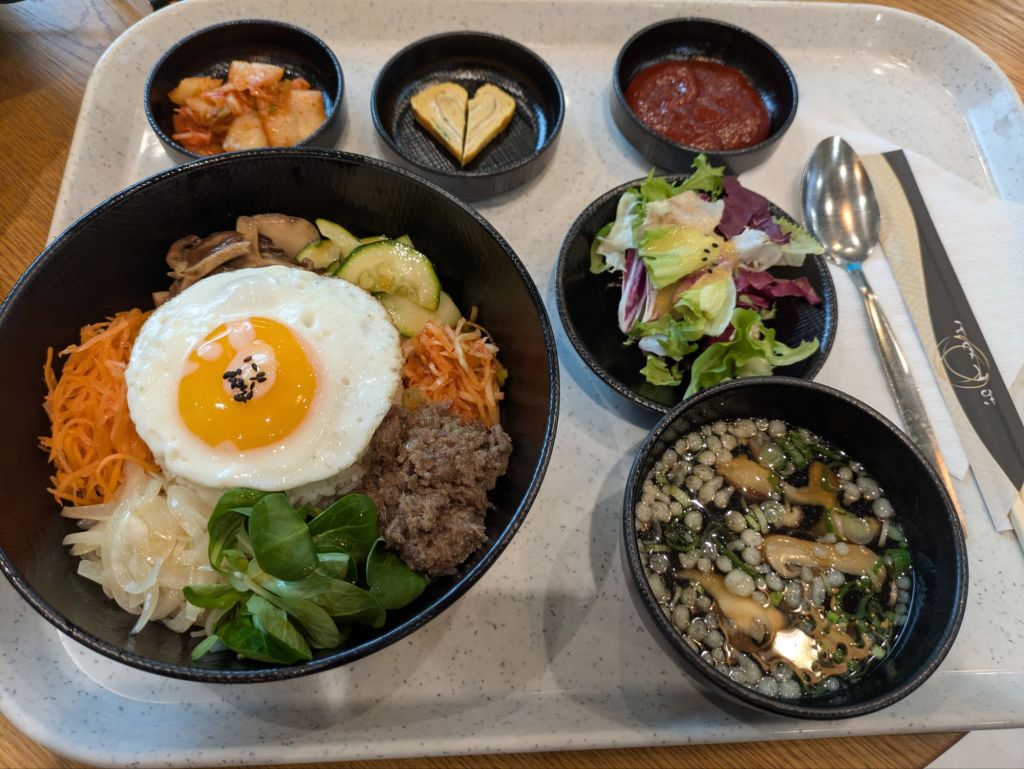
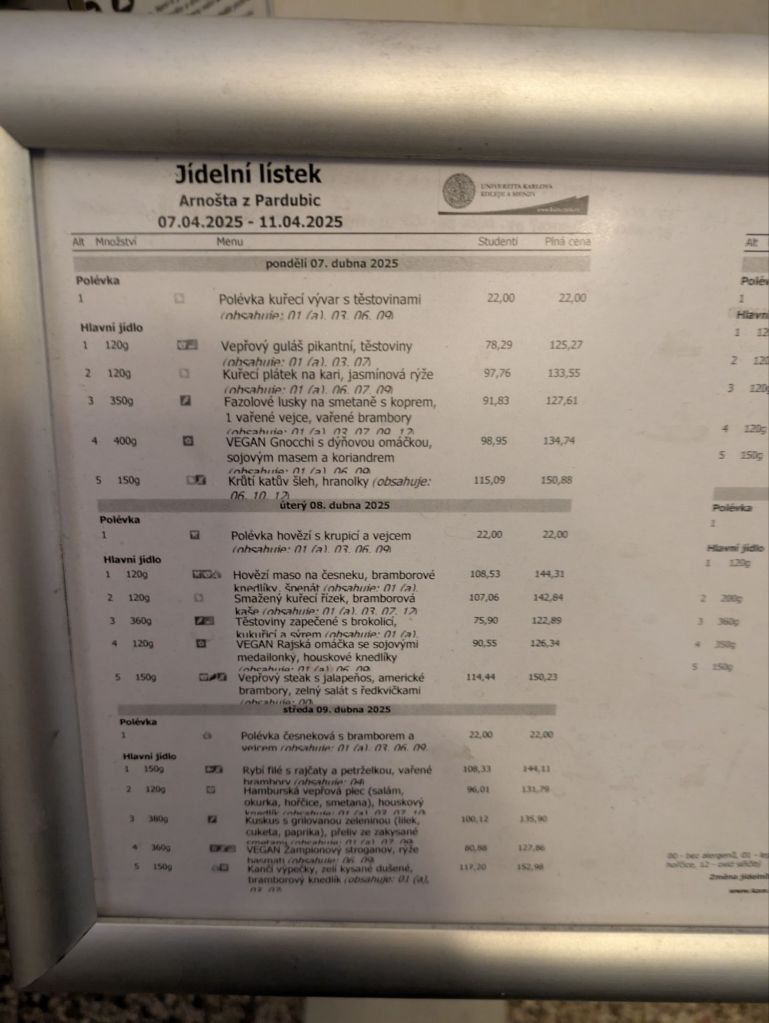
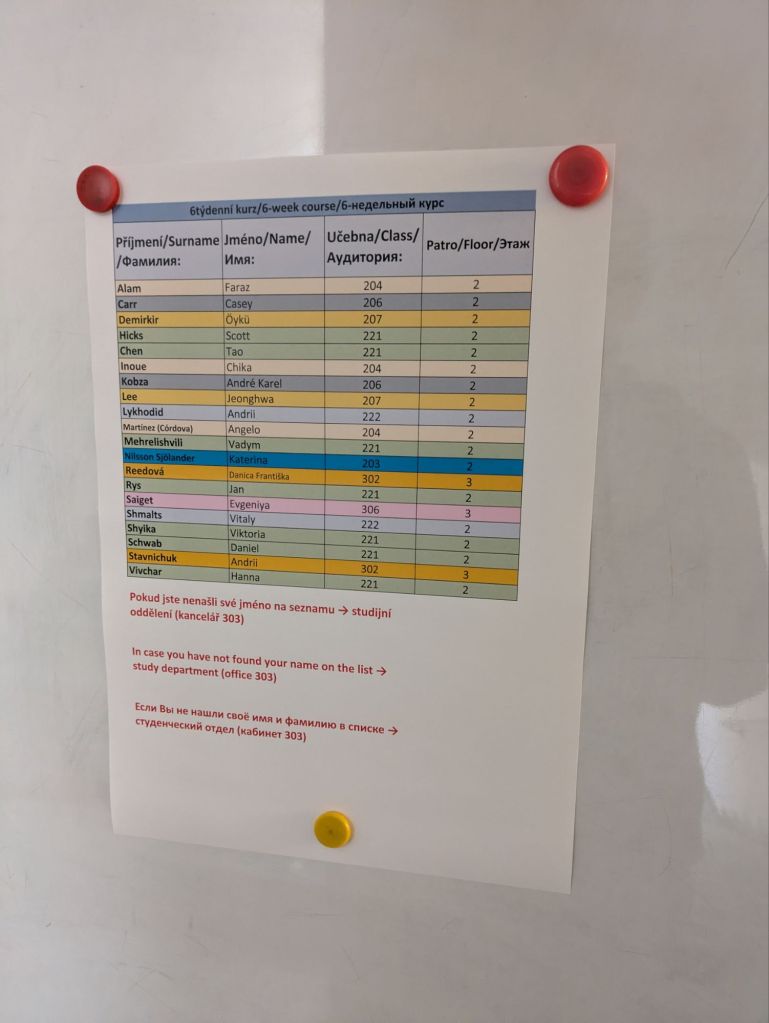
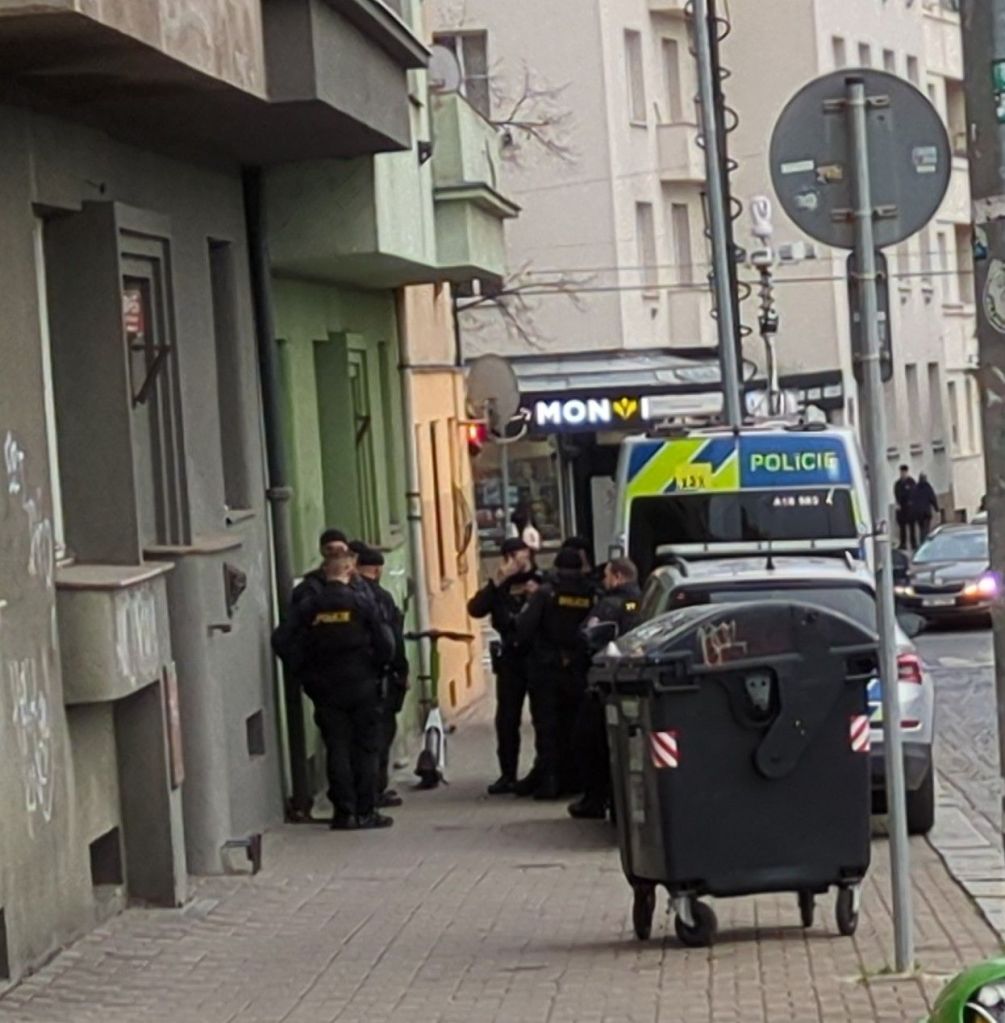
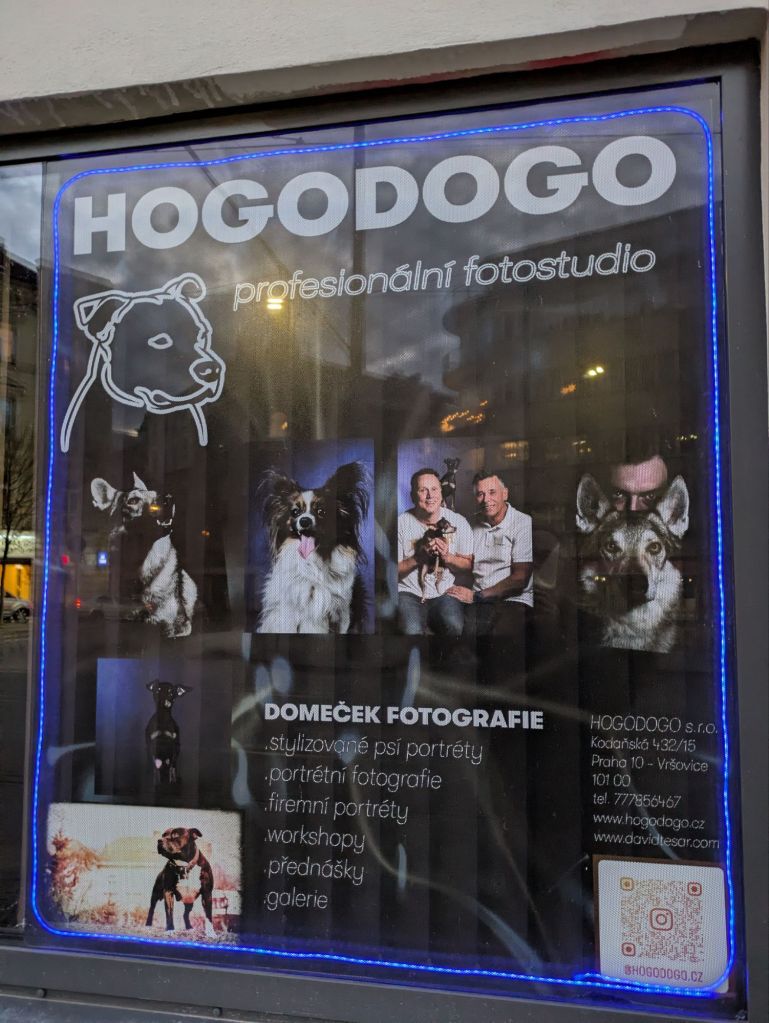
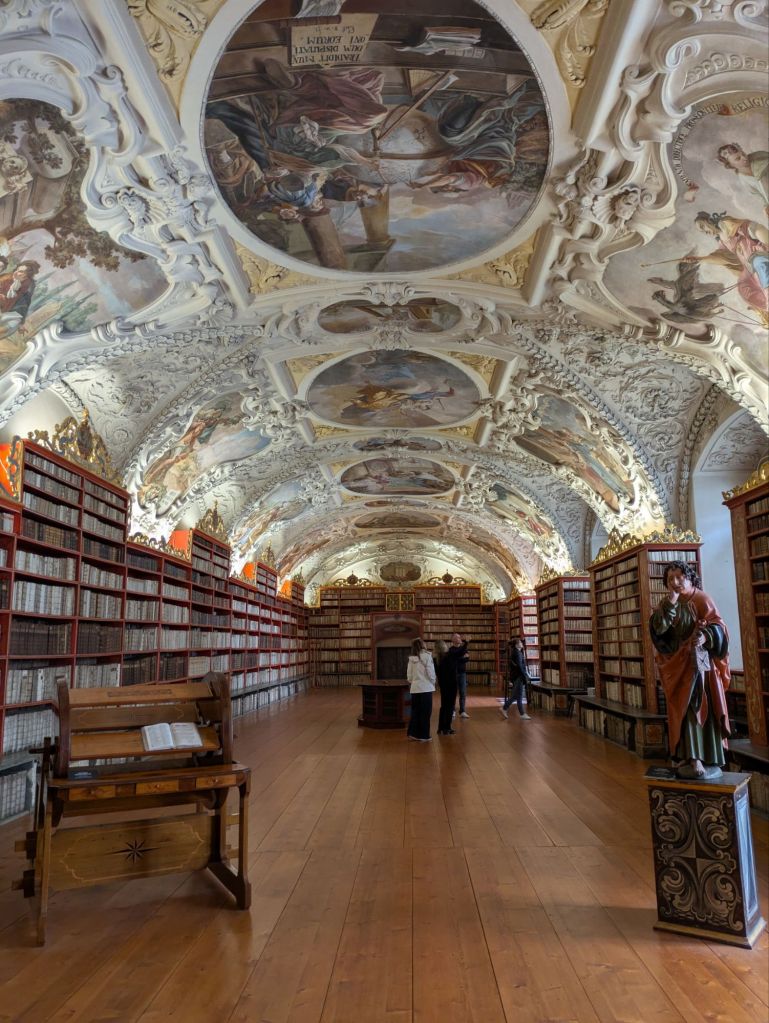
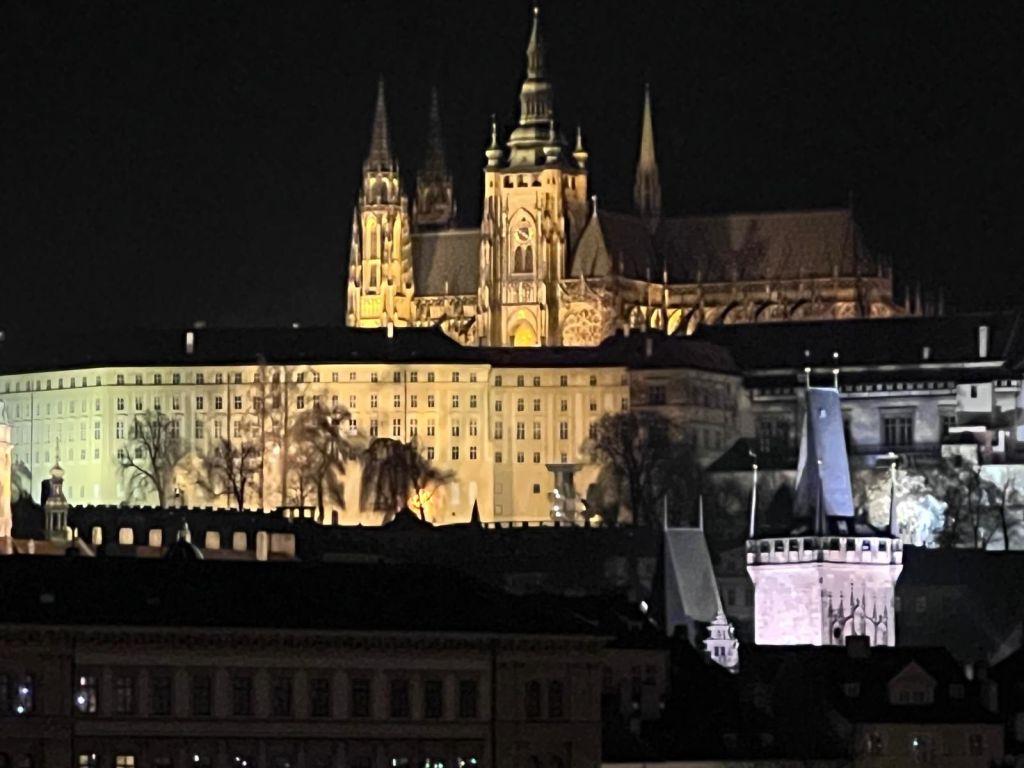
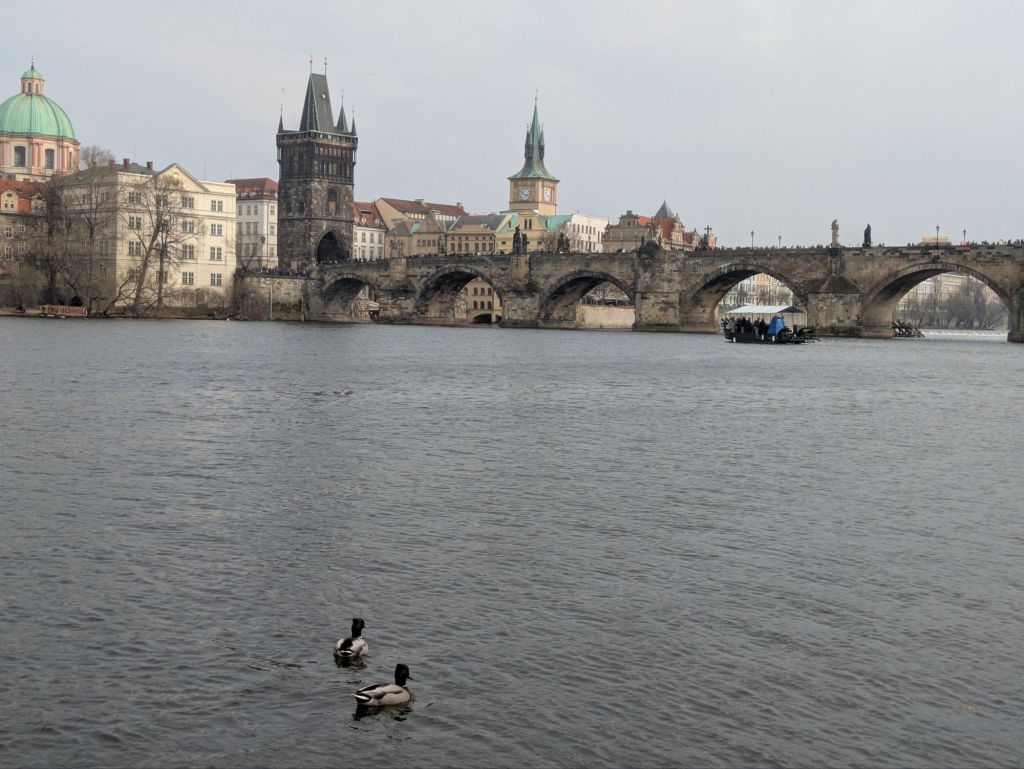
Some photos from the time in Prague so far:
Today’s DadGPT joke:
Why did the motivational speaker sail the high seas?
Because he captained the Pirates of the Carpe Diem!
Today’s music video:
I’m continuing the Japanese tradition which began last week. I bet you’ll appreciate the choreography, videography, and catchiness, and you’ve probably not seen such kimono-based dance moves:
Today’s Epictetus:
Suffering arises from trying to control what is uncontrollable, or from neglecting what is within our power.

 Major Meander
The seemingly infinite language permutations make my head swim and increase my admiration for the effort required by what you are doing. The photos are appreciated, as they provide helpful context to your experience.
I get dizzy myself, haha. After our run today four of us went to a cafe and talked for almost an hour about linguistics. My kind of group! There was an Indian, a Dutchman, and a Norwegian. Each knows multiple languages and had some interesting insights.
I totally agree, Alan! And, Scott, the Chinese gentleman who doesn’t know either language being spoken every day in class? Talk about a mind blowing experience. Unbelievable. Prague looks lovely in the spring!
The German guy and I are just learning Czech for fun, but the Chinese guy and the Ukrainians have to, so the pressure is greater for them. But the Belorussian lady used to live in Poland, and she told me that she thinks she maybe should be learning English better instead, because she’s in marketing and so has international opportunities. And a friend told me that many Ukrainian women are actually learning English instead of Czech so they can work in the tourist industry here and make more money. Apparently the trdelník sellers in the Old Town are typically Ukrainian, not Czech. They just need to be able to speak English with the tourists!
Now I understand what declensions are. Fascinating!