
Due to circumstances of my current situation as of this writing, I need to be able to spend additional time in Prague, therefore to not overstay my 90-day tourist entry into the European common visa zone (the Schengen Area), I stayed longer in Bosnia and Herzegovina, which is not a member state of the Schengen Area. So after five nights in Sarajevo, I traveled to Bosnia’s only coastal town, Neum, for some seaside relaxation before returning to Prague. During my stay in Sarajevo, I also had a rental car, so I took a day trip while there to some nearby destinations as well. This post covers these various locales.
Bosnia and Herzegovina as a country is blessed with not only many engaging cities, but also some world-class nature, including stunning mountain beauty, hiking trails, river rafting, and even a small slice of the Adriatic Sea coastline. I wish someone had been riding with me during the drive between Sarajevo and Neum, because there is a section of that drive with huge rocky cliffs paired with bright blue bodies of water – it would have been nice to share that experience and for someone to capture some photos of the amazing scenery.
Alas, I didn’t spend much time in nature away from people, and even Neum’s coastline is packed with sun-seekers and their cars during the summertime. Perhaps some hiking on the spectacular Via Dinaricia trail is in my future.
Konjic and Tito’s Bunker
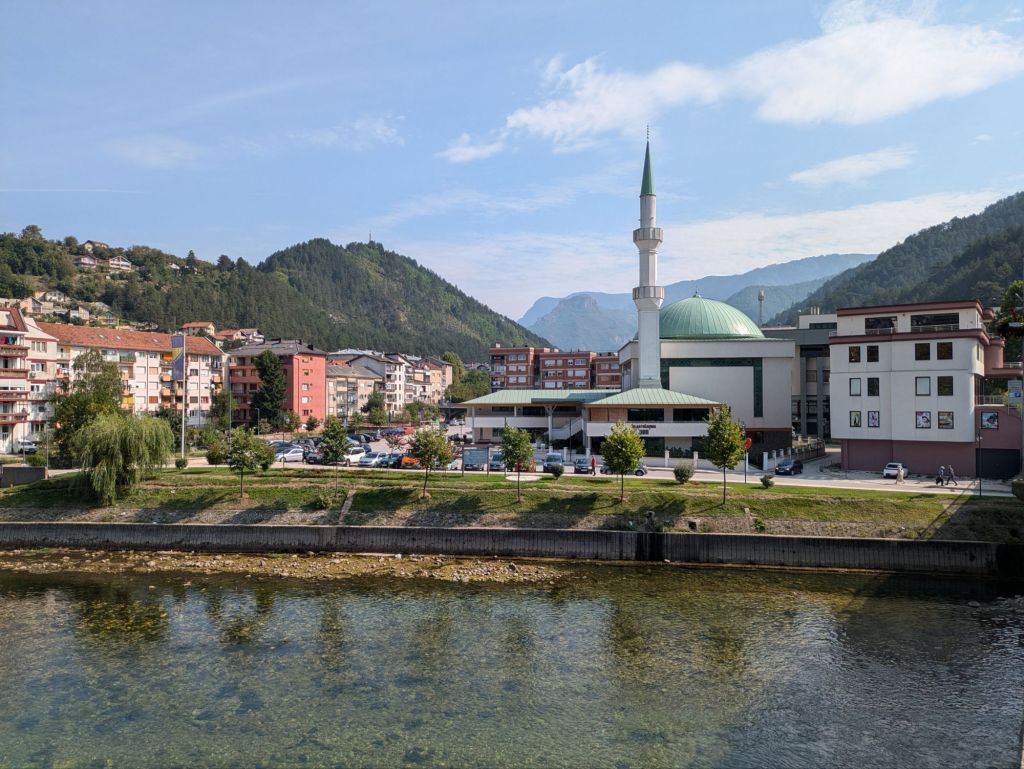
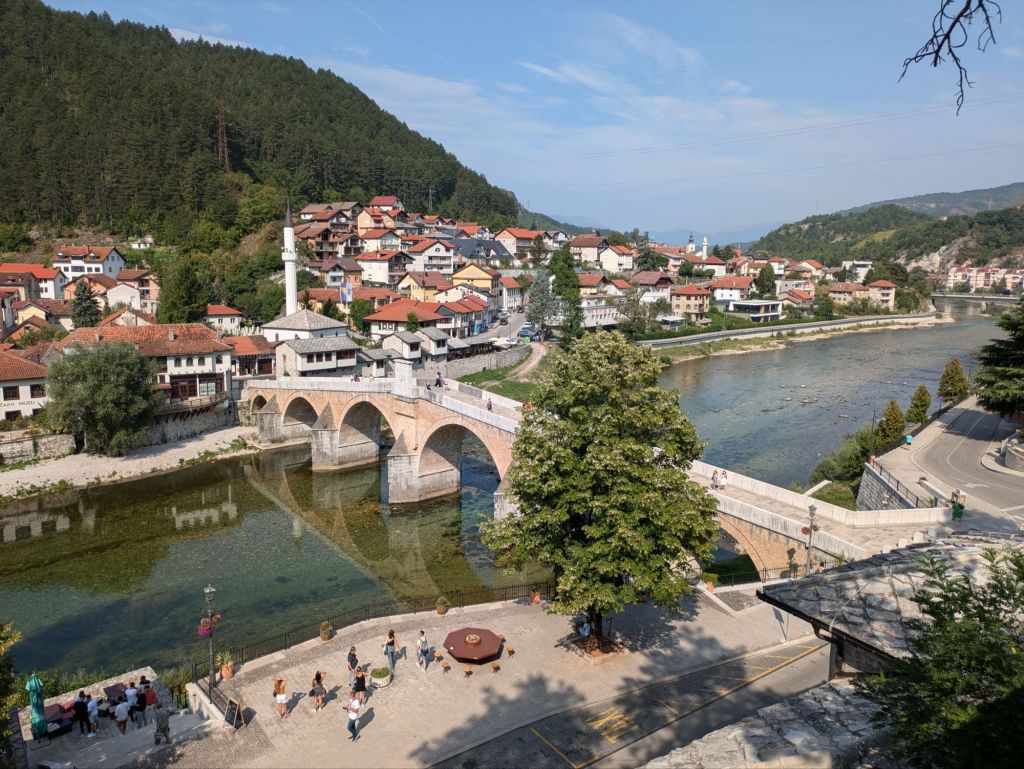
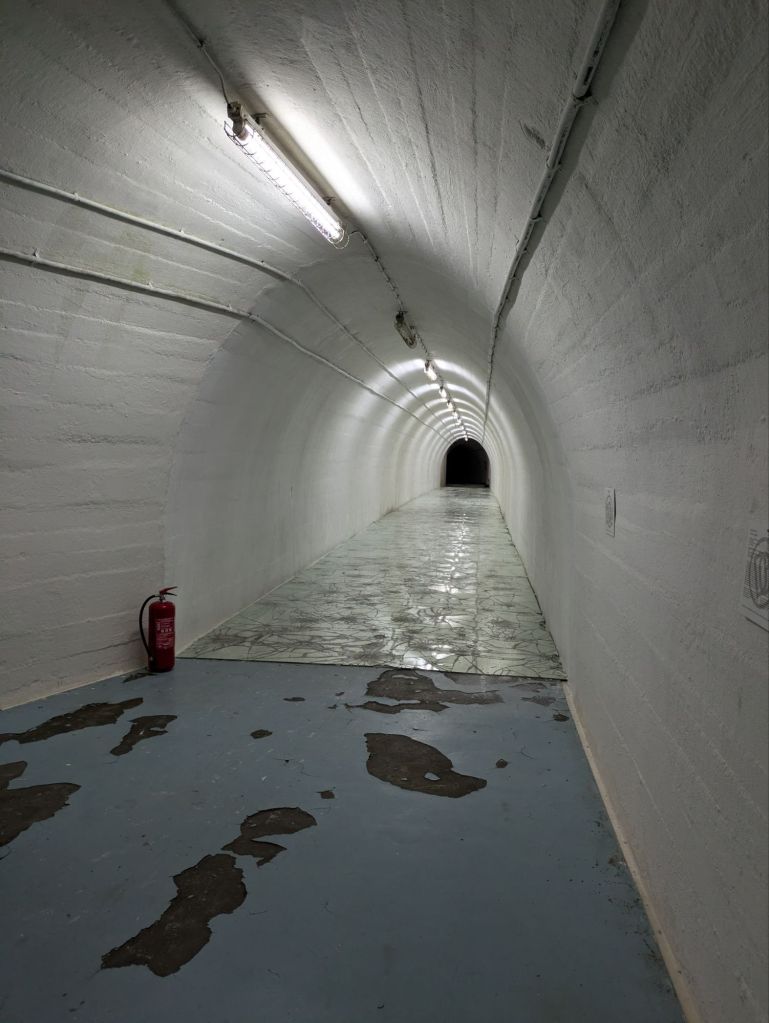
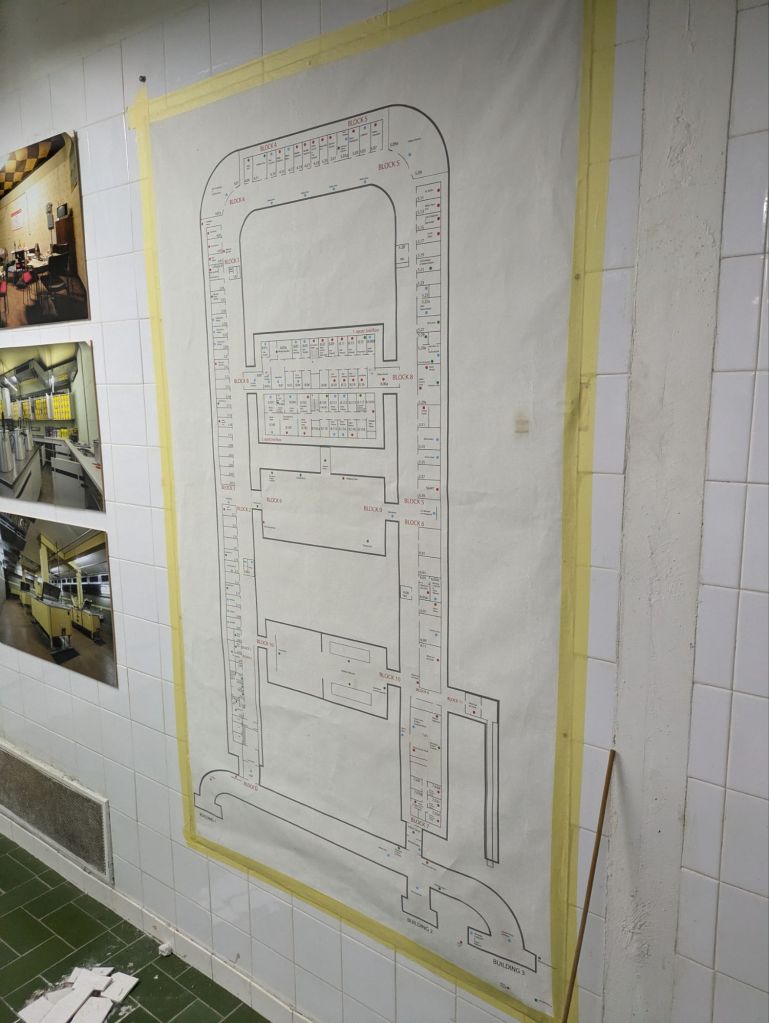
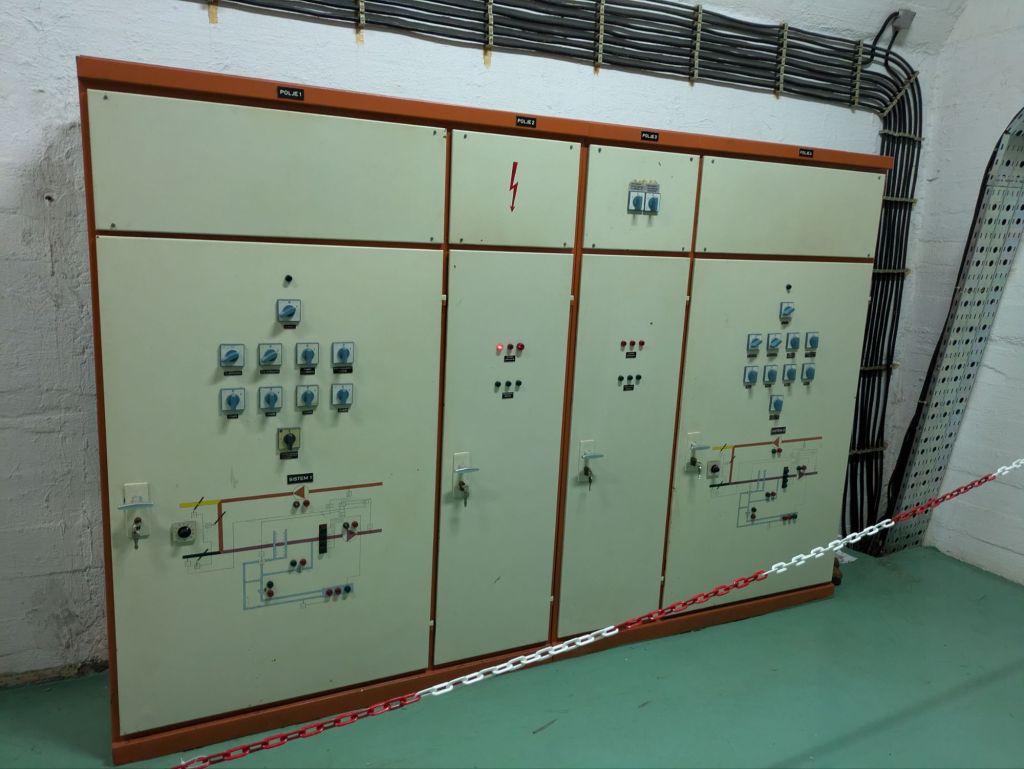
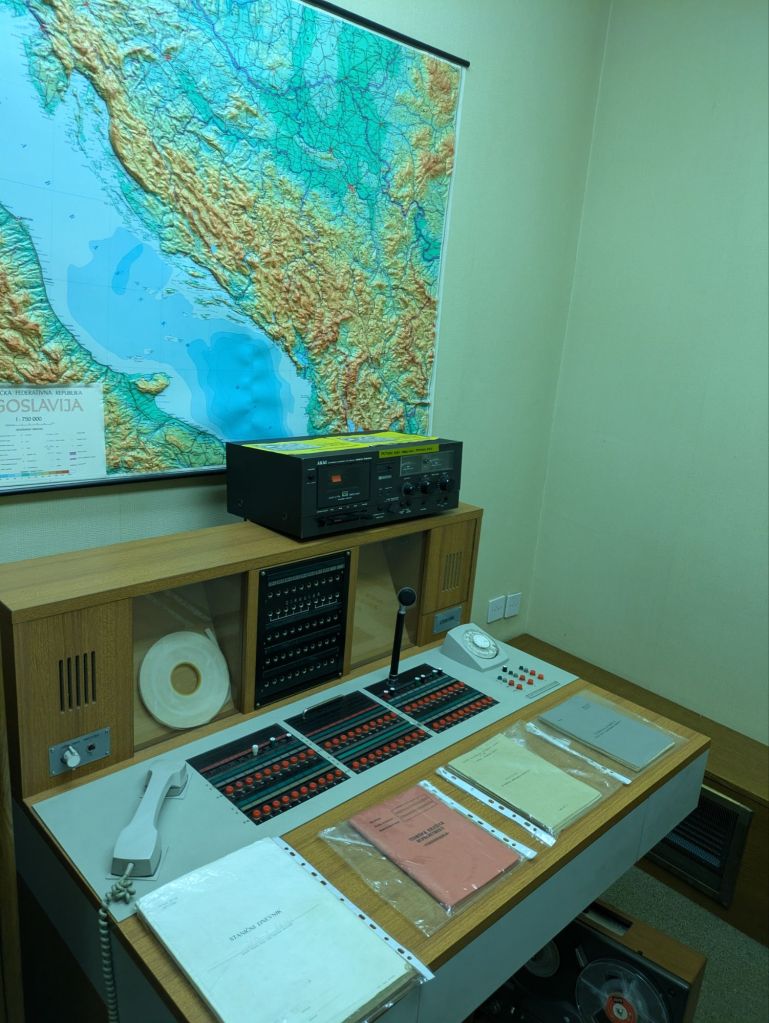
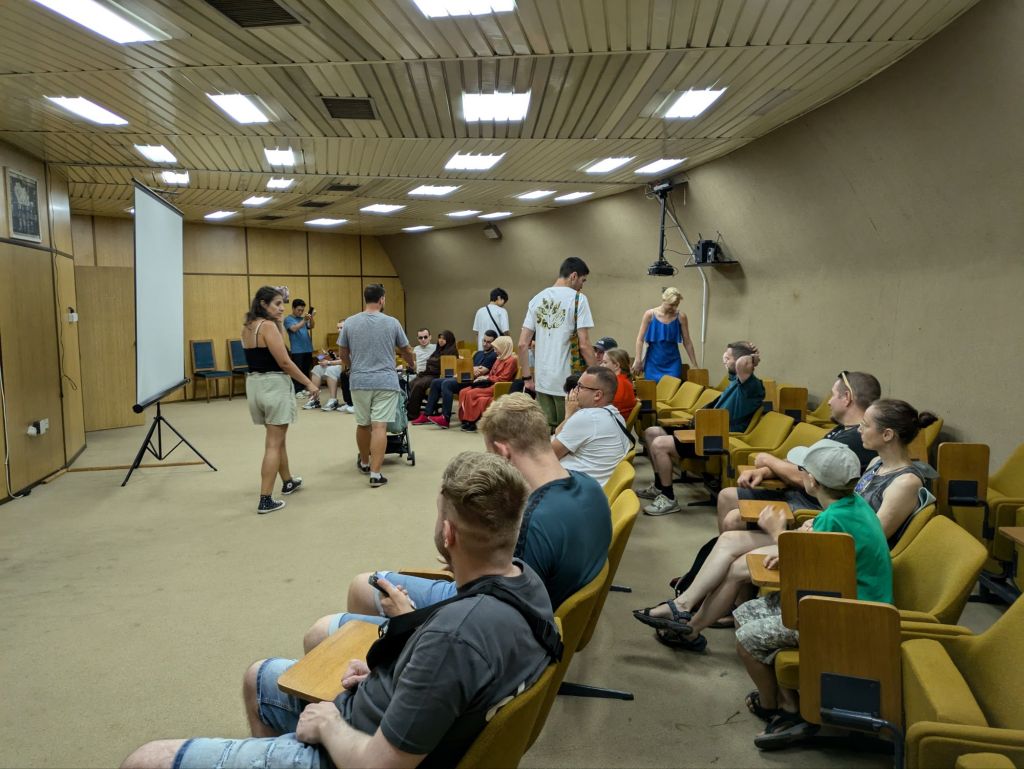
Konjic is a picturesque town about an hour west of Sarajevo, and much of its tourism is driven by the fact that “Tito’s Bunker,” a huge underground complex created over decades to provide protection during and after a nuclear attack, is located nearby. Officially known as “Armijska Ratna Komanda D-0,” its existence was a state secret known by only a select few until the breakup of Yugoslavia in the 1990s. Nowadays it wouldn’t be strong enough to withstand the strength of current bombs, and so it’s been turned into a tourist attraction, with guided tours running three times per day. The bunker complex is built into the side of a mountain, and its entrances are hidden within plain-looking low buildings near an ammunition factory. It’s amazing how well the secret was maintained, especially given how large and complex the bunker is. The electricity generation, water treatment, and air conditioning systems all still continue to work, and much of the technology was state of the art at the time of construction in the 1950s-1970s.

Bosnian Pyramids
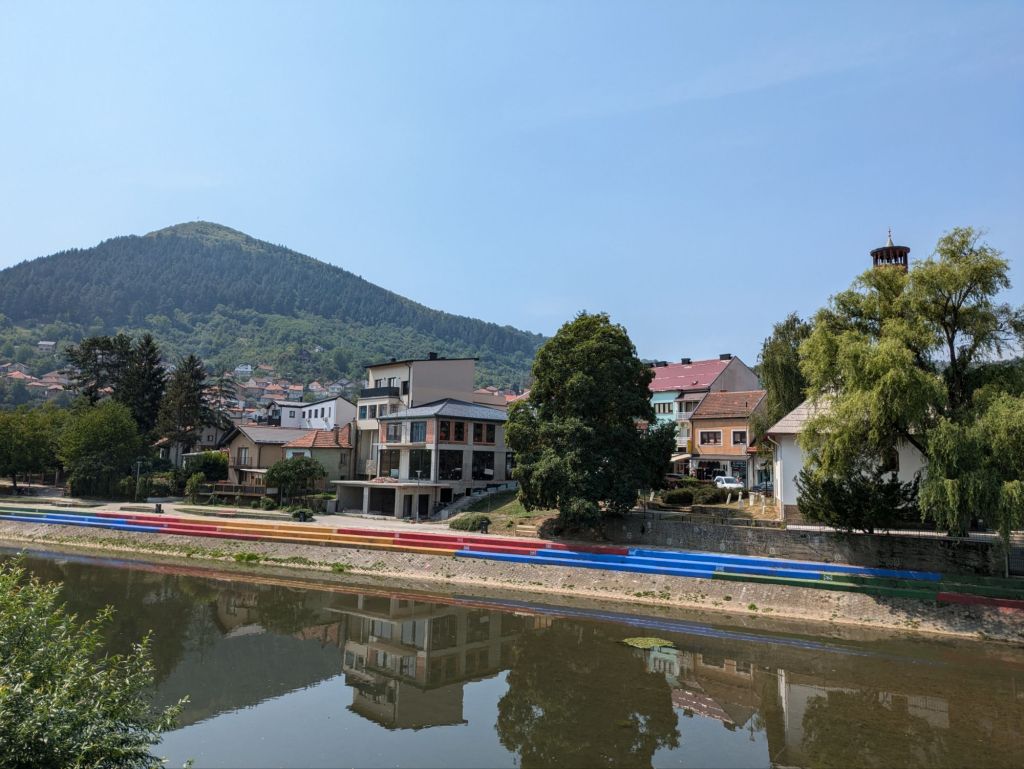
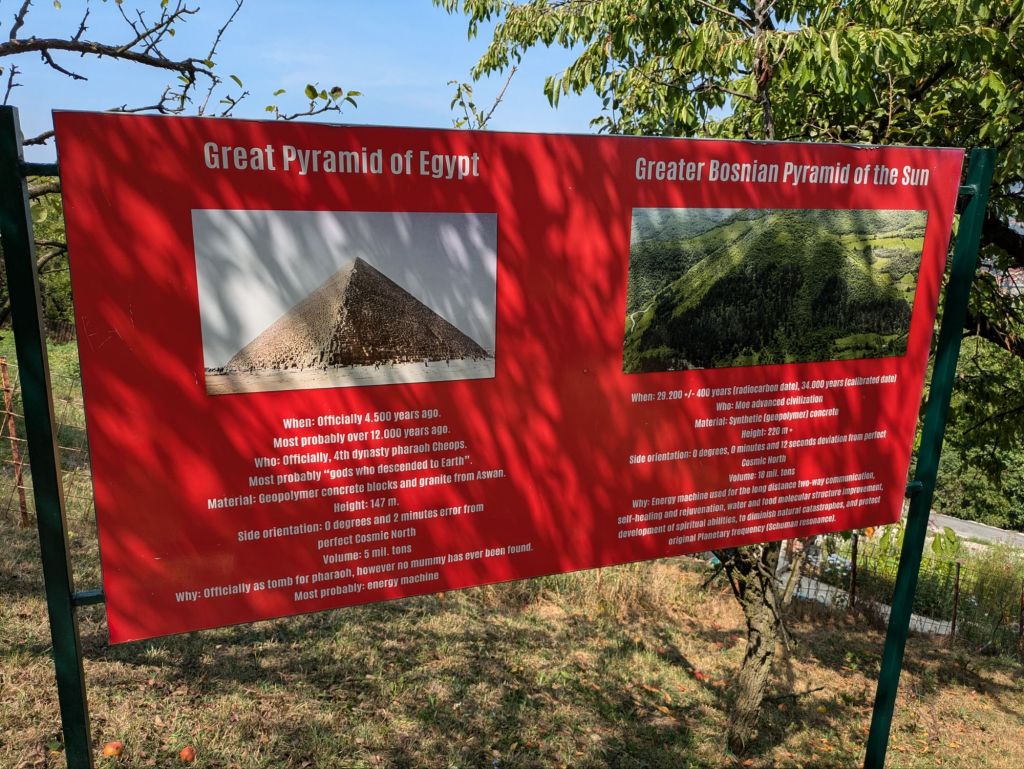
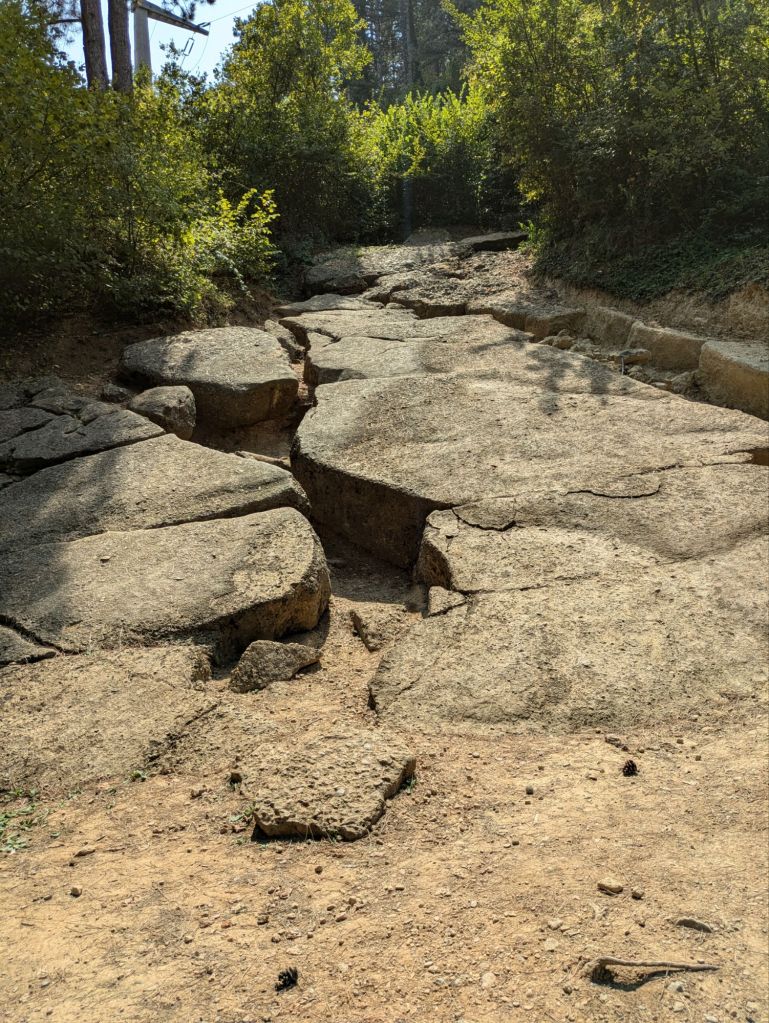
Just north of Sarajevo is a collection of hills which a Bosnian-American touts as actually being ancient structures, mainly pyramids. In particular the largest hill is said to be the Bosnian Pyramid of the Sun. While I was of course suspicious of these claims, I wanted to have a look for myself to see what the fuss was about, and to see how realistic it was that these are actually ancient pyramids that predate Egypt’s by tens of thousands of years. Let’s just say that I’m skeptical. But it was interesting to see how pyramidal in shape these hills are, and there has been a decent amount of work showing how well aligned the hills are with each other, along with how well aligned the main hill is with true north. While most scientists are convinced that the hills are all natural formations, there are some scientists from around the world who are believers. It would be truly remarkable if these were man-made, of course. I’m not sure what evidence would be required to create a consensus around these having been created by humans.
The Bosnian pyramid claims are pseudoarchaeological theories put forward to explain the formation of a cluster of natural hills in the area of Visoko in central Bosnia and Herzegovina. Since 2005, Semir Osmanagić, a Bosnian-American businessman based in Houston, Texas, has claimed that these hills are the largest human-made ancient pyramids on Earth. His claims have been overwhelmingly refuted by scientists but he has proceeded to promote the area as a tourist attraction. (Wikipedia)
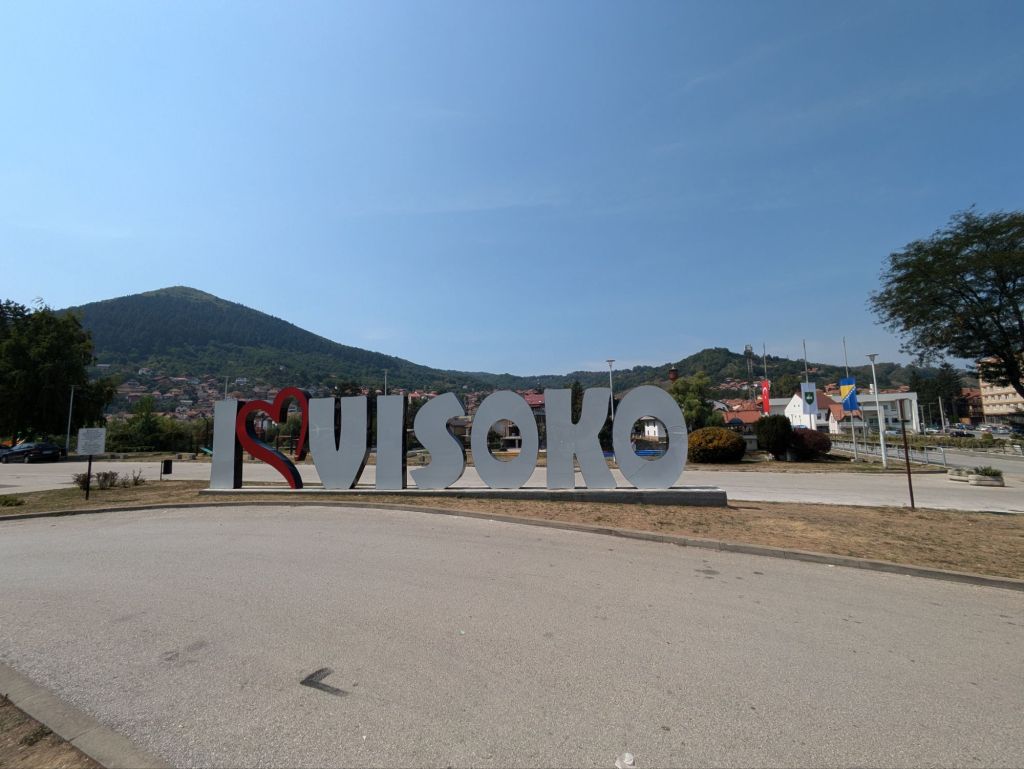
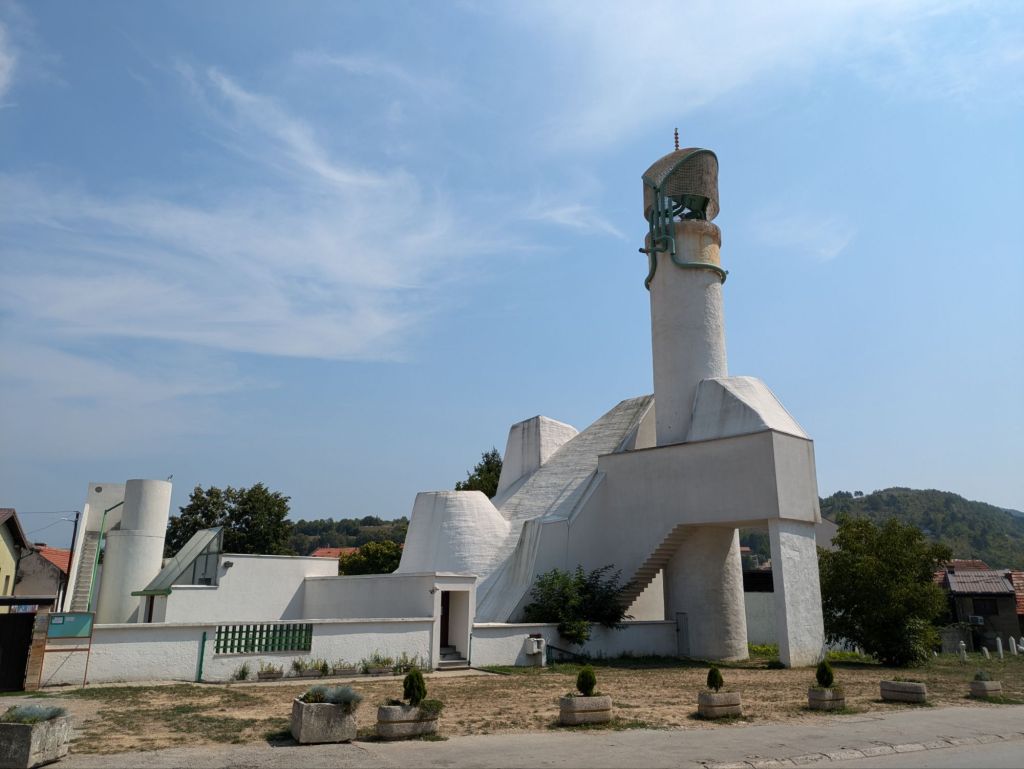
The town in between the formations is called Visoko, not one of the lovelier Bosnian towns. But I did enjoy climbing up the side of the “Pyramid of the Sun” and looking out over the valley (other than being pestered by young Roma girls and women asking for money, while they occasionally muttered something about “mafia”).

Neum (Adriatic seaside town)
Bosnia and Herzegovina (BiH) has the world’s second-shortest coastline of any seaside country, with only Monaco having less. BiH has about 12 miles, with Croatia having over 4,000 miles! The only reason that BiH has any access to the sea at all is due to a give-away to the Ottomans for protection of Dubrovnik from the Venetians in 1699, and that historical setup carried forward to today:
In the Great Turkish War of the late 17th century, the city-state of Dubrovnik allied itself with the Ottoman Empire, but that didn’t end well. The 1699 Treaty of Karlowitz gave a lot of the Ottoman lands in the Balkans to the victors: the Habsburg Empire and Venice. Dubrovnik was so afraid of a Venetian attack that it gave away a tiny tract of land on its northern tip to the Ottoman Empire, to give itself a buffer against Venice. That fateful decision made Neum a permanent part of the region’s Ottoman-ruled provinces: Bosnia and Herzegovina. (Condé Nast Traveler)
But this caused issues for Croatia after the breakup of Yugoslavia because another country now cuts Croatia’s coastline into two. So until recently, to drive between Split and Dubrovnik, two of the main cities in Croatia, one had to drive through BiH to get there! In fact, I took this route on a bus ride back in 2021 from Dubrovnik to Split, which required going through border control twice. This driving route became more congested over the years as tourism increased dramatically in Croatia. And it was untenable for Croatia to join the Schengen Area, which requires both “check in” and “check out”, which would have added a third border control point to the drive. To solve both of these issues (traffic and a barrier to Schengen membership), a large bridge was constructed between the northern Croatian mainland and a large, long peninsula jutting out from Croatia’s southern mainland, fronting Neum’s coastline. In this way, one can remain in Croatia, never having to pass through BiH, while driving between northern and southern Croatia. The bridge opened in July 2022, and Croatia officially joined the Schengen Area in January 2023, allowing for people traveling from other Schengen Area countries (28 other European countries as of this writing) to enter freely without a visa. The bridge was constructed by the China Road and Bridge Corporation (Chinese state-owned) at a cost of over 420 million euros. It was the first time a Chinese company won the bid for a project funded by the European Union! The bridge is free to drive across, and I drove over it in October 2023, though strangely I have almost no memory of having done so – I guess I was tired of driving by that point, after having driven up from Montenegro. One can clearly see the bridge in the distance from Neum.
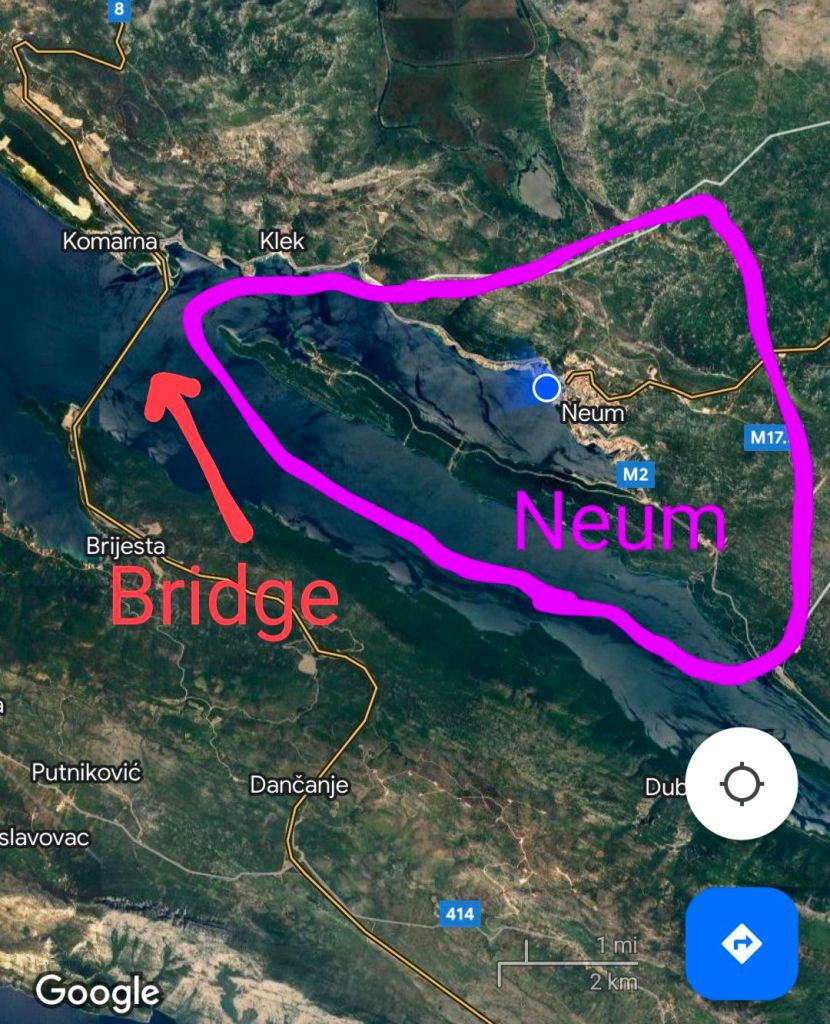
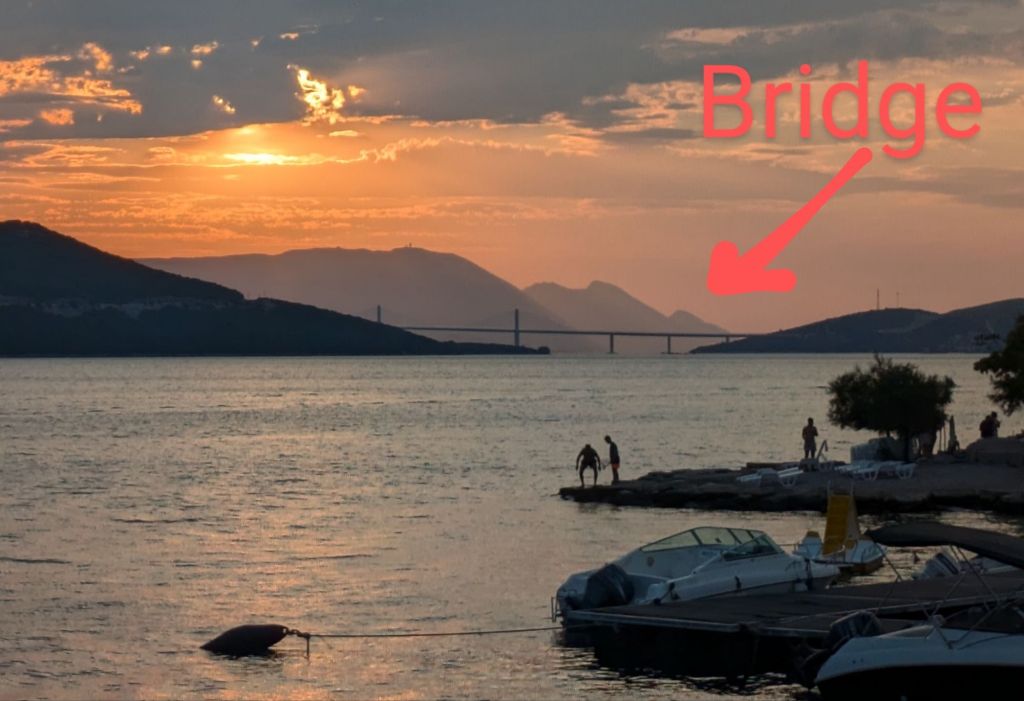
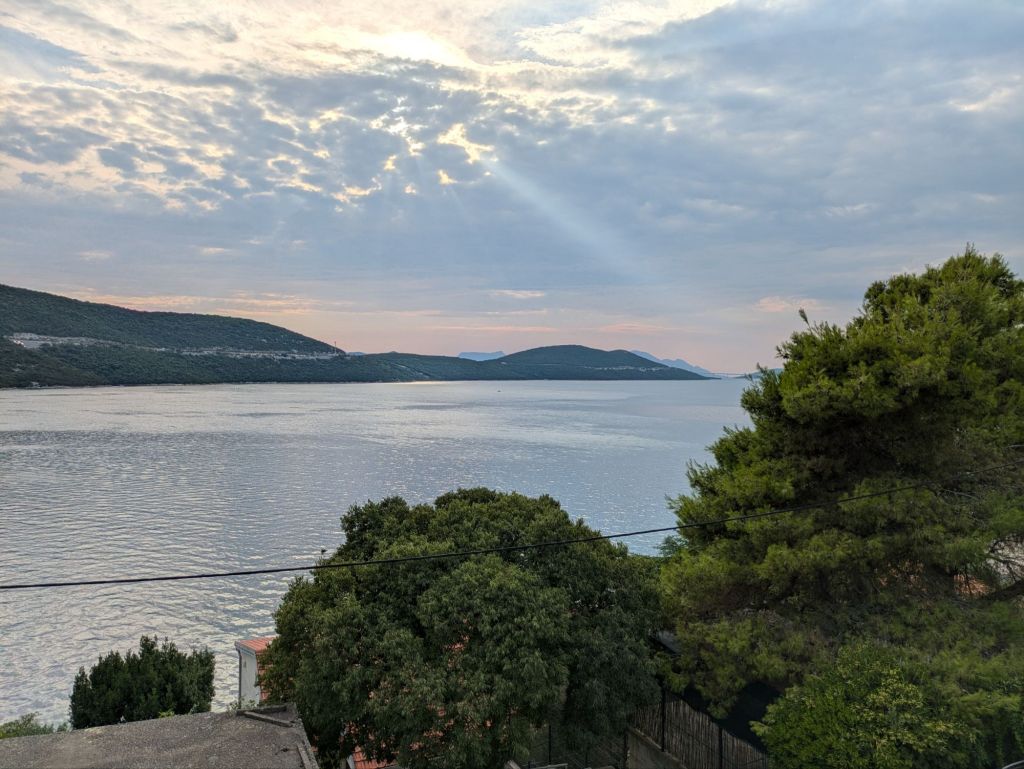
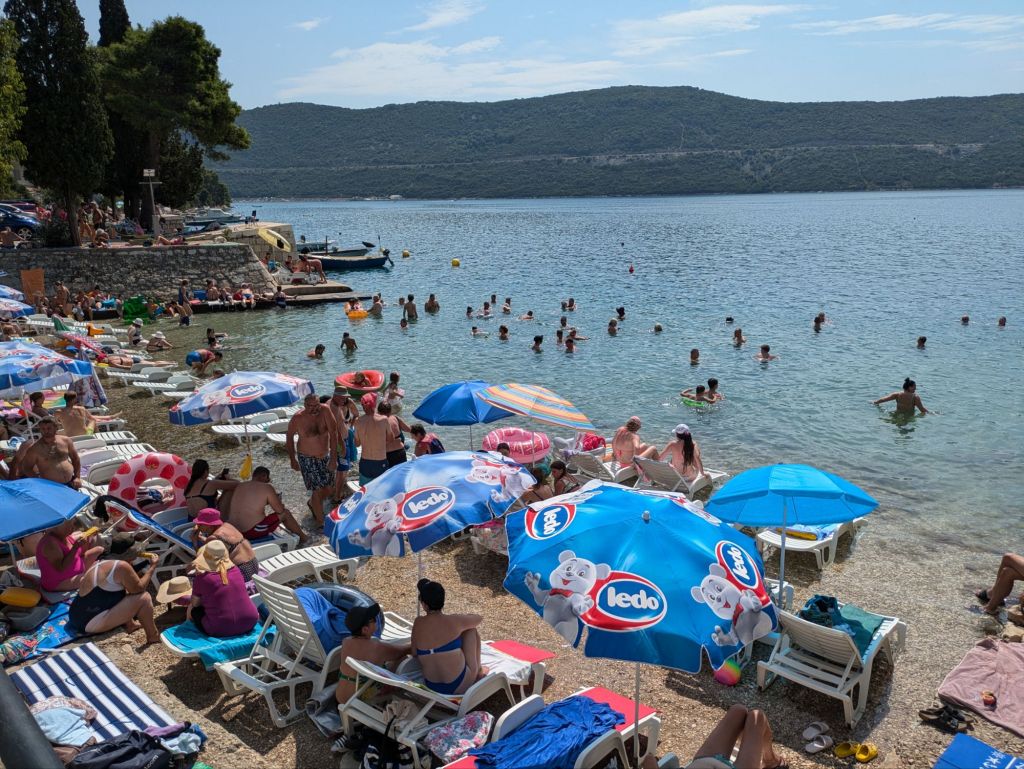
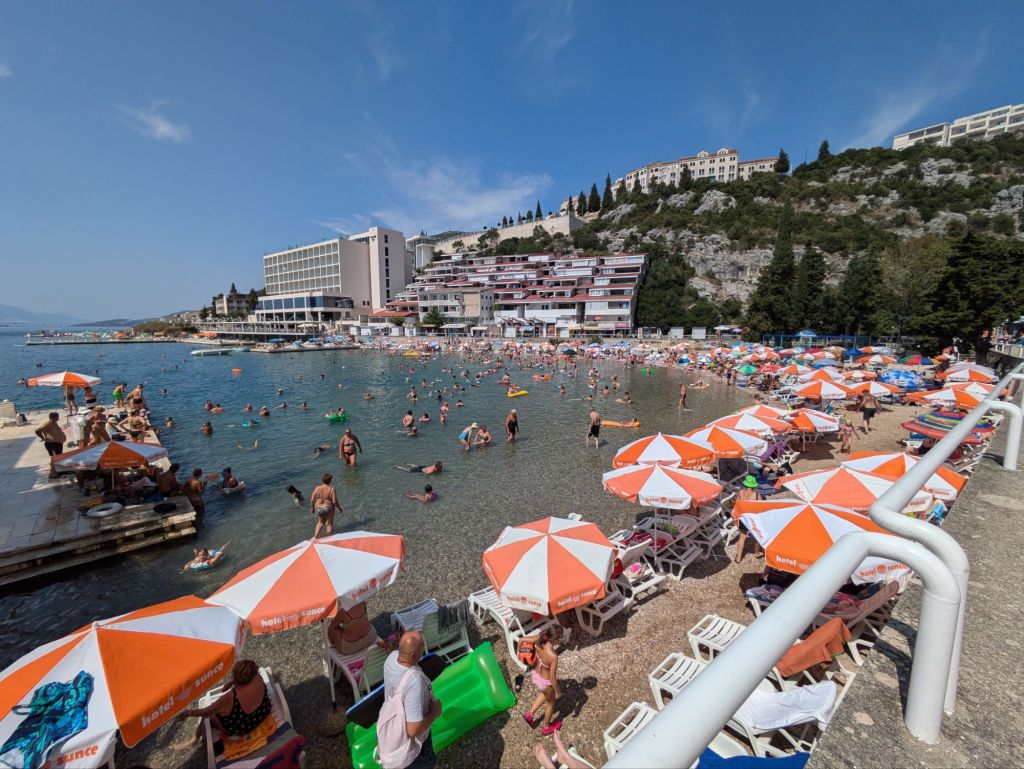
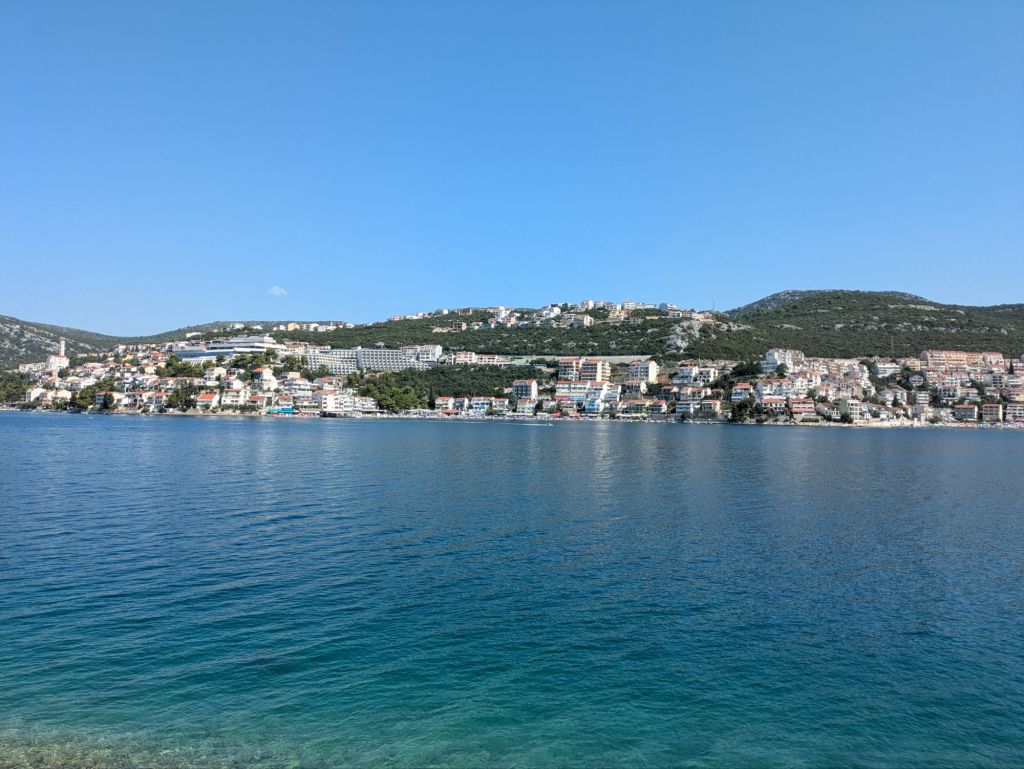
Neum is Bosnia’s “Myrtle Beach” – overcrowded and somewhat cheesy. But it’s also sort of charming with its retro vibe. And it’s the same natural coastline that Croatia has, so it’s inherently beautiful. And even the overbuilding is attractive in that it ascends up the hillside in an impressive way, though the streets are correspondingly painfully narrow and treacherous. Half of BiH’s population seemed to be vacationing in Neum, and there are a couple of huge hotels in town housing hundreds of guests each. But I’ve got to say that one thing noticably absent is drunkenness and rude behavior in general. It feels like seaside places in the US, Spain, Italy, the UK, Ireland, and elsewhere would be packed with groups of loud, drunk revelers. That’s absent here, at least in my experience during several days – it’s got more of a multi-generational family vibe, so it feels more innocent and manageable.
The only dangerous activity I’ve seen (besides driving and walking these narrow streets) is that people often swim pretty far from shore, while jet skis and boats frequently venture in close to the shoreline, normally at high speeds, weaving between bobbing heads. Luckily I didn’t witness any decapitations.

Blagaj
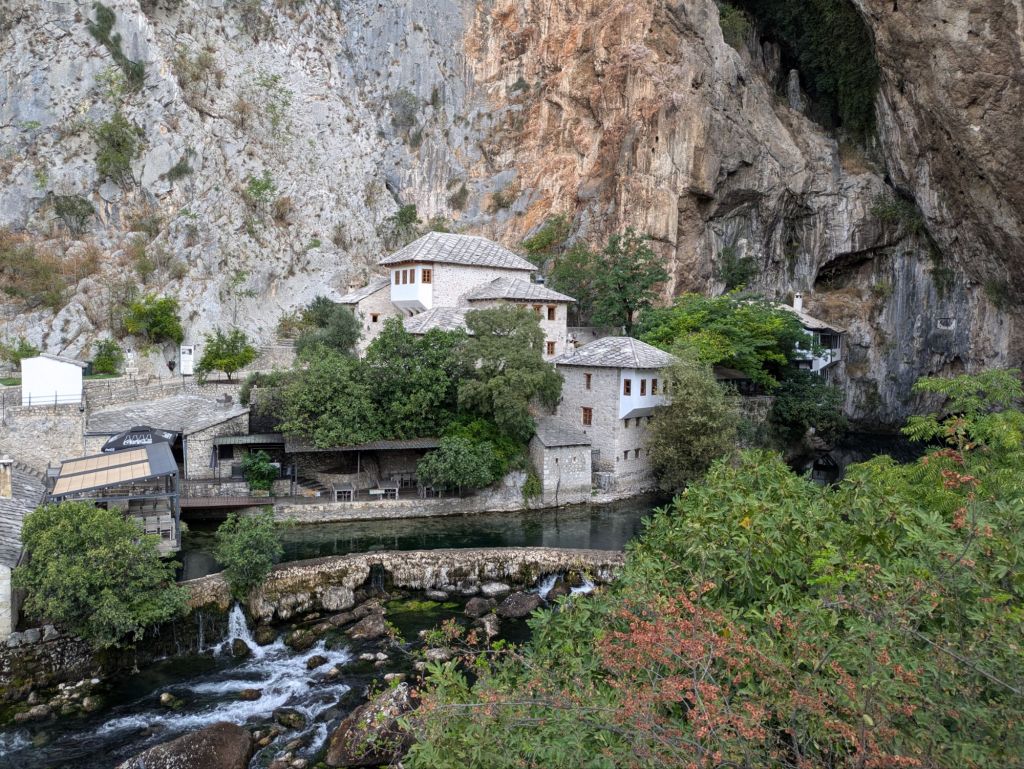
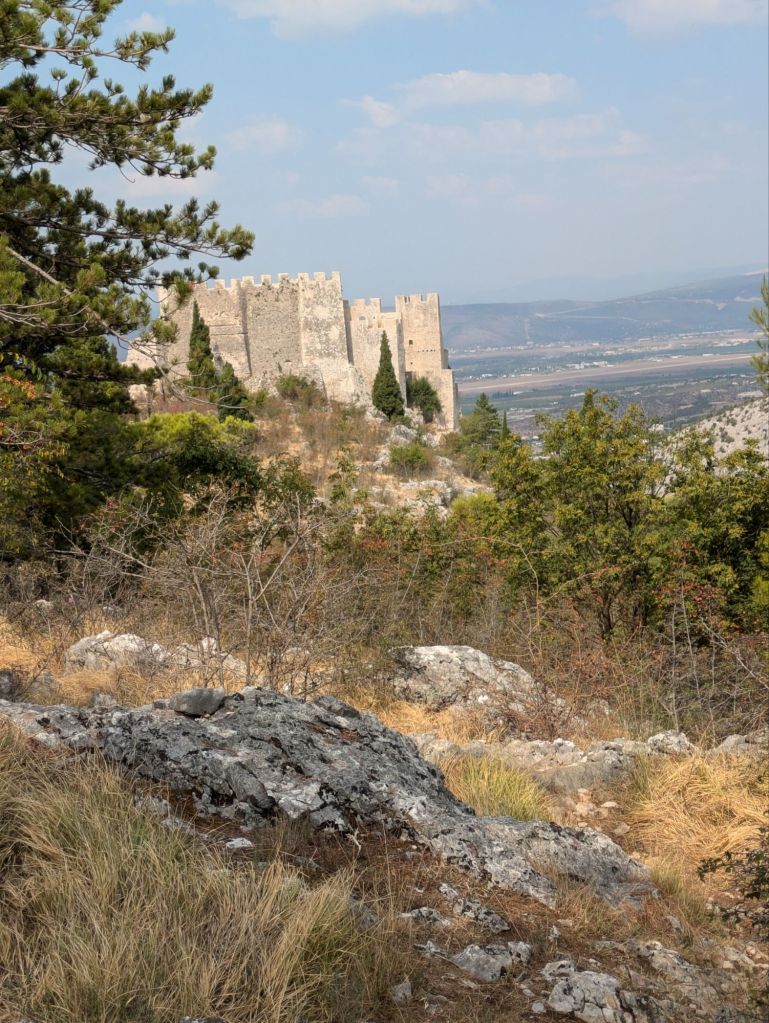
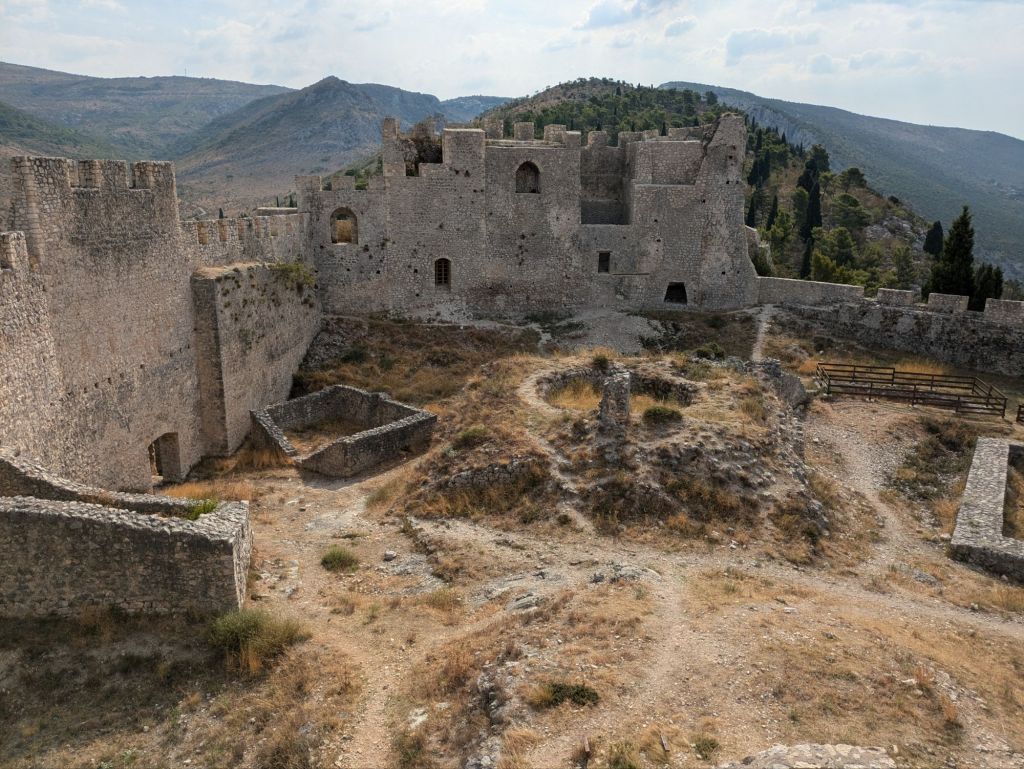
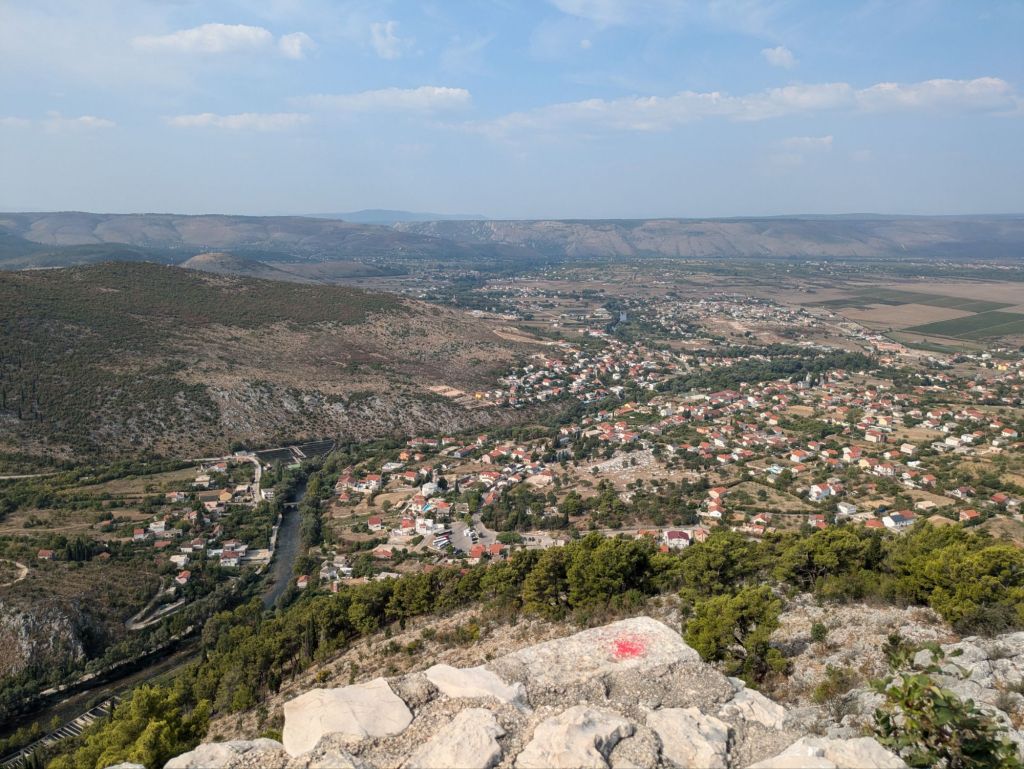
On the way back from Neum to the Sarajevo airport, I took a short detour to visit a couple of sites in the town of Blagaj. Blagaj Tekke is a monastery built for the Dervish, an Islamic Sufi fraternity. It’s an old structure from the 1500s, located at the source of the local river. The Blagaj Fortress is perched on a cliffside above the town. I used my mapping apps to find my way up, but I lost the trail along the way and so ended up climbing and scrambling up treacherous scree. The original fortress was built in the 300s, and it was rebuilt in 948 – it’s an old one! There are excellent views from the walls, and no one else was there during my visit.
Today’s Bosnian tidbits:
- While walking in a park just outside of Sarajevo, a group of three people approached me, and a woman in the group stepped right up to me and said “Out, out!” She made a gesture with her arm, and wasn’t smiling. I stood for a moment, perplexed, believing that she was telling me that I needed to leave the park. But I had paid to get in, and I couldn’t see what I could possibly have done to offend this lady. Then, presumably reacting to my puzzled expression and lack of response, she said, “How do we get out?” Haha! I admitted to her that I had understood that she was telling me to get out, which we all got a good laugh at. Presumably they weren’t Bosnian or former Yugoslavs because she spoke in English right away, unless she could just tell I wasn’t from around there (which is common). But in any case, the original question didn’t sound like a question, and she had looked perturbed, and she stood closer to me than I would have expected. These kinds of cultural differences can certainly lead to misunderstandings like this one.
- One theme I heard from both Sarajevo tour guides and from both of my Bosnian work acquaintances was that the system of government put into place in Bosnia and Herzegovina through the 1995 Dayton Accords peace agreement which ended the war in Bosnia is overly complex and greatly reduces the effectiveness of governance. Like many things in BiH, it’s complicated! Here’s a snippet from Wikipedia:
The Federal Government has a prime minister and 16 ministers. It must be composed of eight Bosniak, five Croat and three Serb ministers. One minister from the minority may be nominated by the Federal prime minister from the quota of the largest constituent people. According to the Constitution, the 15% of the members of the Government must come from one constituent nation. A minimum of 35% of the members of the Government must come from two constituent nations. Also, one member of the Government must come from the group of the Others (minorities). The Federal Government must have two deputy prime ministers from the other two constitutive nations. (Wikipedia)
Today’s suggested music video: Perhaps the best German and Japanese collaboration ever?! Certainly more fun than when they got together in the 1940s… If you’re put off by the German guys, wait a second for when the Japanese ladies jump in. It’s a catchy contrast.
Today’s travel trivia: What’s the smallest country in Africa?
An argument can be made that it’s Spain!!

 Major Meander