The previous post on Sarajevo described some of the highlights from a visit to Sarajevo, and this current post provides additional insights into this great city, with focus on the Ottoman side and on the annual Sarajevo film festival, which was coincidentally finishing up during my visit. If you plan to visit Sarajevo one day, I can strongly recommend coming during the final days of the film festival, not only to watch one or more films, but also to experience the additional cultural opportunities going on in parallel during the festival. A Bosnian acquaintance told me that he knows of someone who visited Sarajevo during the film festival and found the city to be so fun that he decided to move there. But then after the festival was done, all the visitors returned home, and the festivities were over, and he found a very different, much quieter, city not as much to his liking, haha.
Ottoman influence
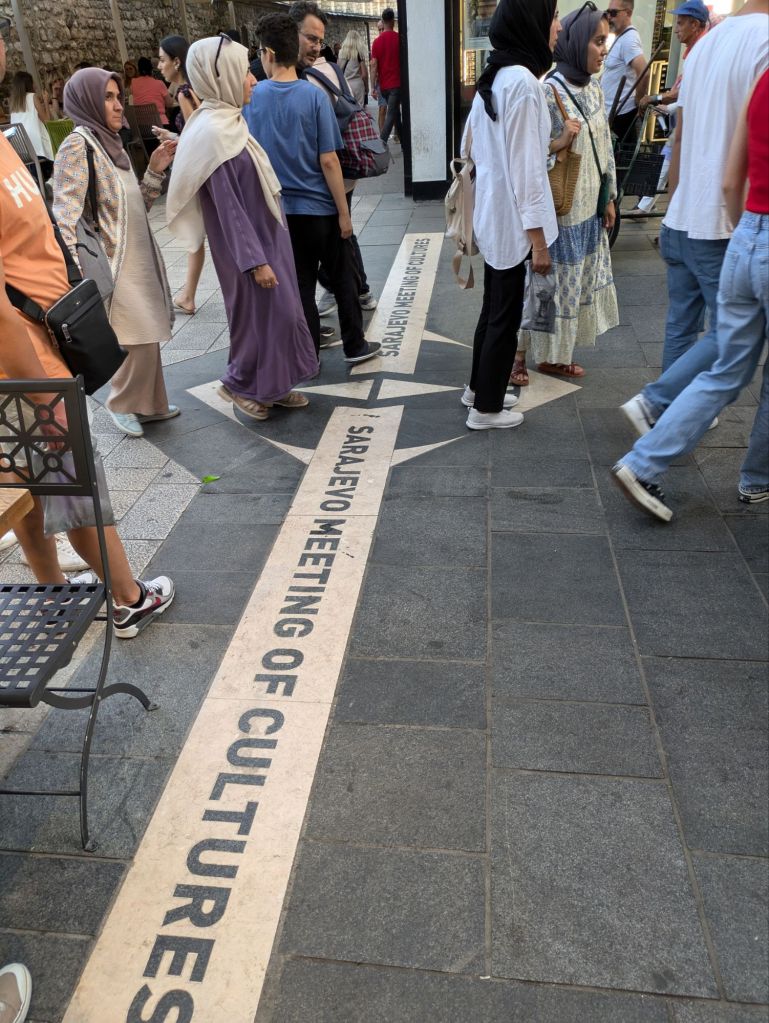
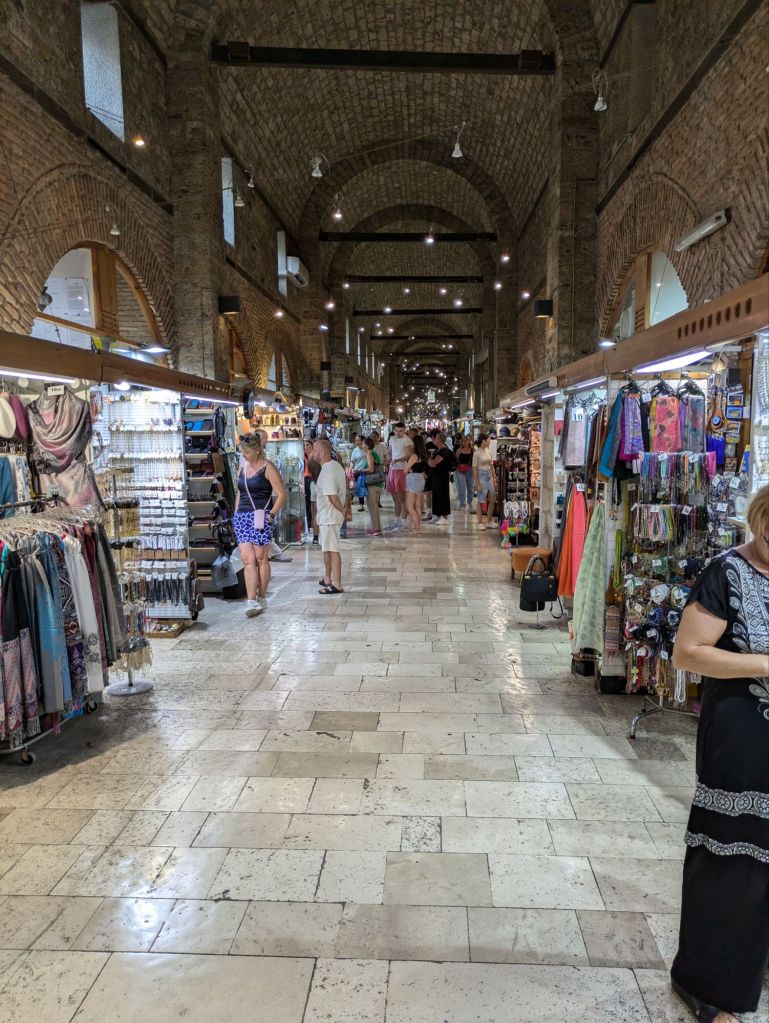
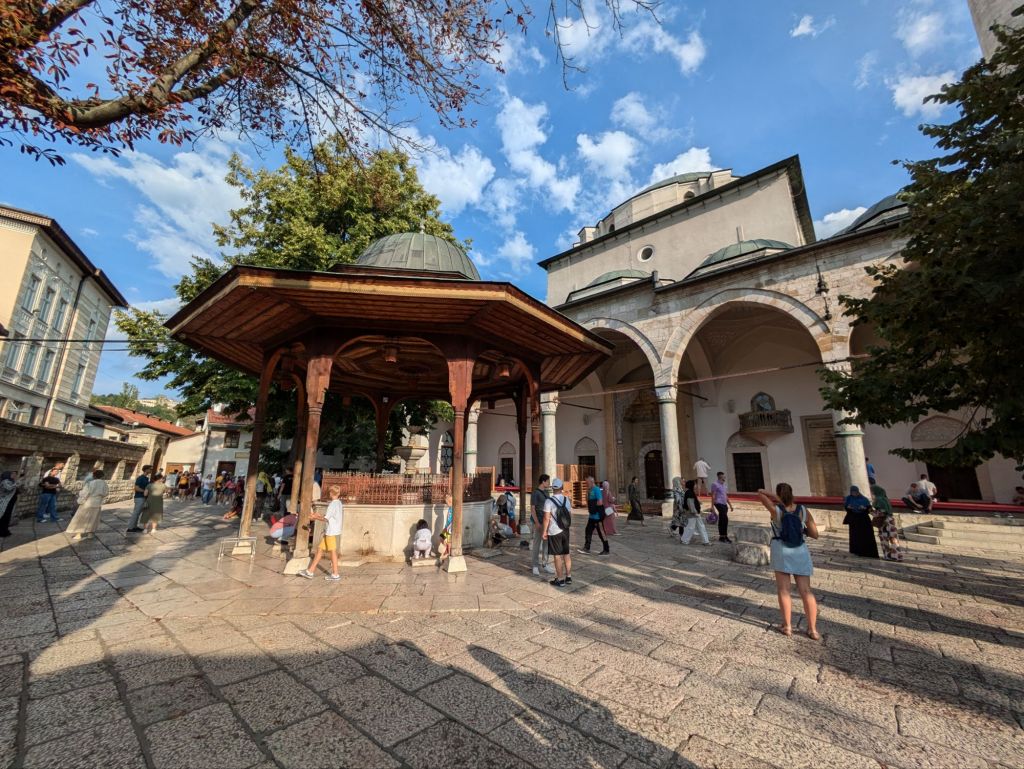
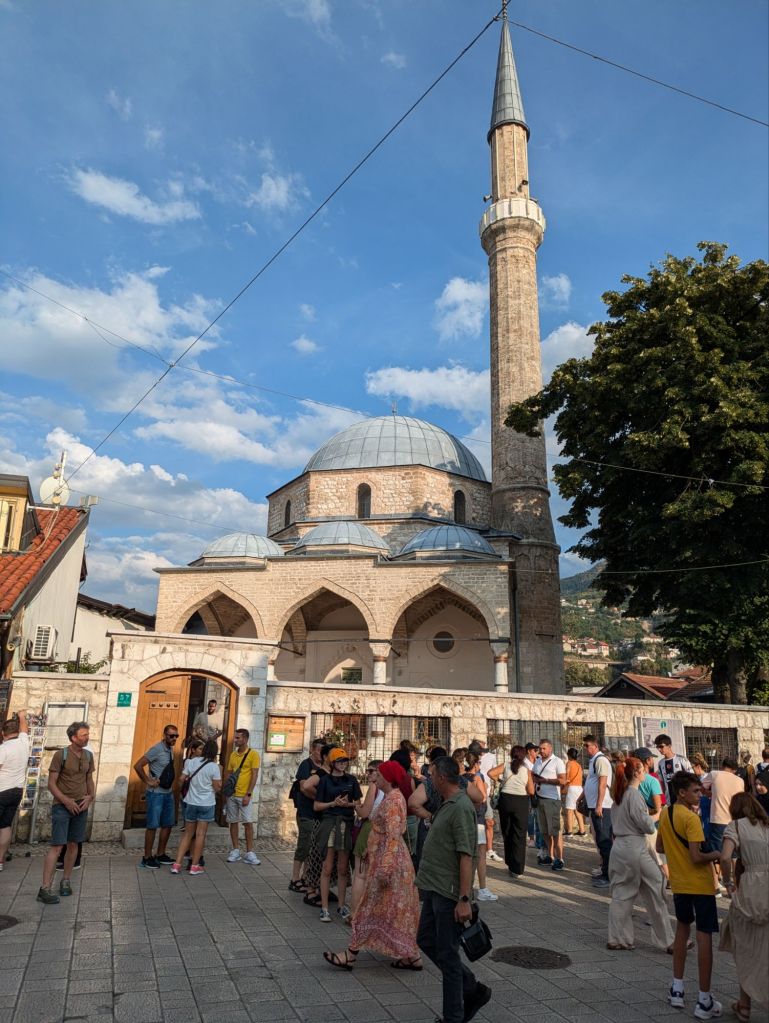
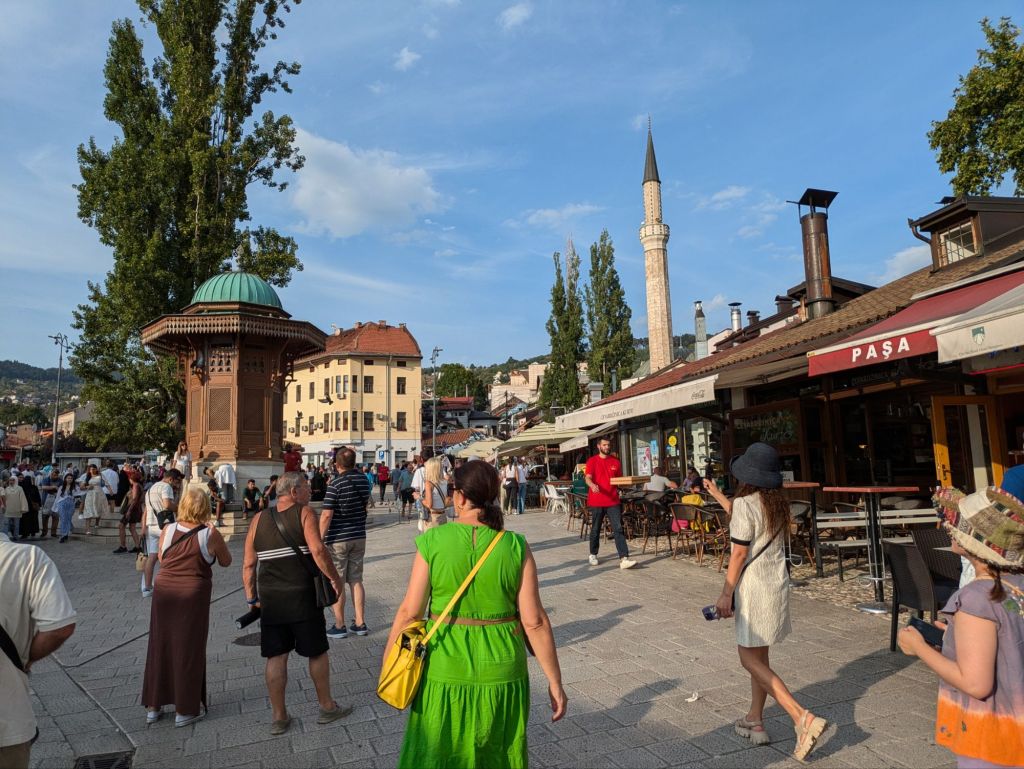
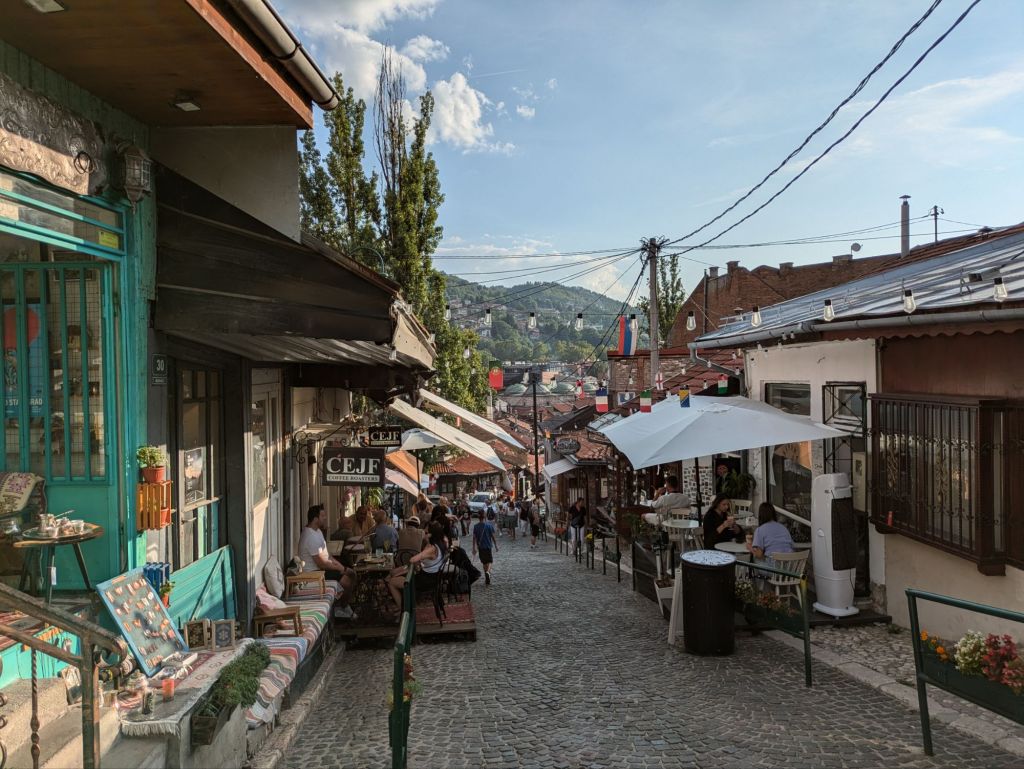
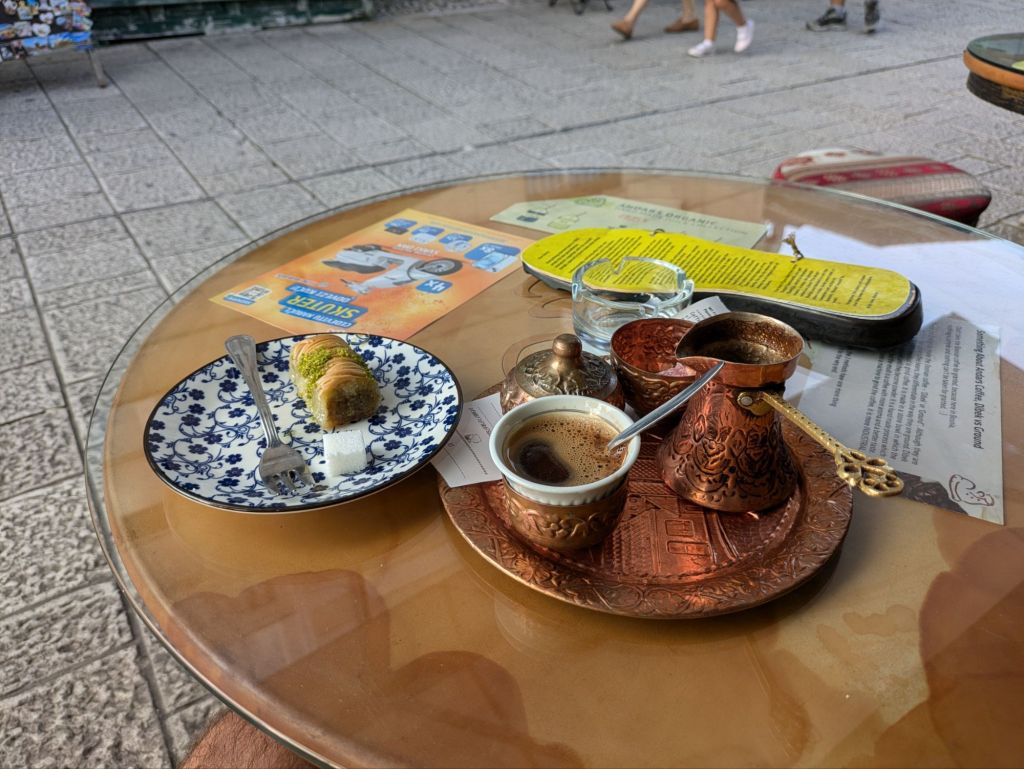
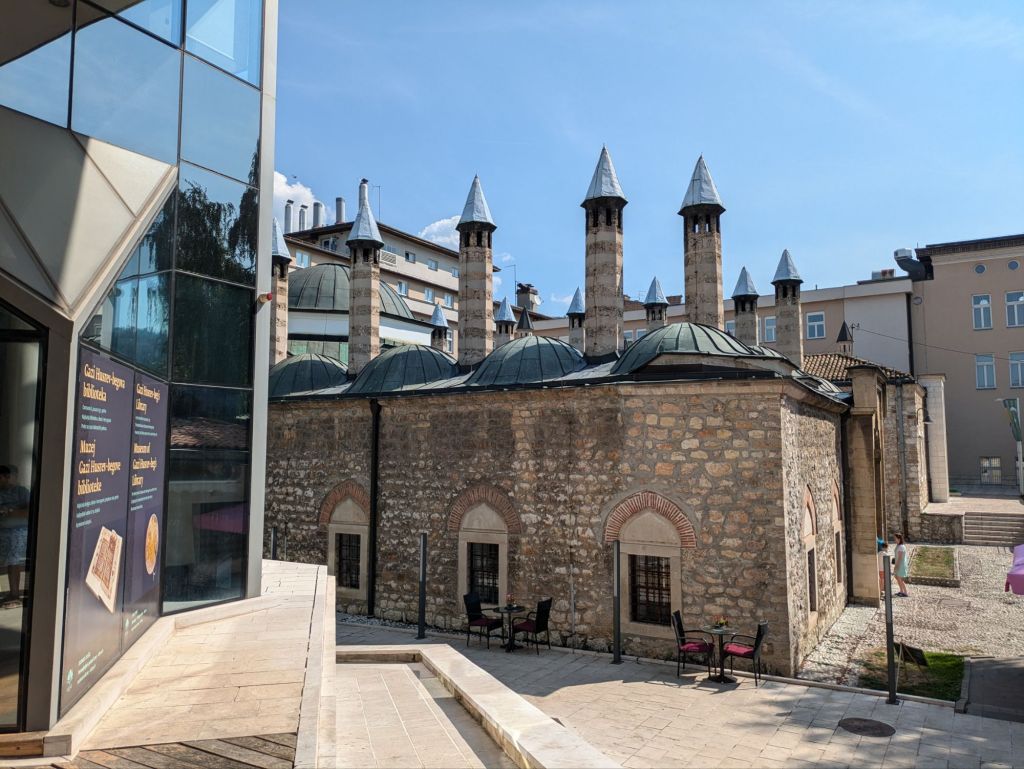
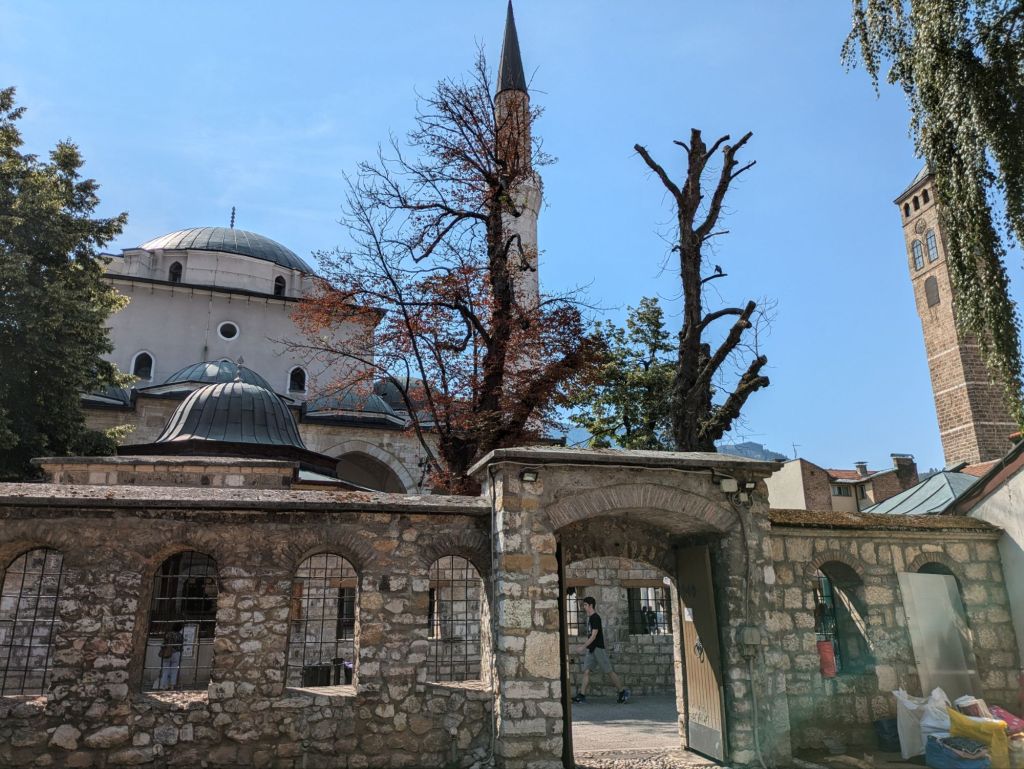
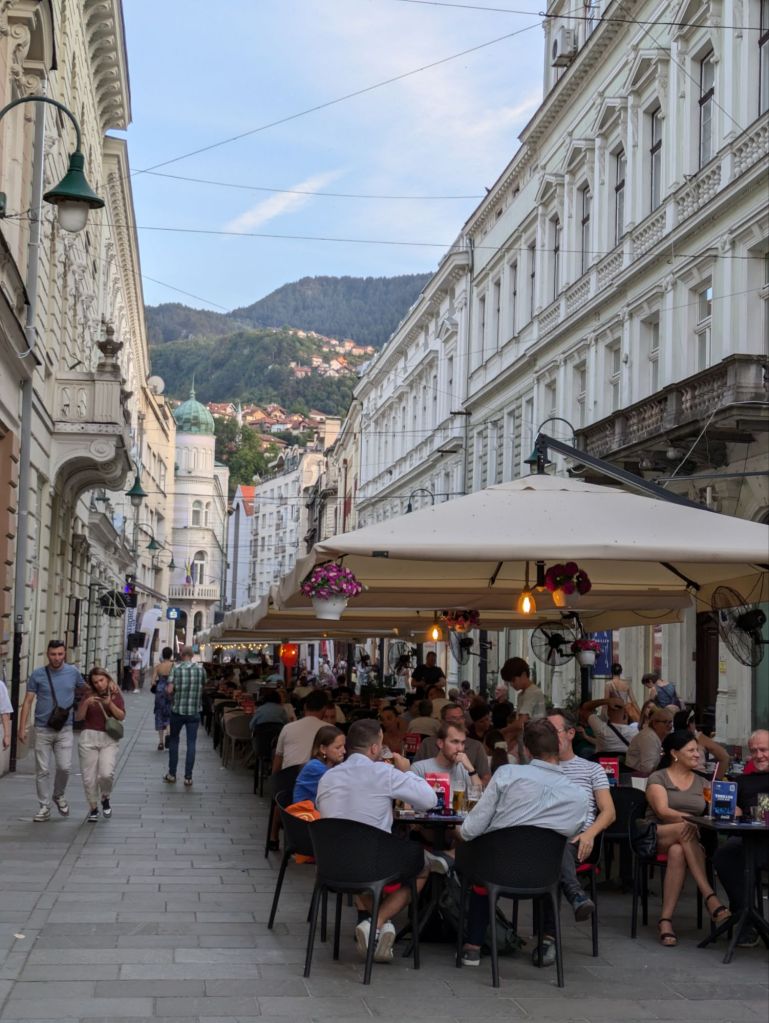
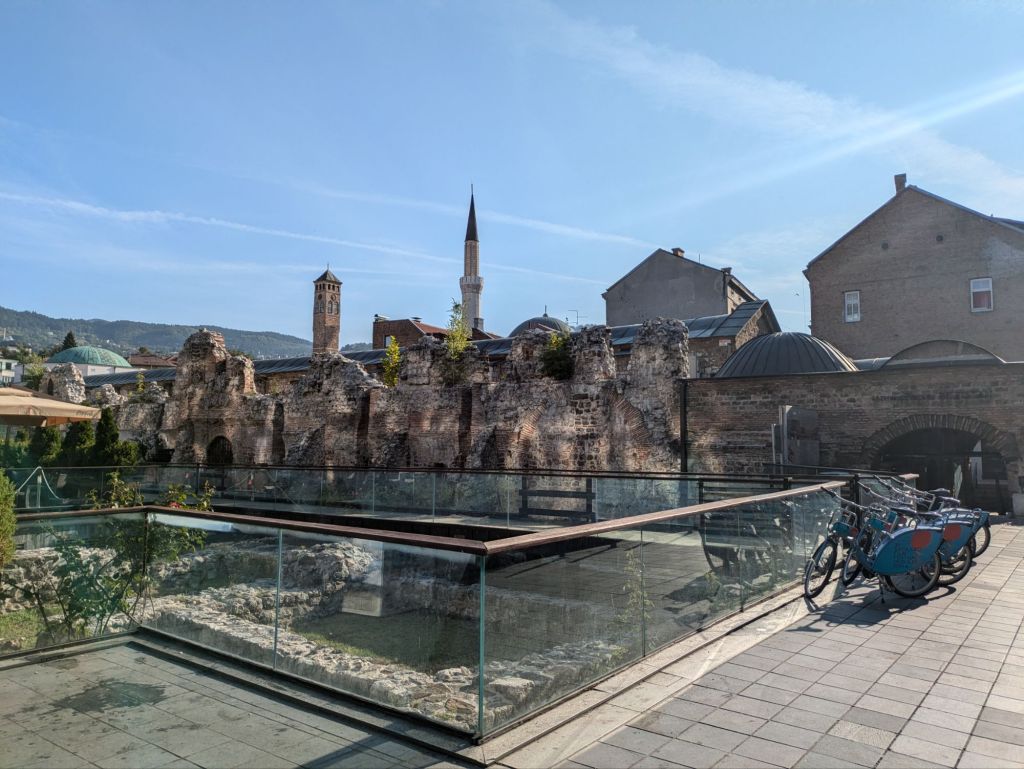
While the Austro-Hungarian side of the city is enjoyable enough, it looks and feels a lot like many other central European cities. So my preferred district was the eastern, Ottoman, side of town, where one can find innumerable coffee shops, baklava stores, Bosnian restaurants, bazaars, mosques, and jewelry shops. You can envision actually being in Turkey, but where people seem to be speaking Croatian.



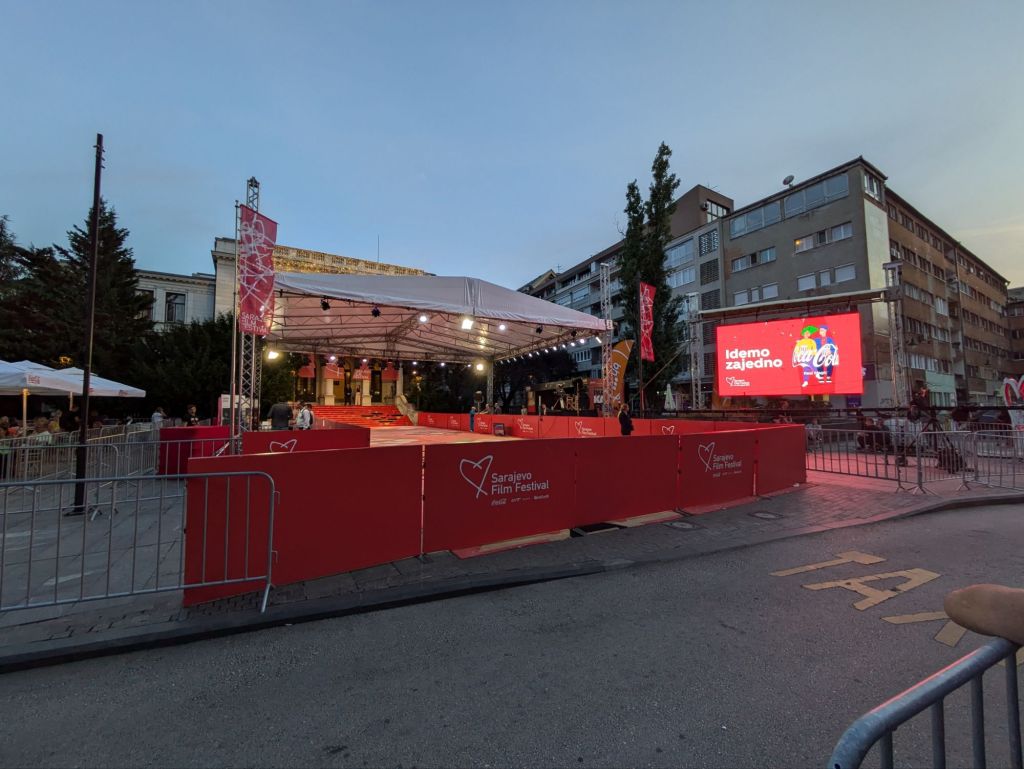
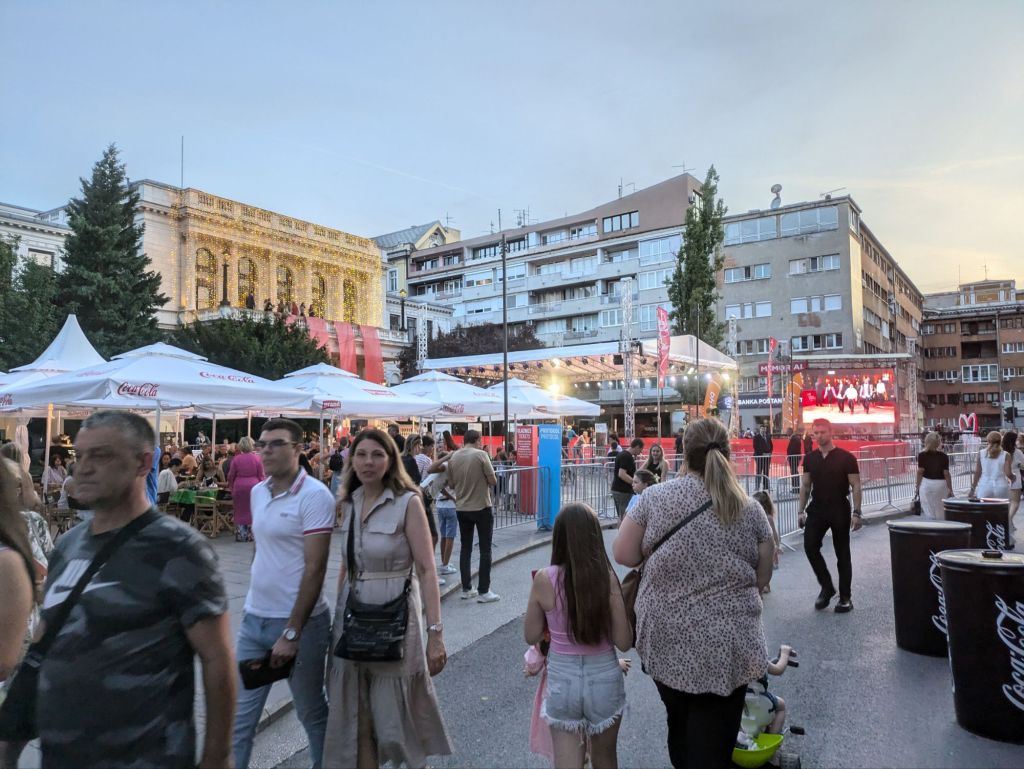
Sarajevo Film Festival
According to Wikipedia:
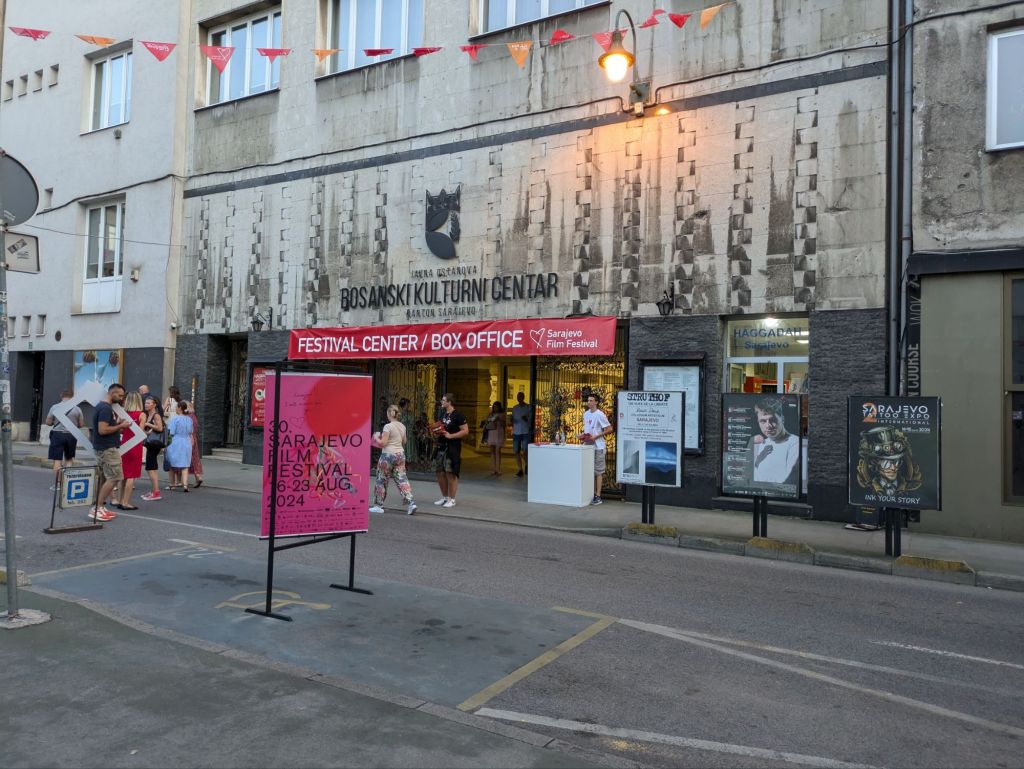
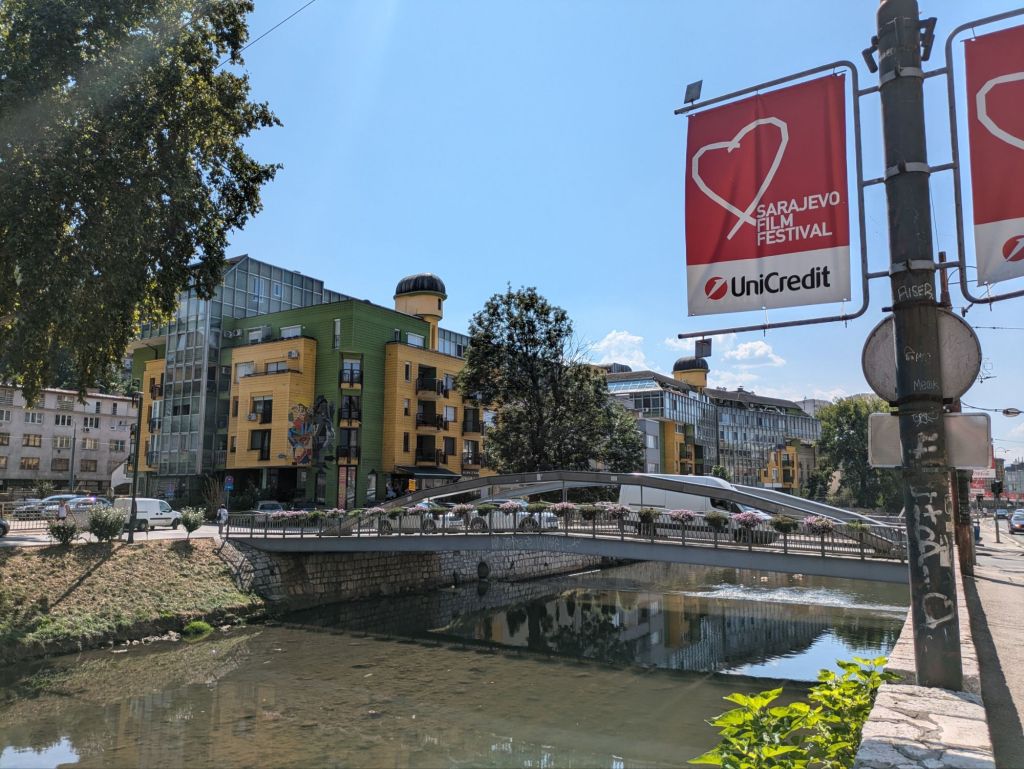
The Sarajevo Film Festival is the premier and largest film festival in Southeast Europe, and is one of the largest film festivals in Europe. It was founded in Sarajevo in 1995 during the siege of Sarajevo in the Bosnian War, and brings international and local celebrities to Sarajevo every year.
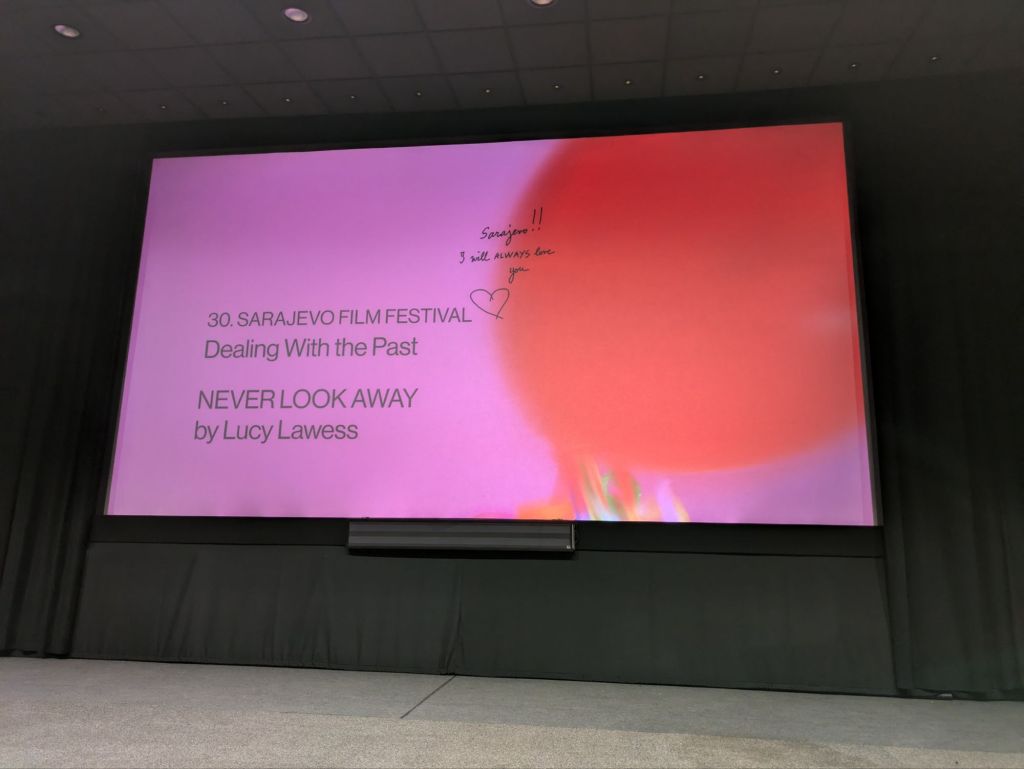
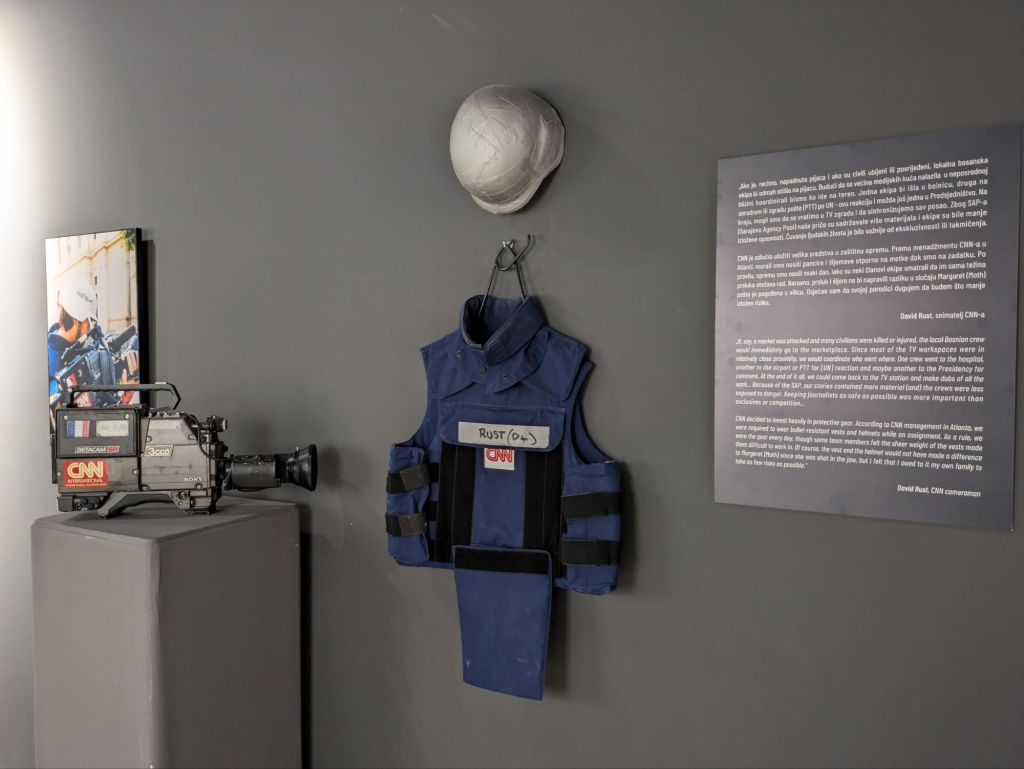
Meg Ryan and other American actors were in attendance this year, for which my Airbnb host seemed immensely proud. There were so many films showing across two dozen locations (!), that even though I only had Thursday evening and Friday to be able to see a film, my choices were almost overwhelming. After some research, including using the film festival’s own mobile app, I found a film with a direct connection to Sarajevo itself. It’s called Never Look Away, a powerful documentary about the life of Margaret Moth, a CNN camerawoman who actively sought to capture images in conflict zones around the world. She often put herself in harm’s way, and it finally caught up to her in Sarajevo during the siege, where she was shot in the jaw by a Serb sniper. She somehow survived, but even after 25 surgeries her face remained noticably disfigured, and her speech was very difficult to understand because she had lost her teeth and half of her tongue in the incident. Her fortitude was admirable, and she even returned to Sarajevo just six months later, bravely inquiring with the Serbs controlling entry back into the city, “Which one of you assholes shot me?!” She jokingly told her CNN comrades to help her find her shattered teeth in the street. The documentary includes interviews with many important people in her life, including her friend Joe, who for years sought someone to make a film of Margaret’s life after her death from cancer in 2010. He finally connected with the New Zealand actress Lucy Lawless, who made the film. Lucy is a fellow Kiwi, like Margaret was.
What made the experience all the more memorable and moving was that Joe himself was at the showing, and joined by a moderator he provided answers (in English) to her and audience members’ questions. Additionally, he asked at one point for Sarajevans who had been friends with him and Margaret during the siege to please stand, and almost all of them were in the front row with me! I like to be in the front row for movies nowadays, at least partially because no one else usually sits there, but not this time! I was wondering why I kept getting quizzical looks, haha. Oops.

Modern city
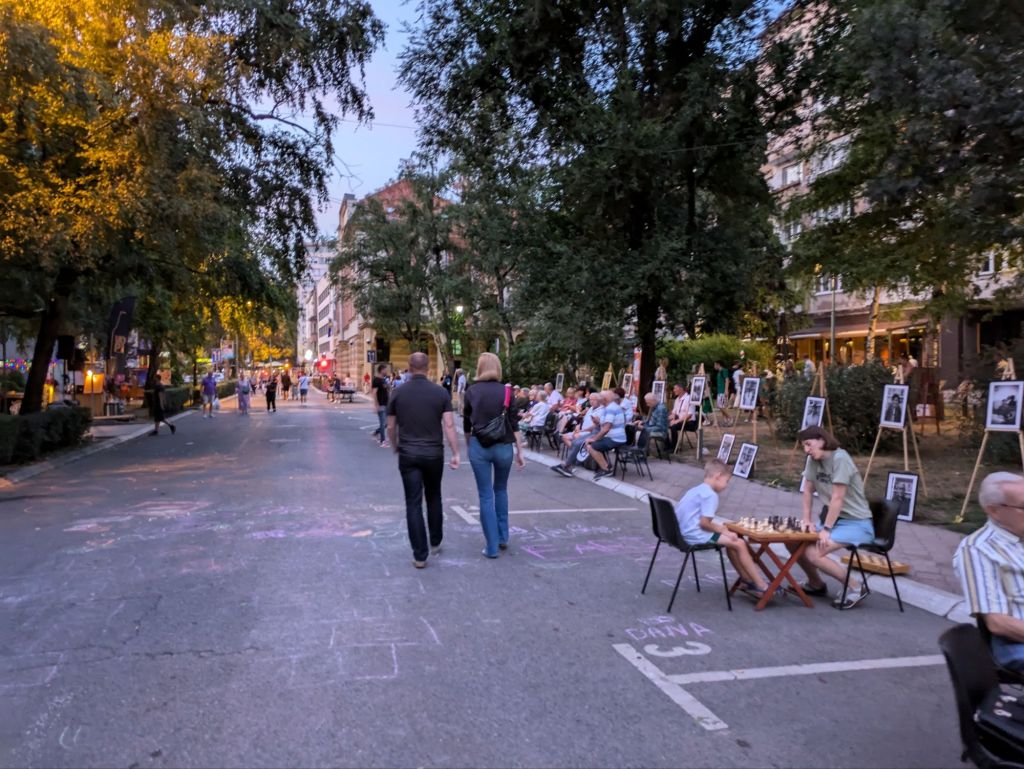
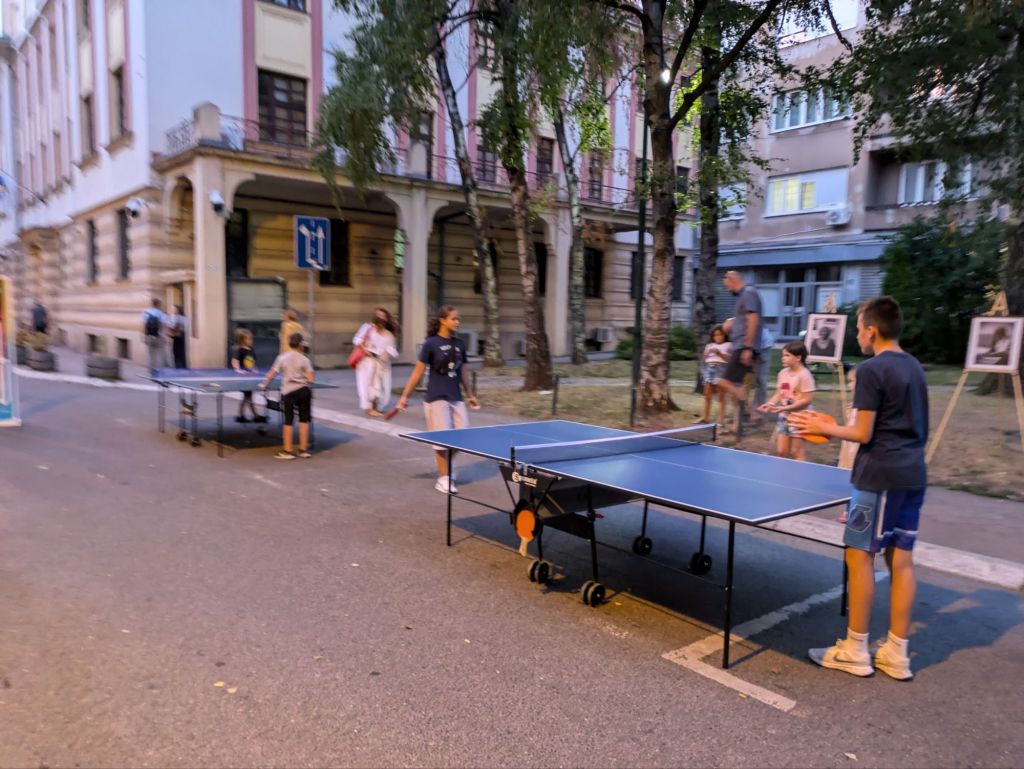
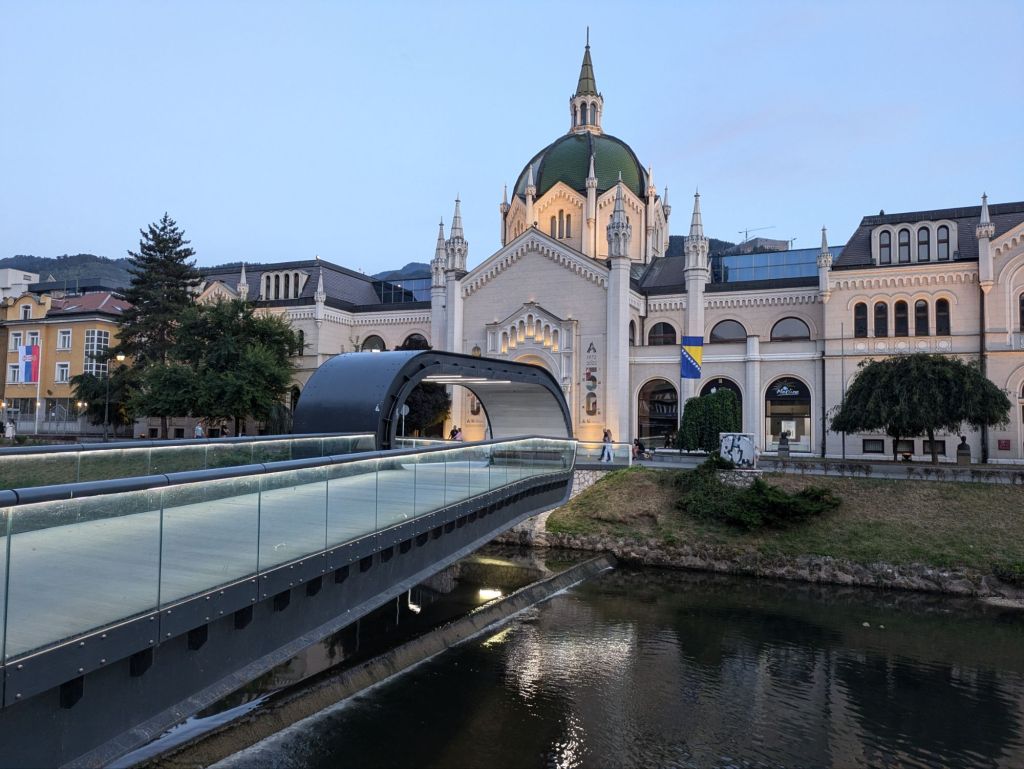
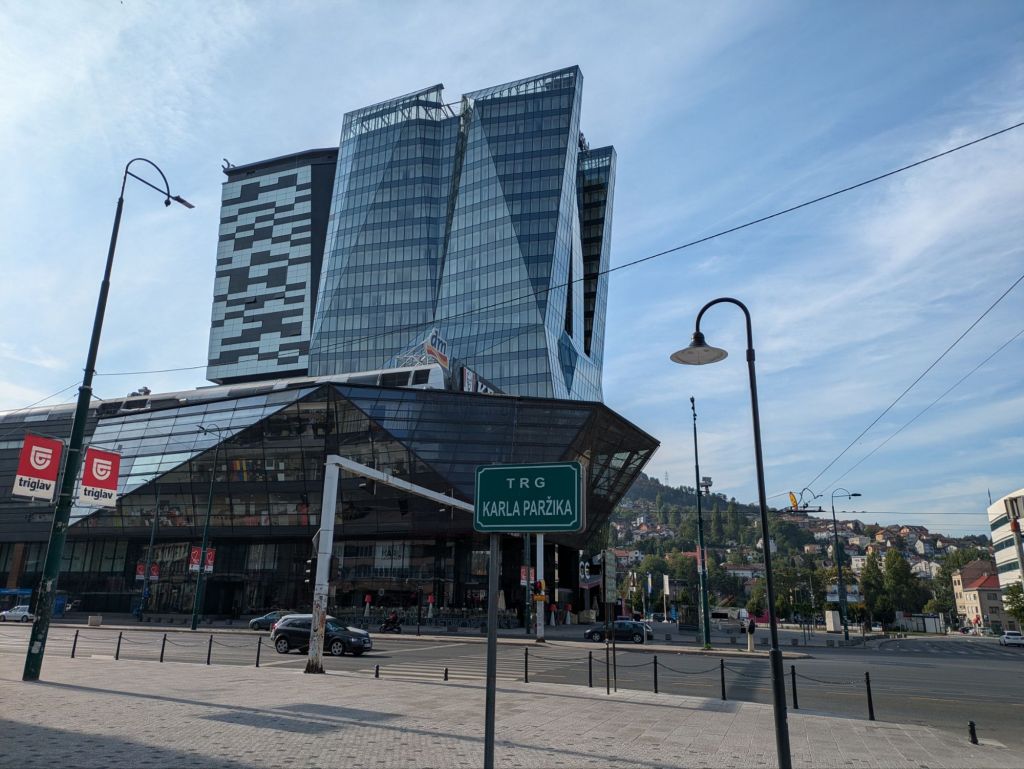
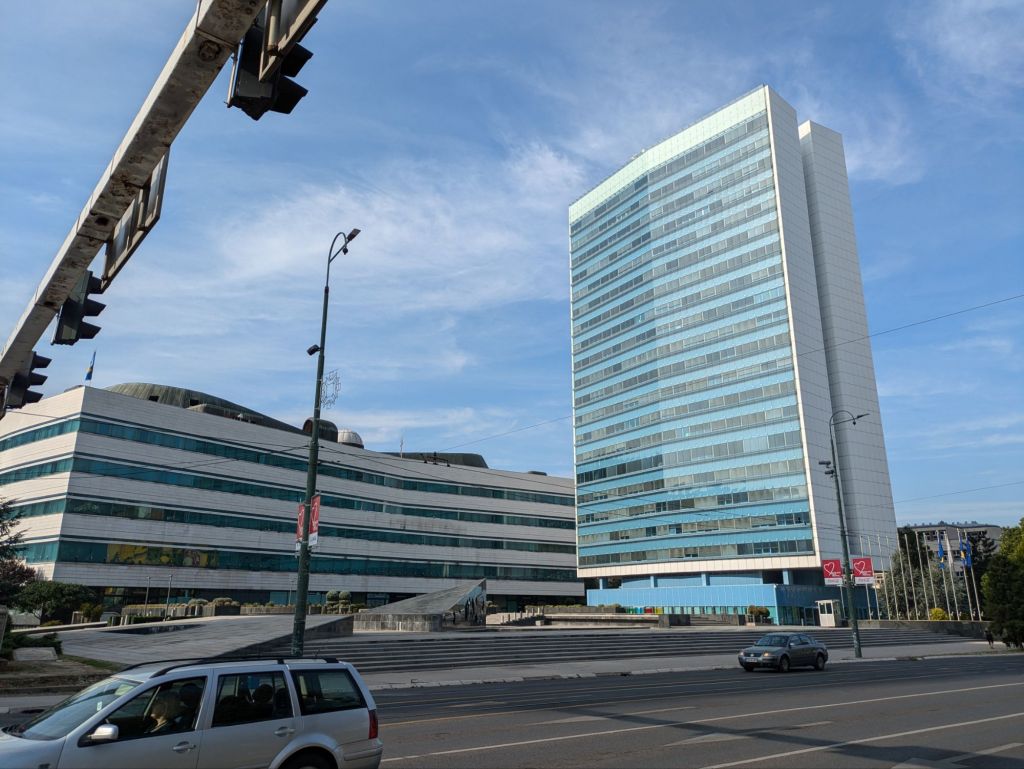
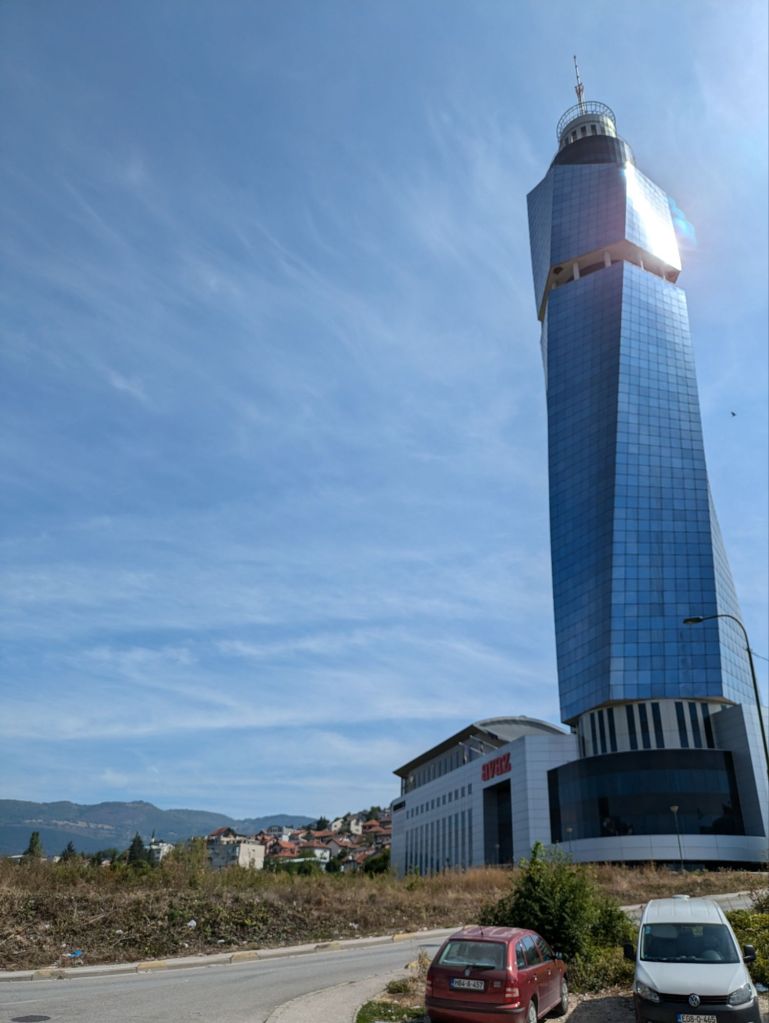
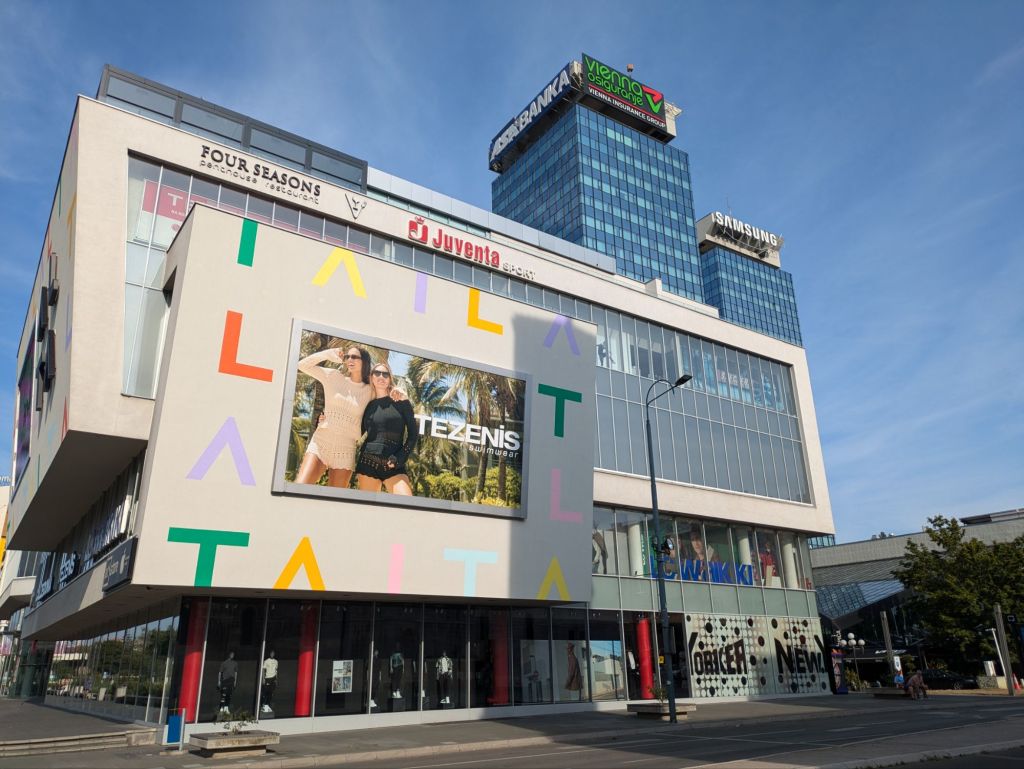
Sarajevo, for all its history and historical buildings, is not frozen in time, and there is a good amount of new construction ongoing. My Bosnian acquaintances told me that despite there not being a lot of foreign investment in Bosnia and Herzegovina because of uncertainties for its future, there is a huge Bosnian diaspora which sends a ton of money back to families, and so there is some wealth there in Sarajevo now. And apartment prices have skyrocketed over the past few years. I was frankly surprised to see so many shiny buildings and expensive cars around the city.
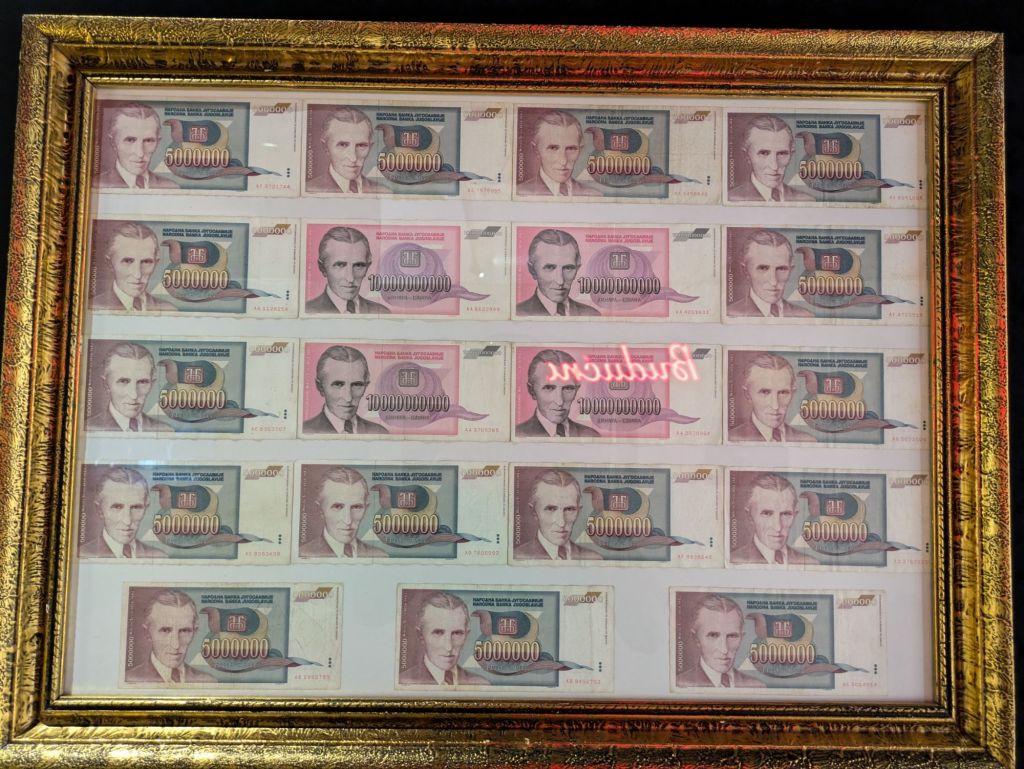
Speaking of increased costs, during the time of the war, inflation was outrageous, causing currency bills to be created with so many zeroes as to be ridiculously difficult to even comprehend. While Bosnia is relatively affordable, Sarajevo has a lot of surprisingly pricey offerings – I had expected lower costs.
Sarajevo tidbits:
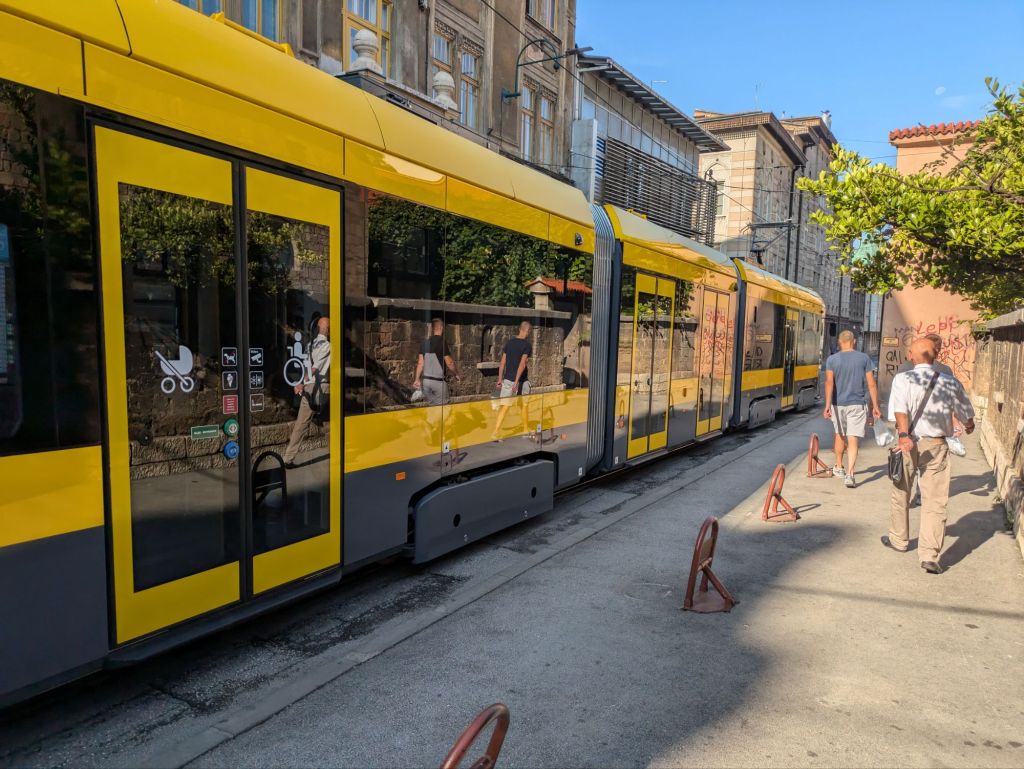
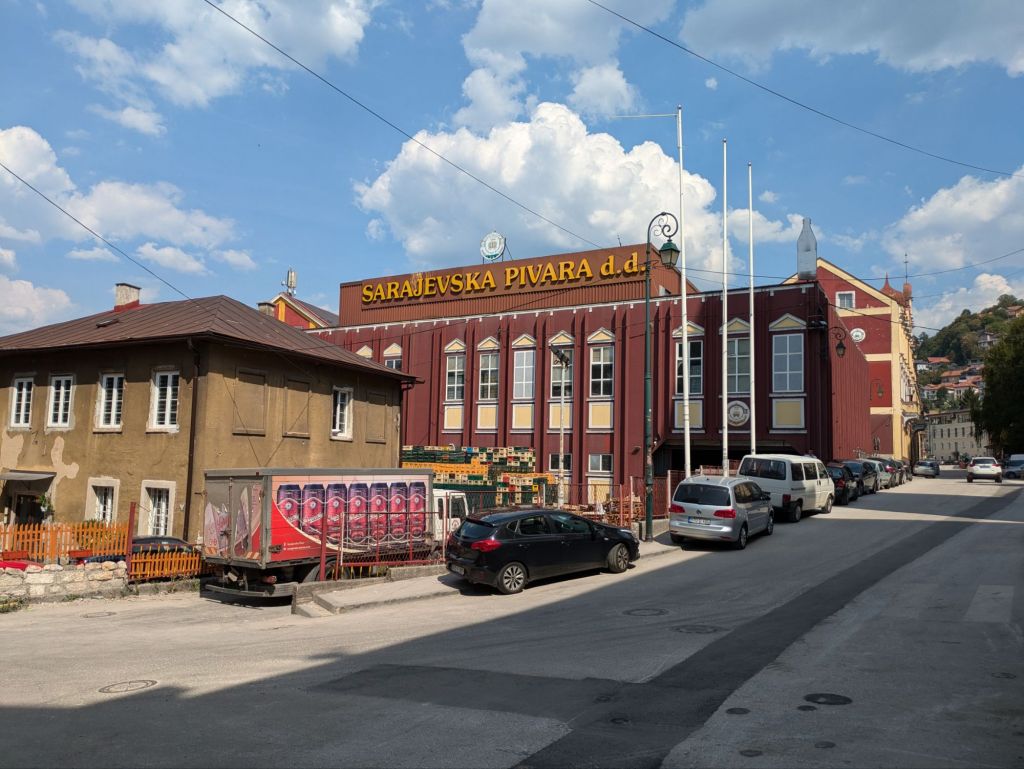
According to our walking tour guide, Sarajevo had the first electrified mosque in the world, along with the second electric tram system in world, after San Francisco. The Sarajevska Brewery is said to be the first brewery that opened within the Ottoman Empire.

There are a handful of different kinds of Bosnian eateries in Sarajevo. There are ćevabdžinica restaurants serving ćevapi, grilled beef sausages in pita bread with raw onions, and preferably kajmak, a boiled and fermented unpasteurized milk. It’s a filling and cheap meal, but not one that I wanted to keep eating every day. Then there are buregdžinica establishments which offer various “pita” (pies), including burek, which is made with chopped or ground beef, onions, and spices, which are rolled in layered phyllo dough. Other varieties include cheese or spinach and cheese, for example. I find these all to be too greasy for my tastes – I’d prefer ćevapi if I had to choose. But what are even better are the traditional Bosnian restaurants serving fresh stews and various dishes like people make at home. One example of this type of establishment is an aščinica, which is a cafeteria-style place where you point a server to various prepared foods in a display case to put together a meal for yourself – it can be tricky because there are no labels on the food, and the prices are listed in a small frame on the entry wall, with the dish names only in Bosnian. But hand gestures can do the trick, and besides, I found that folks in Sarajevo often speak good English, much better than in Czechia.
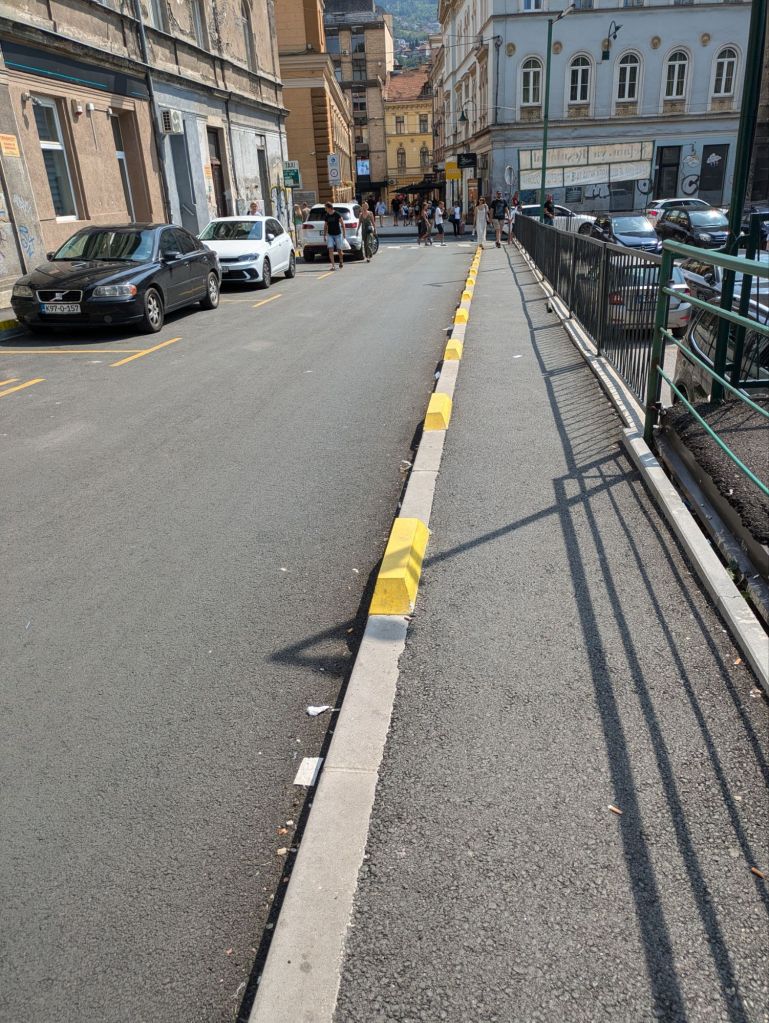
I’ve found that people often park their cars on the sidewalks in various Balkan cities, including in Sarajevo. But I found in Sarajevo that there is a practical solution to prevent this kind of parking, and that’s to place what I’ll call “parking stops” along the edge of sidewalks, as seen in the photo below.
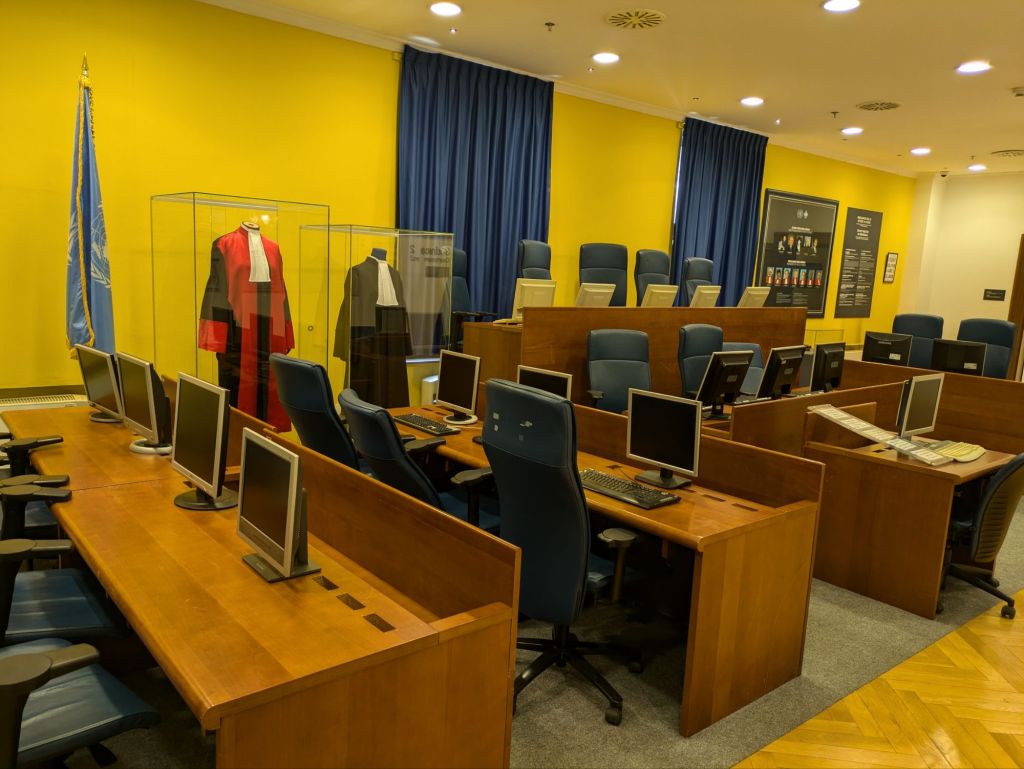
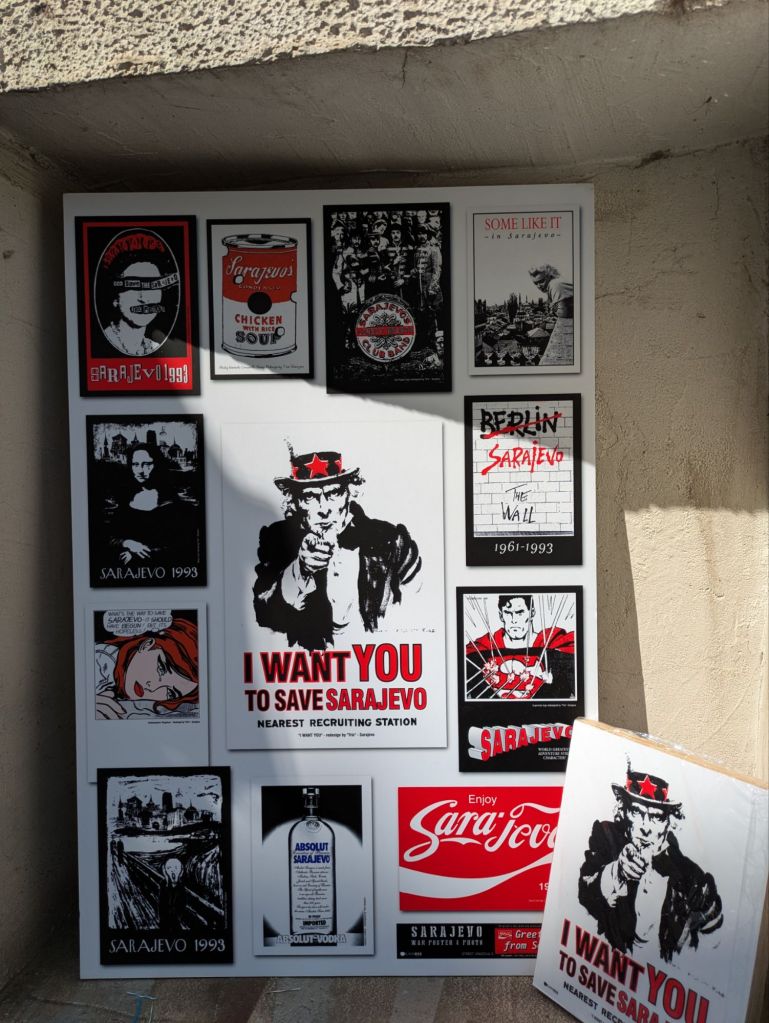
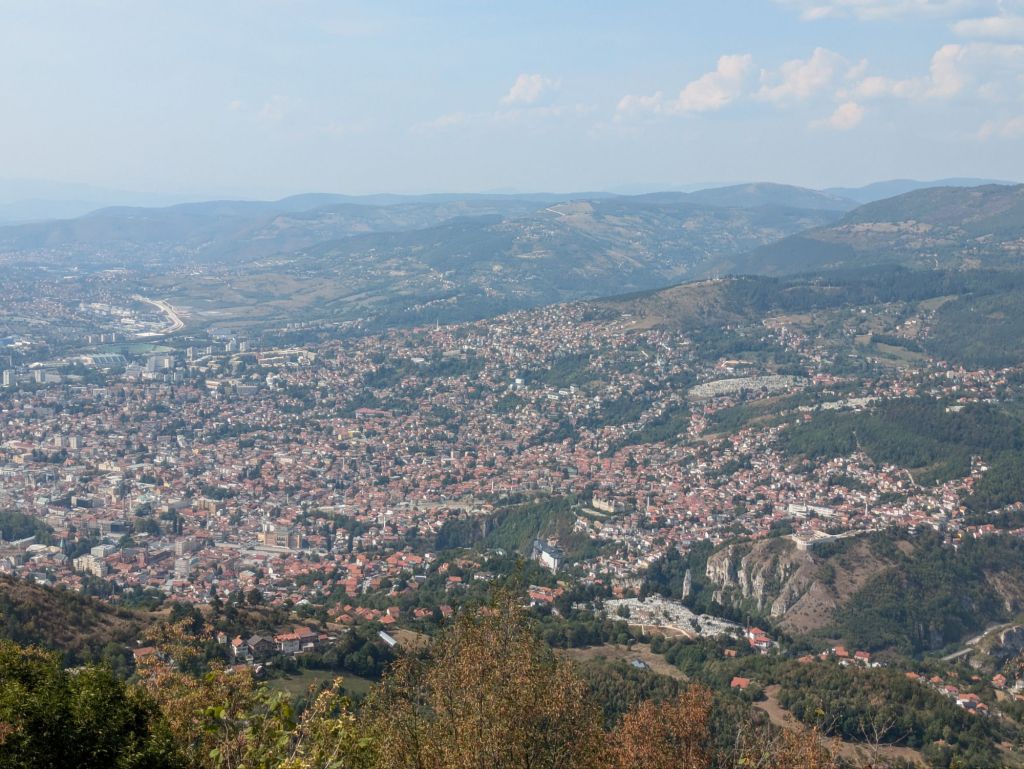
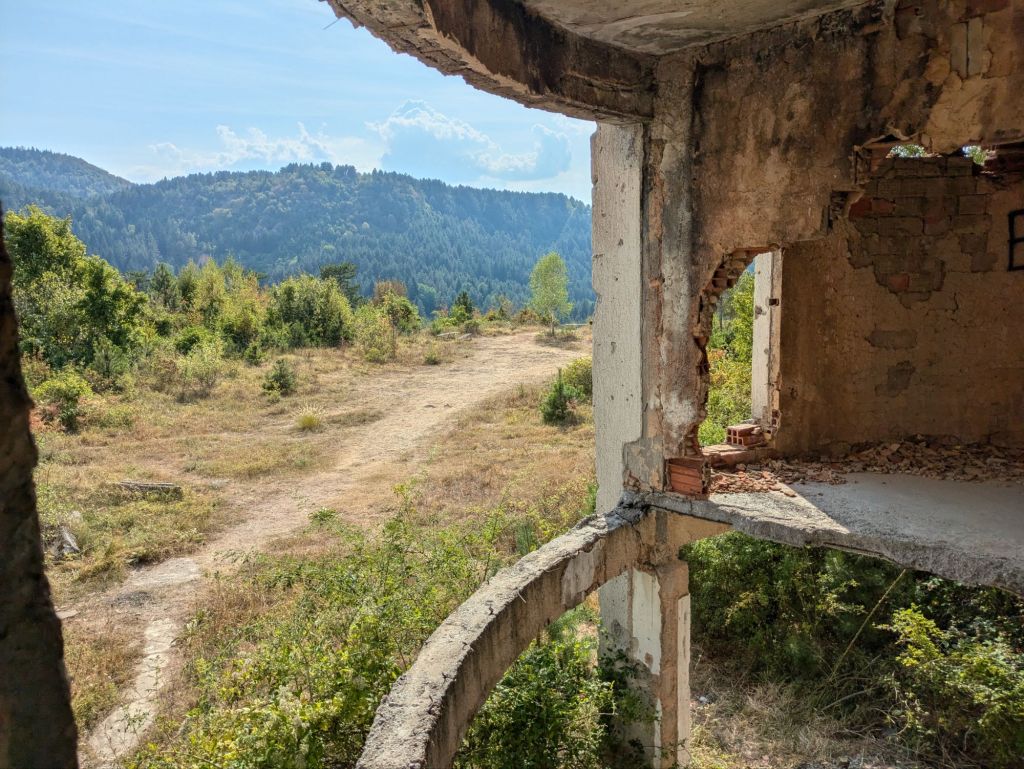
Other photos:


Today’s suggested music video: My favorite for this year’s Eurovision song contest, and the audience favorite as well. It’s from Bosnia’s neighbor, Croatia.

 Major Meander