Of all the new cities I’ve visited in 2024, Sarajevo, in Bosnia and Herzegovina, so far has been my favorite (though that very well may change once I visit Japan and South Korea in the autumn). Sarajevo has a rich history and an amalgam of Ottoman and Austro-Hungarian influences, making it an engaging and impactful place to visit. Memorable aspects include:
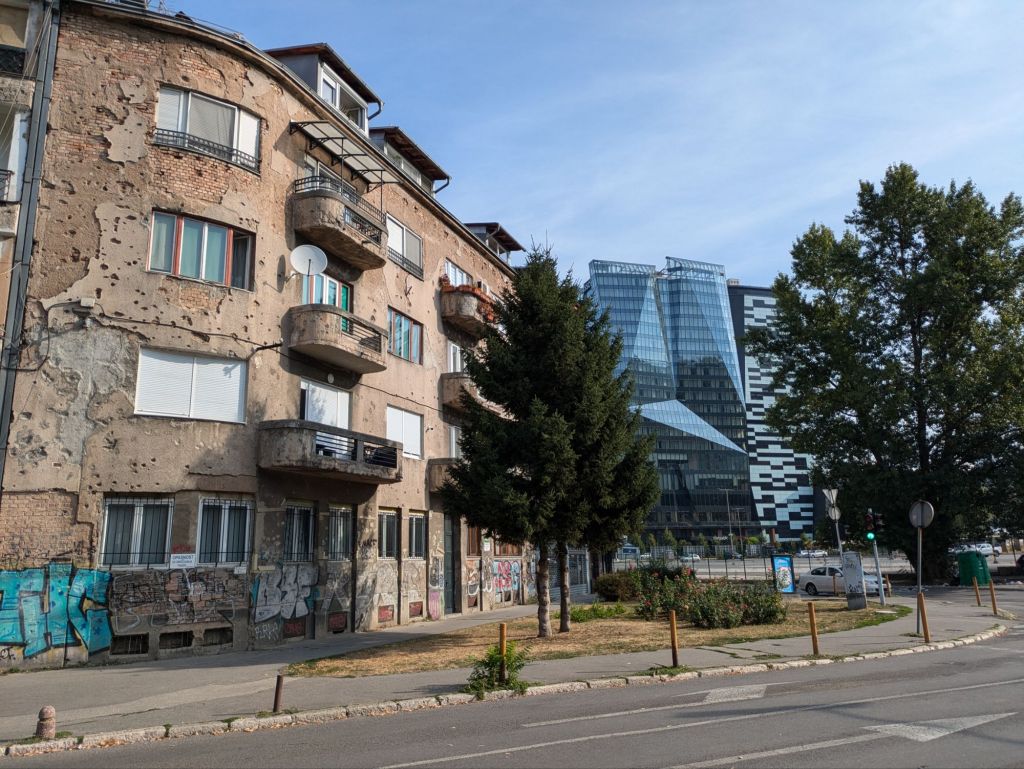
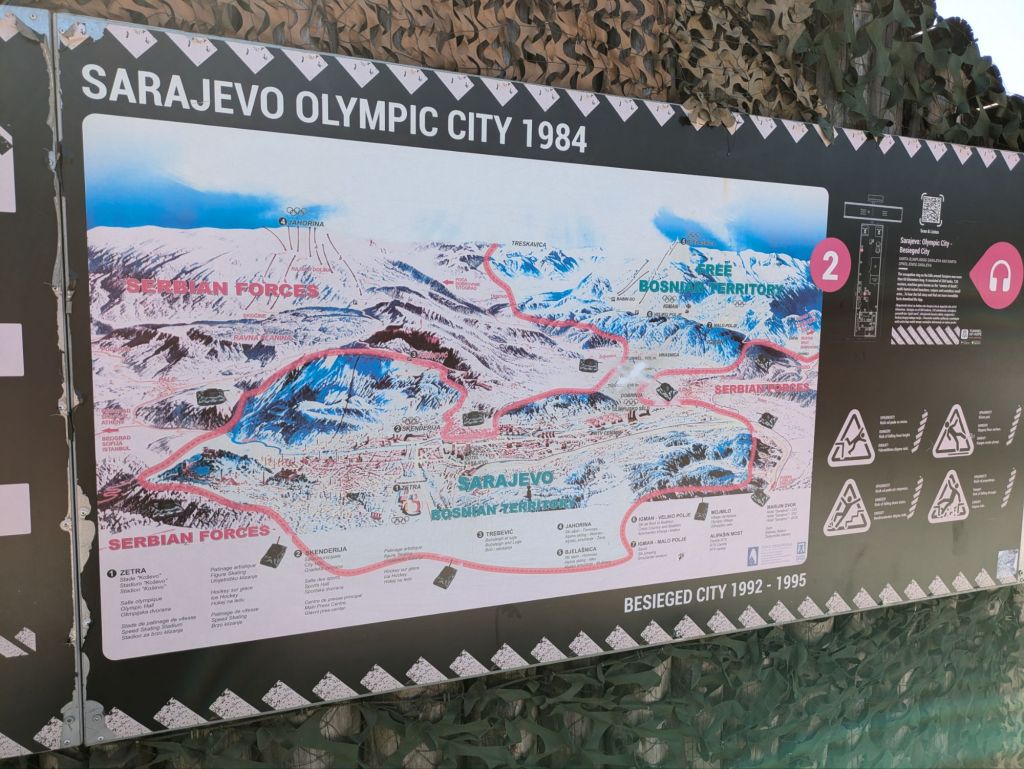
The siege of Sarajevo (when Bosnian Serbs surrounded and shelled the city to attempt to force its surrender after Bosnia declared independence from Yugoslavia), which lasted from April 1992 to February 1996, almost four years, the longest siege of a capital city in modern history.
The site of the assassination of Archduke Franz Ferdinand, which sparked World War I.
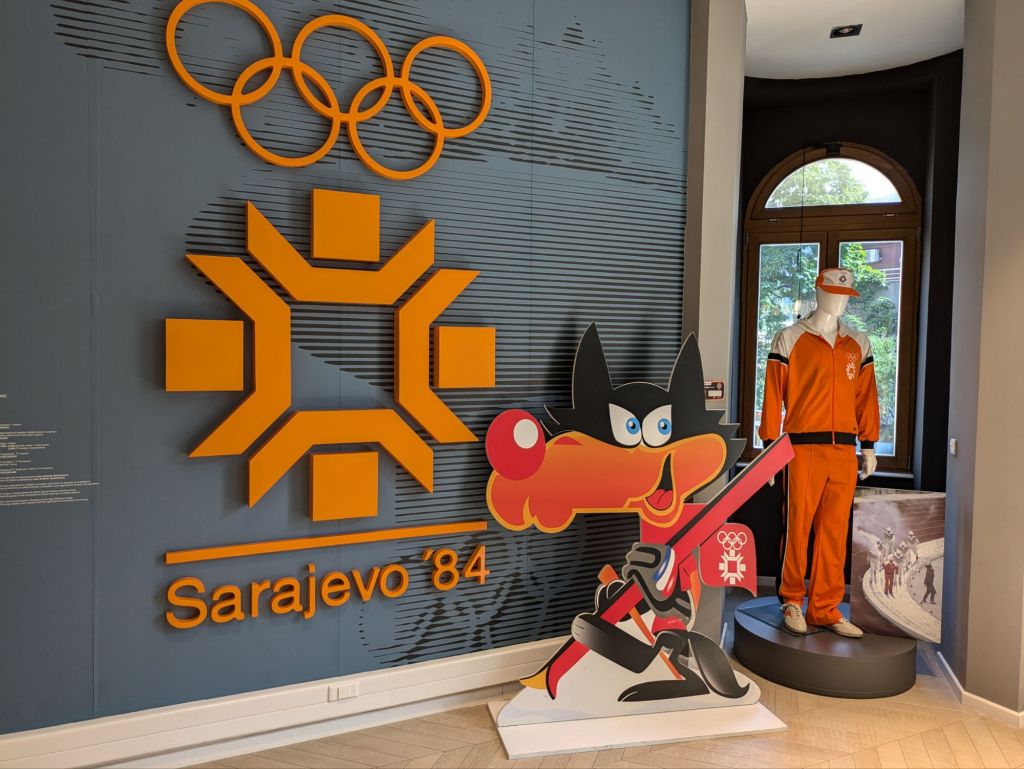
The 1984 winter Olympics.
The “east meets west” vibe, especially the junction of two areas in downtown, where old Ottoman buildings meet newer Austro-Hungarian architecture literally side-by-side.
The annual Sarajevo Film Festival.
When discussing Bosnia and Herzegovina, the word “complicated” comes up often. And it is indeed complicated, so I’m not going to attempt to give a deep background here – if you’re interested, there are plenty of rich resources where you can learn more. Instead, I’ve focused mainly on my perceptions and experiences, and I’ve shared some anecdotes from Bosnians I met.
Siege of Sarajevo
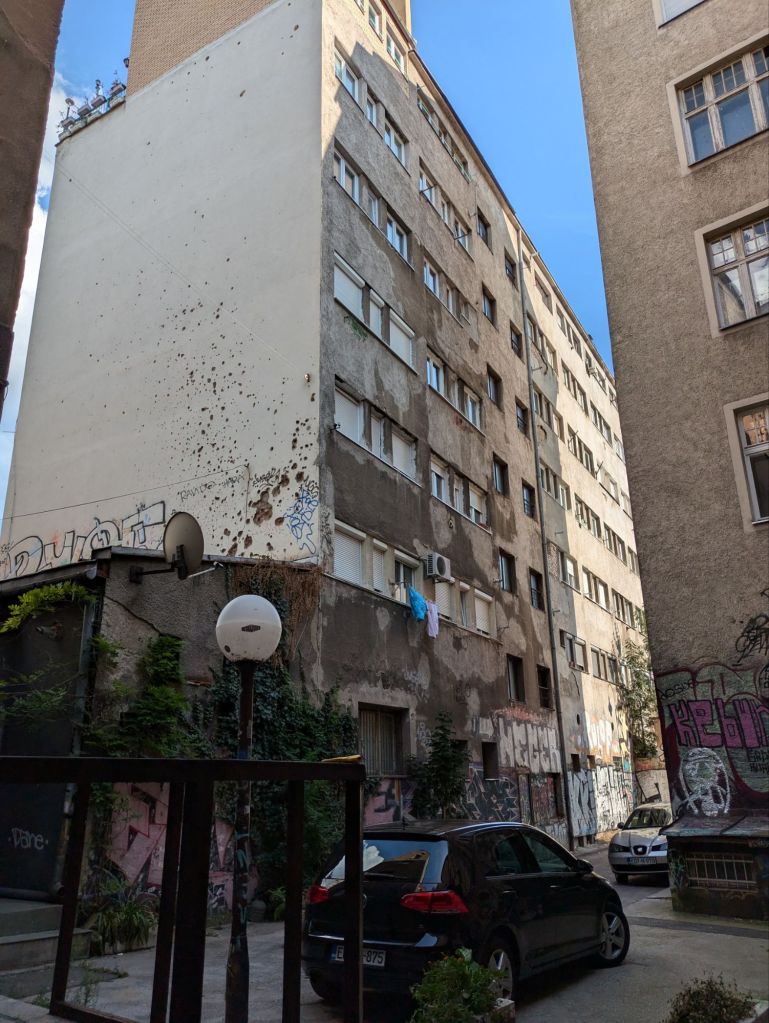
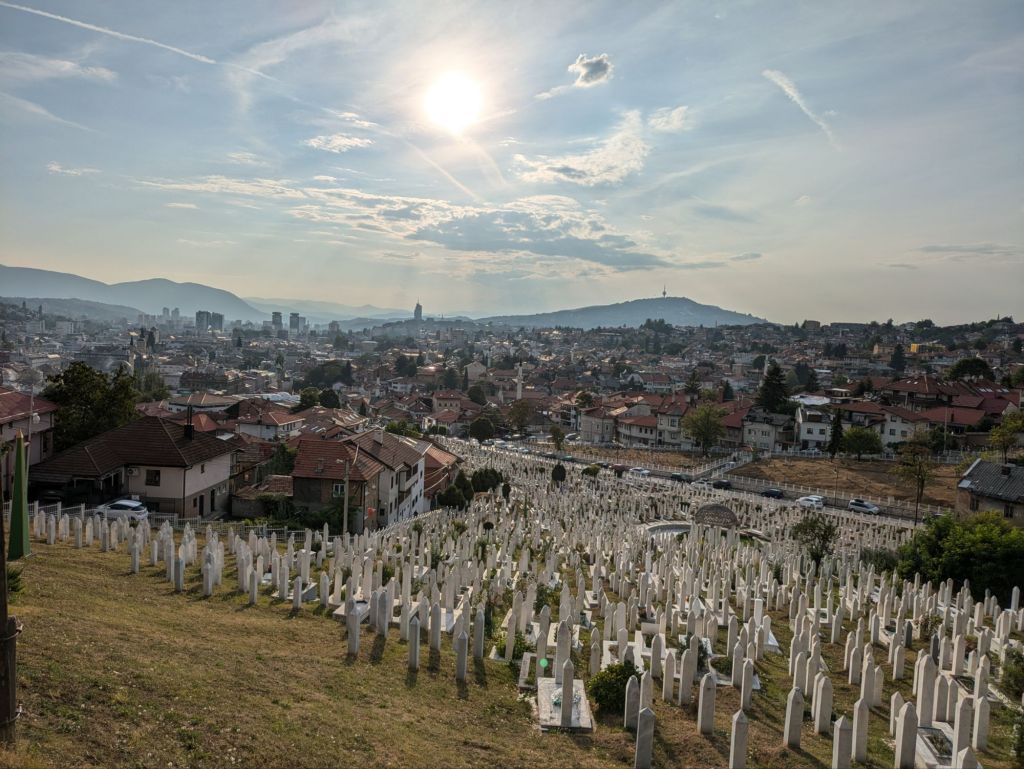
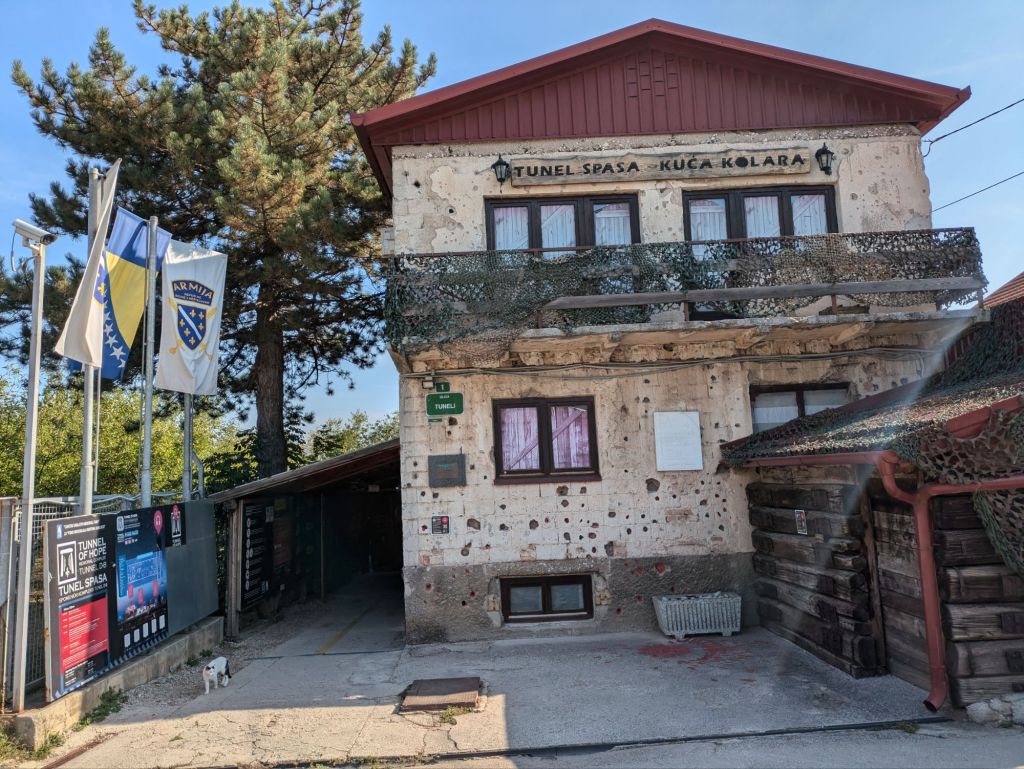
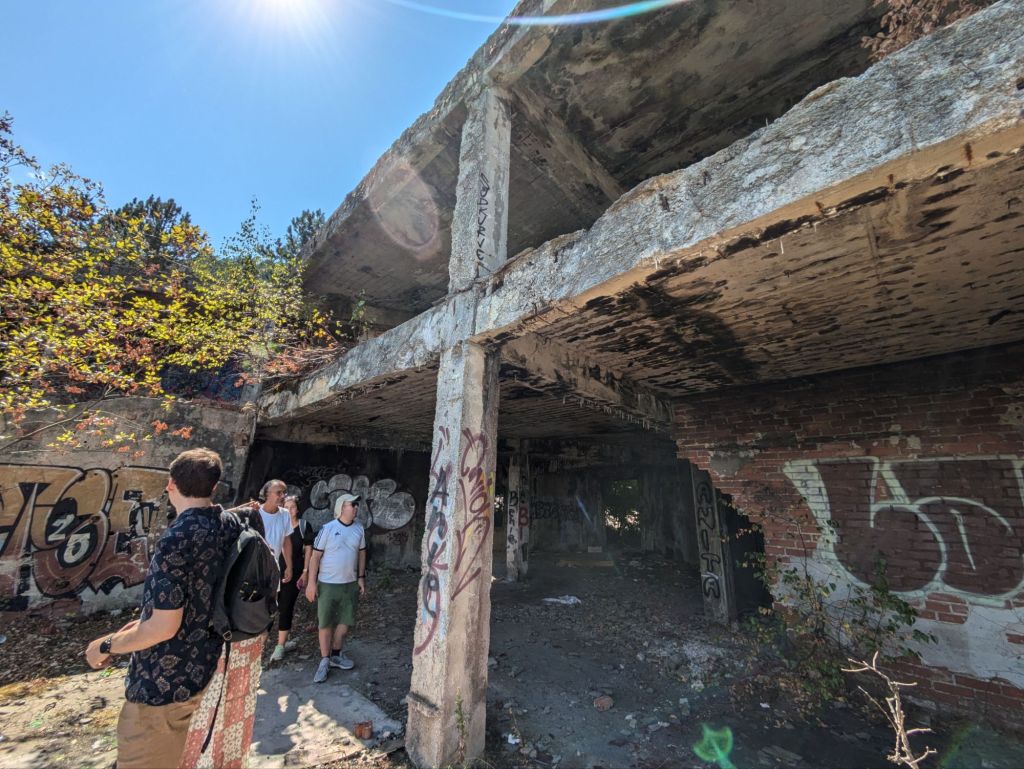
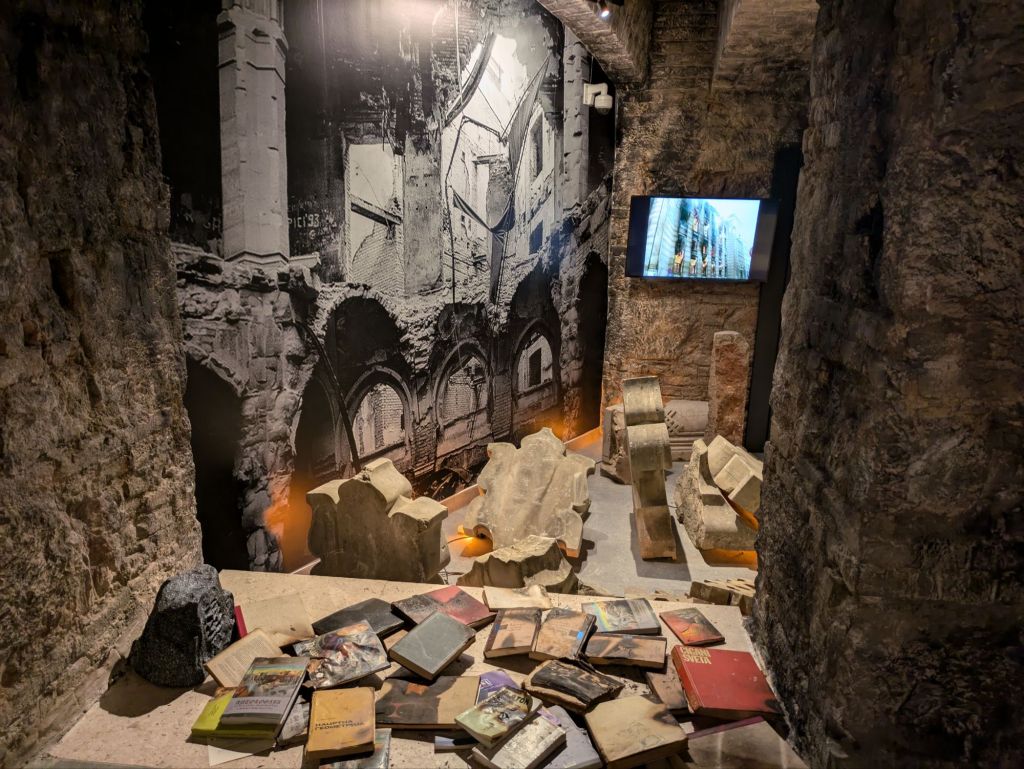
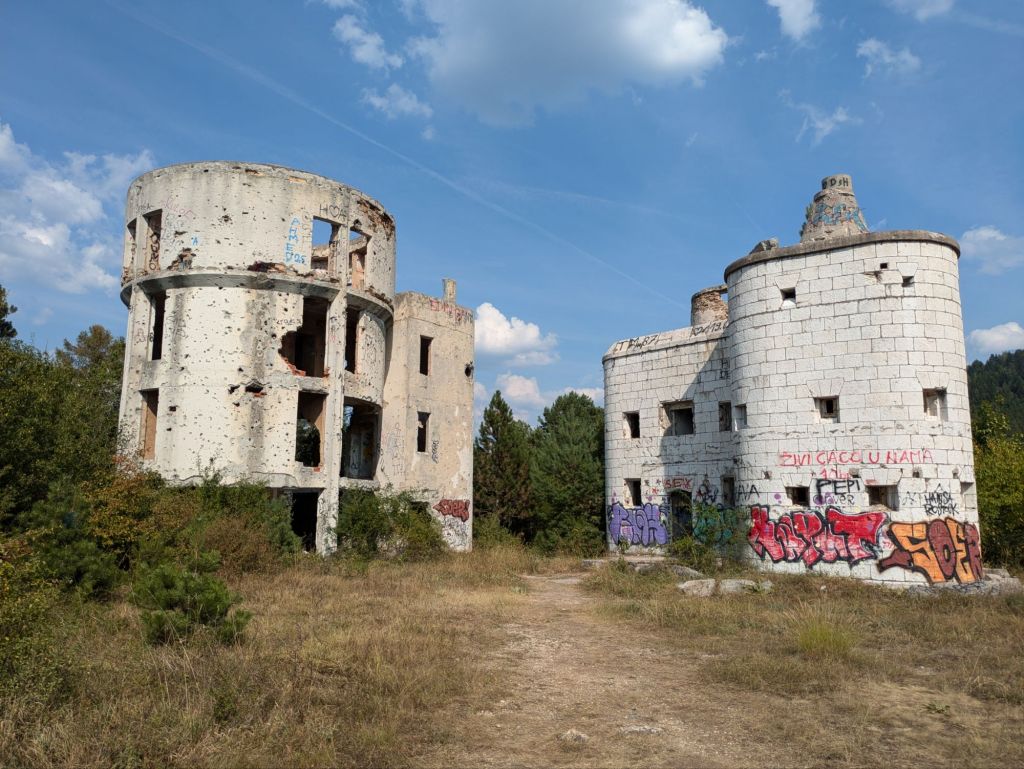
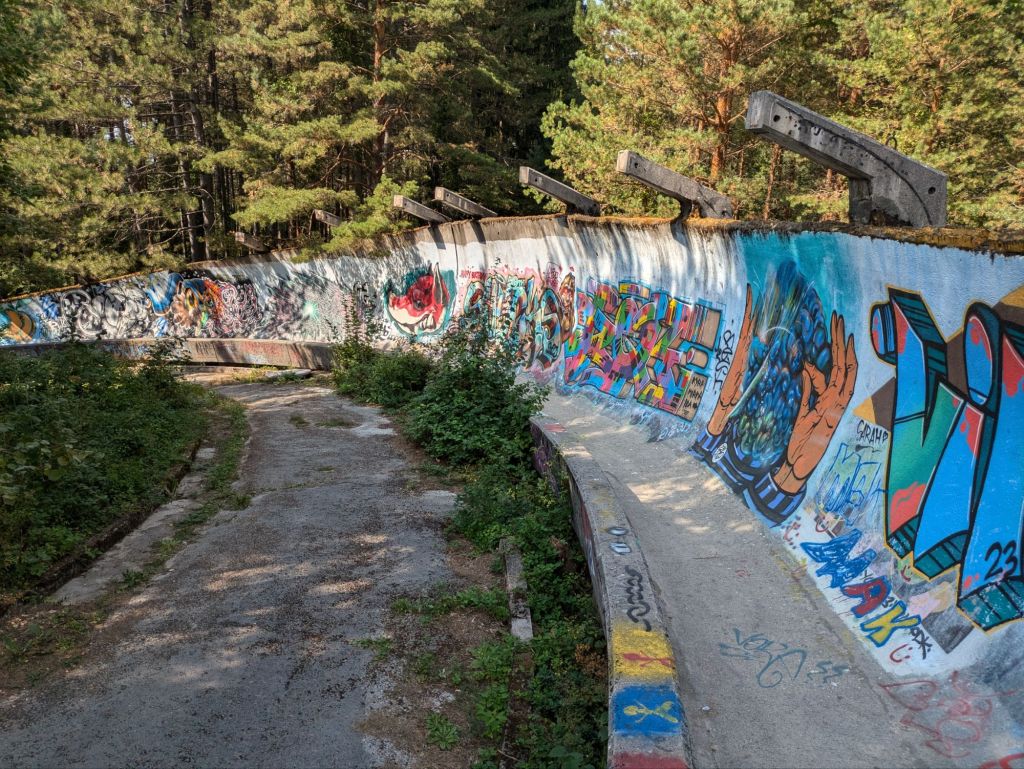
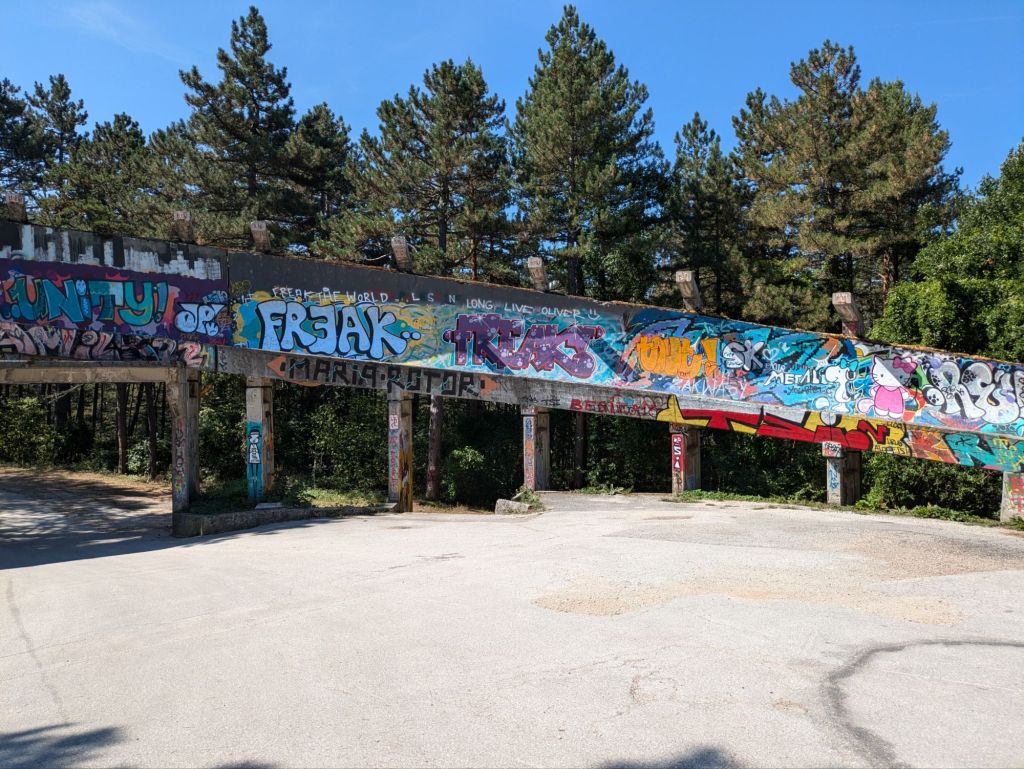
The siege was just awful, with thousands of civilians dying, and around 350 bombs exploding within the city per day, on average, with many days being much worse. Additionally, the Serbs surrounding much of the city in the hills and even in some apartment buildings intentionally targeted civilians with sniper rifles, while these civilians where just trying to walk to get water, or to go to school or work, etc. Electricity, water, heating, and gas were unavailable for much of the years-long siege. I took a siege tour where we visited the “Tunnel of Hope” under the airport, which connected the city with a region outside the city which the non-Serb Bosnians controlled. This tunnel was used to provide much-needed supplies to the city. The airport was controlled by the UN, and they were providing humanitarian aid as well. My Airbnb host told me soon after I arrived that he had gone through the tunnel 13 times during the siege, which implied to me that he had been in the military during those years. Another stop on the tour was a mountainside where the remains of the bobsled track from the 1984 Olympics are, and which Serbs controlled and from which they shelled Sarajevo. The tour guide had been a preteen and teenager during the siege, and so he didn’t fight, but he was almost killed by a sniper when walking to school one day (the bullet missed by inches). The guide told stories of living underground and being resourceful for generating electricity, heating, and cooking implements. International journalists stayed at the Holiday Inn, and they named the street outside of the hotel “Sniper Alley” due to the danger of being shot while traveling through that area. Of course there were many other sniper alleys, but this is the one that became known through the media. I met a couple of younger Bosnian work acquaintances for dinner one evening, and both of their fathers served in the military during the war, and one father lost a hand. Everyone from Bosnia and Herzegovina was impacted during the terrible war years.




1984 Winter Olympics
Only eight years prior to the start of the siege, Sarajevo played host to the 1984 winter Olympics, which remains to this day a great source of pride to Sarajevans. Many of the facilities used for the games when Yugoslavia hosted continued to be leveraged in the subsequent years, up to the siege of Sarajevo during the breakup of Yugoslavia, when Serbs destroyed or at least damaged many of the facilities. One can understand why many in Bosnia look back at the Yugoslav years with nostalgia, during most of which president Josep Broz Tito ruled (until his death in 1980). While communist in structure, Yugoslavia was open to the outside world and was not under Soviet influence, with Tito playing both sides (US and USSR) masterfully.
Side note: If you missed them during this year’s 2024 Paris summer Olympics opening ceremonies, check out metal band Gojira’s performance – unreal.


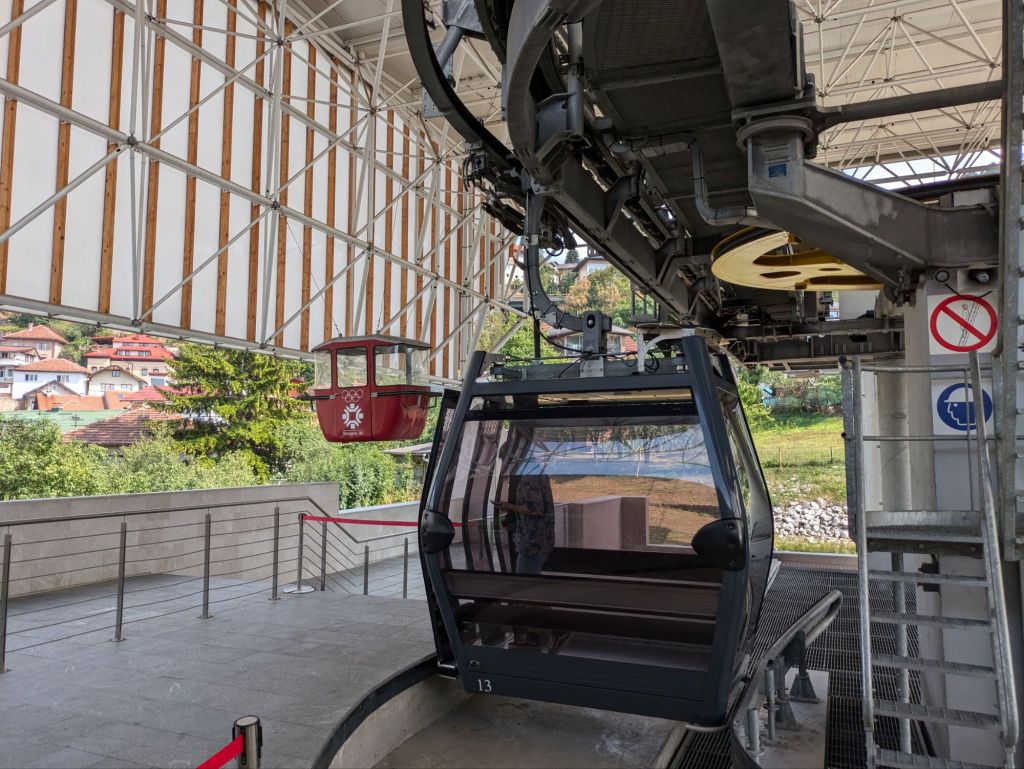

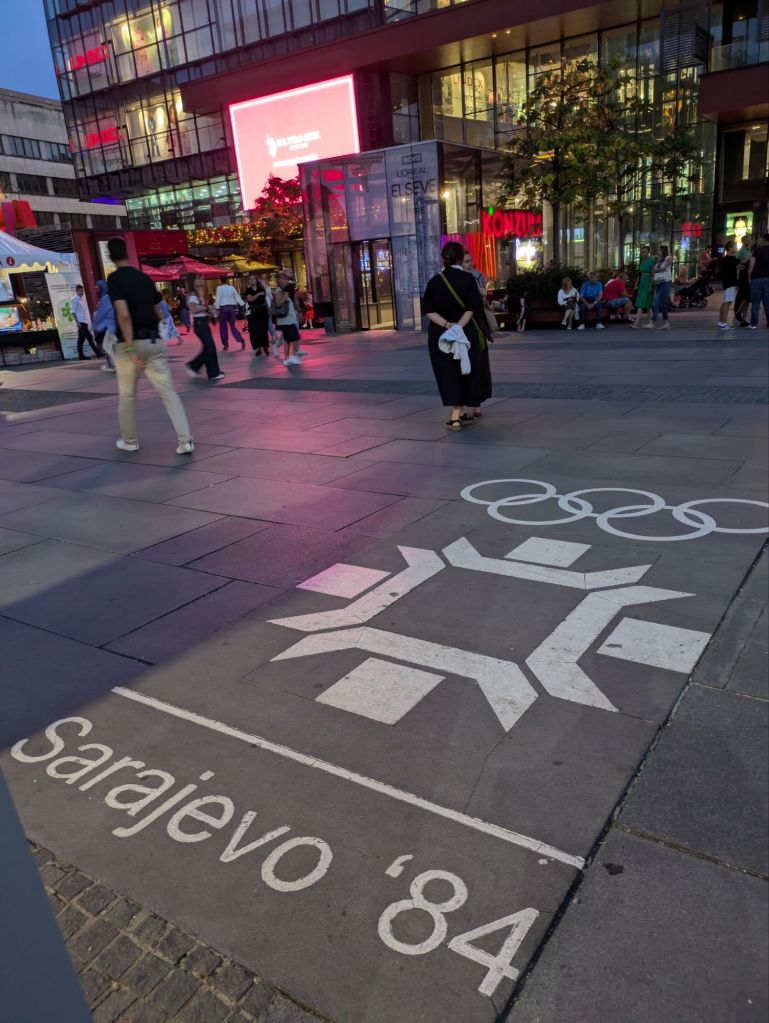
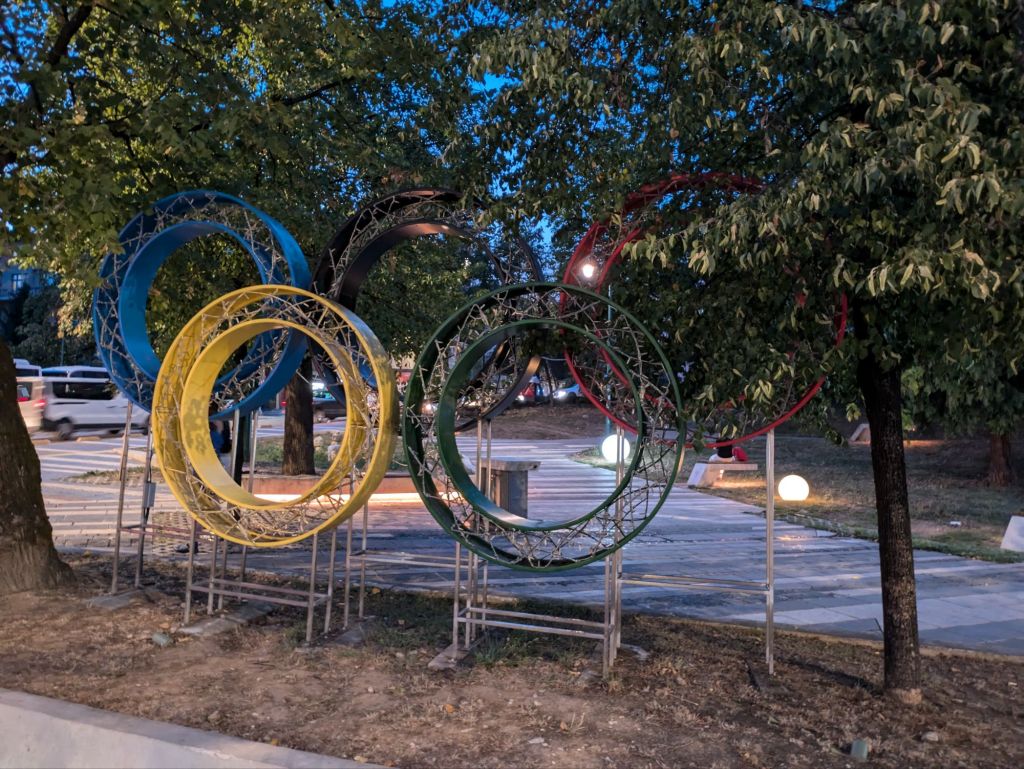
Bosnian and Sarajevo tidbits
Bosnian men are the fourth tallest in the world! Who would have thought? Must be all that ćevapi.
In the Ottoman section of town with all the various shops and bazaars, I sort of expected pushy men to be out aggressively peddling their wares. But shops were instead often run by quiet but friendly young women, without any pushiness. A much more pleasant shopping experience than in Egypt or Turkey, I must say.
The siege tour guide relayed that as war seemed likely, his family and neighbors began patrolling the area of the hillside they lived on, in order to keep out the aggressors. But some of their neighbors were Bosnian Serbs, with whom they hadn’t had trouble before. So it seemed great that they were working together to protect their neighborhood and neighbors. However, it eventually became clear that these Serbs were actually planning for attack and were digging trenches and stockpiling weapons to be used against their Bosnian Muslim (Bosniaks) neighbors.
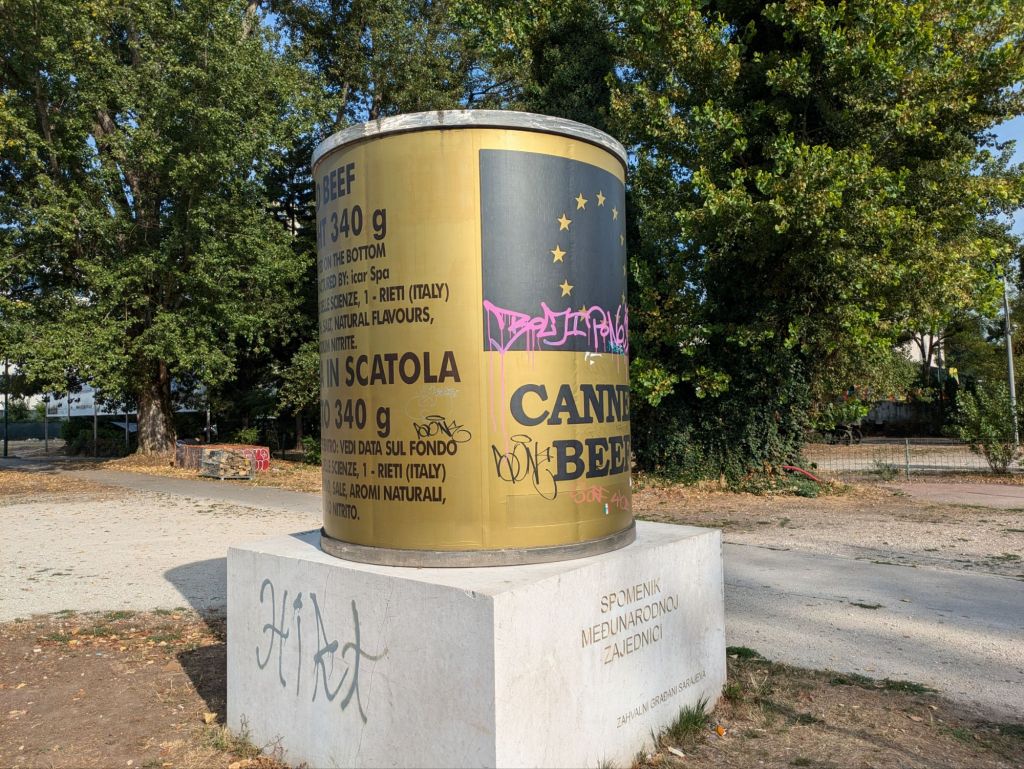
Sarajevans received food aid packages from around the world, including from the US and Europe. The siege guide told us that he recalls his family receiving a package of Bisquick from the US that had expired during the Vietnam War, and that Italy kept sending canned meat that had clearly past its prime because it was just a grey gelatinous goo by the time of receipt. Sarajevans have a dark sense of humor, and there is a monument to this canned meat (supposedly beef) in one park:
I also took a walking tour through the heart of Sarajevo, and our tour guide could relate almost any geographical location in Europe or the USA to basketball trivia – he is a huge basketball fan! It was quite remarkable. I told him I was from North Carolina, and he rattled off college teams and players from those teams in a way that most NC-based college basketball fans would have trouble with.
A noteworthy aspect of Sarajevo is the abundance of Islamic visitors from other countries. Many women wore burkas, and their men spoke English to locals. Since Sarajevo is such a mix of Muslim and Christian influences, it’s presumably a cool destination for Muslims, where they can experience Europe, but with much of the familiarity of home, with numerous mosques, along with alcohol-free and halal restaurants.
The Sarajevo symphony played in the destroyed shell of the national library (now Sarajevo city hall) after incendiary bombs burned it, in an act of defiance and strength. The city hall museum had a performance snippet on repeat during my visit, and that arrangement is actually not a classical song, but a powerful tear-jerking tune written by an American in the mid-1900s: “Adagio for Strings” by Samuel Barber:
Today’s travel tip:
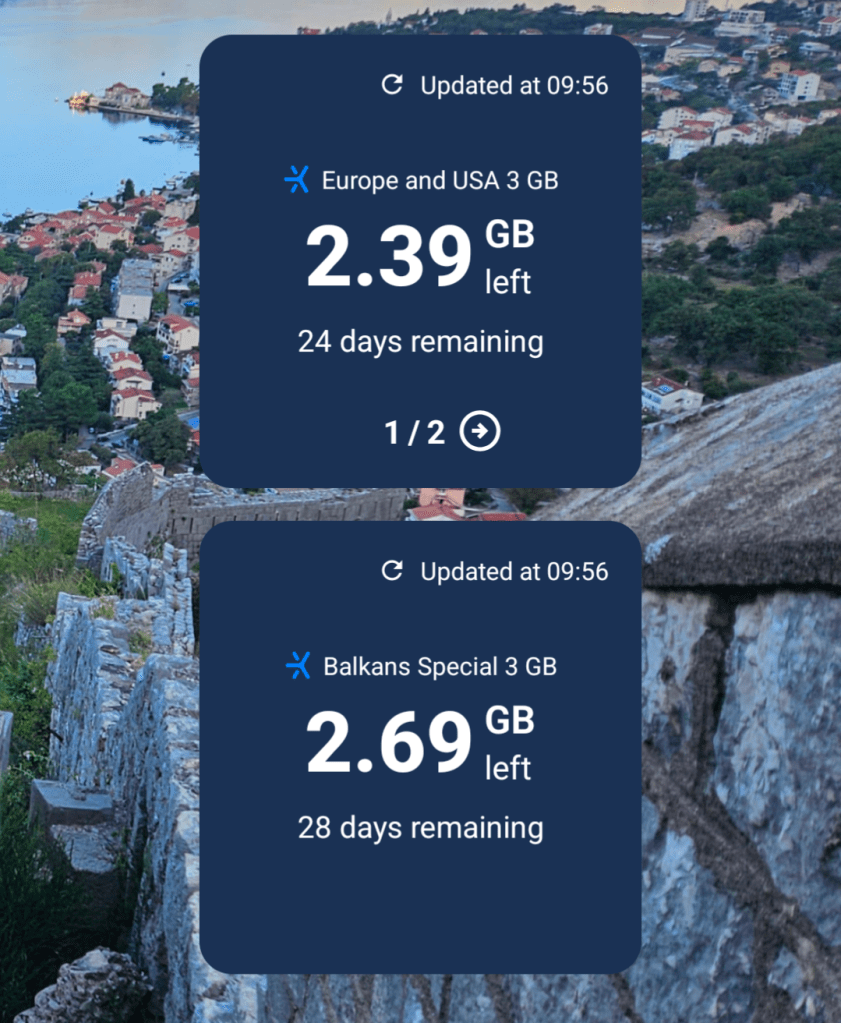
While I used to be a product manager at Ericsson for SIMs and smart cards over twenty years ago, and I have been aware of eSIMs for years, thanks to my son’s recent comparative research, I’ve finally joined the eSIM bandwagon, saving money on mobile data usage while abroad and in the US. I’ve been using Google Fi, a phone plan from Google, for many years, because it provides seamless international roaming to every country I’ve been to outside the USA. And while its international data costs have historically been competitive, and better than major US operators, with so-called eSIMs, as their prices have come down sharply in the past few years, it’s now possible to easily save even more money. I’ve been using MobiMatter, an app that allows for online selection of a prepaid data plan from one of several offerings. I used one while in Czechia, and another while in Bosnia. These cost just a fraction of the per-gigabyte pricing from Google Fi. Like less than $5 total for 3GB, instead of $10 plus tax for 1GB.
Even back in the US I’ve converted to a US/Europe eSIM plan for $40/year for 40GB, which is $1/GB, a tenth of the Google Fi price! I still keep Google Fi for calls and SMS, but don’t use it for data anymore. That said, in the US, while Google Fi leverages T-Mobile’s network, the eSIM I use through MobiMatter, called Sparks, uses Verizon’s network. At any time I can switch back to Google Fi, even just temporarily, which means that when I’m hiking out in remote forests in western North Carolina, I am much more likely to have cell service because I can choose between the two US carriers with the most extensive coverage areas. Seems like an excellent deal.

 Major Meander