While Gdansk itself offers plenty to see and do, there are many destinations close by, but outside the city, which are also worthwhile visiting, including both the world’s largest castle and the site where World War II was initiated.
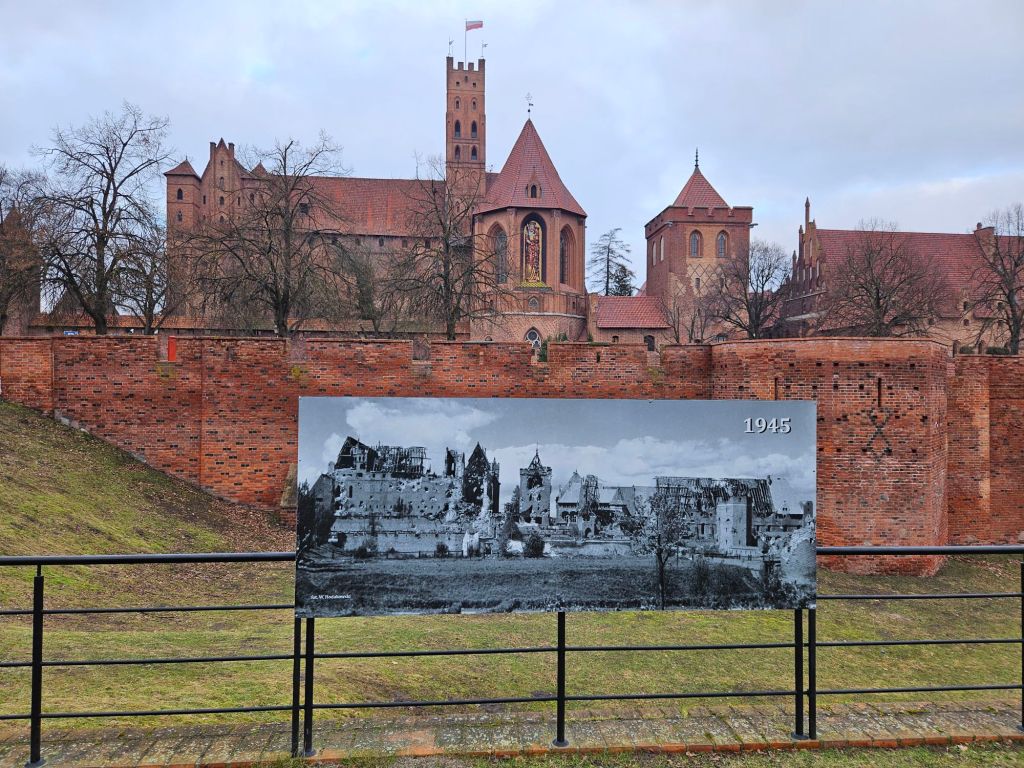
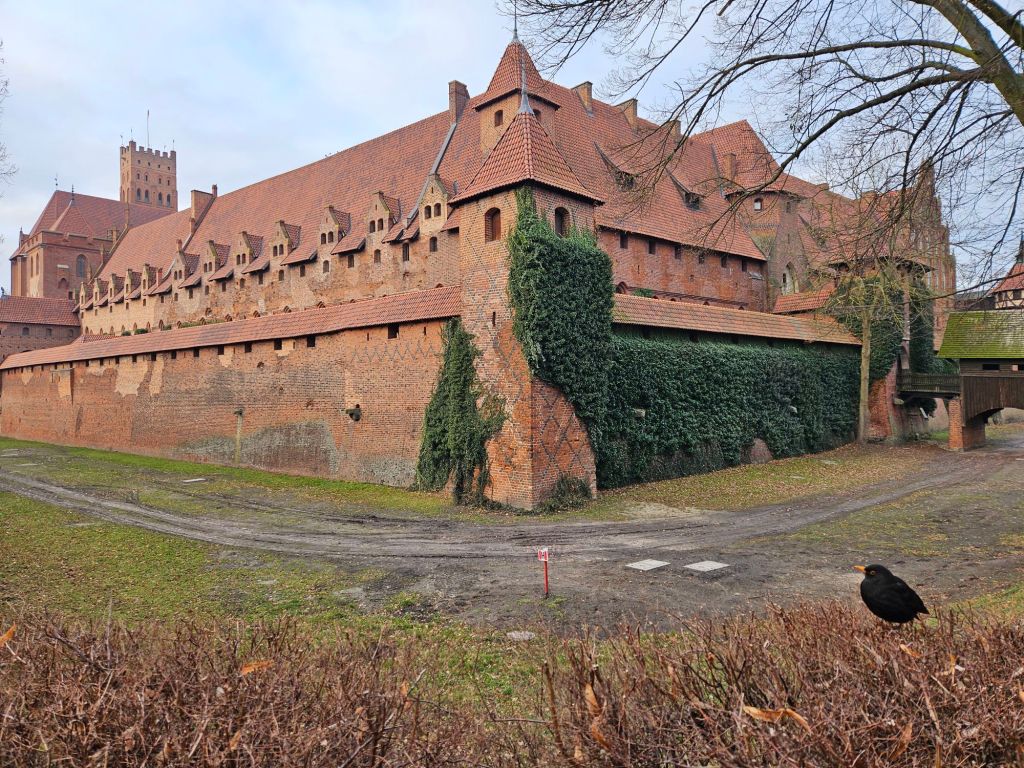
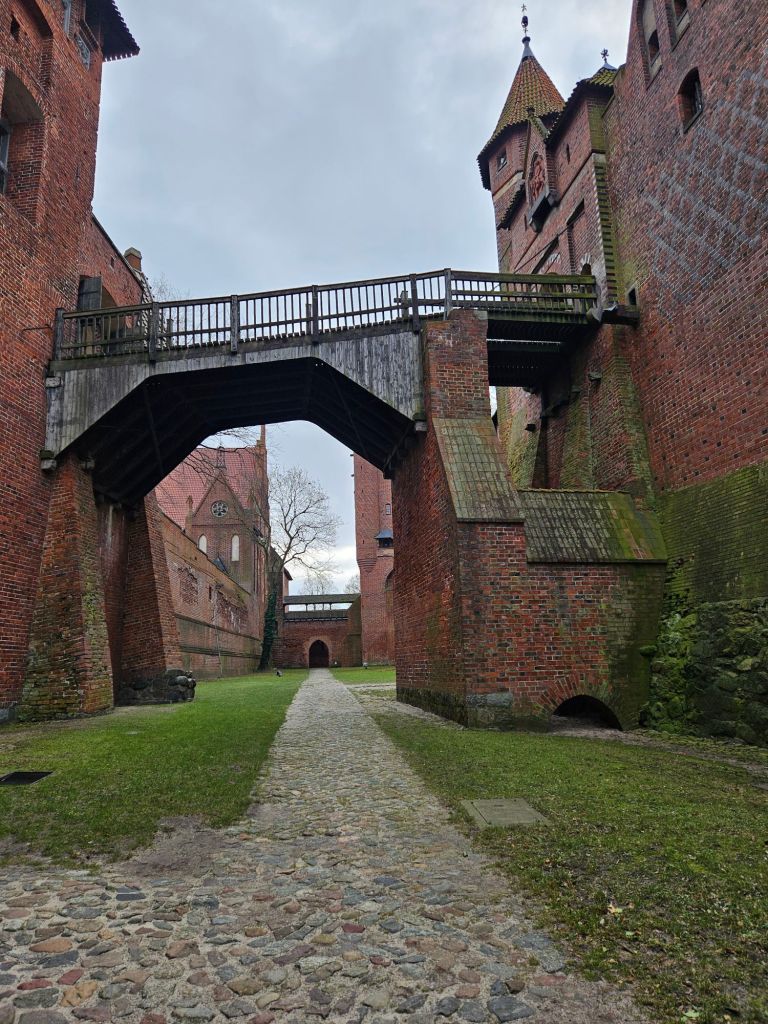
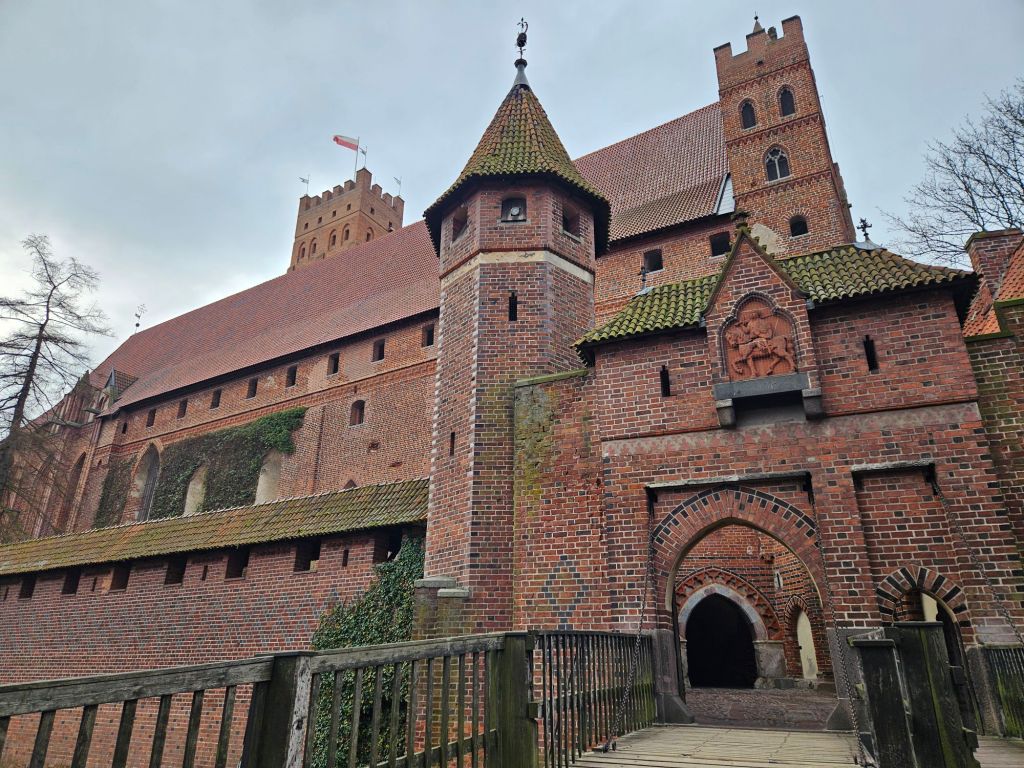
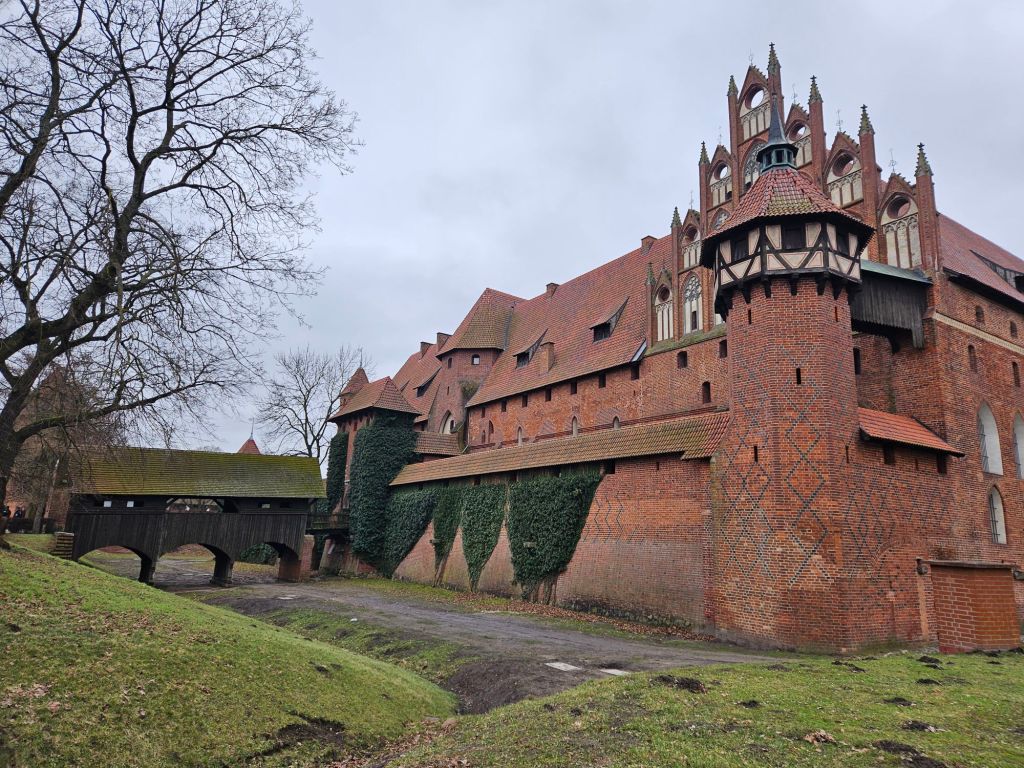
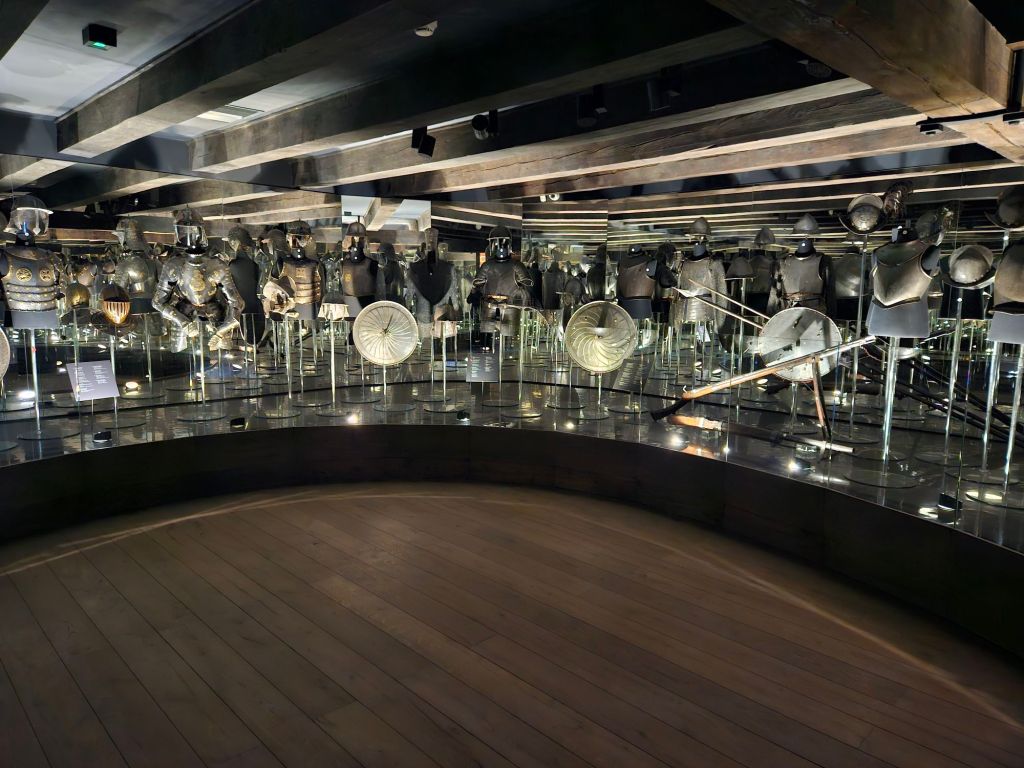
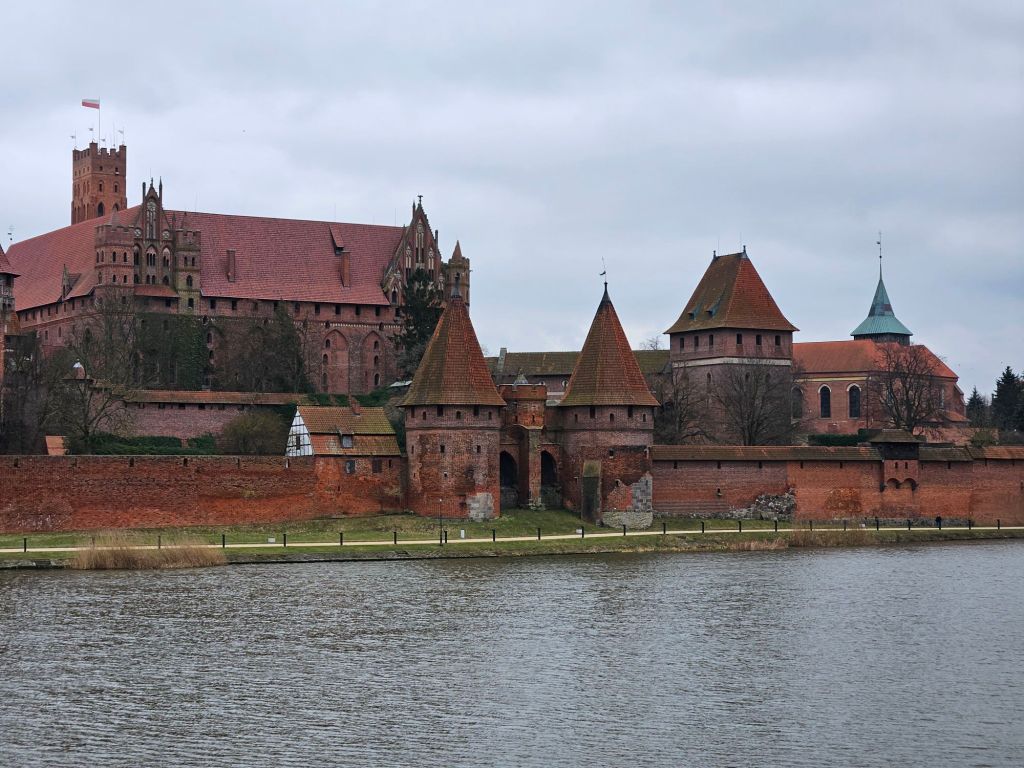
Malbork Castle, a 30-minute train ride from Gdansk, may be my favorite castle I’ve ever visited. It’s beautiful, is situated on a river, has a rich history, offers an engaging tour, allows for exploration, and displays a large weapons collection from across many centuries. And did I mention that it’s the largest castle in the world (by land area)?! Malbork is over twice as large as Prague’s, which I had previously believed to be the largest (it’s third). One advantage of traveling in the winter is generally the relative lack of other tourists (though this is NOT true in Prague). The castle website recommends purchasing a reservation in advance for a particular 30-minute time slot for entry. But I was the sole visitor starting in my time slot (of a possible max of 250 people). And at this castle most unmarked doors can be opened and lead to somewhere visitable inside, and there are dozens of attendants inside, helping guests to find their way by opening doors, pointing, etc. A tour guide or use of an audio guide is required, but you can of course wander off on your own for exploration. The audio guide is excellent, leading a visitor through various aspects of the castle’s long and dynamic history. Malbork was constructed starting in the 1200s by the Teutonic Knights, a German Catholic religious order of crusaders. They controlled the largest monk-ruled territory in European history. The castle also uses the most bricks of any in the world, and in its original form it is estimated to have had 30-50 million. Because of the relative lack of stones in the region, the St Mary’s Church in Gdansk is also made of brick, and it is the largest brick church in the world, using 5.5 million bricks, according to our tour guide.
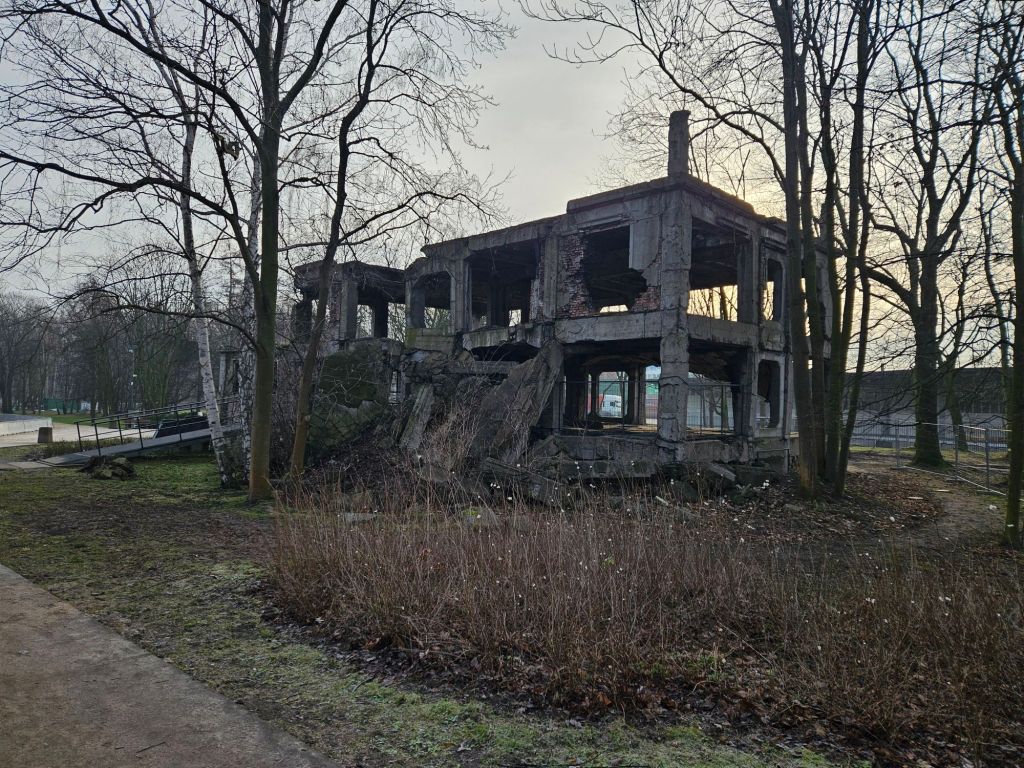
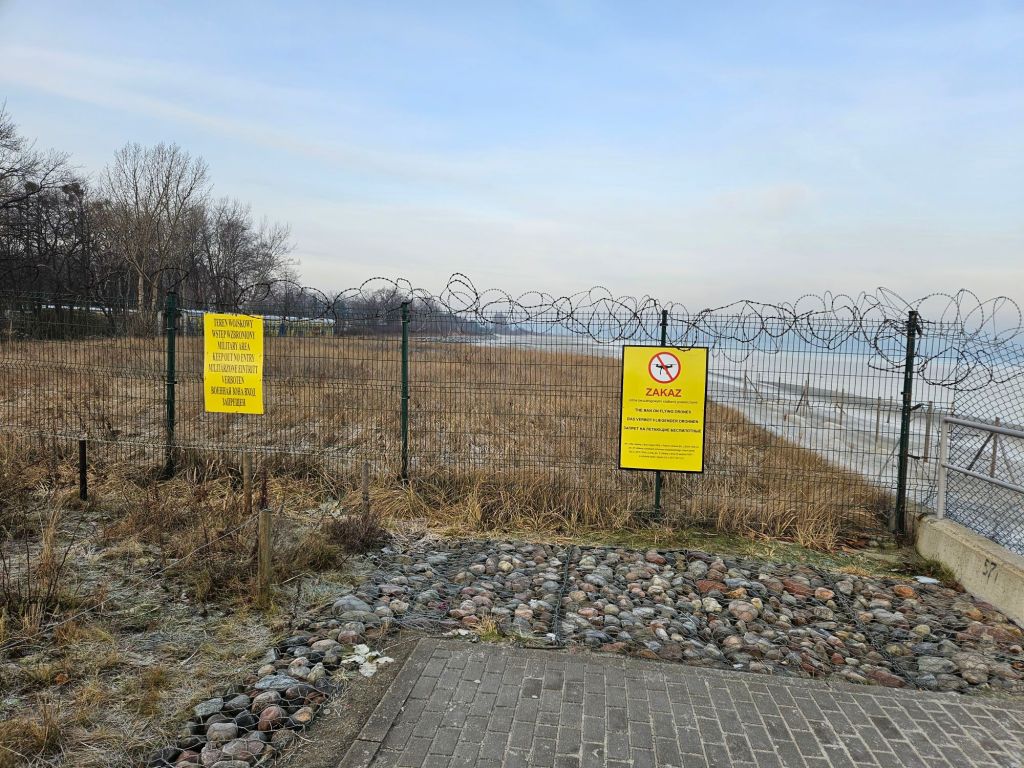
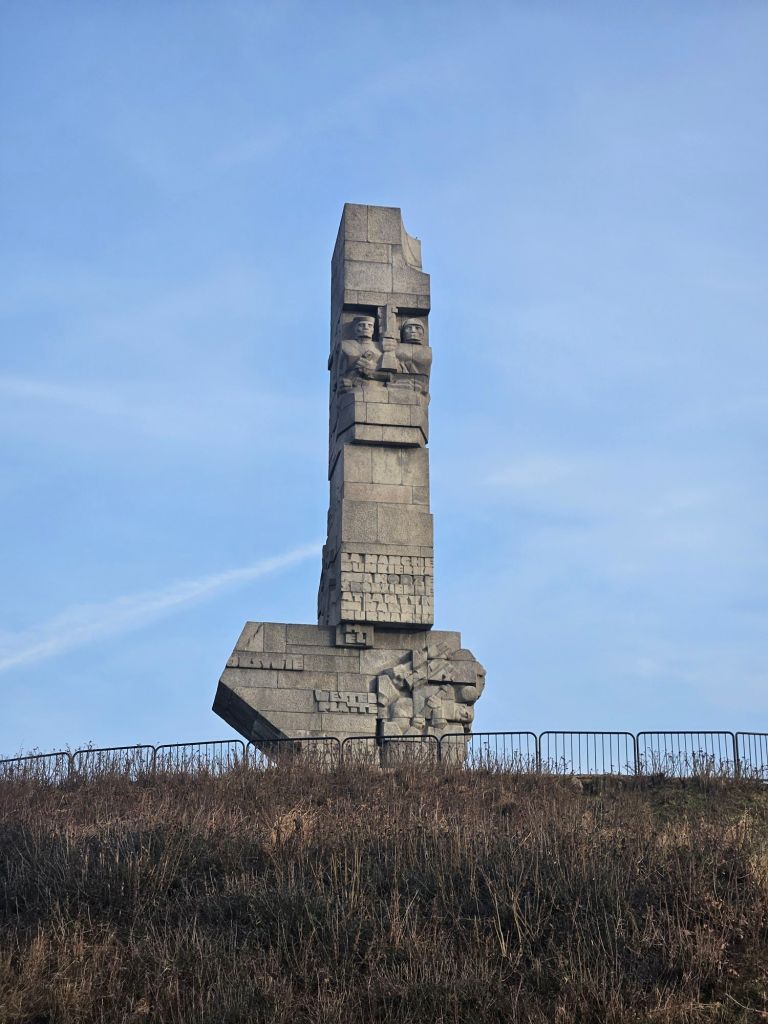
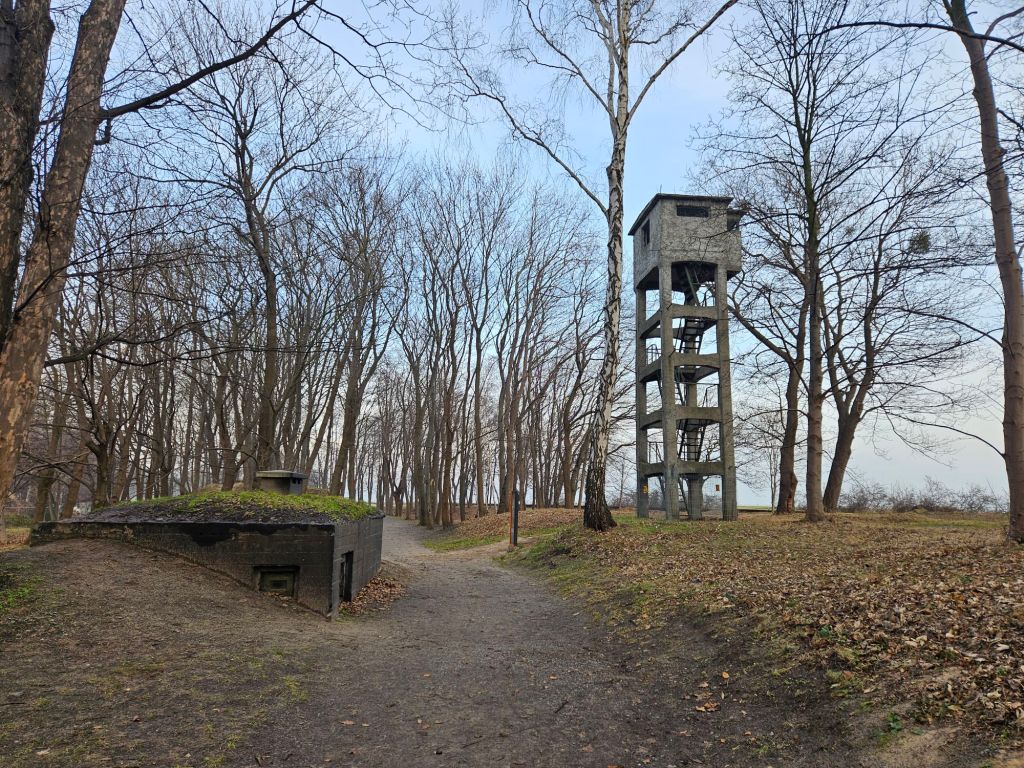
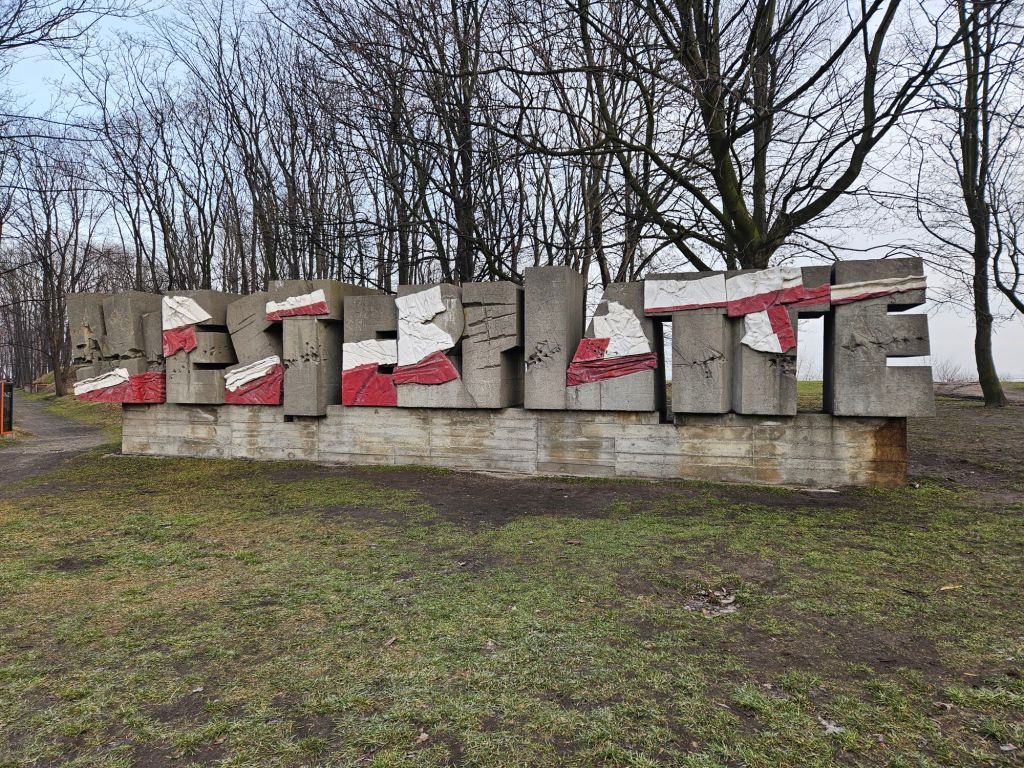
On September 1, 1939, Germans fired the first shots of World War II at Westerplatte, on the Baltic Sea just north of Gdansk. Gdansk had historically long been part of Germany, but after WWII it was a free city outside of direct German control, and Hitler wanted it back. There are now residual and tourable artifacts, along with memorials and a museum, at Westerplatte. The site is like sacred ground to Poles today, and they hype the defending heroes who held out against the Nazis for longer than expected, and the defenders inflicted much harm on the Nazis during the battles.
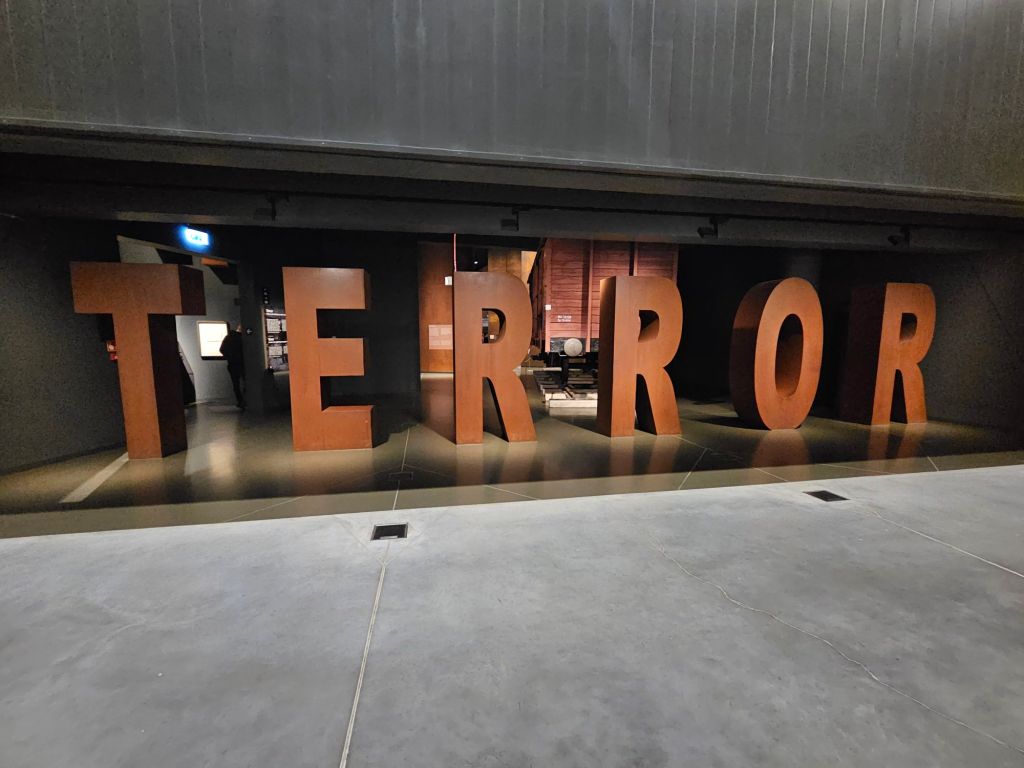
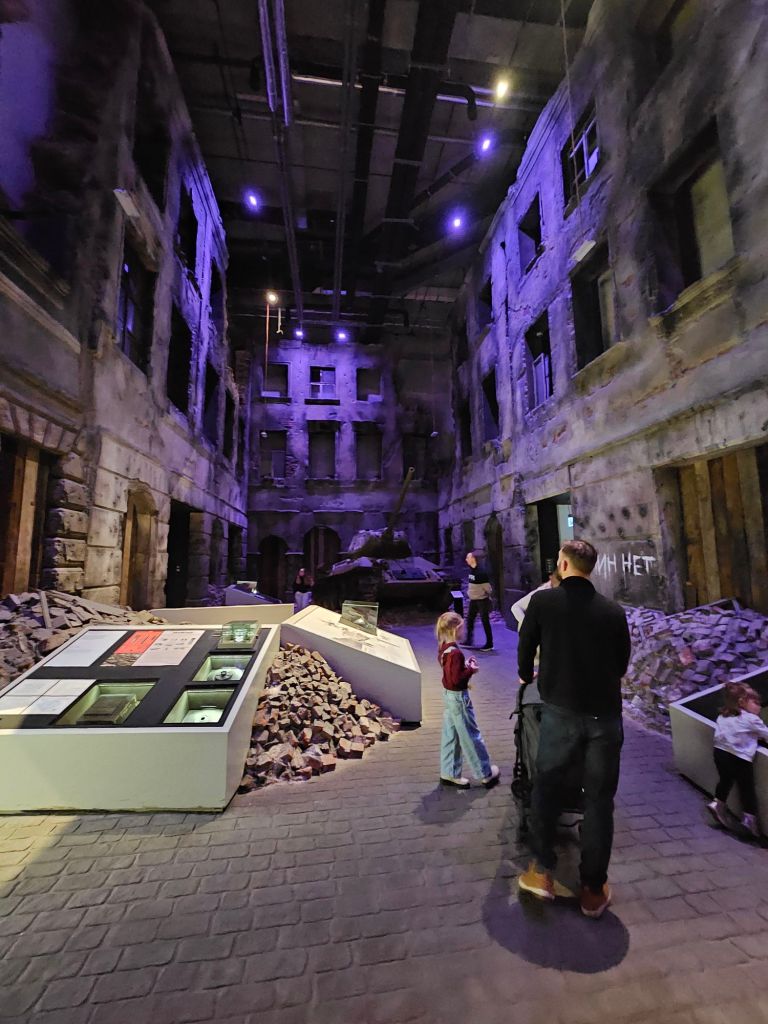
WWII impacted a higher percentage of the population in Poland than in any other country, and there’s a new Museum of the Second World War in Gdansk presenting various aspects of the war, mainly from a Polish perspective. This was my final war or occupation museum of the trip, and that was more than enough! I’m sated for a while…
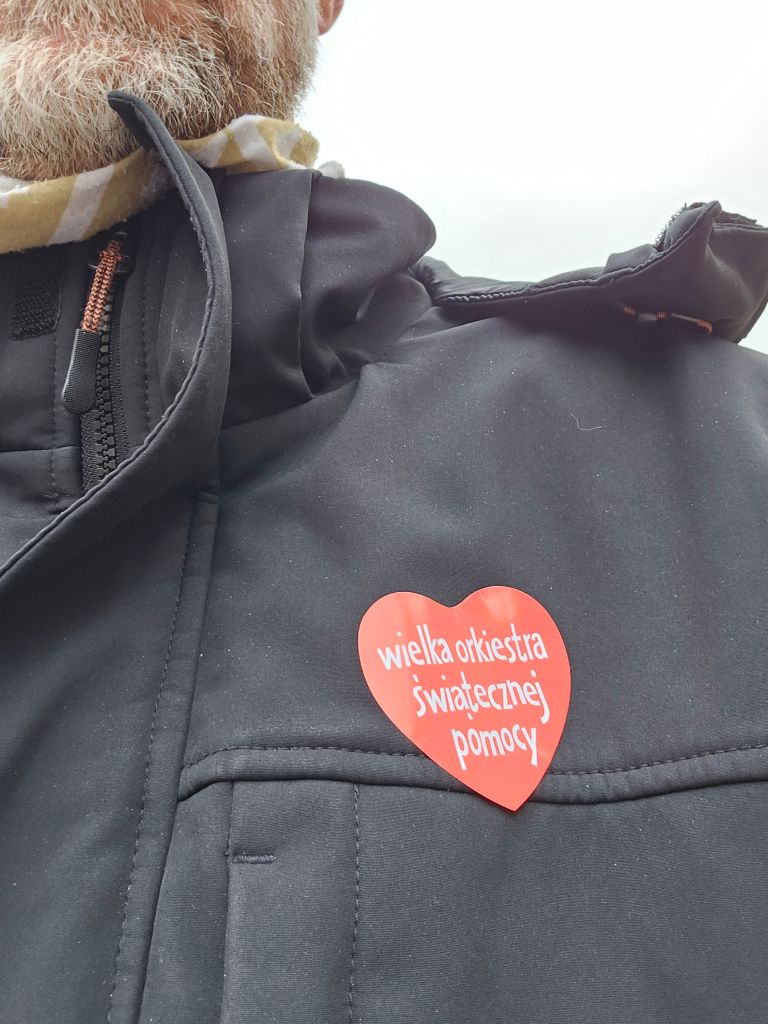
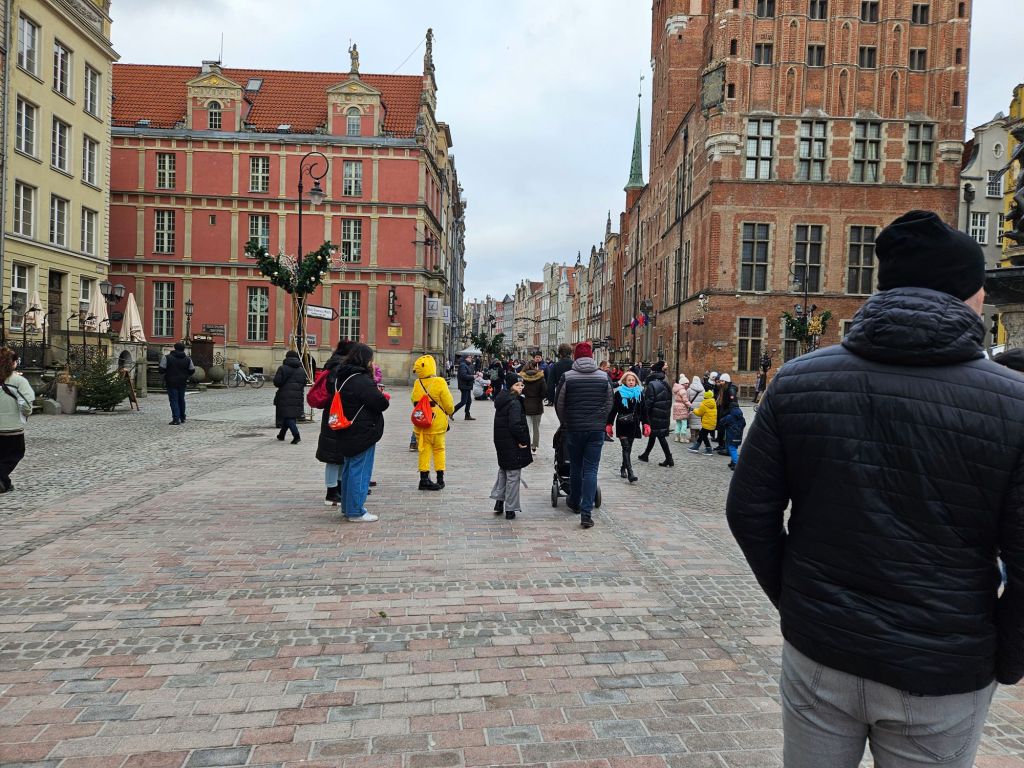
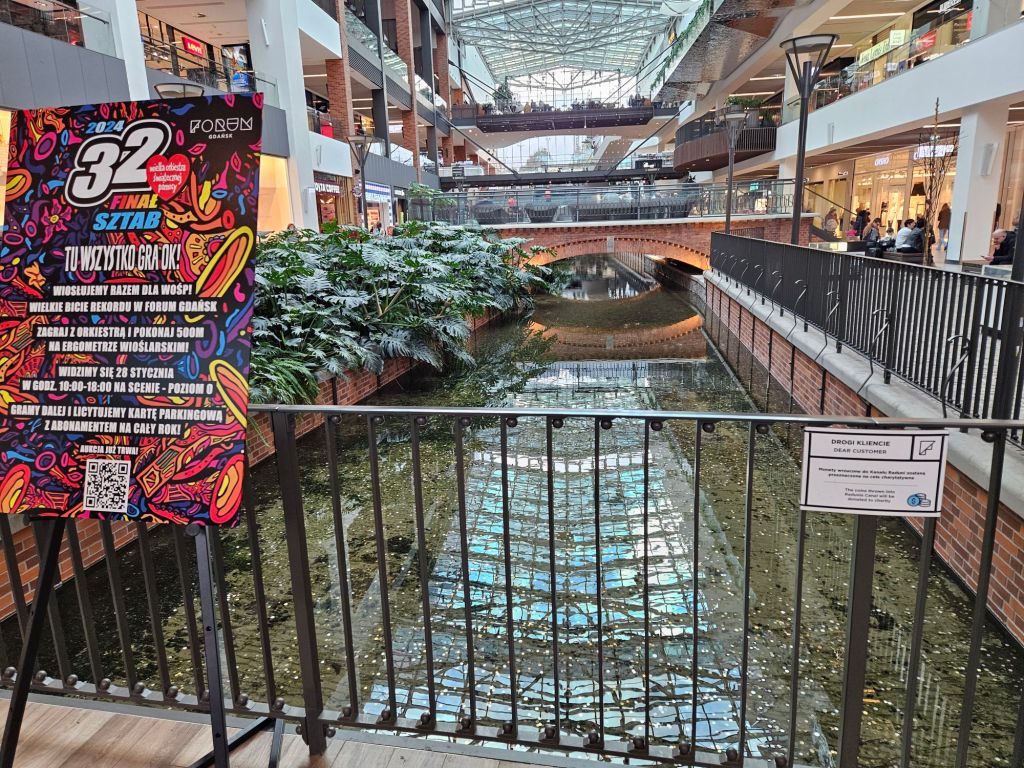
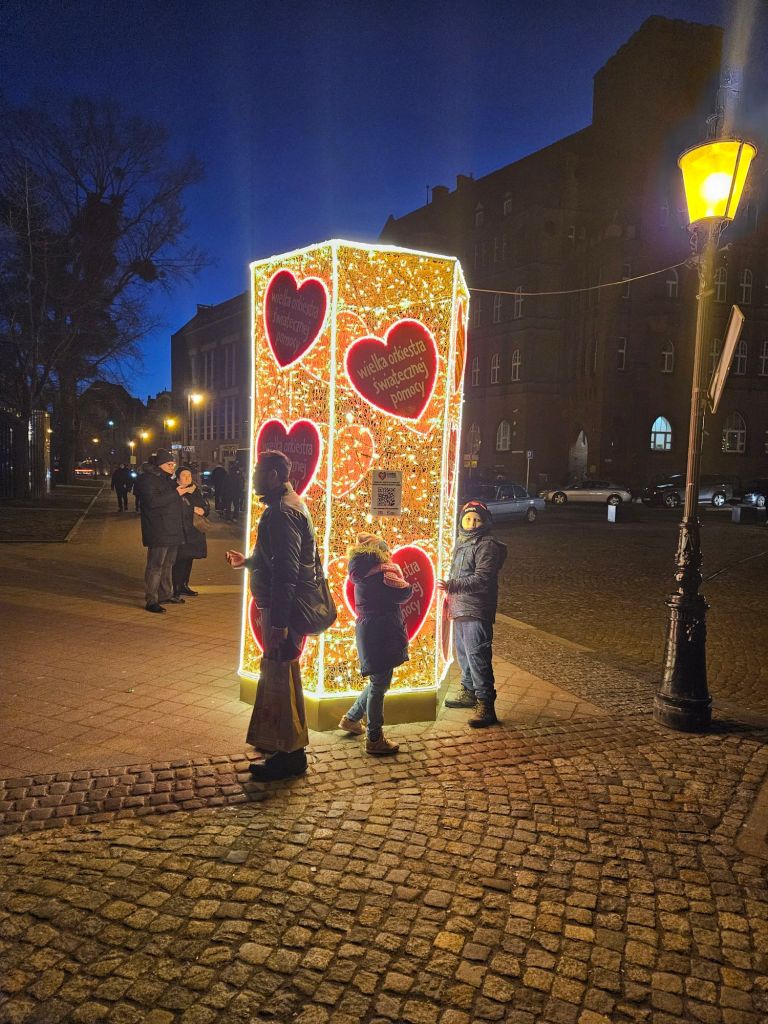
Once per year for the past 32 years, each January, Poland’s largest public collection takes place throughout the country. About 120,000 volunteers in over 1,600 headquarters collect money in traditional cardboard cans (and online and through auctions). Each year has a theme of what the collected money targets, but it’s always for some healthcare need, and this year targeted “lungs after the pandemic.” This collection culminates on a day with special events and concerts, and this final wrap-up day happened to be the Sunday while I was in Gdansk. If you were out that day, you would be approached and asked to donate. Luckily there was a way to indicate that you’d already given, and this was through a heart-shaped sticker you could apply to your jacket so you wouldn’t get asked dozens of additional times throughout the day, haha. It was a very positive vibe all around, and kids would often dress in non-scary costumes as well.
Modern travel in and around Poland is so smooth and such a joy. Contrast that to what it would have been like back in the late 1990s when Colleen and I were first traveling around Europe. Back then most of the best museums in Gdansk and Warsaw didn’t even exist yet, things certainly would have been grittier, English would not have been prevalent much at all (an entirely new generation of service industry workers has grown up speaking English since then), it was more difficult to find things without smartphones and map apps like Google Maps, it was tough to read without an online translation solution like Google Translate, fewer things would have been in English, there were fewer nice places to stay, it was tougher to figure out and use public transportation, restaurant reviews were normally limited to whatever you had in your printed guidebook, there were fewer international food options, etc. All of that has changed for the better since then, other than that there are many more tourists now, haha! And amazingly, it’s actually less expensive to fly around Europe now than it was in 1998 and 1999! Though that’s arguably not a good thing, for multiple reasons.
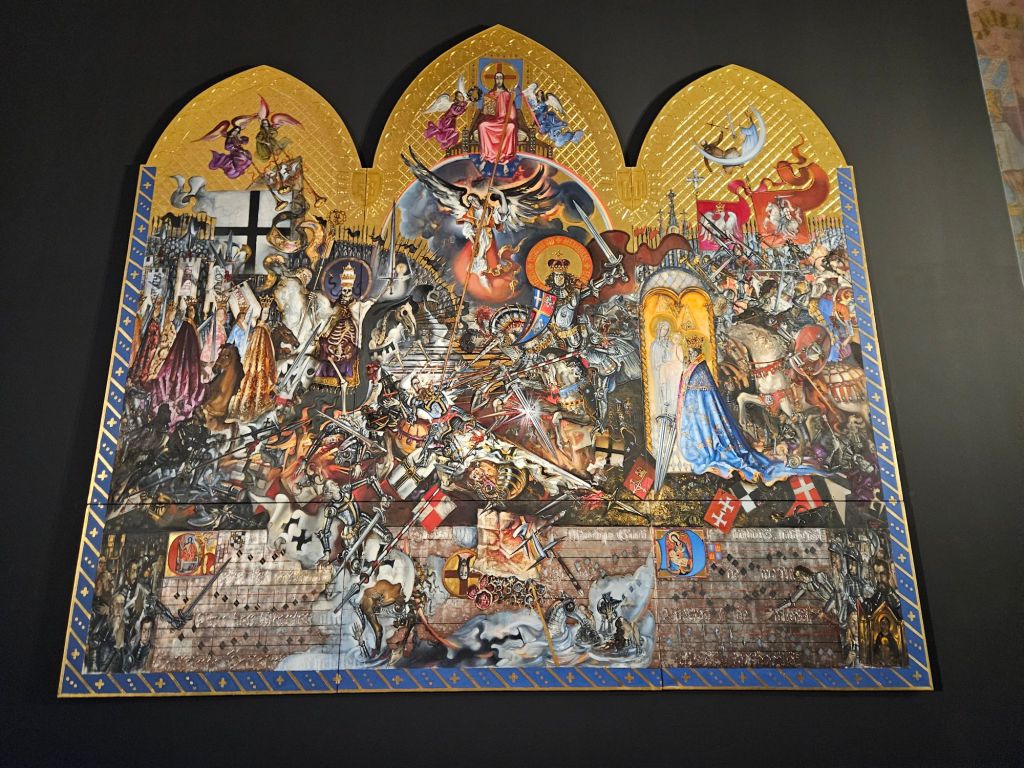
Today’s vocab word: “Triptych” – This is a work of art which is divided into three sections. It’s usually a panel painting, often hinged, and there are so many of these around Poland that it’s a word that’s difficult to not learn by osmosis while on a trip here. It’s pronounced like AAA’s “TripTik” travel planner.
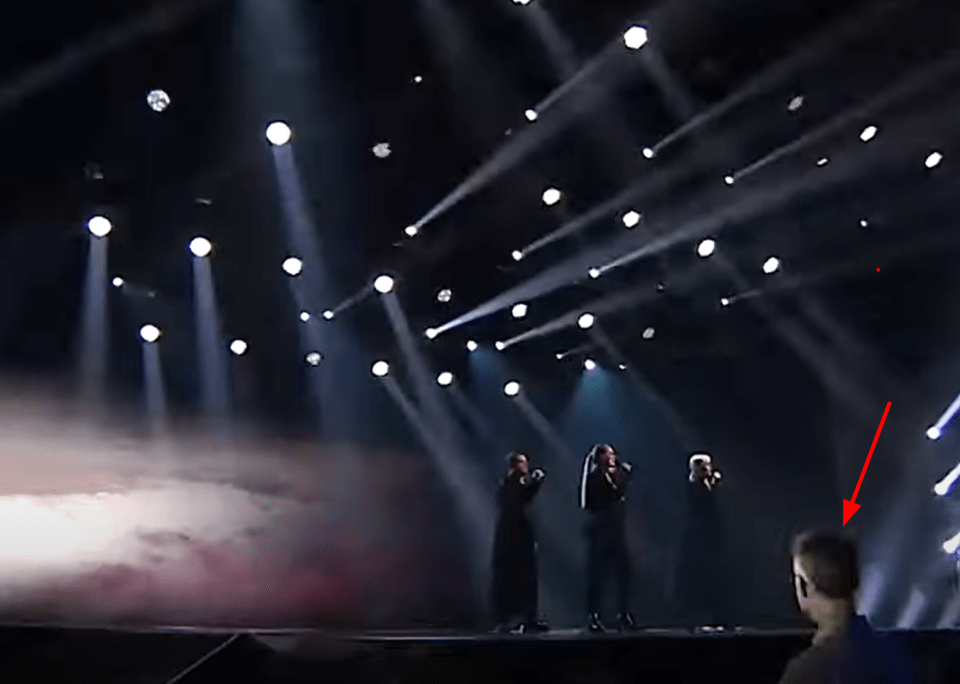
Eurovision update: The Lithuanian qualifying round was televised on Saturday February 3. You can watch highlights on YouTube, if interested. You can see me (my grey temples) in the front left corner a couple of times just after 0:33 and 1:22. Haha! The songs don’t age well to my ears, other than Monika’s.
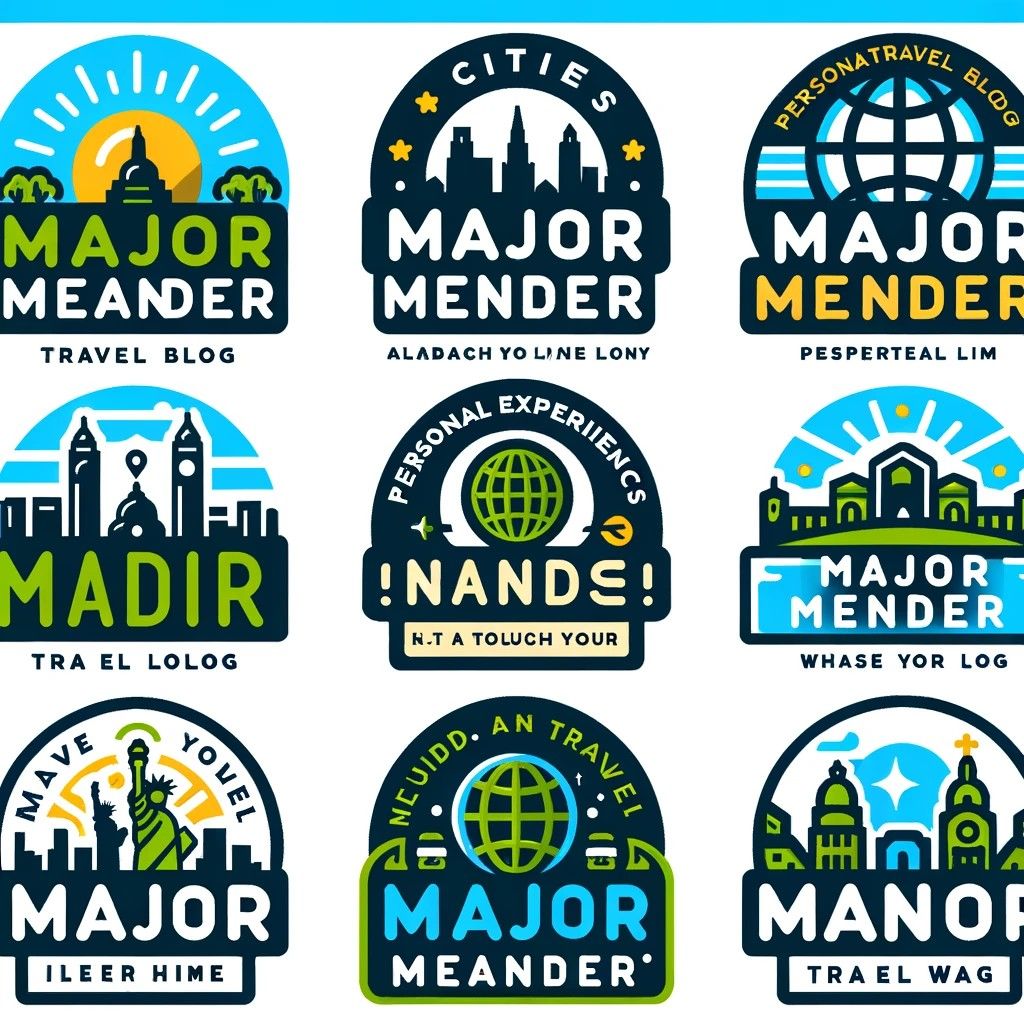
Today’s AI insight: I asked ChatGPT to create a Major Meander blog logo. This led to humorous failures all around. The problems experienced are comparable to ones I also found when previously attempting to create AI-generated Christmas cards last year using Bing. An example set of outputs is provided below. One thing you notice is how, strangely, while AI is a great speller for text, it’s abysmal when embedding text into an image. I’ve heard someone explain why that is, but it really doesn’t make sense to me! Even after I told the AI the following, it still got it wrong: “… the term “Major Meander” is often misspelled, so please correct that. Also, no additional text beyond that name is desired.”
WTF, ChatGPT?!
Today’s nutrition tidbit: Here’s a video highlighting some US foods, drinks, and additives that are banned in some other places around the world:

 Major Meander