My second, and final, Polish home base on this trip was Gdansk, formerly known as Danzig in German. Gdansk is a port city in northern Poland on the Baltic Sea. Like Warsaw, its core was destroyed in World War II, but this time by the Soviets because its former inhabitants were mostly German. Like many cities in this region, it has a long and complex history, and it was even a “free city” between the world wars, meaning that it technically wasn’t part of any country, and it fell under the protection of the League of Nations.
After World War I, in a unique compromise to appease its complex ethnic makeup, Gdańsk did not fall under German or Polish control, but once again became an independent city-state: the Free City of Danzig (about 750 square miles, populated by 400,000 ethnic Germans and 15,000 Poles). The city, along with the so-called Polish Corridor connecting it to Polish lands, effectively cut off Germany from its northeastern territory. On September 1, 1939, Adolf Hitler started World War II when he invaded Gdańsk in order to bring it back into the German fold. Later, nearly 80 percent of the city was destroyed when the Soviets “liberated” it from Nazi control.
Rick Steves
I had heard of Gdansk/Danzig, but didn’t previously know much about it. I did know the heavy metal band Danzig, though, haha!
Modern Gdansk is a very charming place, with the main town rebuilt beautifully, and with plenty of sights to visit. However, with cheap flights it’s also become a bit of a party destination on the weekends, and my arrival on a Saturday was met with hordes of boisterous tourists cramming the main street and yelling outside all night until around 3am. Quite a contrast to all the other cities on this wintertime journey! The young neighbors next door to my apartment hosted a big, loud party where it seemed that every 10 minutes or so someone would shout something, and then all other attendees would provide a huge enthusiastic cheer in response. And someone also brought a dog with a massive, deep bark, such that whenever someone new would arrive to the party or would return from a smoke break (which happened for hours), this dog would emit some building-shaking angry-sounding woofs into the echoey hall and stairwell. It sounded like a really fun party, though — I did momentarily consider that if you can’t beat them, join them, eh? Alas, I would have slept in the next morning, but I had a walking tour scheduled for 9am. I reserved a new apartment on Booking.com at 1:30am that morning and moved out after lunch on Sunday, haha. The new apartment was far from the old town in a quiet residential area where I slept deeply each night thereafter.
Speaking of the tour, our tour guide, a Gdansk local, had spent three weeks living in Waynesville, NC (for a short summer job) when he was younger! Small world.
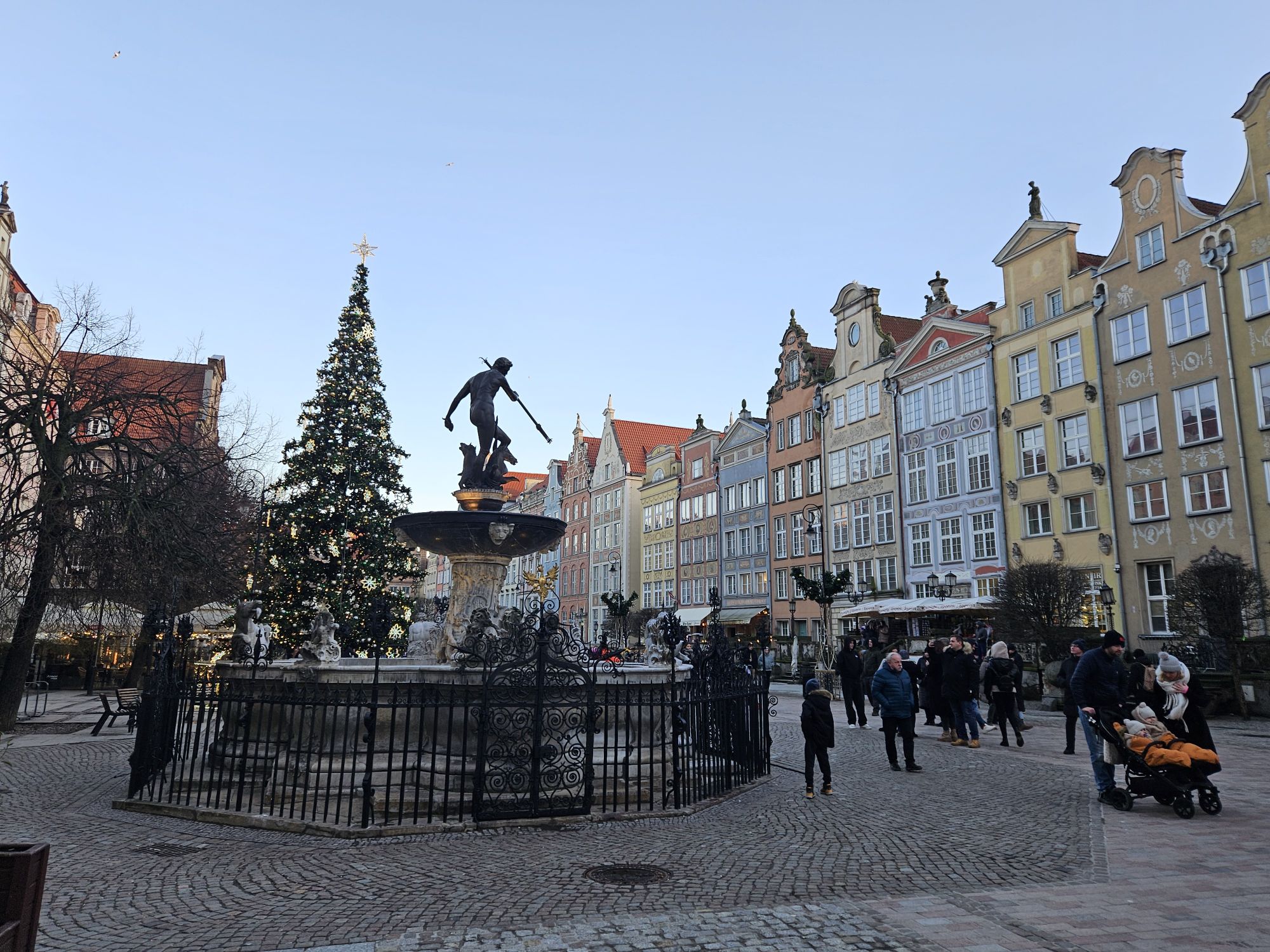
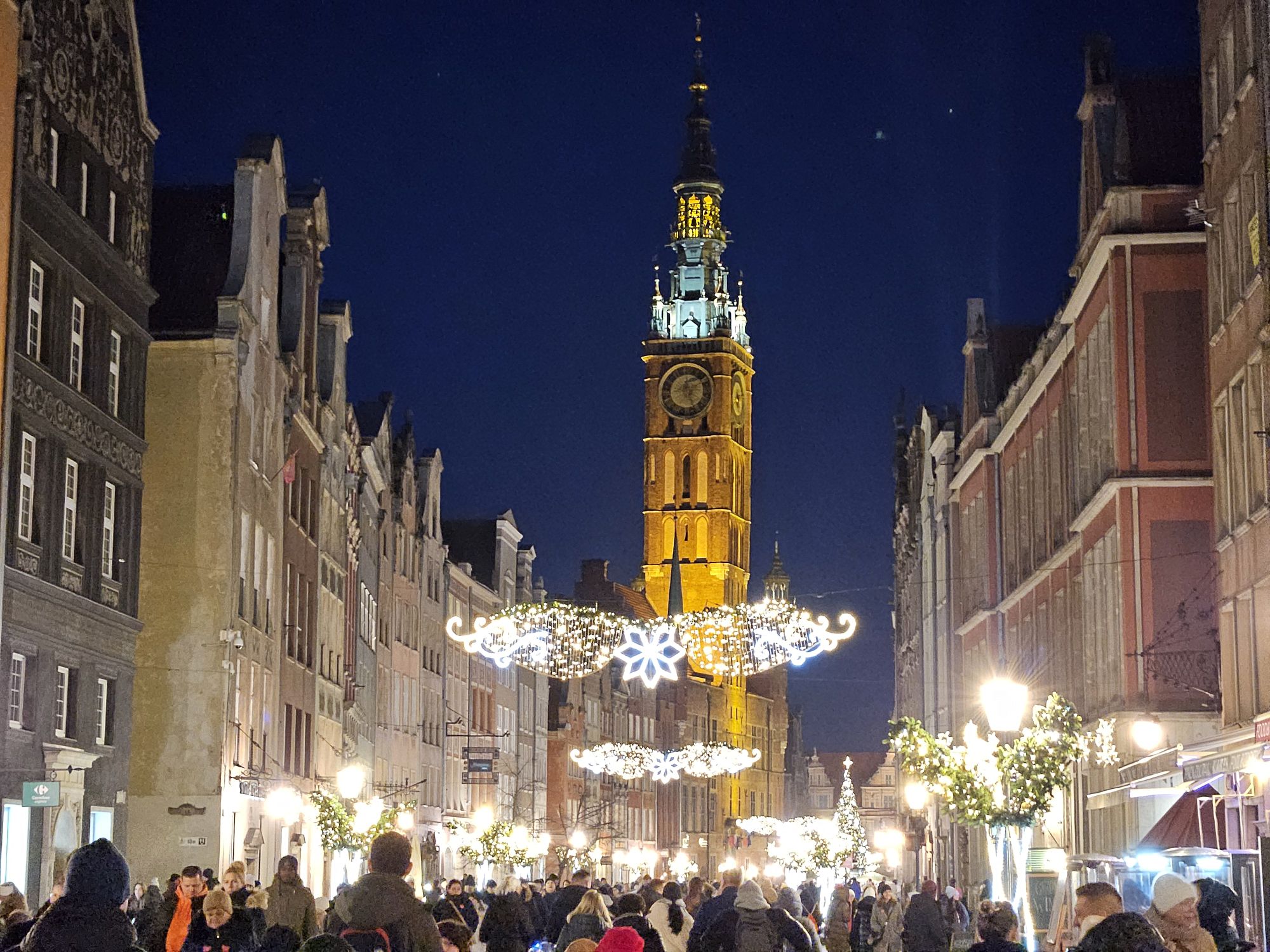
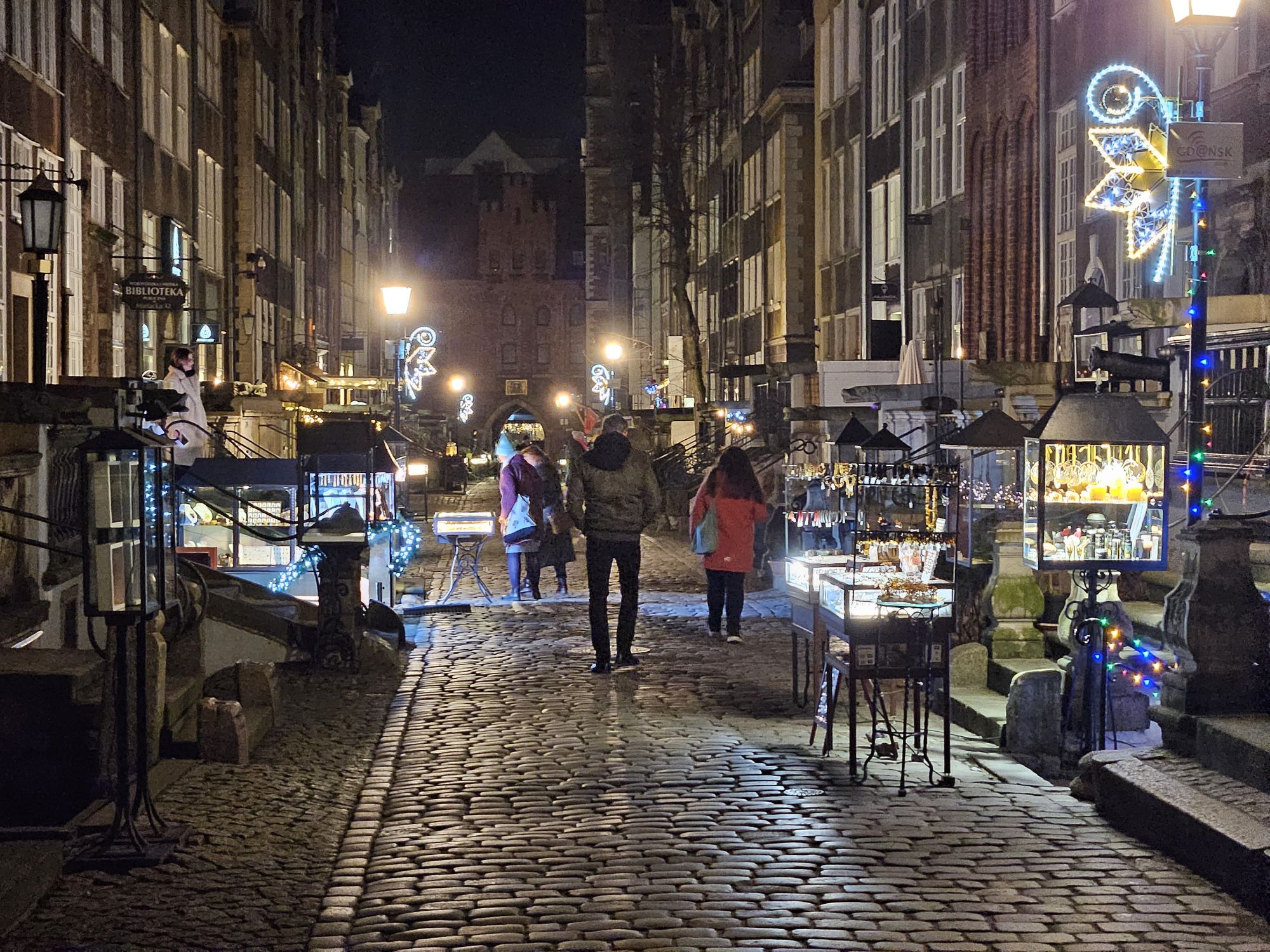
Here’s a slideshow of around Gdansk — use the arrows or swipe to scroll through the photos:
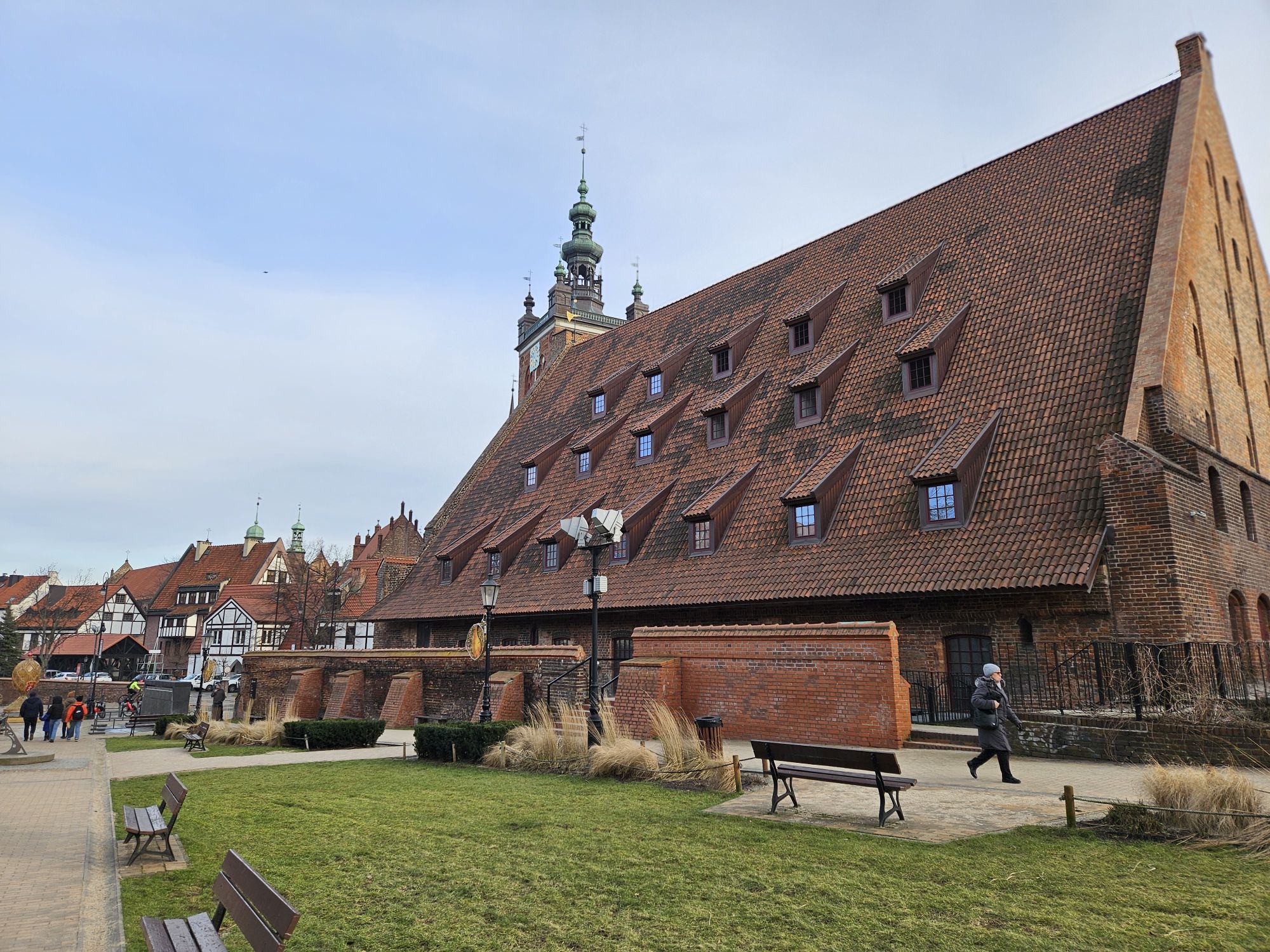
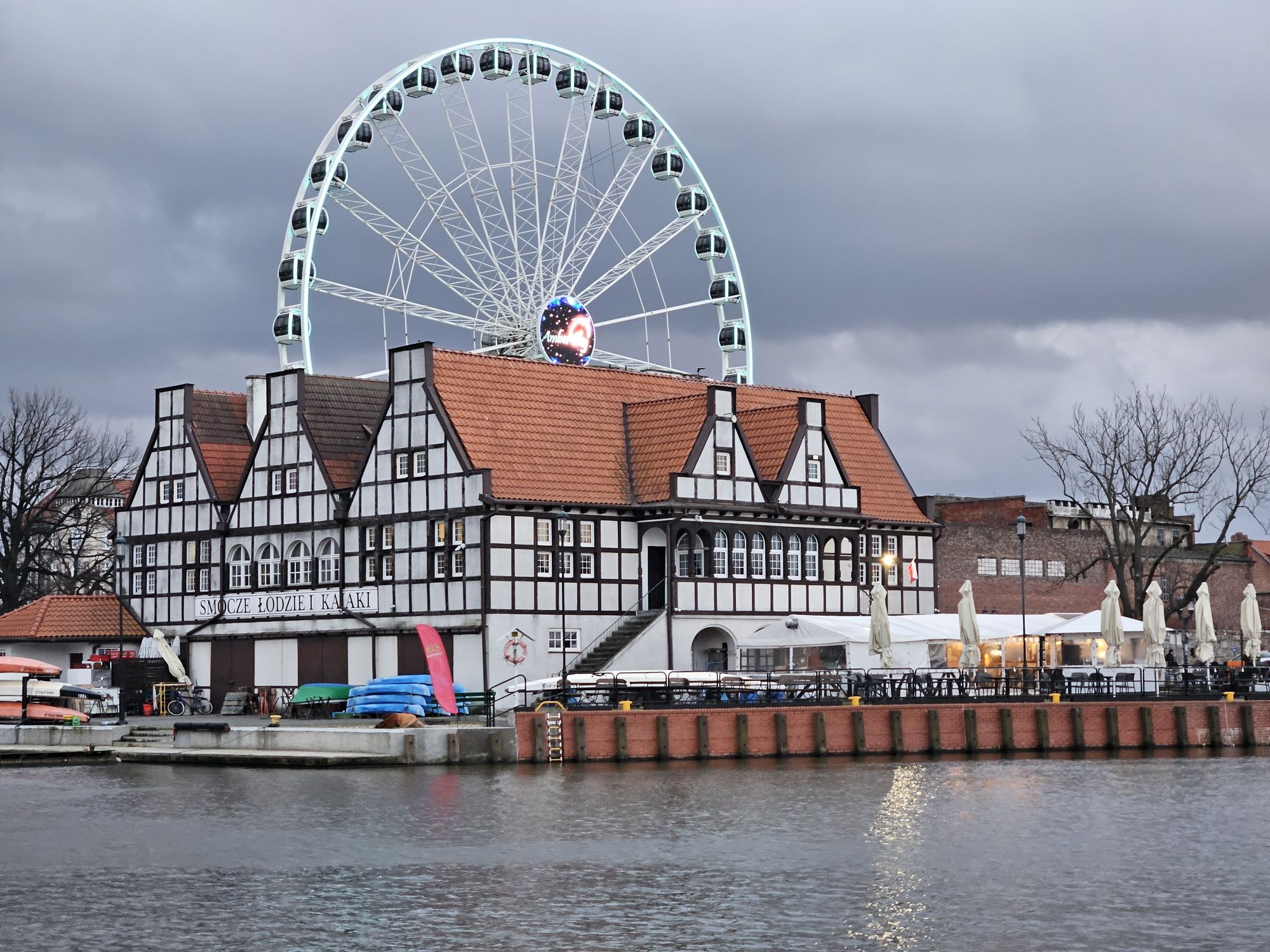
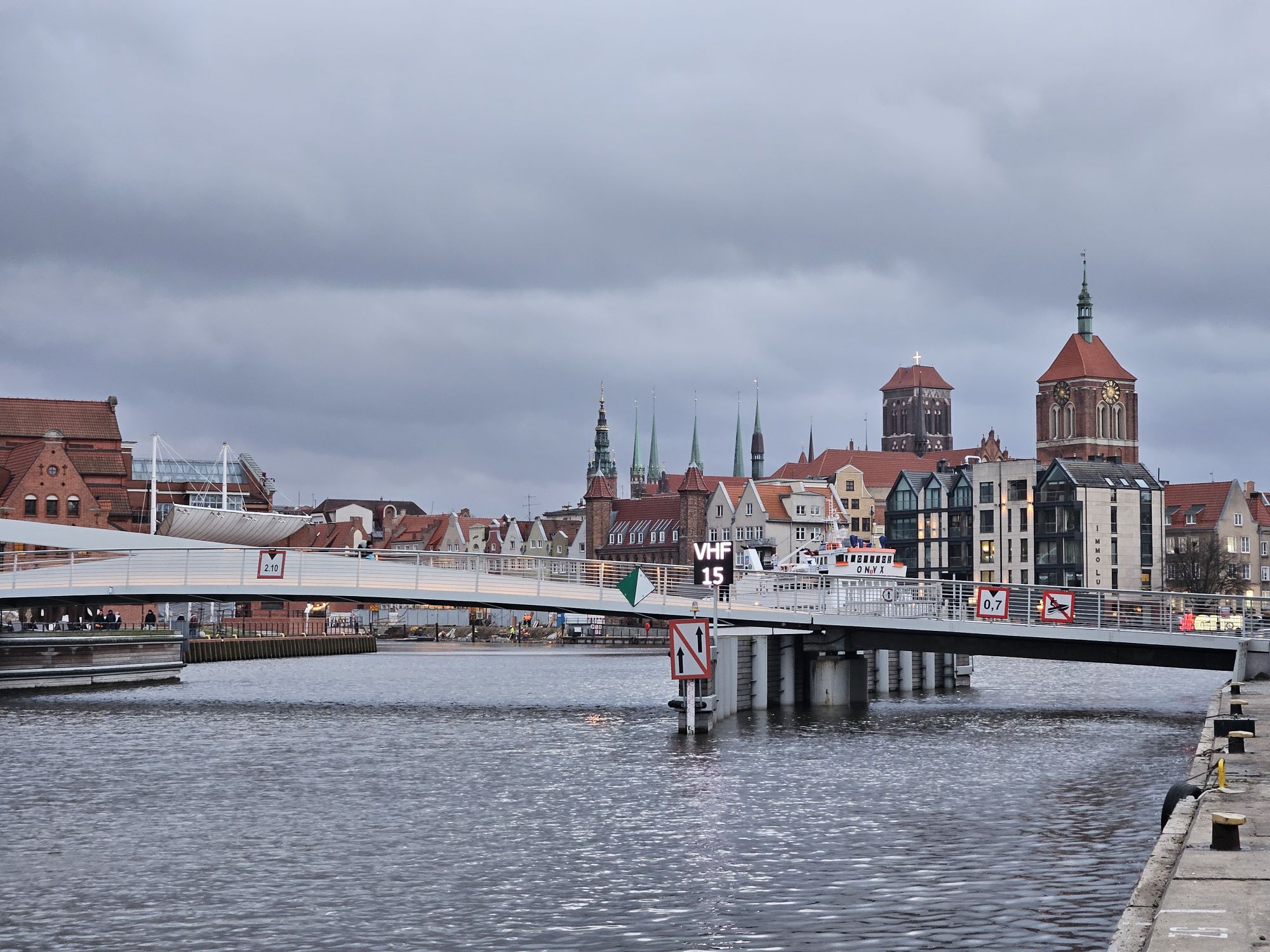

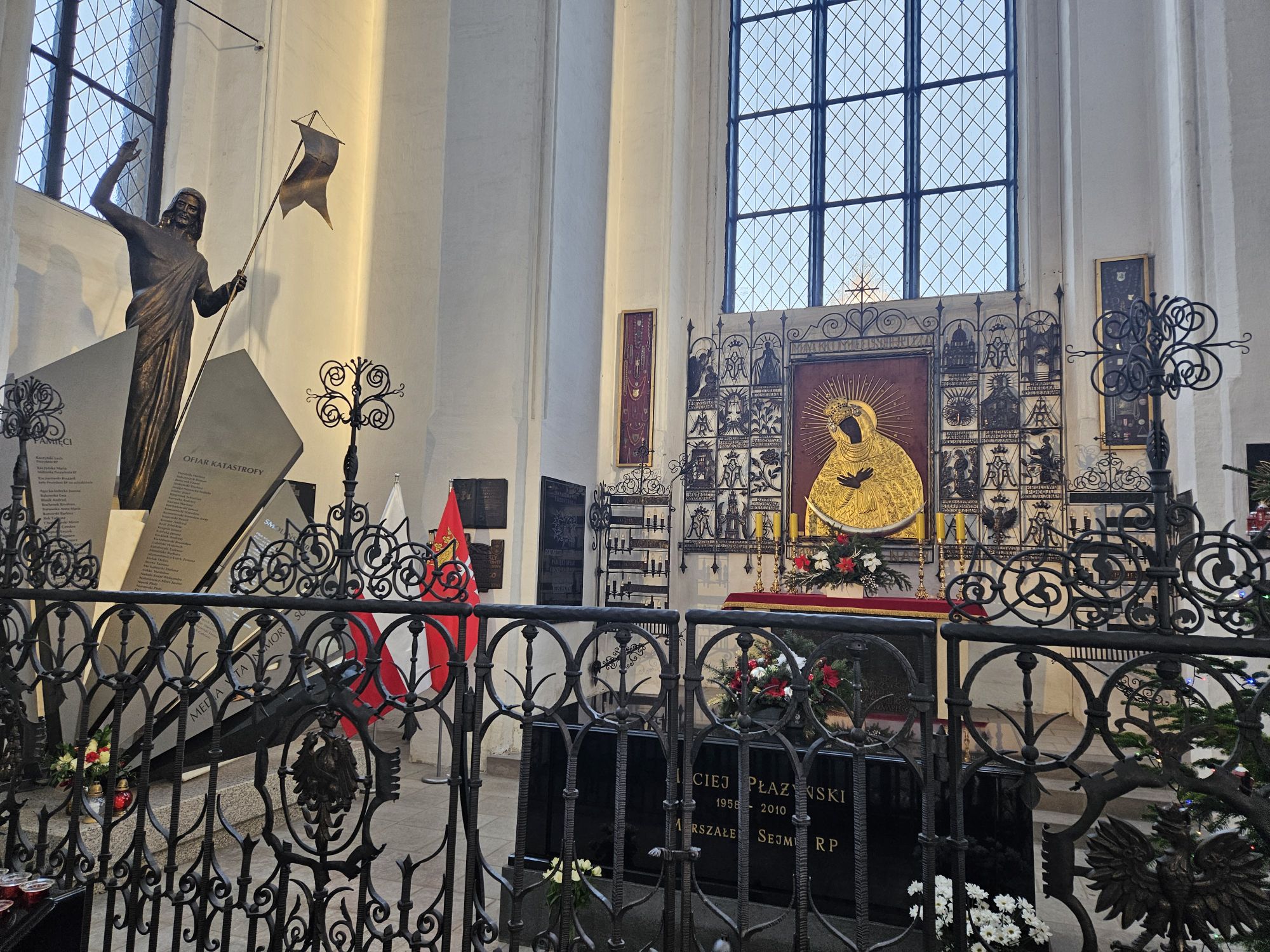
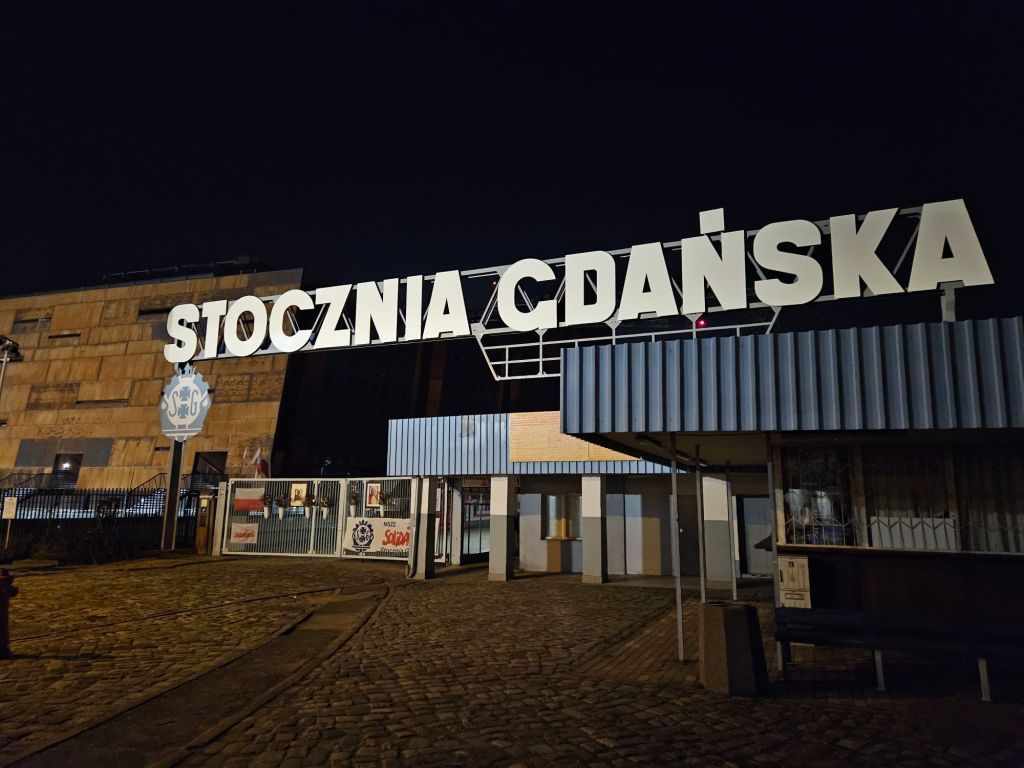
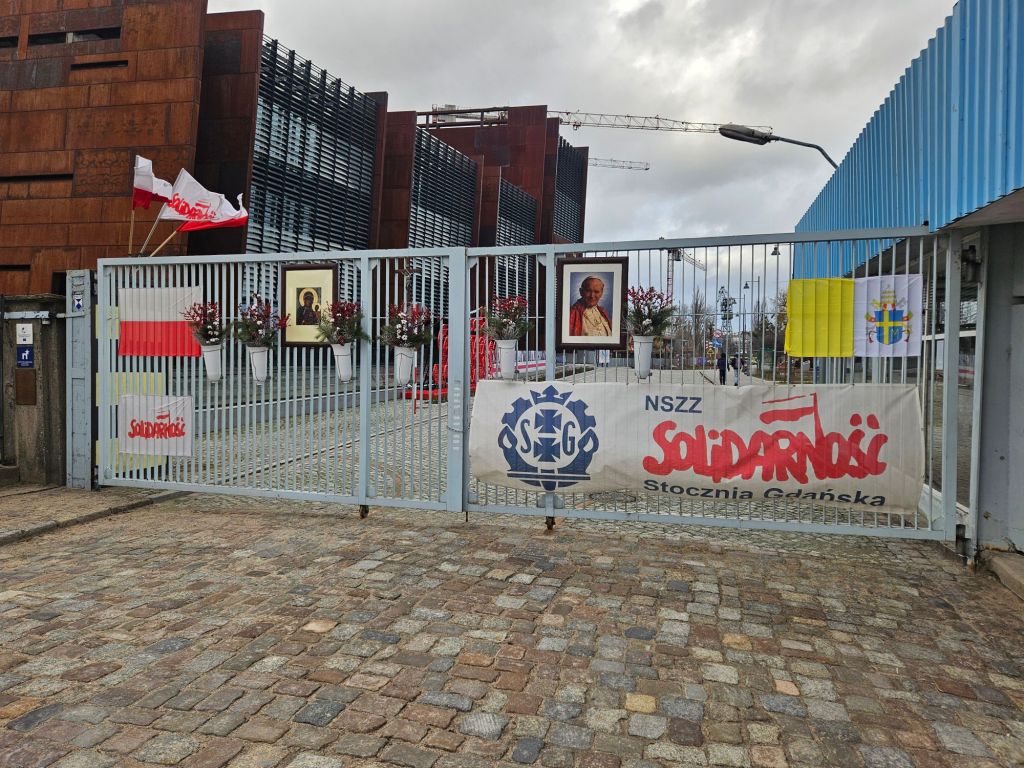
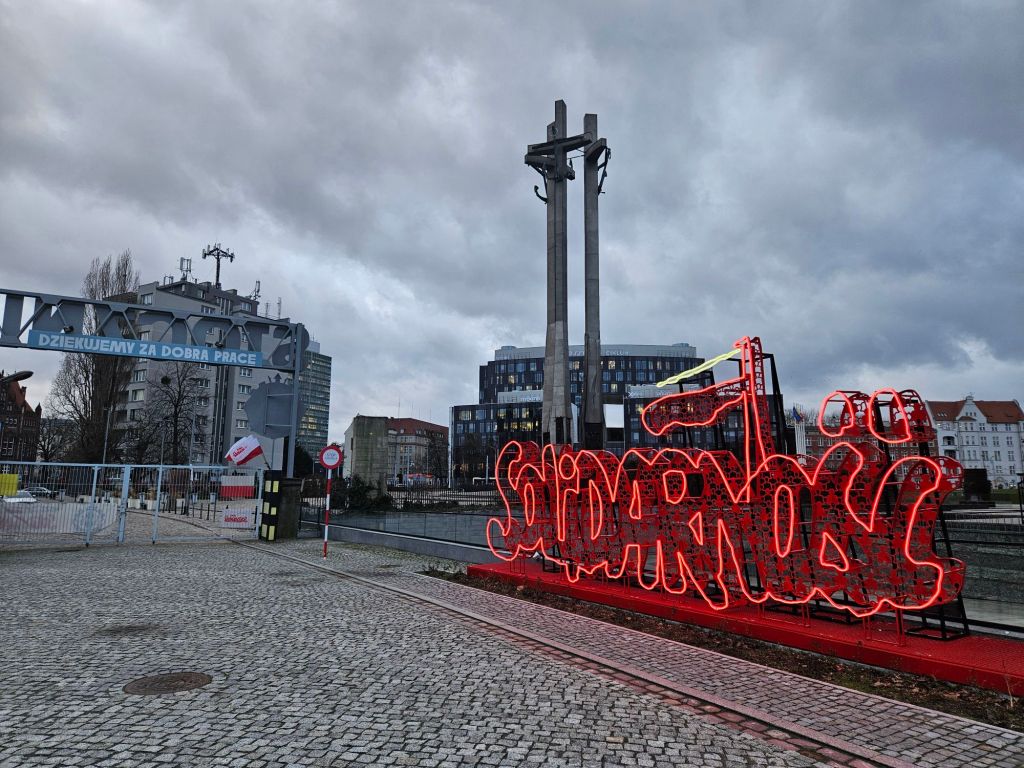
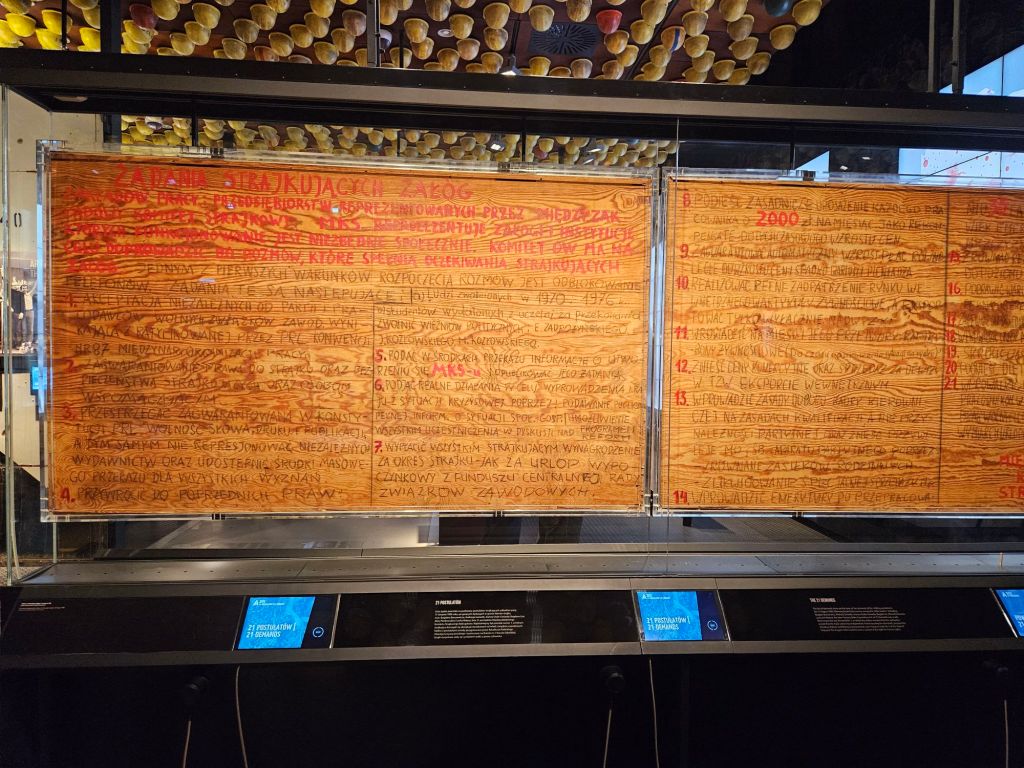
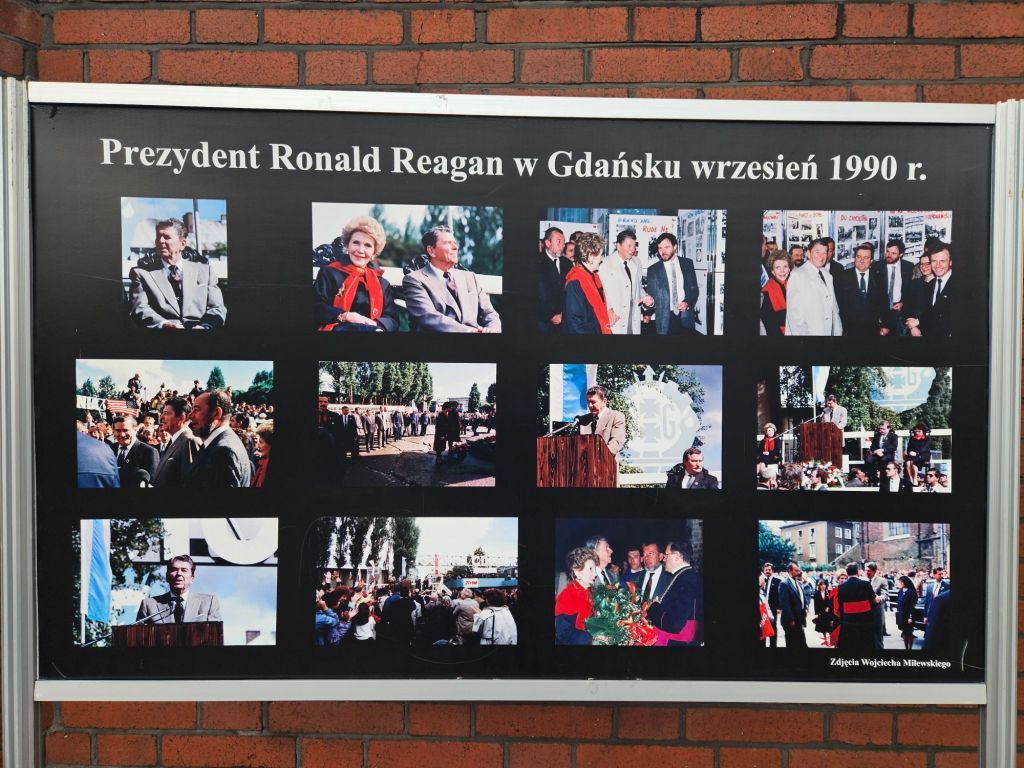
Gdansk is perhaps most famous in modern times due to the “Solidarity” shipyard labor union movement in the 1980s, led by Lech Wałęsa, eventual Nobel Peace Prize winner and Polish president. Mr Wałęsa is still alive and doing well, and it’s not uncommon to run into him downtown (though unfortunately I didn’t see him). This movement very patiently and effectively cracked the communist stronghold, helping to break away from communist and Soviet influence. I recall hearing about the goings-on here while I was in high school back in NC, forced to read Newsweek each week for my social studies class. The shipyards remain, though now trendy apartment buildings and restaurants are sprouting everywhere. Definite ongoing gentrification, and in fact, this is the area I moved to after a restless first night in the heart of the main town. Today there’s a memorial to murdered shipyard strikers, along with a modern museum that provides rich details and artifacts about the Solidarity trade union specifically, and about trade unions and anti-communist movements in general. The Polish Pope, John Paul II, was a motivating force whom Poles looked up to and respected highly for his anti-communist sentiment and comments. Probably the most unique and interesting church I visited during this trip was the St Bridget Church (named for a saint from Sweden, by the way), which was and is overtly connected to the Solidarity movement. Two particular unique aspects are that the church has an altar made of amber and a macabre ossuary of nuns’ skulls!
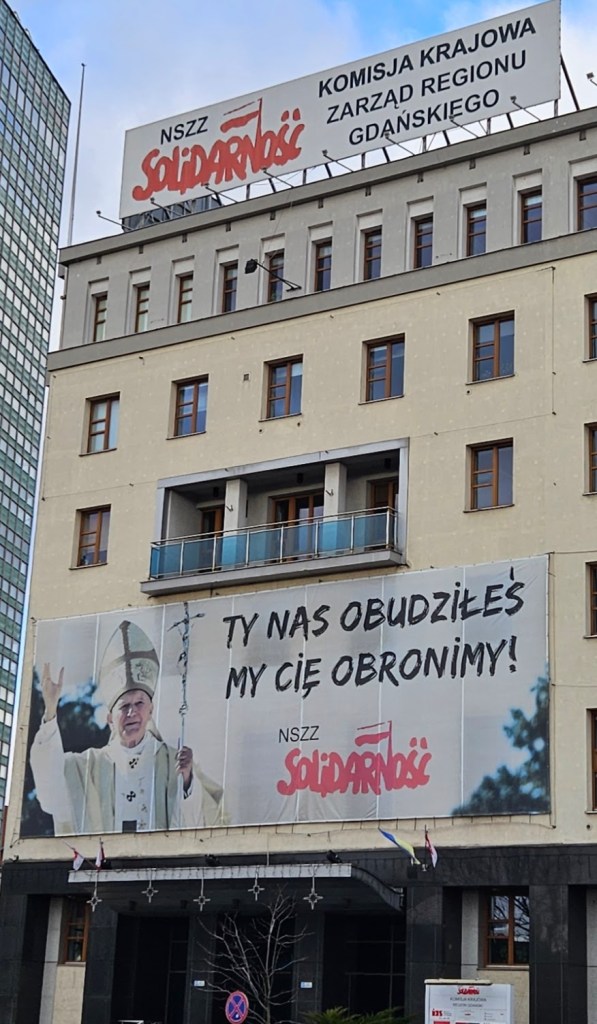
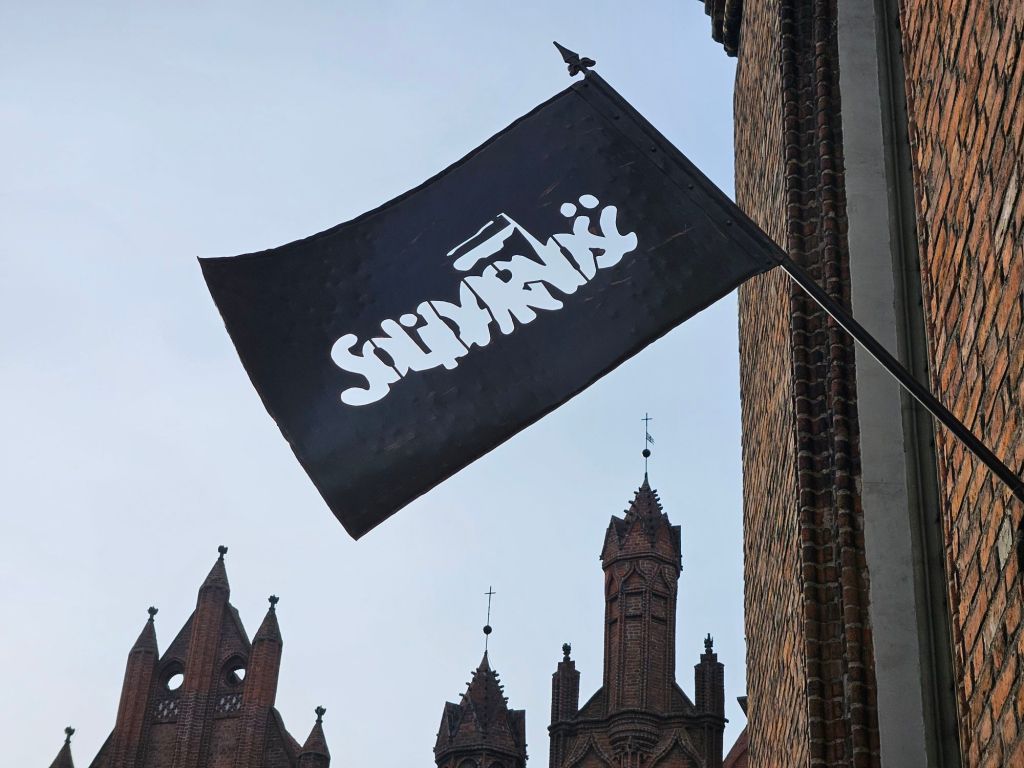
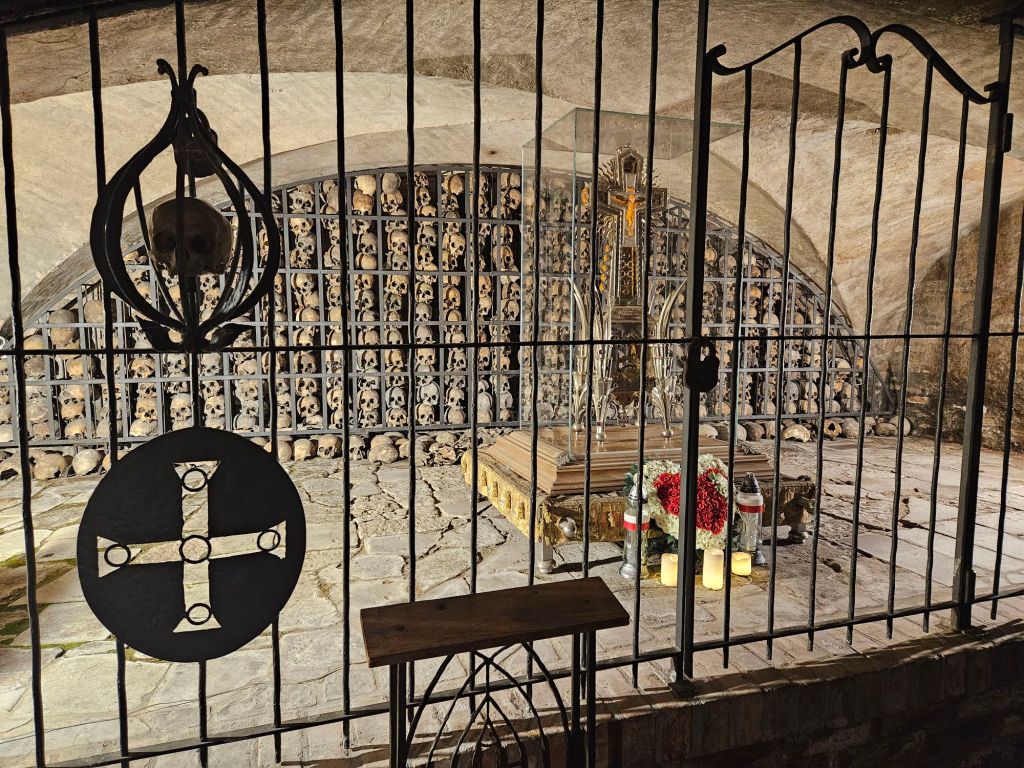
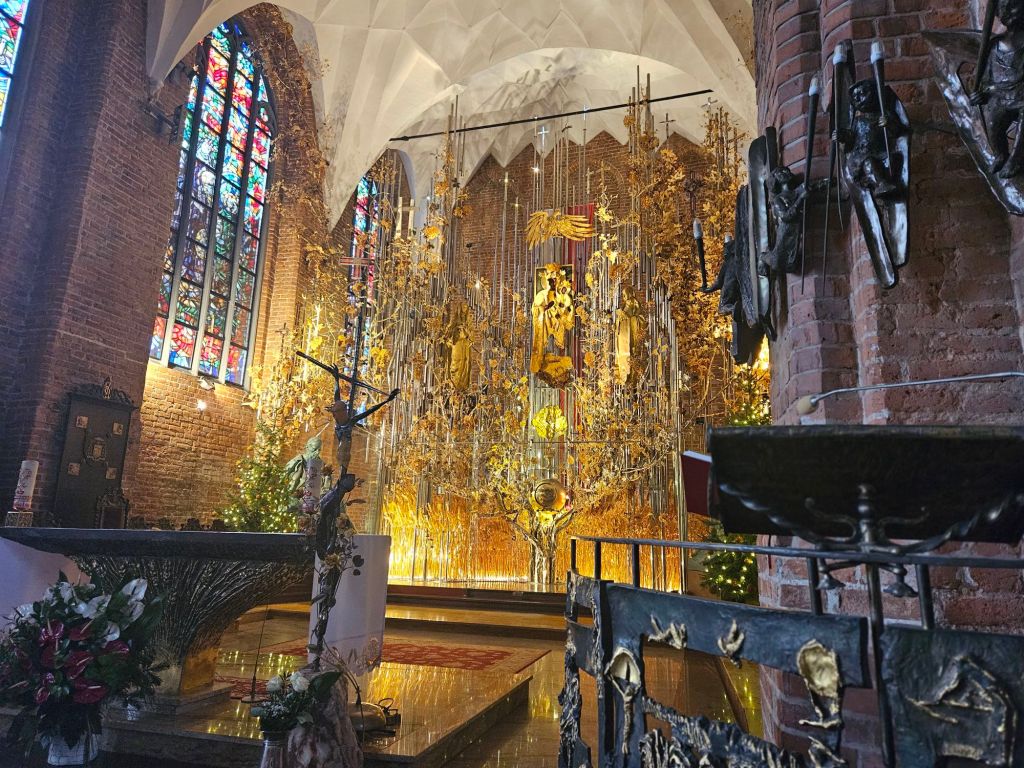
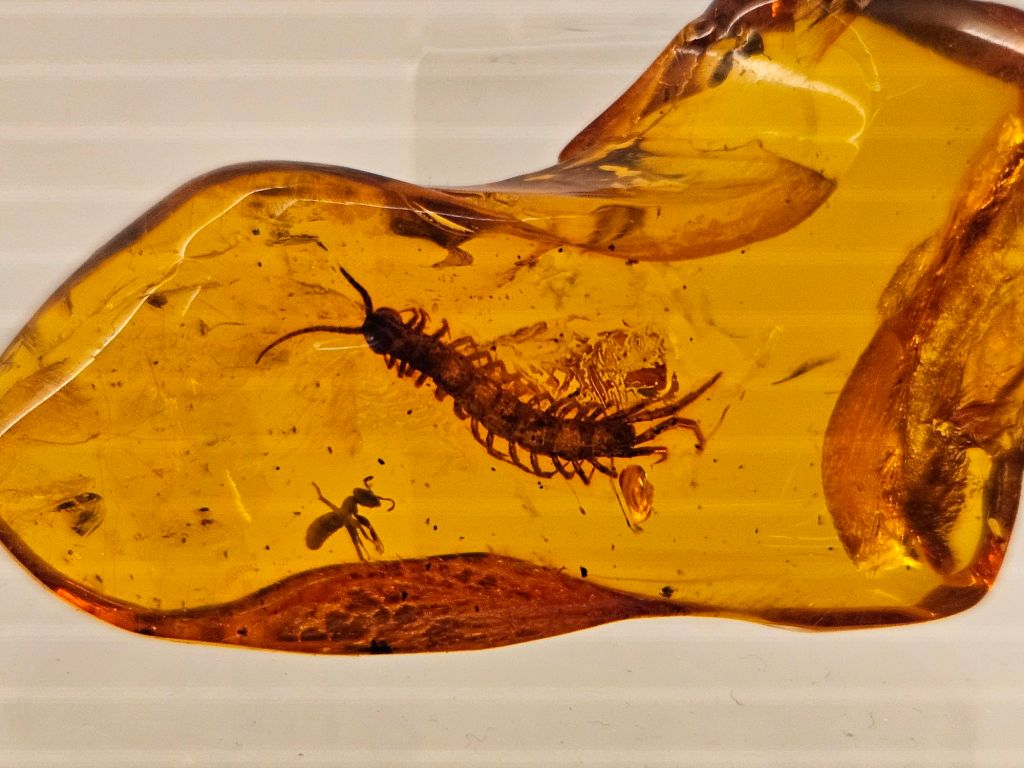
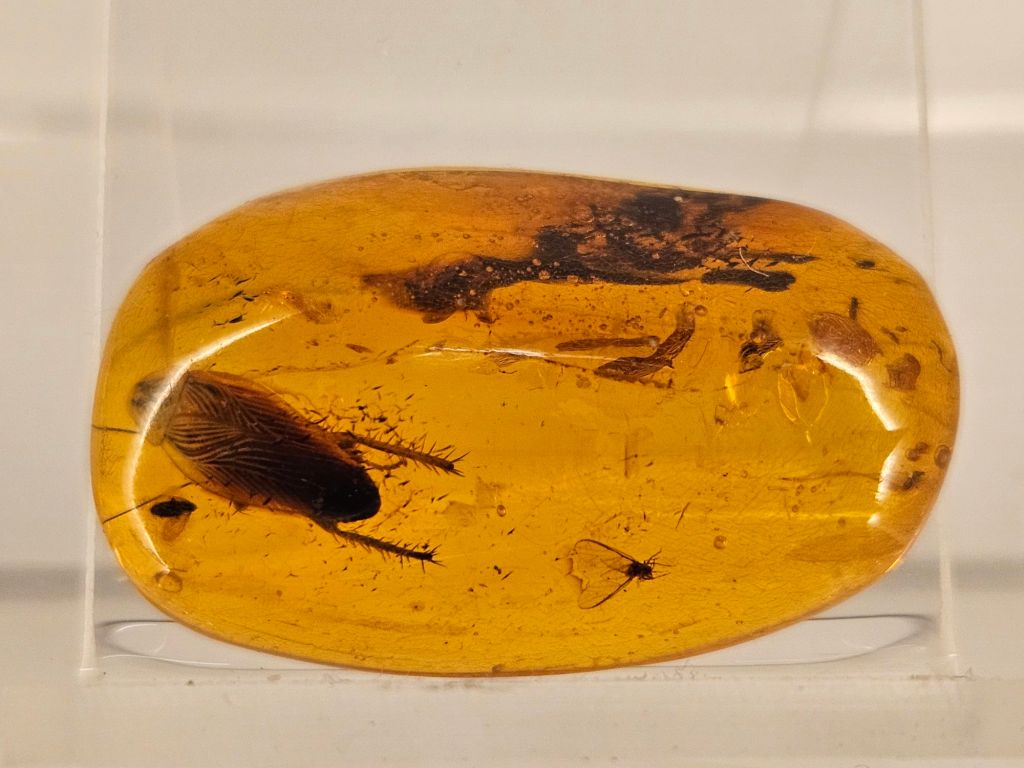
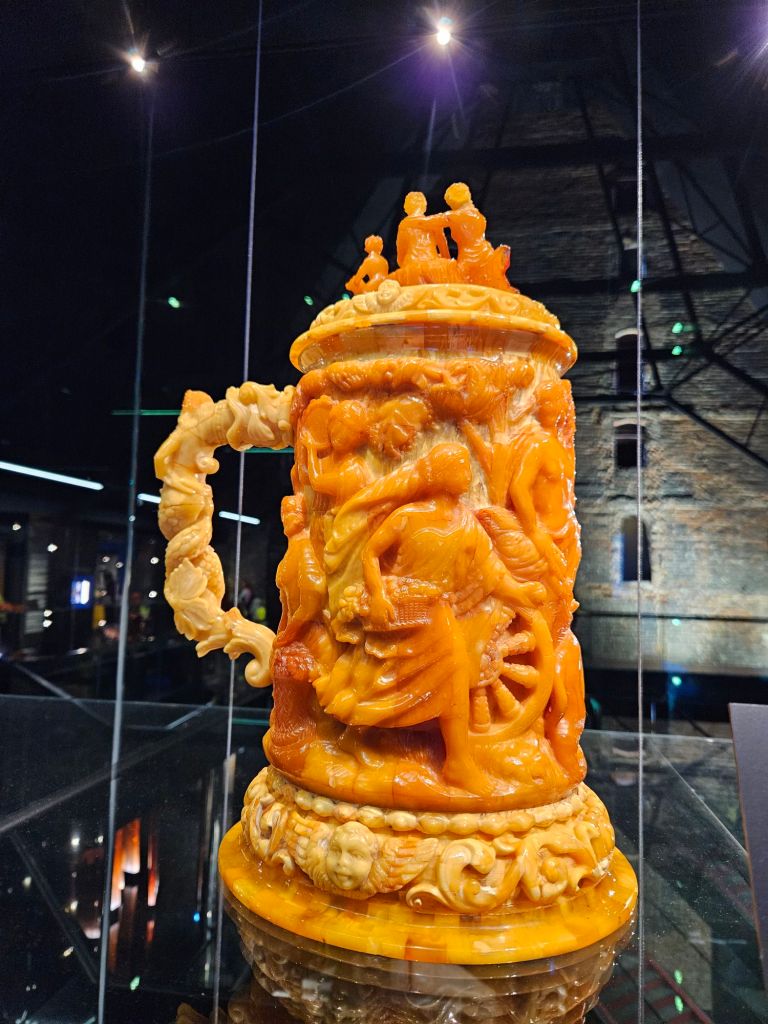
Speaking of amber, Gdansk is the world center of amber trade (though with its open mines, Kaliningrad (Russia) extracts the most amber, by far). Amber (“Baltic gold”) is a fossilized coniferous tree resin formed tens of millions of years ago in this region back when it was much, much warmer here. Amber colors range from pale yellow to dark red, and sometimes living organisms were trapped in the resin and can be found in some amber pieces today, which are much more valuable. Prices also vary by size and quality, but in general amber is sufficiently valuable that people will crowd Polish beaches after a winter storm, searching for pieces in the sand. Amber is ubiquitous around town, with dozens of vendors of amber, along with decorations, and even a dedicated museum.
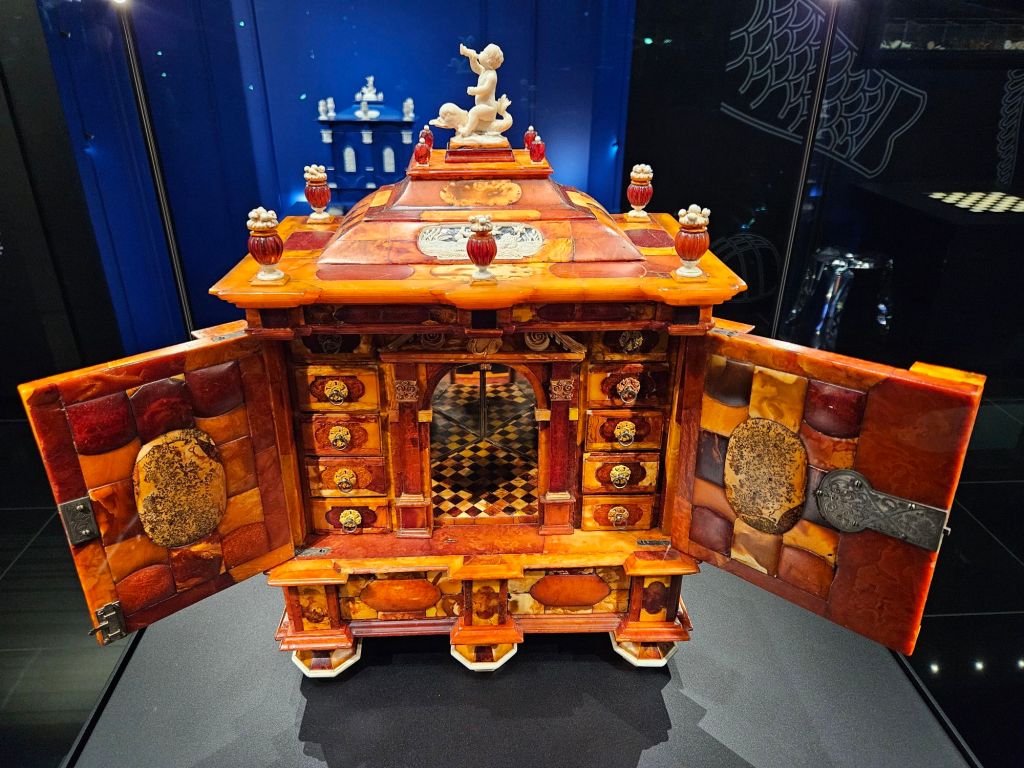
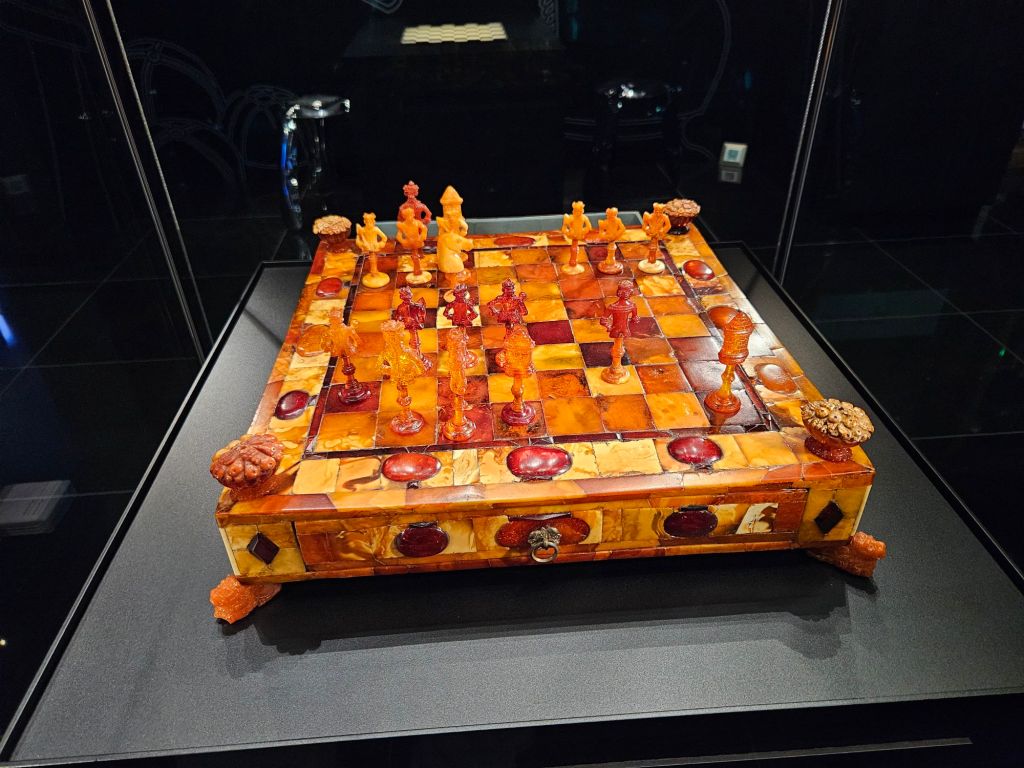
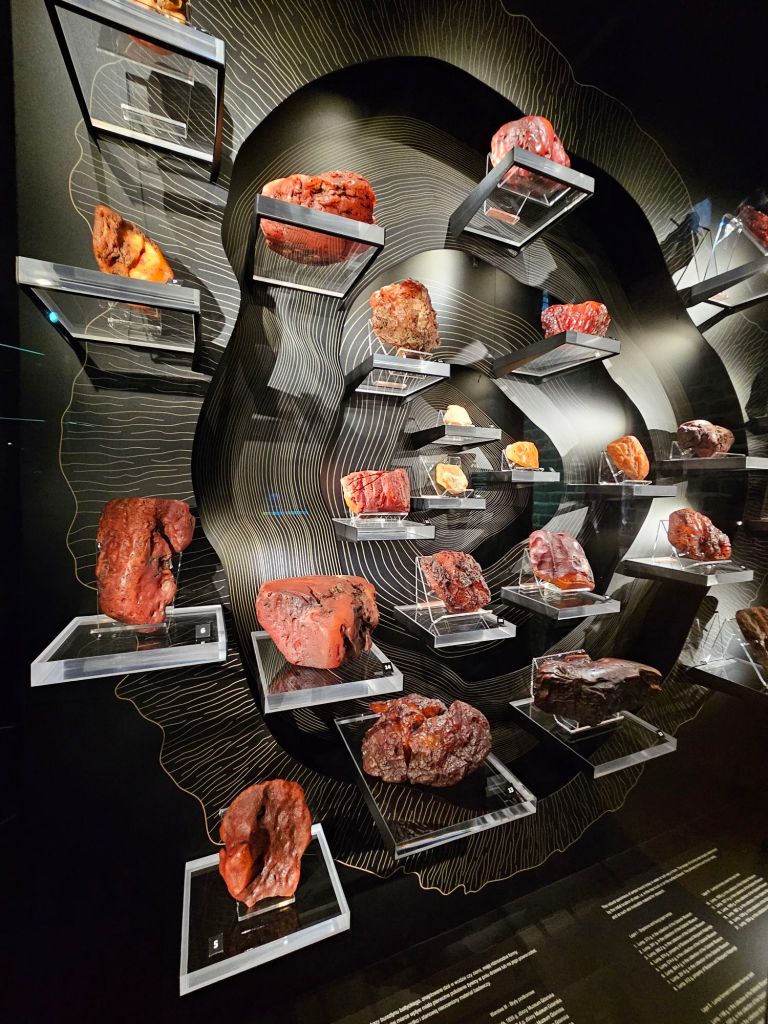
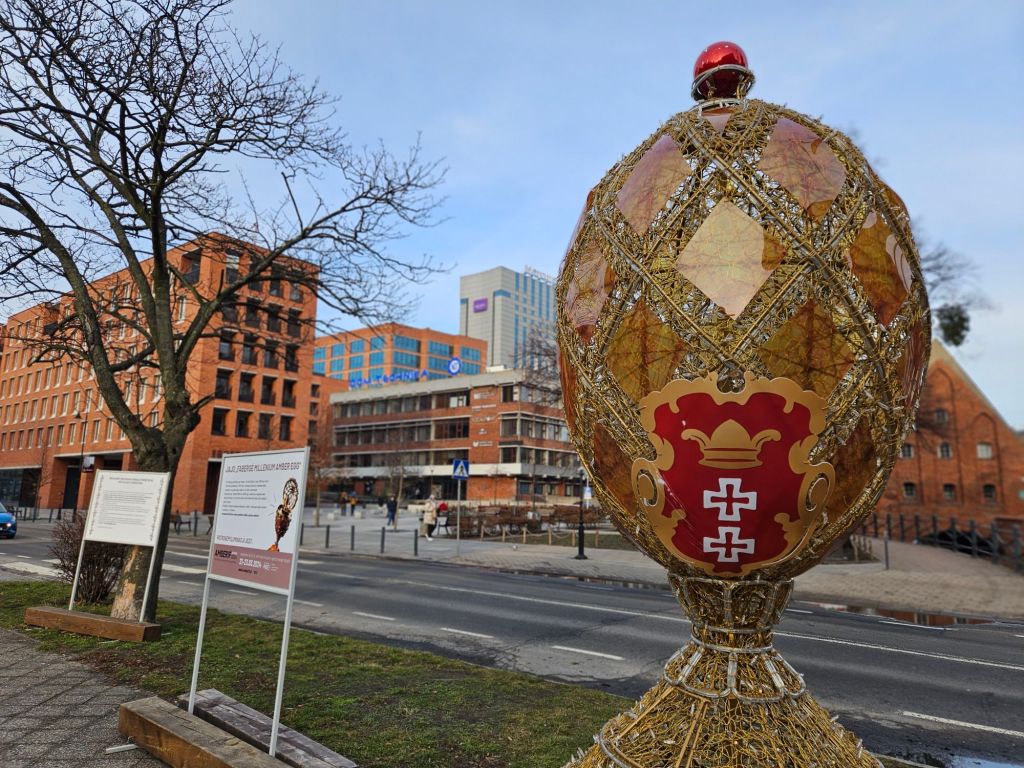

Amber side note: The mystery of the disappearance of the Amber Room is fascinating.
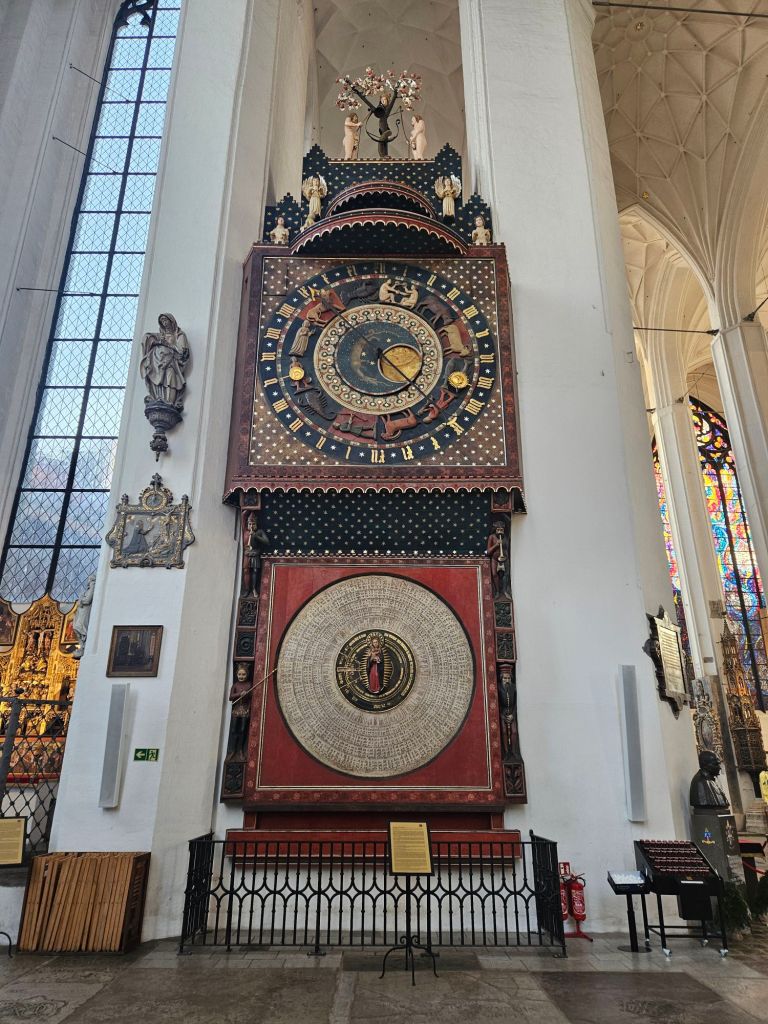
Speaking of decorative man-made structures, St Mary’s Basilica contains a wonderful wooden astronomical clock, probably the largest wooden one in the world. It’s fascinating that this clock, with all its complexities and precision, was constructed in the 1400s! It was heavily damaged in WWII, and only in 2018 was it renovated fully, and today it works great, with an engaging procession of the Three Kings, the Apostles, and Death at noon each day. And Adam and Eve ring in each hour the rest of the day. I find this clock to be more entertaining than Prague’s (and it’s much less crowded).
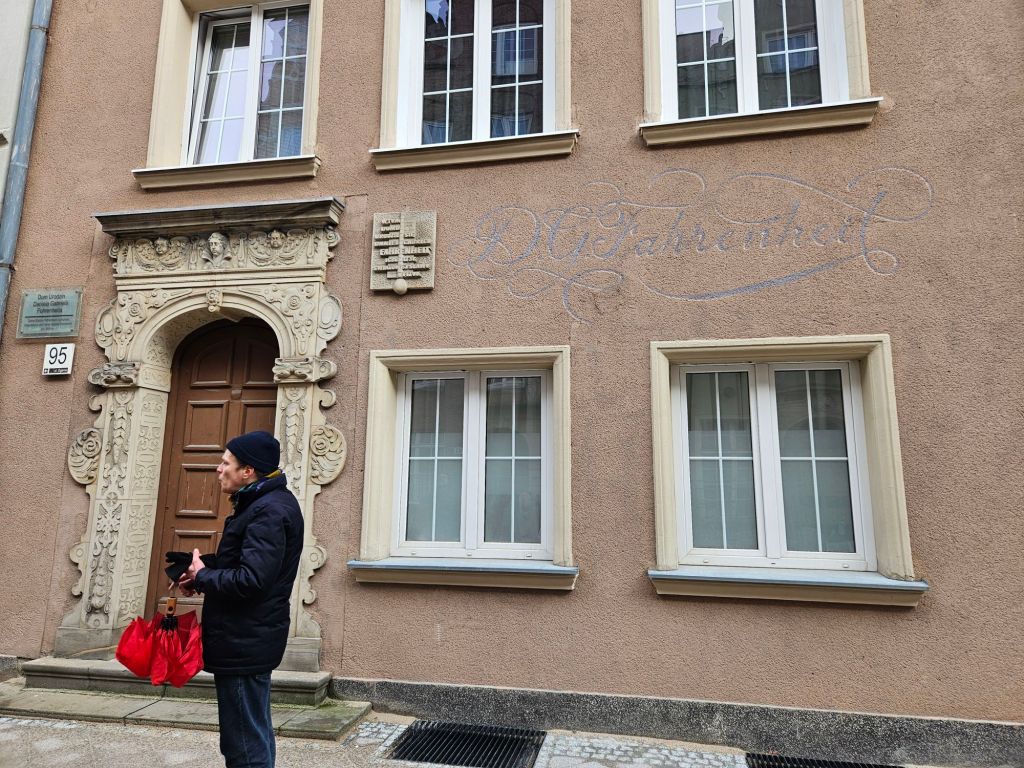
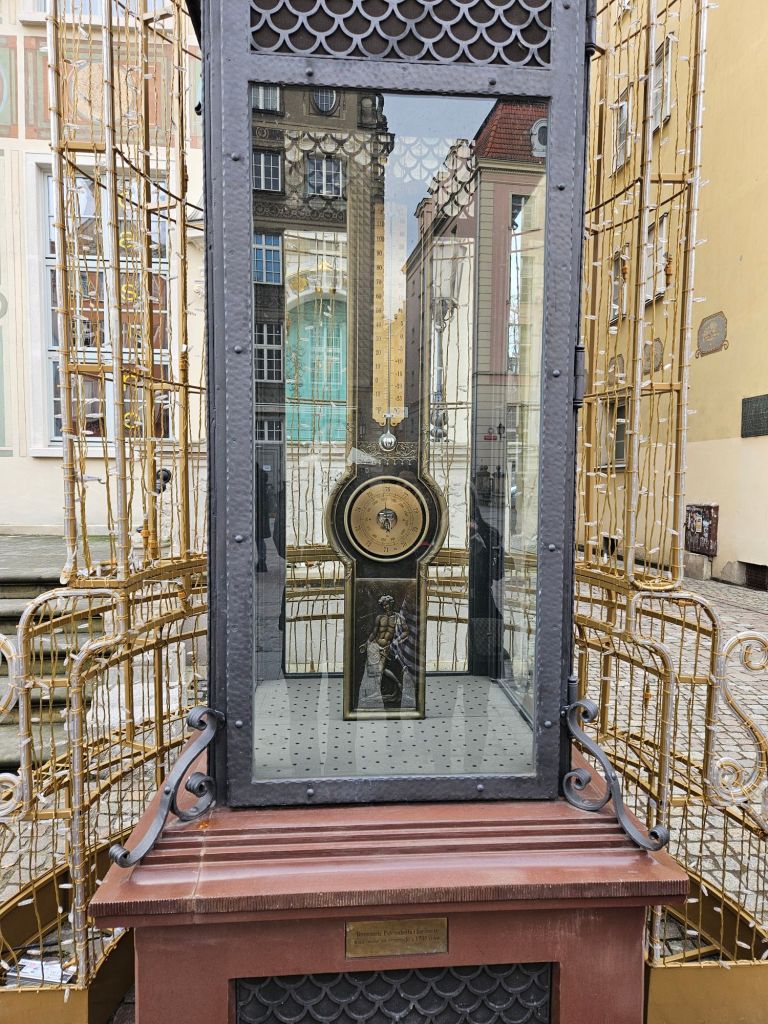
Perhaps Gdansk’s most famous son is Daniel Gabriel Fahrenheit, inventor of the mercury-in-glass thermometer, and namesake of the Fahrenheit temperature scale. We learned that there are three nations today that continue to use the Fahrenheit scale — the US (and its territories) is one, of course. Can you guess the other two? The British Cayman Islands and Liberia. There’s a little trivial nugget for you.
Today’s Polish humor: When writing for the Mezera Rok blog during gap year, I used to occasionally feature funny Google Maps review translations. Over time, Google has become much better at translations, and so there are fewer strange or amusing translations. That said, I have found consistent use of the English term “frog” when referring to a particular branch of convenience stores in Poland. For example, here are some reviews of a Gdansk convenience store:
- “Recently, I have visited many frogs in Gdańsk…”
- “Great frog with even better service.”
- “The worst frog in the Old Town.”
- “This is what every frog should look like.”
However, it’s not as humorous when one realizes that the store name, “Żabka”, has a possible meaning of “frog”, haha. Oh well, I guess Google didn’t make a mistake after all! It still sounds pretty funny, though.
Today’s DadGPT joke: Did you hear about the mathematician from Gdansk?
He could always count on Polish notation.
(Probably only mathematicians, engineers, and nerds get this joke. I hope that you don’t find that to be Pole-arizing!)
Today’s music video: Once when I was sitting in a Gdansk coffee shop, the following very catchy (and rude) song played. I’d never previously heard it, despite it being both Swedish and immensely popular (over 1.4 billion YouTube views, making it one of the most popular YouTube videos ever). It got me thinking, how many of the top YouTube videos feature songs I’d not heard before? The answer is most!! The majority of these videos are for little kids’ songs or for dance club songs. Neither genre features heavily in my life anymore, haha. Like one of the more popular comments for this video says: “It’s like a children’s song that’s not for children.”

 Major Meander