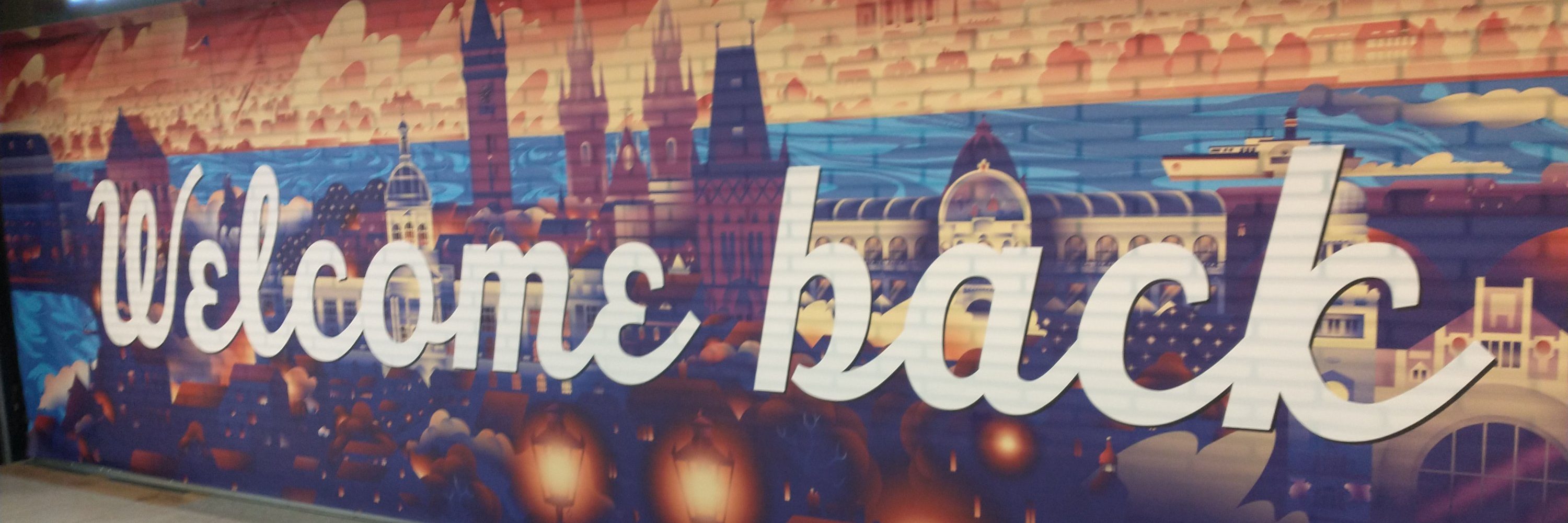
Warsaw, Poland’s capital and most populous city, is surprisingly approachable and fun. Nowy Świat, the main street leading to the old town, is very pedestrian friendly, with dozens of high quality restaurants, bars, and stores along a stretch of over a mile. And the old town itself, with not a single building left standing by 1945, was almost completely rebuilt by 1956 (besides the castle), and today it’s a lovely and engaging place with a fantastic central square.

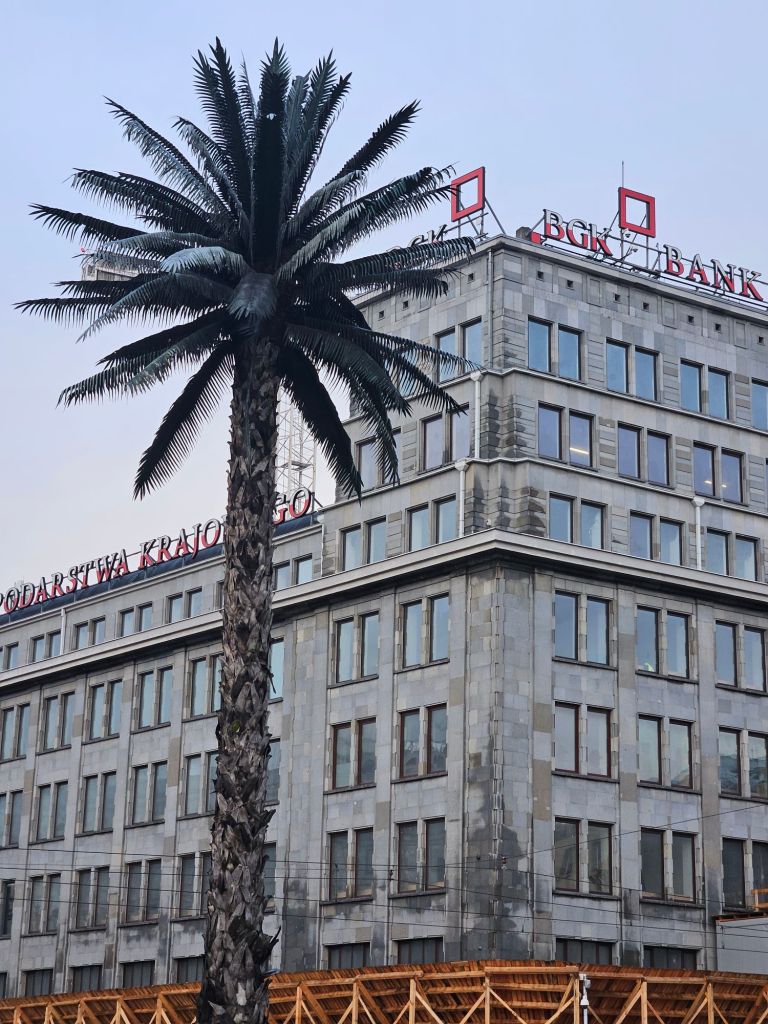
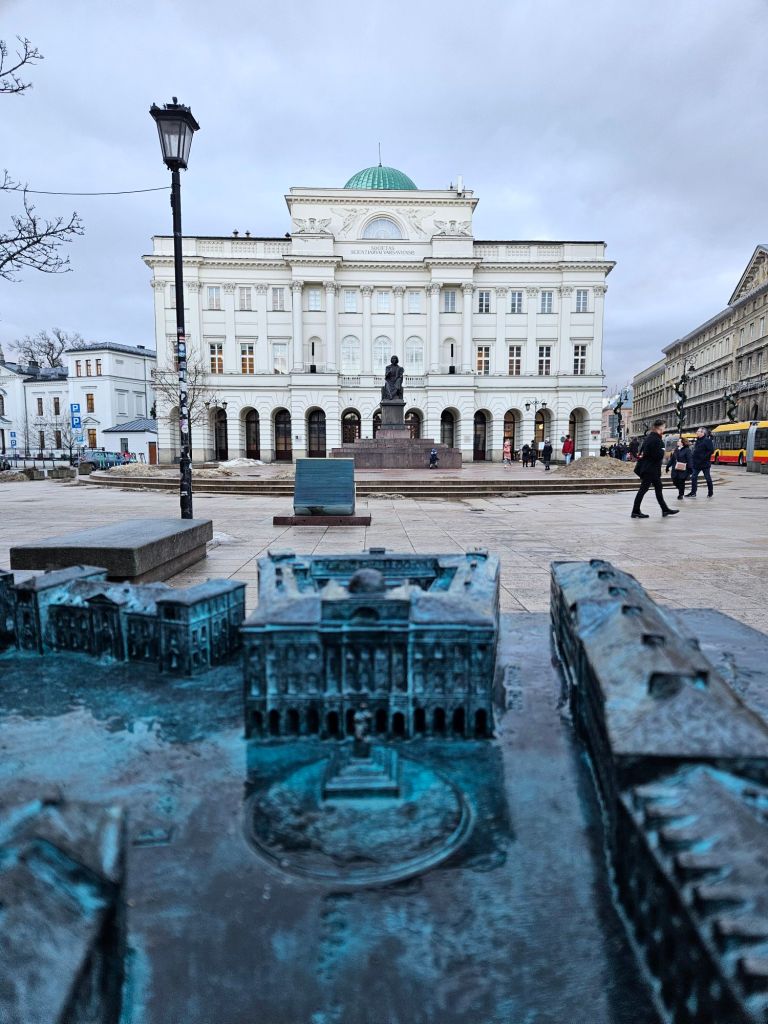
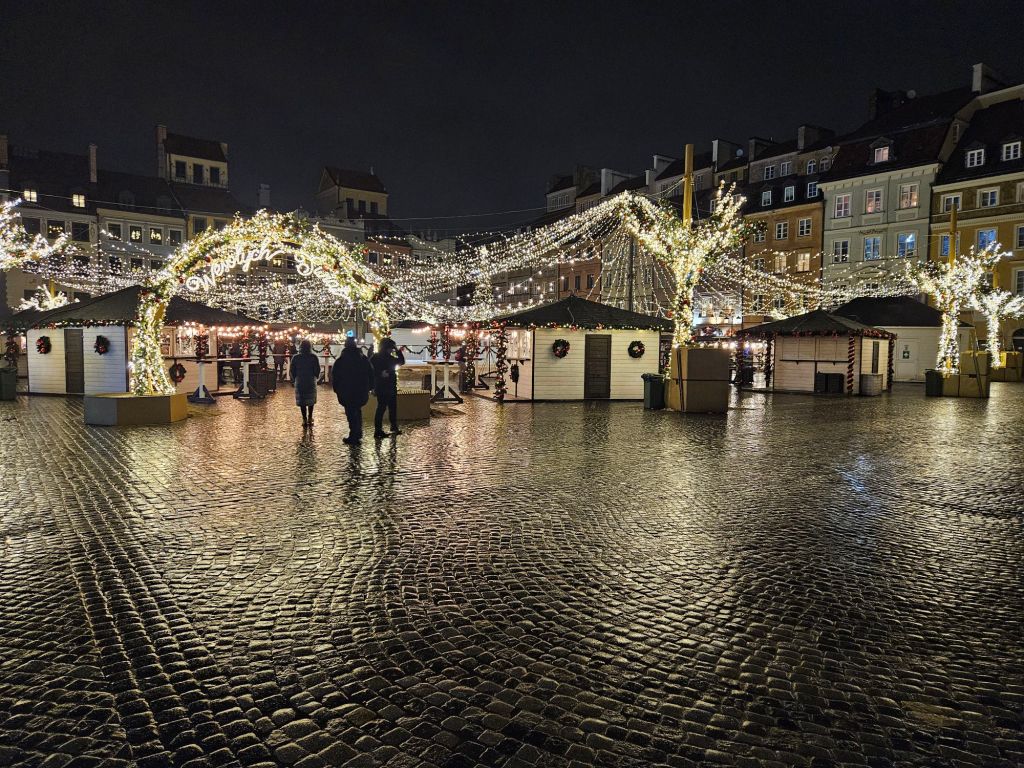


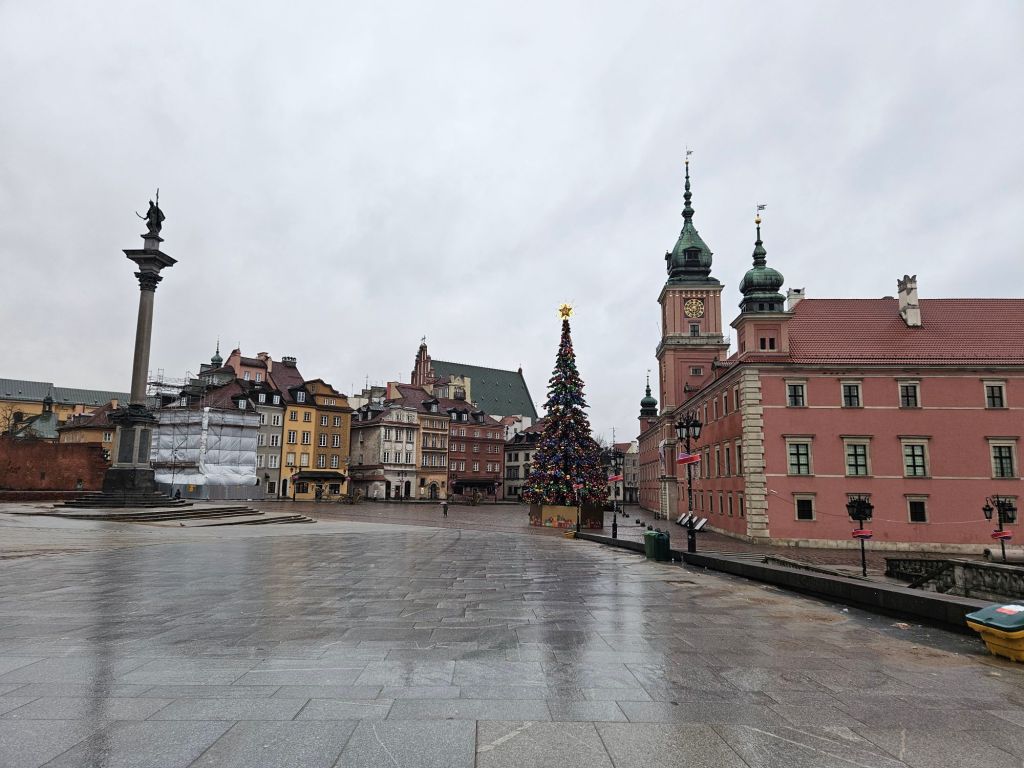
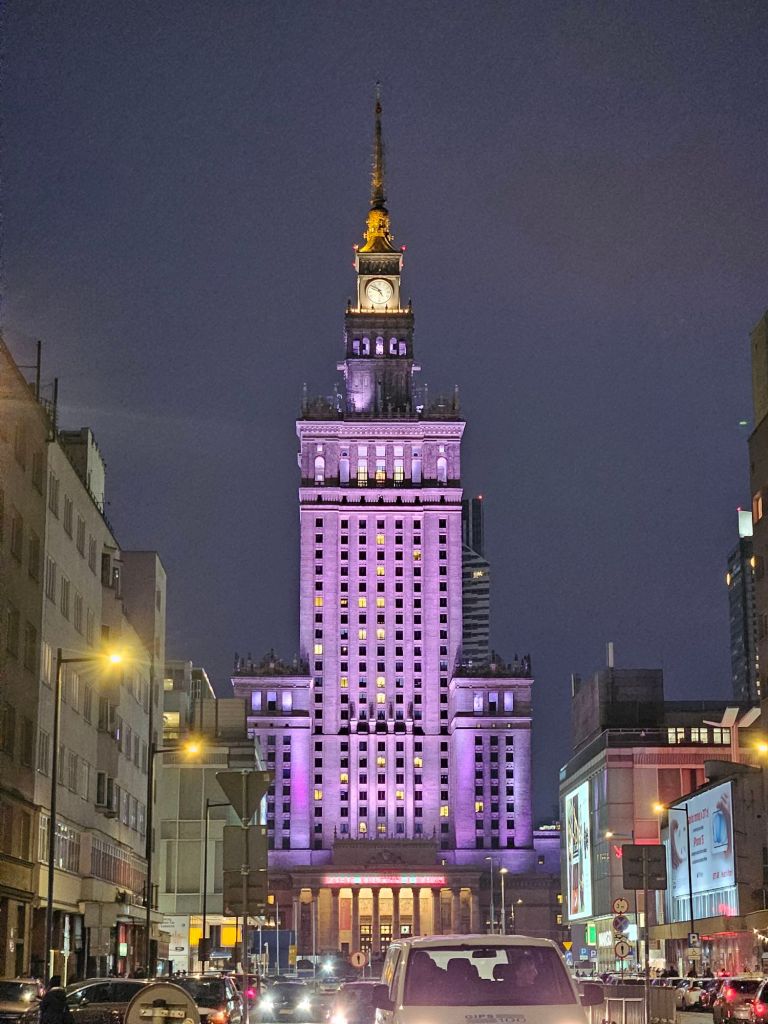
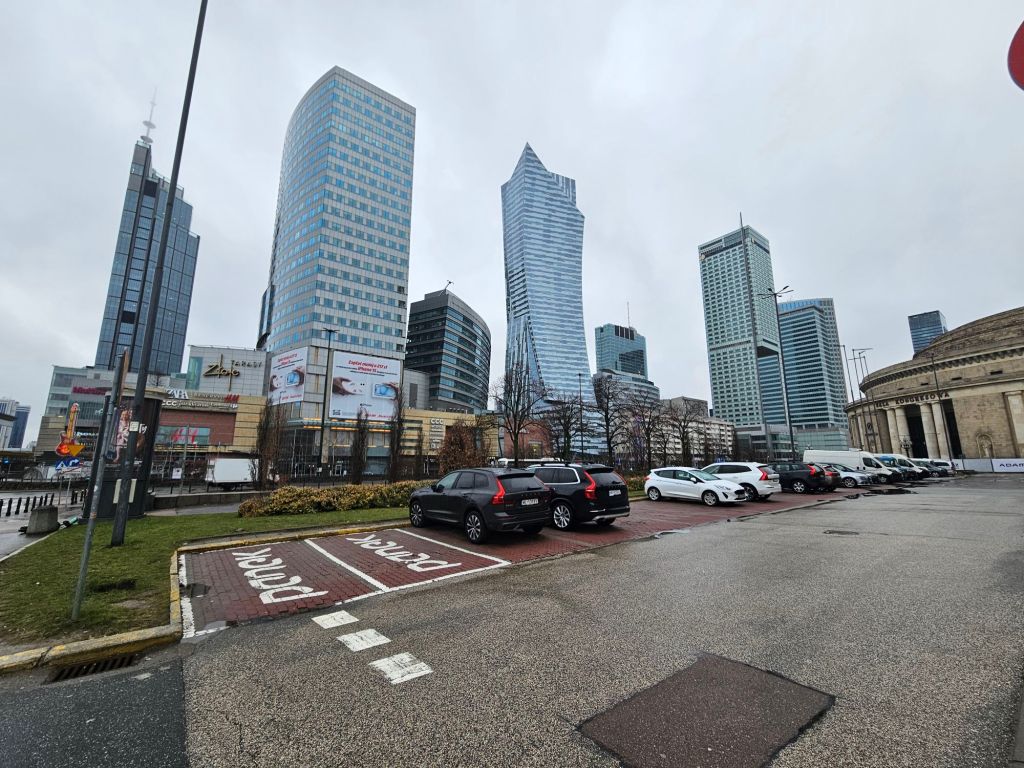
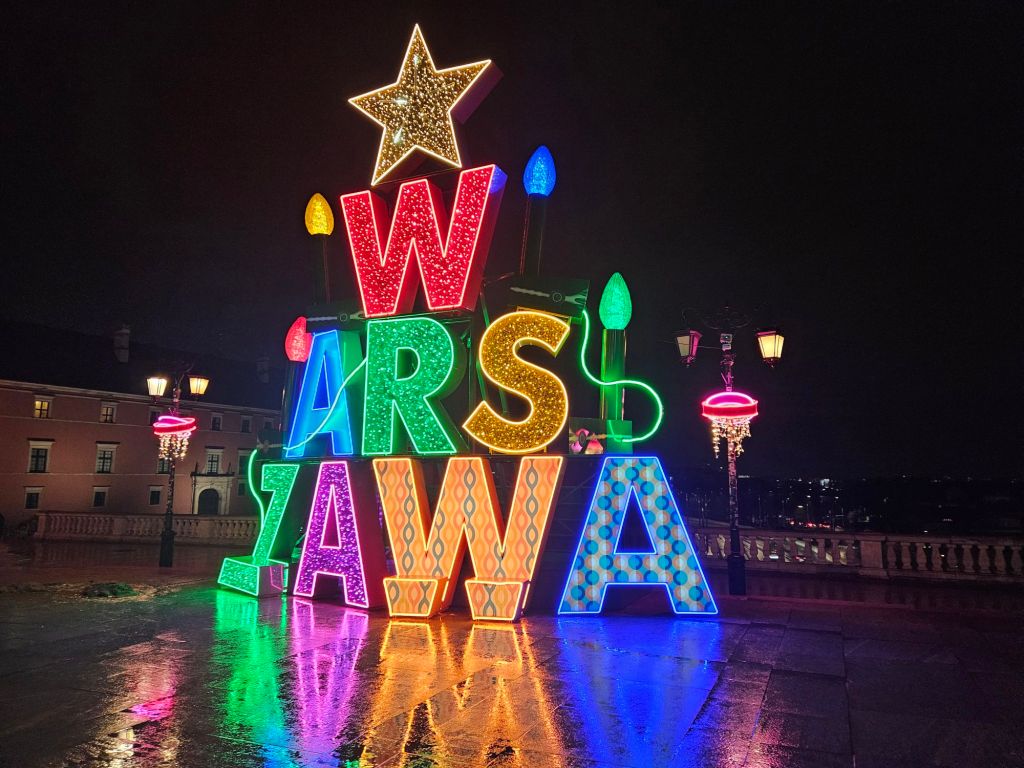
Despite being a large city with a modern skyscraper skyline, there’s plenty that’s quaint (albeit rebuilt). One could assert that it seems a bit like a theme park in the rebuilt old town, but regardless, it feels fun and worth a visit. And given that it was the warmest and driest city I had visited on this trip so far, it felt great to me! And for reasons I could never satisfactorily ascertain, it was still Christmas in Warsaw in late January!
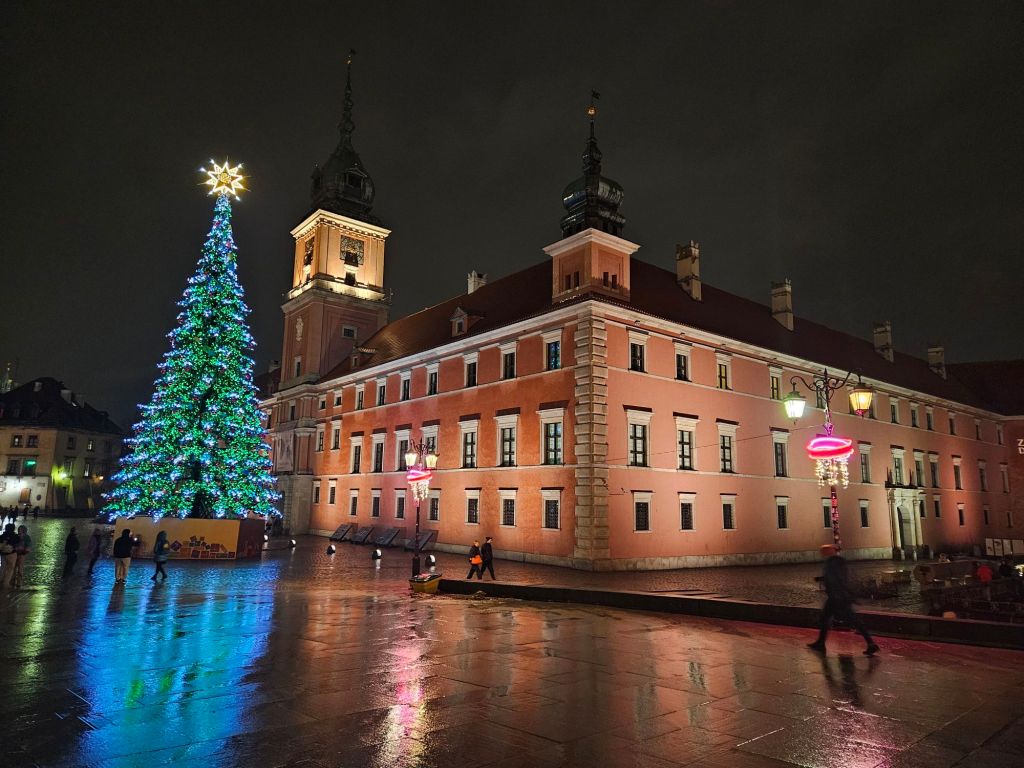
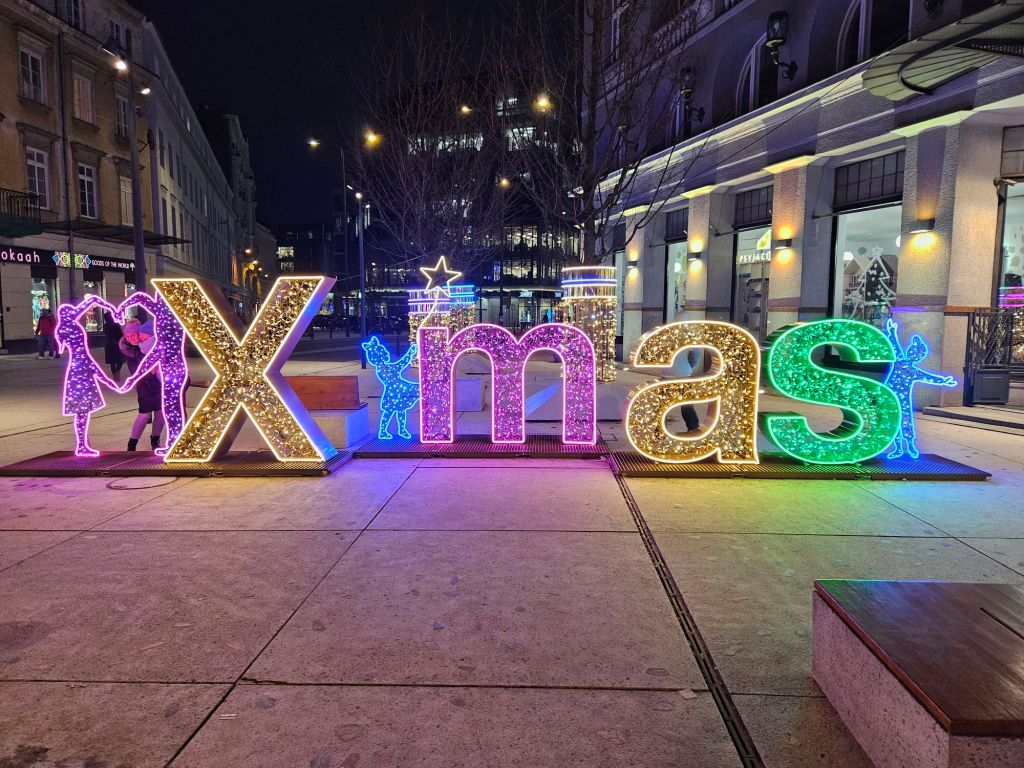
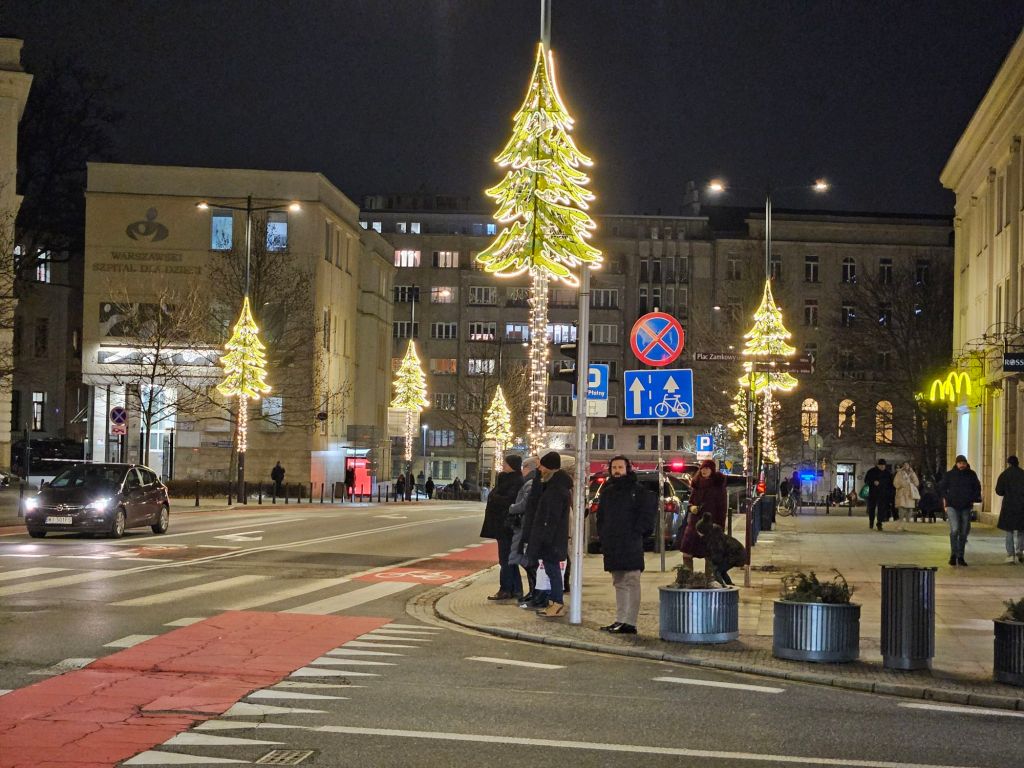
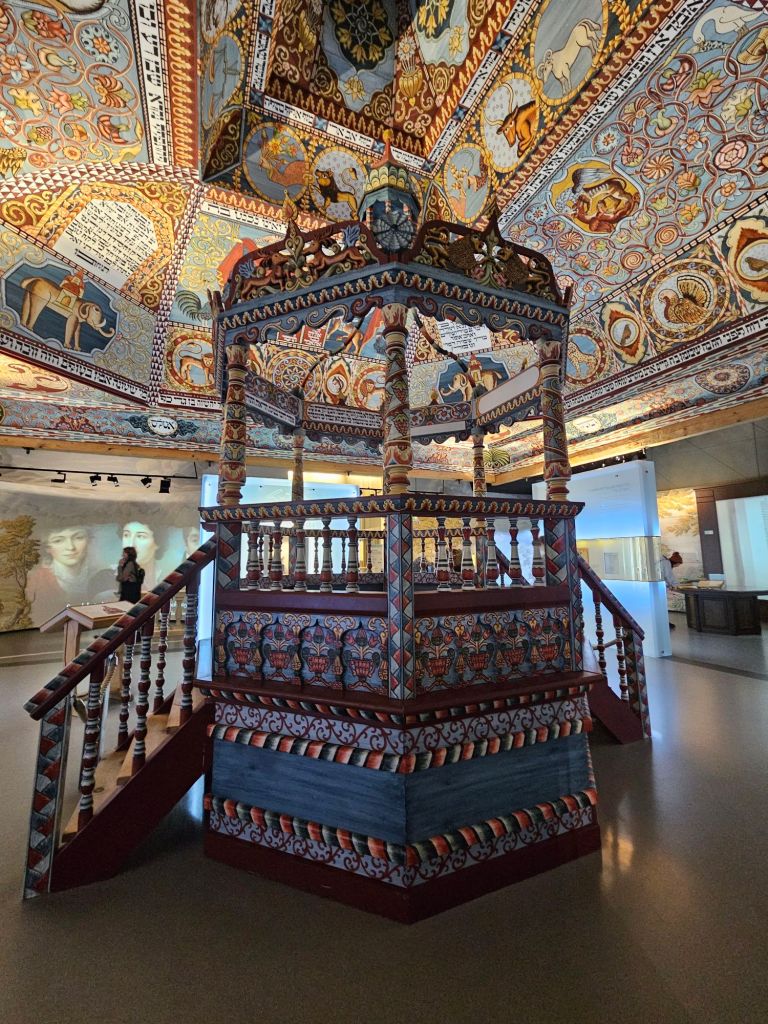
My visit to this city was the shortest for all the main destinations on this trip, being only three nights, including with one 9-hour workday, but that was sufficient to visit the old town, the shopping street, and the main museums of interest. Of the museums, the POLIN Museum of the History of the Jews is one of the best laid-out and most engaging museums I’ve ever visited, though I just couldn’t make it through the WWII and thereafter sections, feeling too overwhelmed by the emotional impact, especially after having recently visited so many other museums with depressing presentations of terrible historical events in the 20th century.
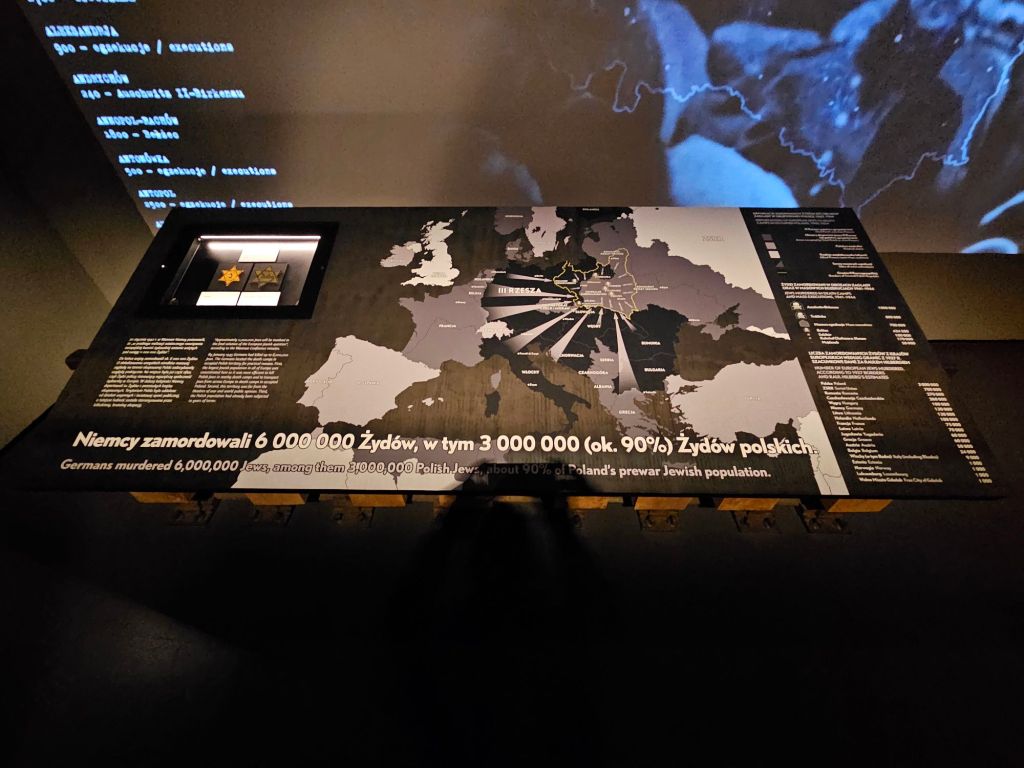
Speaking of WWII, the Nazis treated Warsaw extremely poorly (an understatement), and both the Poles and the Polish Jews staged separate temporarily-effective uprisings that were eventually brutally put down by the Nazis, leading Hitler to command the destruction of the city. From Rick Steves: “Sadly, this age of optimism [between the wars] was cut brutally short by the city’s darkest days, as the Nazis occupied the city (and all of Poland) at the outbreak of World War II. First, its Jewish residents were forced into a tiny ghetto. They rose up…and were slaughtered (the Ghetto Uprising—see here). Then, in the war’s waning days, its surviving residents rose up…and were slaughtered (the Warsaw Uprising—see here). Fed up with the troublesome Varsovians, Hitler sent word to systematically demolish the entire city, block by block. At the war’s end, Warsaw was virtually gone. An estimated 800,000 residents were dead—nearly two out of every three. The Poles almost gave up on what was then a pile of rubble, planning to build a brand-new capital city elsewhere. But ultimately they decided to rebuild, creating a city of contrasts: painstakingly restored medieval lanes and retrofitted communist apartment blocks (bloki in Polish). And its evolution continues. Since the end of communism, Warsaw has become a hub of international trade and diplomacy—adding sleek skyscrapers to its skyline. It’s clear that Warsaw is currently living one of its finest moments.”
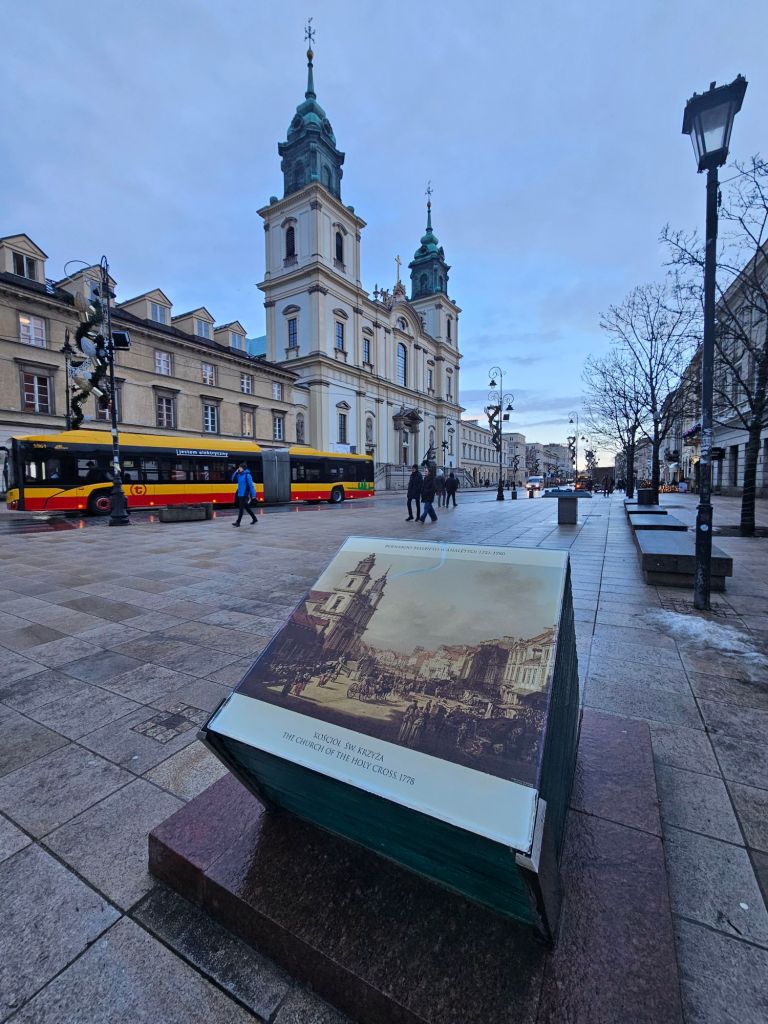
Amazingly, because the national archives were also destroyed, Warsaw relied heavily on historic paintings, particularly from Canaletto from the late 1700s, as guidance for rebuilding after WWII in order to reflect its golden age!
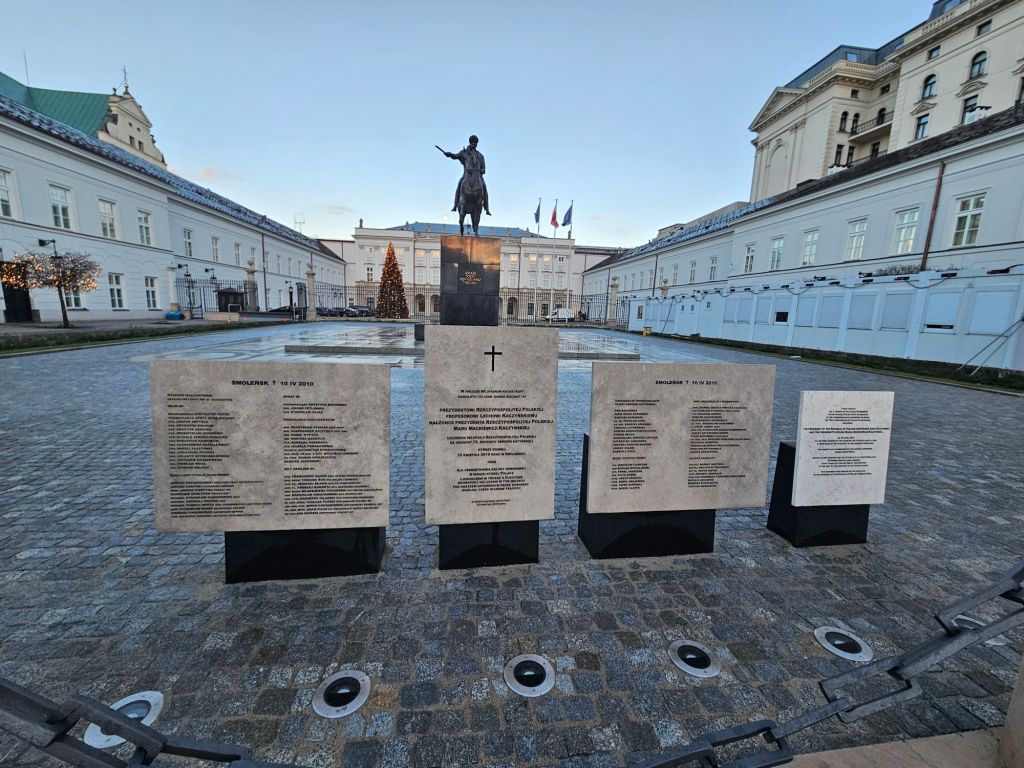
After a recent election in which the previous right-leaning ruling party was defeated, there has been a political and legal crisis with the current prime minister, Donald Tusk, trying to quickly undo many of the policies of the previous government, which has led to big protests, and a couple of times when I walked by the Presidential Palace there were news crews and tons of security outside.
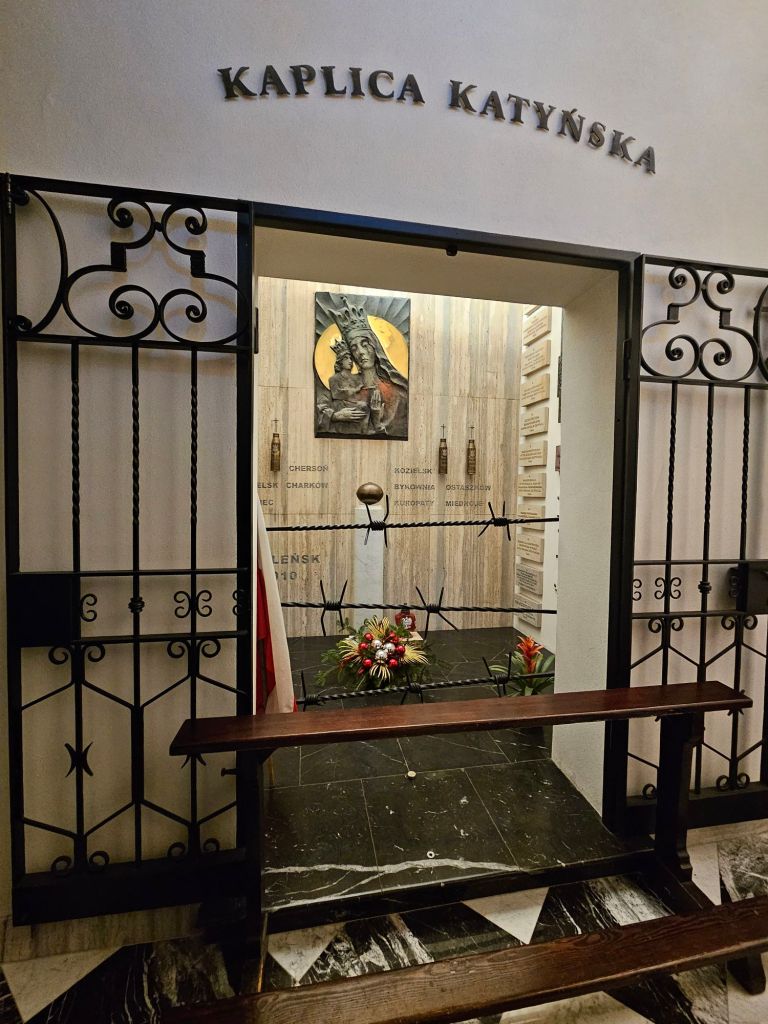
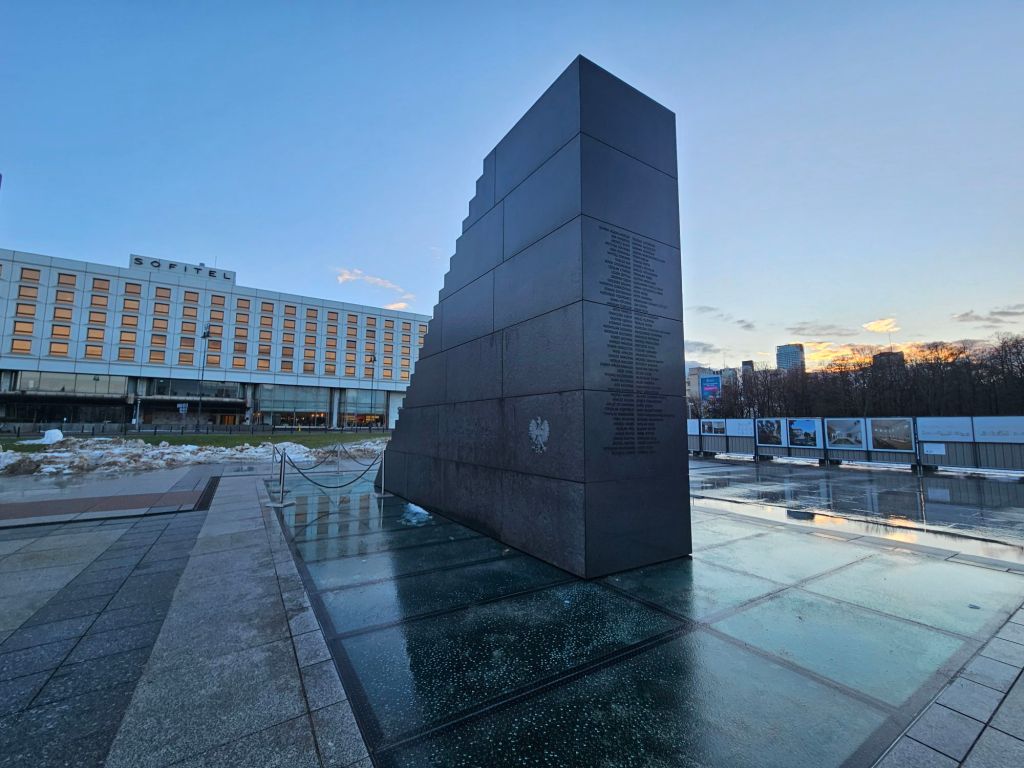
I vaguely recall previously hearing about another Polish political crisis, this one from 2010 — the Smolensk air disaster in which a plane carrying the Polish president and many other important Polish leaders crashed near Smolensk, Russia on the way to a commemoration of the 70th anniversary of the Katyn Massacre in which about 22,000 Poles were murdered by the Soviets in 1940. Everyone onboard was killed. This disaster led to a large change in leadership, and all commanding officers of the Polish armed forces died in the crash. As you can imagine, there are still many conspiracy theories since Russia is involved in the story. And there are memorials in multiple locations in Warsaw that I encountered in my short time there, such as in front of the Presidential Palace, inside a church, and in Piłsudski Square.
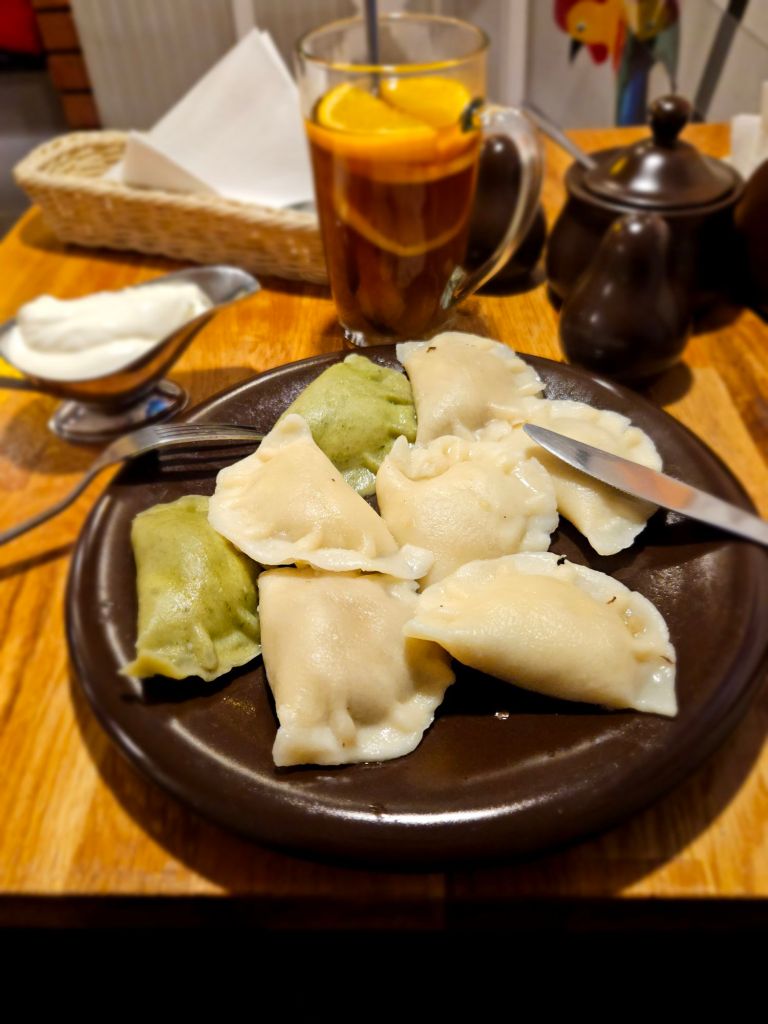
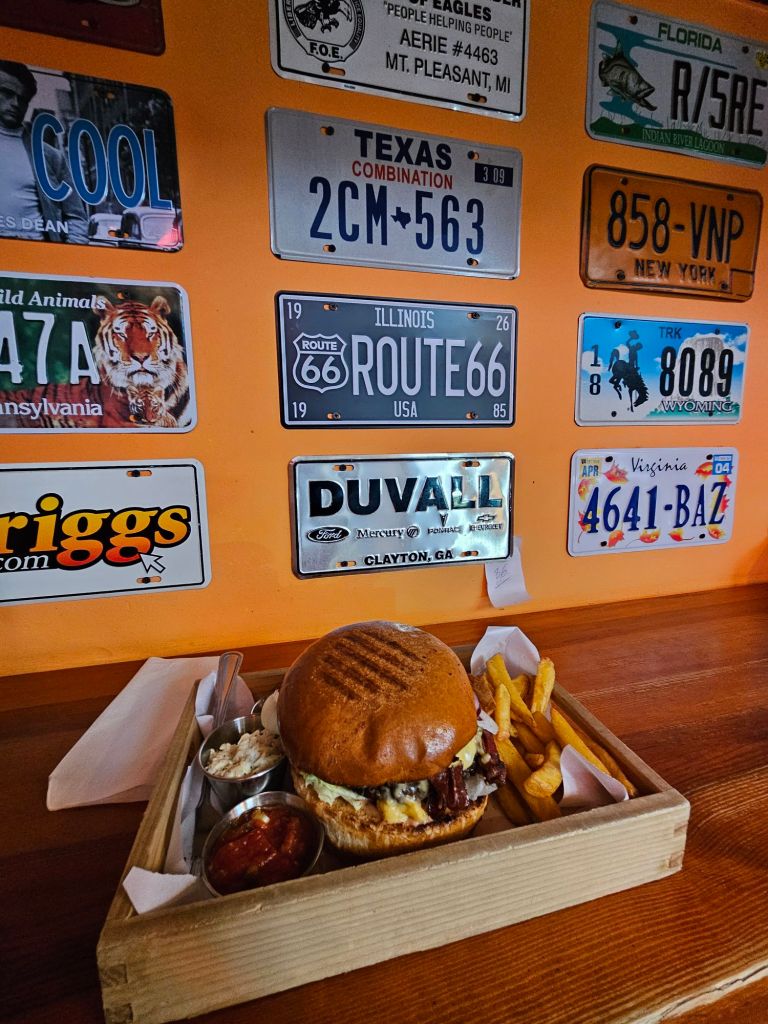
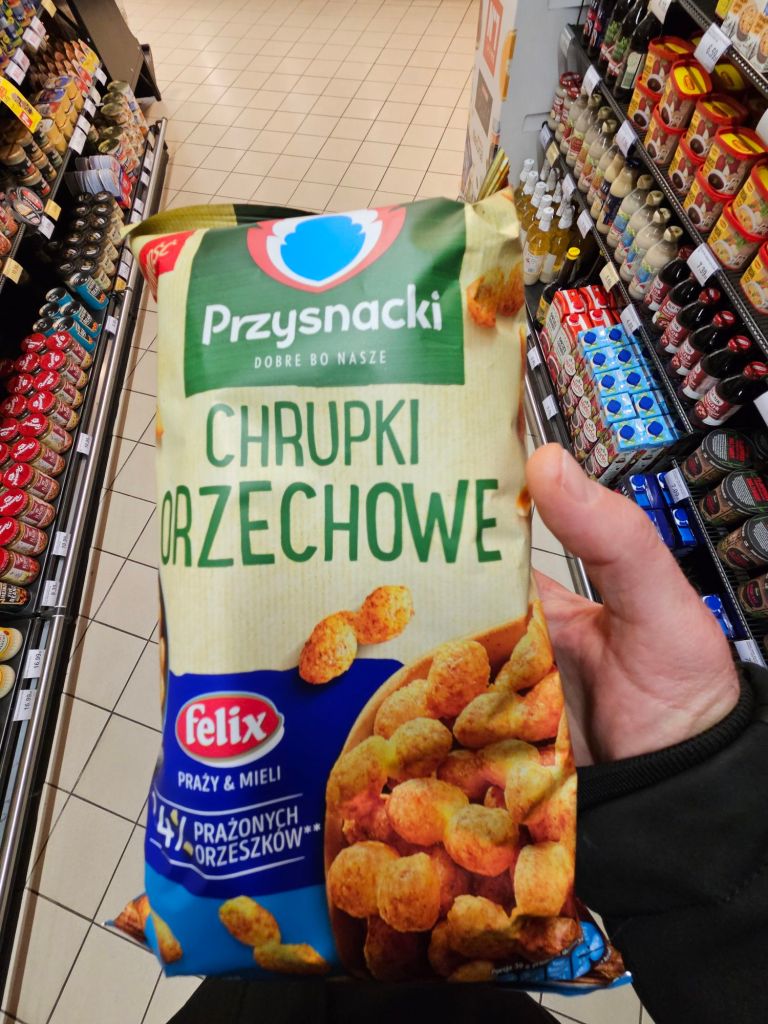
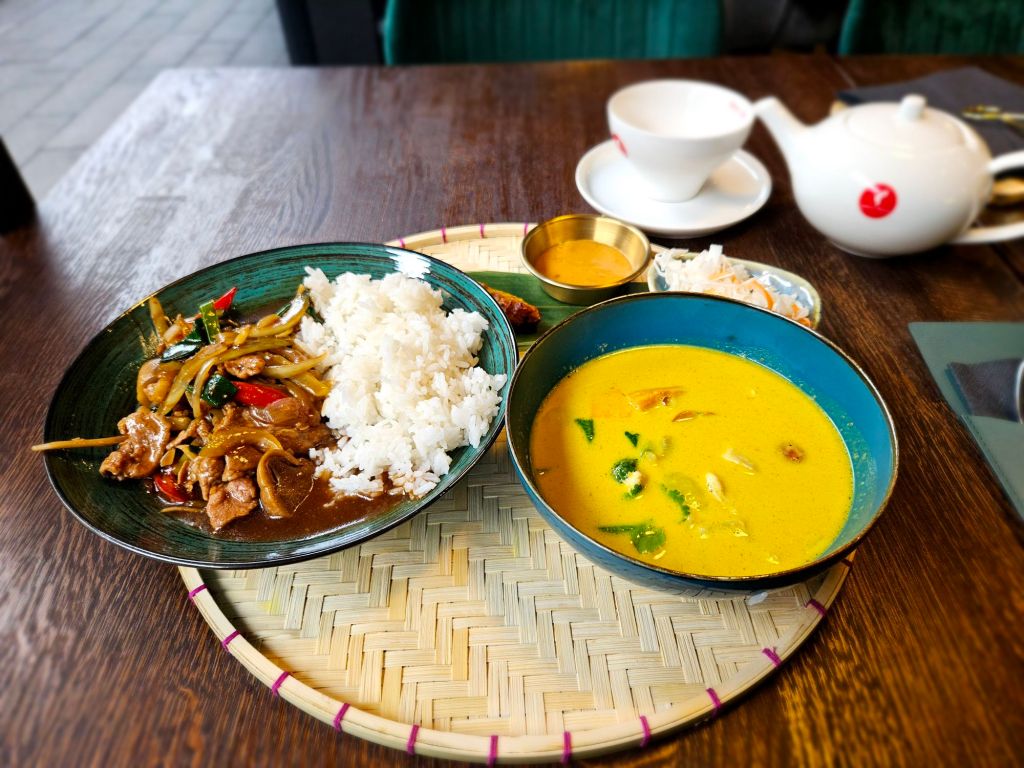
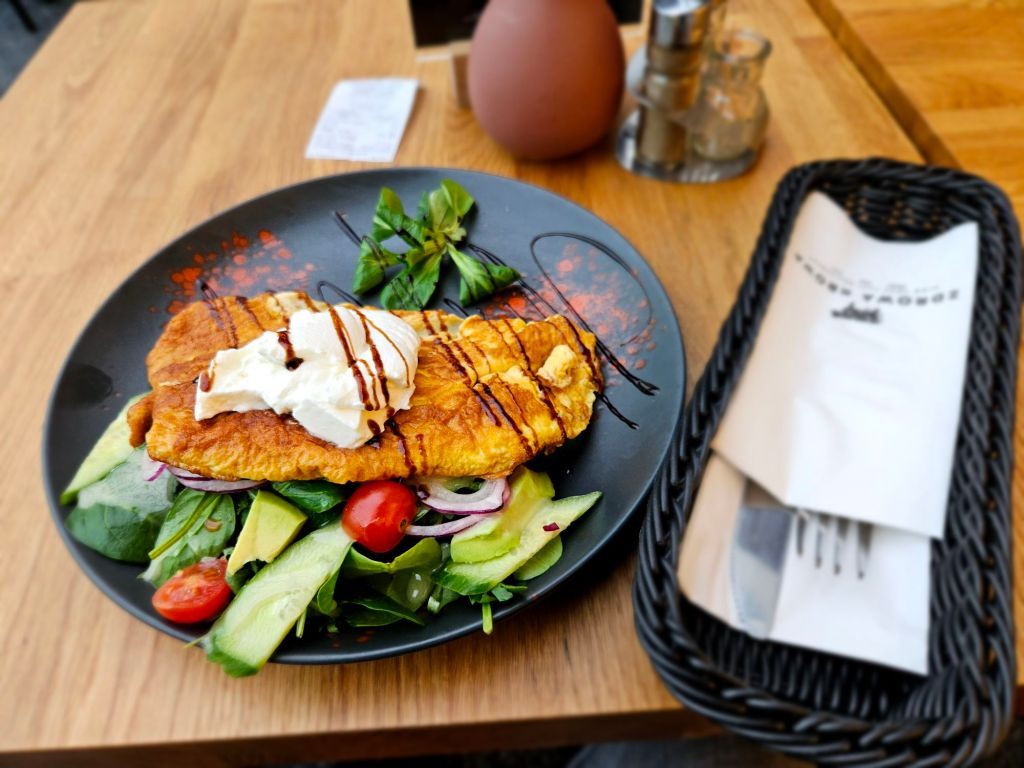
On a lighter note, I enjoyed some tasty meals in Warsaw, including some beyond just the traditional Polish pierogis, soups, and potato pancakes.
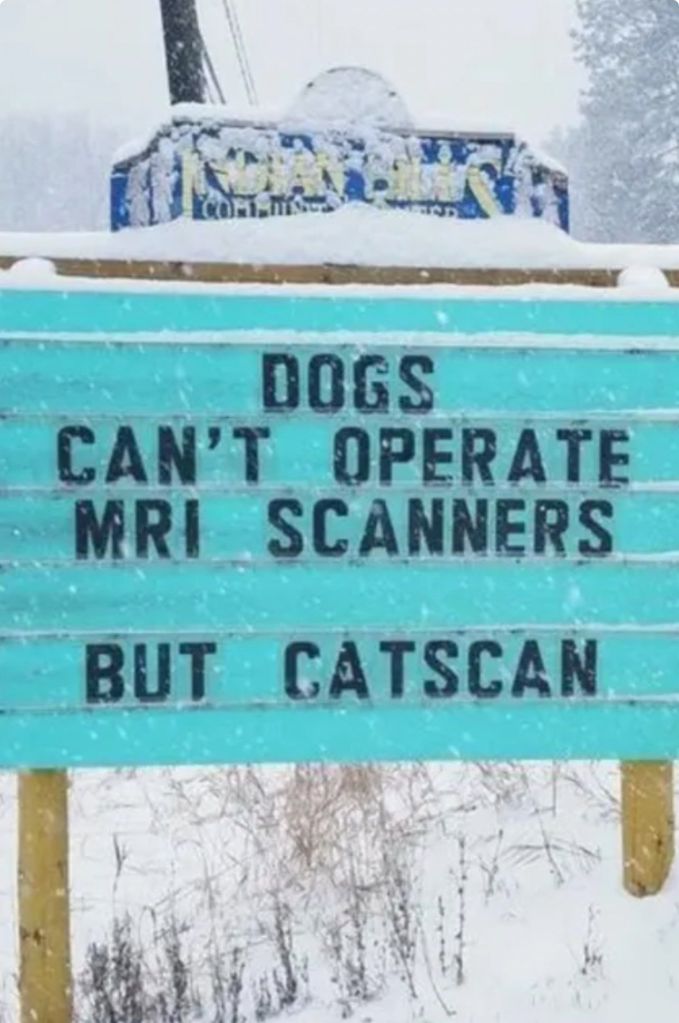
Today’s guest dad joke: From my friend Joe:
Today’s folk music: Polish folk song à la Metallica!
For music nerds: I enjoy watching this opera singer analyze metal songs, and it gives me a new appreciation of the depth and complexity of music I loved as a teenager and twenty-something that was generally not well-respected by many at the time.
For geography nerds: While GeoGuessr is my favorite game, I’m not into it so much that I study details of road bollards for each country or even region therein, but it is amazing to learn how many tricks there are to recognizing where in the world an image is taken. See these GeoGuessr tips:

 Major Meander
I’m learning alot from you, Scott! Keep ’em coming.
Cool Metallica folk rendering. As they say, a good song is a good song no matter what genre.
Definitely. And I also appreciate the haunting eastern voices. I doubt that it’s coincidence that they remind me of some Ukrainian female singers I’ve heard before.