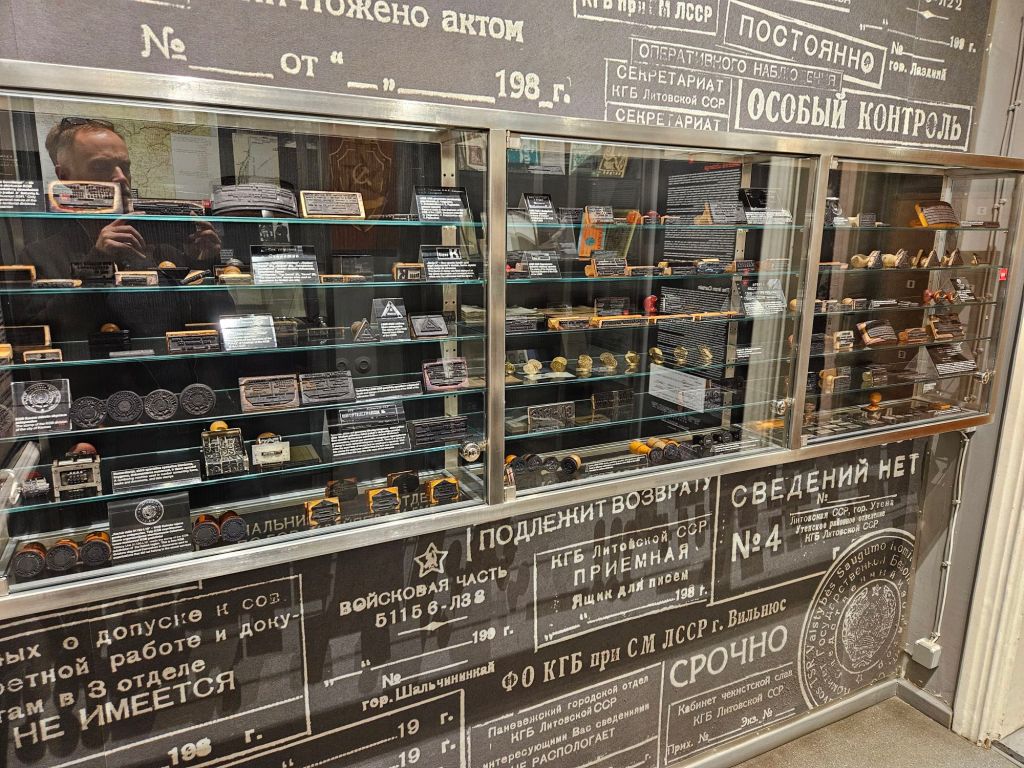
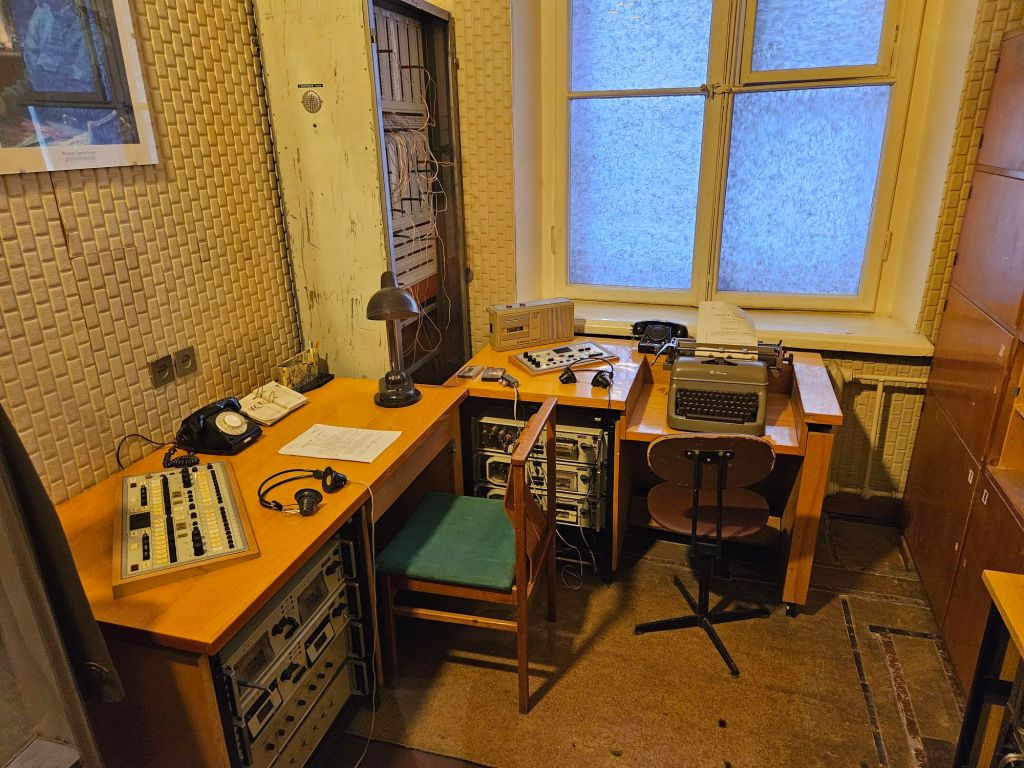
While traveling around any of the Baltic states, a recurring subject with unavoidable reminders everywhere is Russia. Historical occupation, awful atrocities, continued use of the Russian language, Russian foods and drinks, Orthodox churches, leftover Soviet architecture, residual communist mentalities and culture, echoes of past traumas, modern cyberattacks, online propaganda, implicit and explicit threats, military buildups, border controls, and continued trade all keep Russia and Russian influence at least near top of mind while in the region. Don’t get me wrong, it’s not all bad, but frankly, historically most of it is. And the impression one gets from speaking with locals and through perusing museum descriptions is that most Estonians, Latvians, and Lithuanians want to continue to further distance themselves (if not able to physically) from Russia and to establish themselves as fully European (aka not Russian).
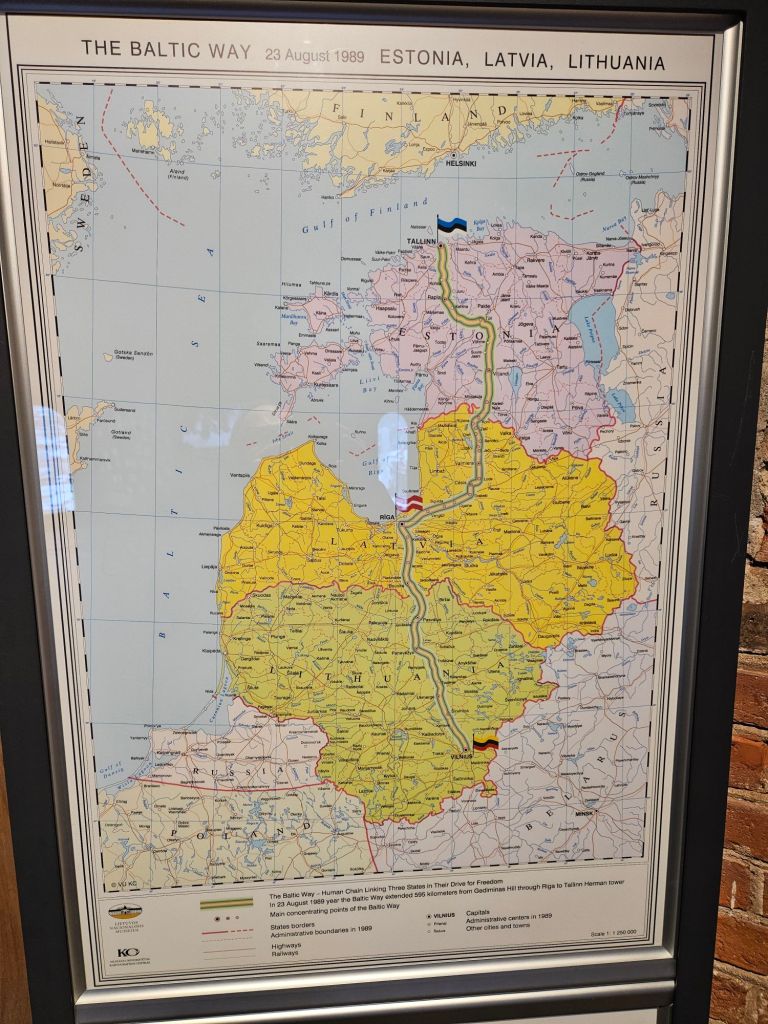
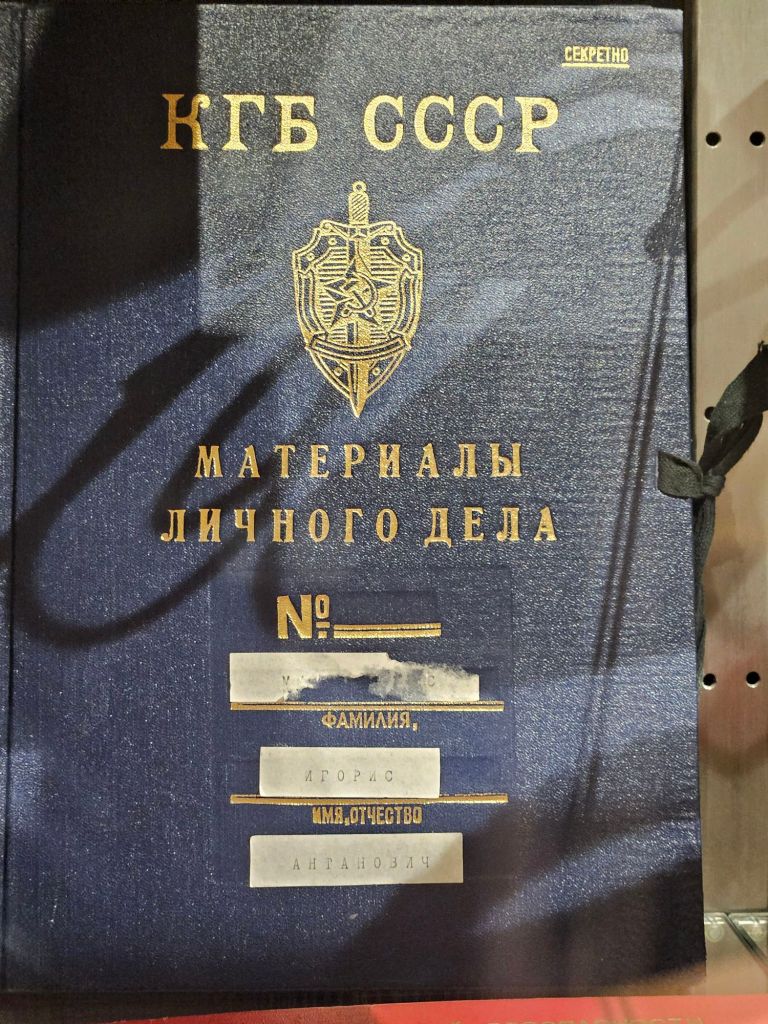
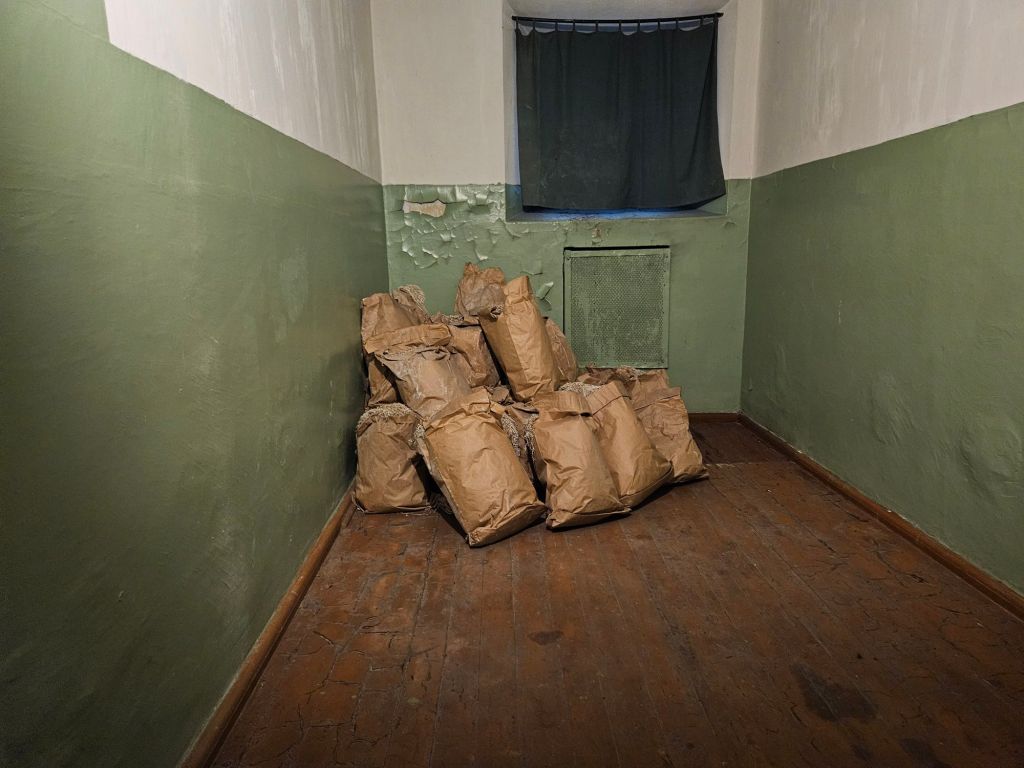
Each country, after gaining independence from the Soviet Union in 1990 or 1991, rushed as quickly as they could to integrate themselves into alliances to stand as a bulwark against Russian aggression and away from dependence on Russia. All three nations joined both the European Union (EU) and NATO in 2004, much to Russia’s dismay. Each country also ditched their own currencies between 2011 and 2015 in favor of the Euro.
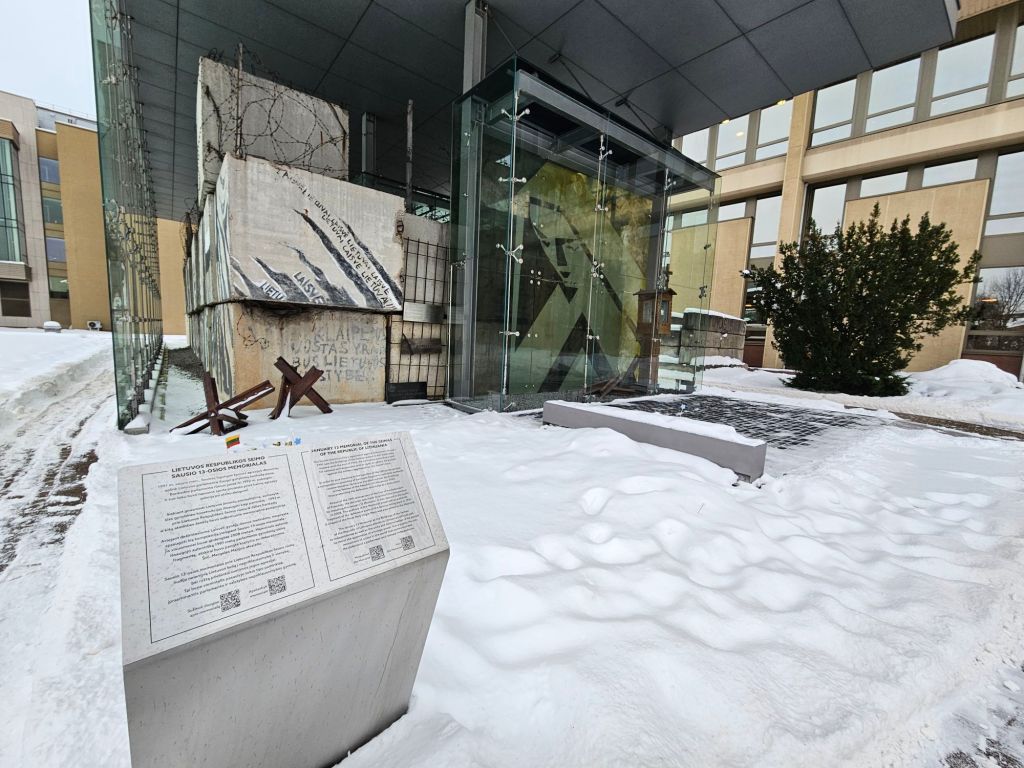
After declaring independence from the Soviet Union in 1990, Lithuania was certainly not in the clear, and in mid-January 1991, Soviet military actions against people supporting independence resulted in the deaths of 14 civilians, and over 140 people were injured. And despite independence, Russian troops didn’t leave Lithuania until 1993! But even that was earlier than they left the other Baltic states or even East Germany. The TV station in Vilnius, where I attended the Eurovision qualifier, was one of the main locations attacked by the Soviet military during those days in January 1991, along with the parliament building and the TV tower.
Consider that Russia’s long-time strongman leader, Vladimir Putin, called the collapse of the Soviet Union, which was controlled by Russia, the “greatest geopolitical catastrophe” of the 20th century. He later lamented that “It was a disintegration of historical Russia under the name of the Soviet Union.” He said these things prior to his invasion of Ukraine in 2022. A private tour guide I had in Vilnius told me how deeply frightened she is of attack by Russia, and how Western countries don’t fully understand how bad Russia truly can be. She is afraid that the NATO countries with the mightiest militaries wouldn’t necessarily actually help if Russia invaded, despite their obligations to do so. We both got a little teary-eyed at that, frankly. In each occupation museum I visited in the three countries, many vivid stories were presented about the partisan fighters who hid in the Baltic forests, supported by locals, frequently staging attacks on the Soviets in the years after the conclusion of WWII, showing the world that the Baltics were actually not willing SSR members, and hoping to wait it out until the Western powers inevitably came to their rescue. Help never arrived. And Europeans are now looking with some dread at the US presidential election next year, knowing that one potential winner is a NATO skeptic who has seemed to almost admire Putin or at least his control of his country.
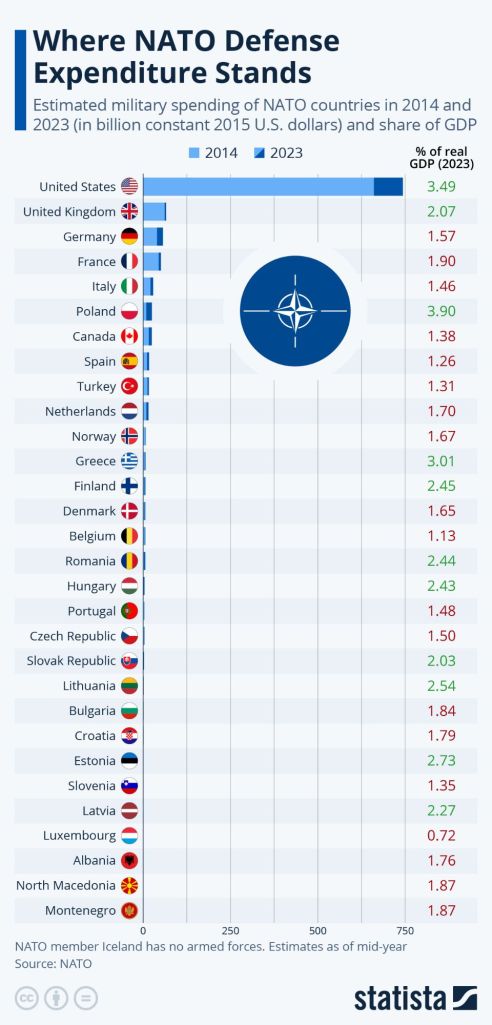
NATO members like Lithuania are supposed to spend at least 2% of their annual GDP on military expenses, but most members still don’t, even after the Russian aggression in Ukraine. In the latest figures I could find, Poland spends the highest percentage of annual GDP, and the Baltic states all spend more than the minimum 2% as well, showing that they are very cognizant of the threat to the east. Below is a nice wrap-up of 2023 spending by NATO members, with the US clearly spending the most total money by far! (Source)
Regarding Lithuania, I read that it is supposedly not at as Russian as the other two countries because since Lithuania was more agrarian at the onset of the Soviet Union takeover, not as many Russians came for work. I still heard a lot of spoken Russian and saw many Russian churches and stores, but it did seem like less than in Estonia and Latvia.
That said, there were still multiple Lithuanian news stories I came across during my time in the region that pertained to something negative about Russia, Russians, and/or the Russian language. For example:
- “Russians Discover a Backdoor to Europe: Growing numbers of Russians are using a loophole in the rail route from mainland Russia to Kaliningrad to enter the European Union. Lithuania is scrambling to stem the flow.” (source)
- “Latvia, Lithuania and Estonia agreed on Friday to set up a common Baltic defense zone on their borders with Russia and Belarus amid growing security concerns. The defense ministers of the three Baltic countries met on Friday in Riga to approve the construction of “anti-mobility defensive installations” on their eastern frontiers. They also agreed to develop missile-artillery cooperation.” (source)
- “[Russian-speaking] Vilnius kindergarten pedagogue fired for calling the Lithuanian language “dog language”.” (source)
- “Lithuania’s Education Minister Gintautas Jakštas has said that the country should phase out secondary education in the Russian language, following an example of neighbouring Latvia and Estonia.” (source)
- “On Dec. 24, two Vilnius teenagers used a pneumatic AK-74M rifle loaded with plastic bullets to shoot at a classmate while playing the anthem of Russia’s Wagner mercenary company, who have committed numerous war crimes in Ukraine. The victim’s mother, a Russian immigrant, reported the incident. The teenagers cited their classmate’s refusal to support Russia’s full-scale war against Ukraine as their motivation for the crime.” (source)
Speaking of Ukraine, it seemed like there may have been more Ukrainian flags flying in Lithuania than Lithuanian flags, though interestingly, many places instead fly a flag representative of the old Grand Duchy of Lithuania.
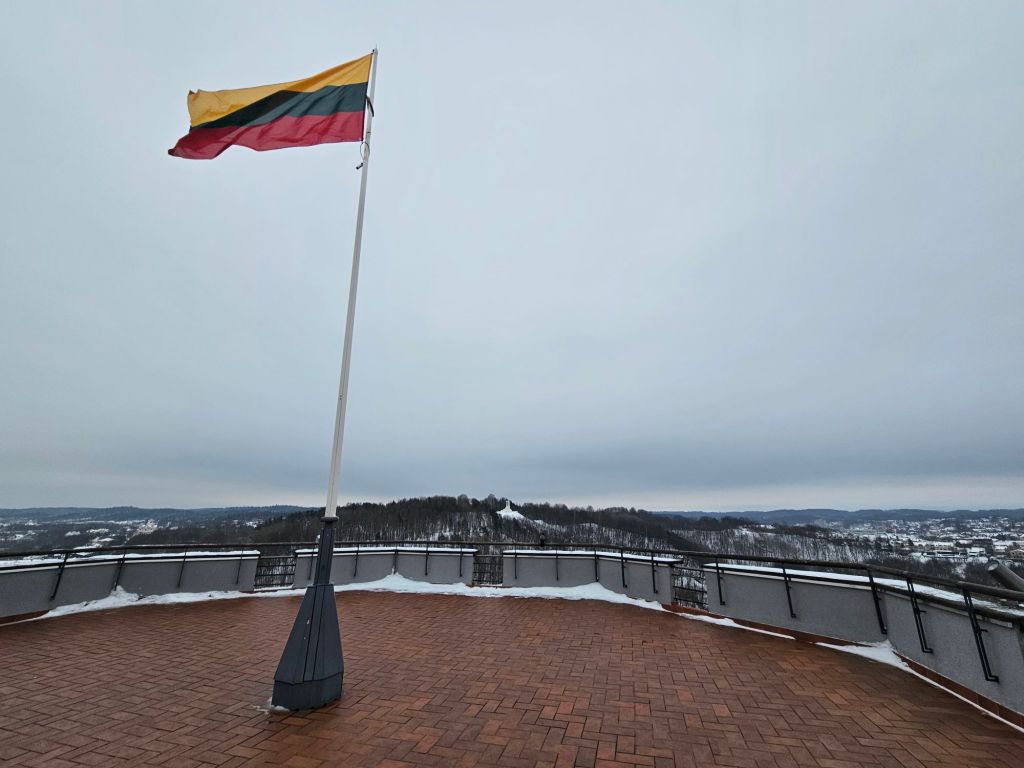
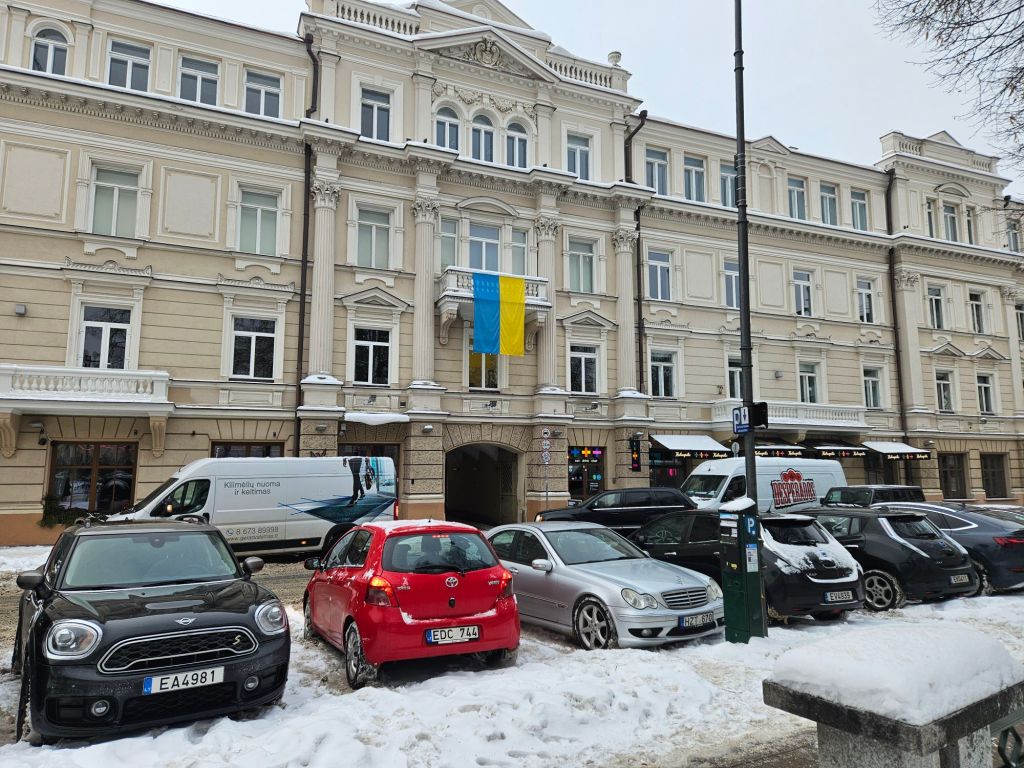
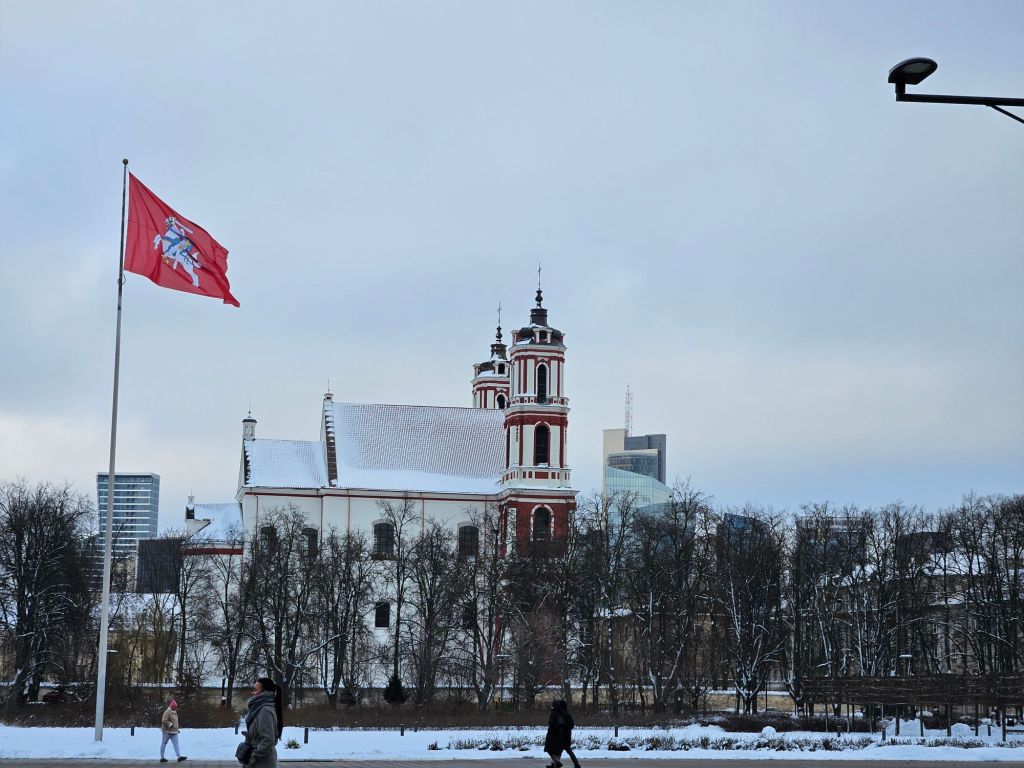
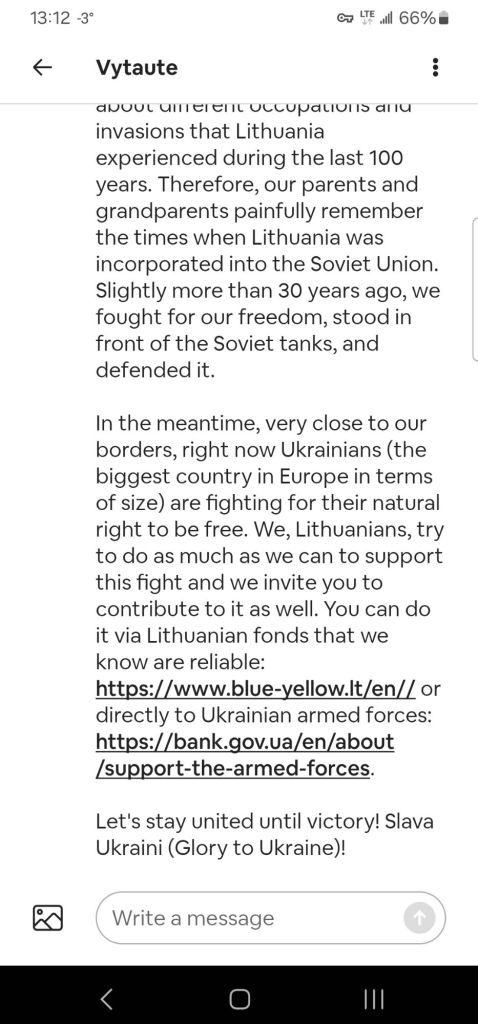
Ukraine is on every Lithuanian’s mind, and they recognize that if Ukraine falls, the bear’s eyes may turn to focus on this region. An Airbnb experiences tour guide wrote the following to me after my tour, requesting that I consider donating to help Ukraine’s fight:
Vilnius has renamed the street on which the Russian embassy is situated to “Ukrainian Heros Street”, haha! And in the Lithuanian war museum I visited in Kaunas, they had purchased several captured Russian items from the war in order to donate funds to the Ukrainian cause, such as rations packaging, a downed drone, weaponry, and a former Russian soldier’s helmet (former because the helmet has entry and exit bullet holes through it).
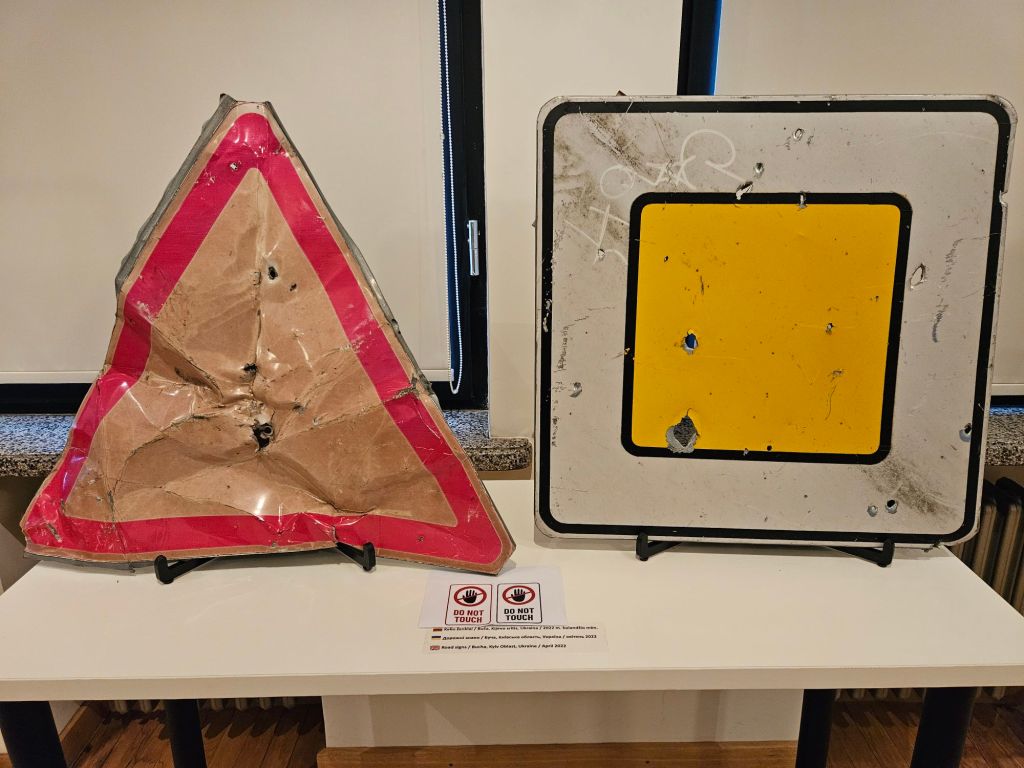
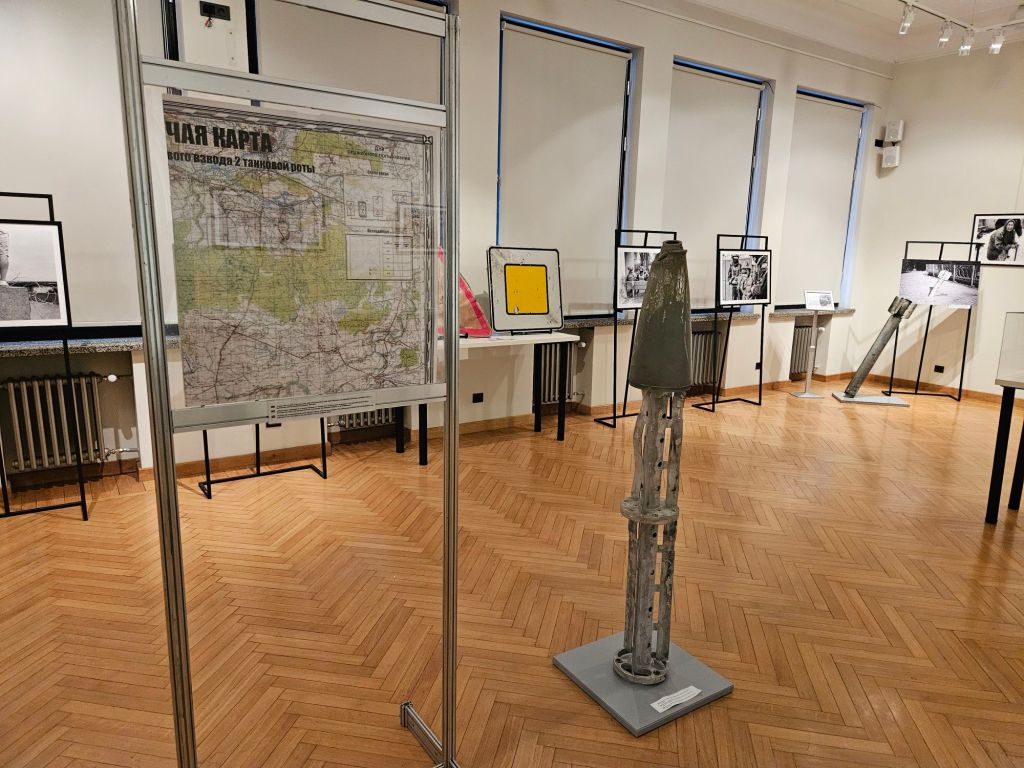
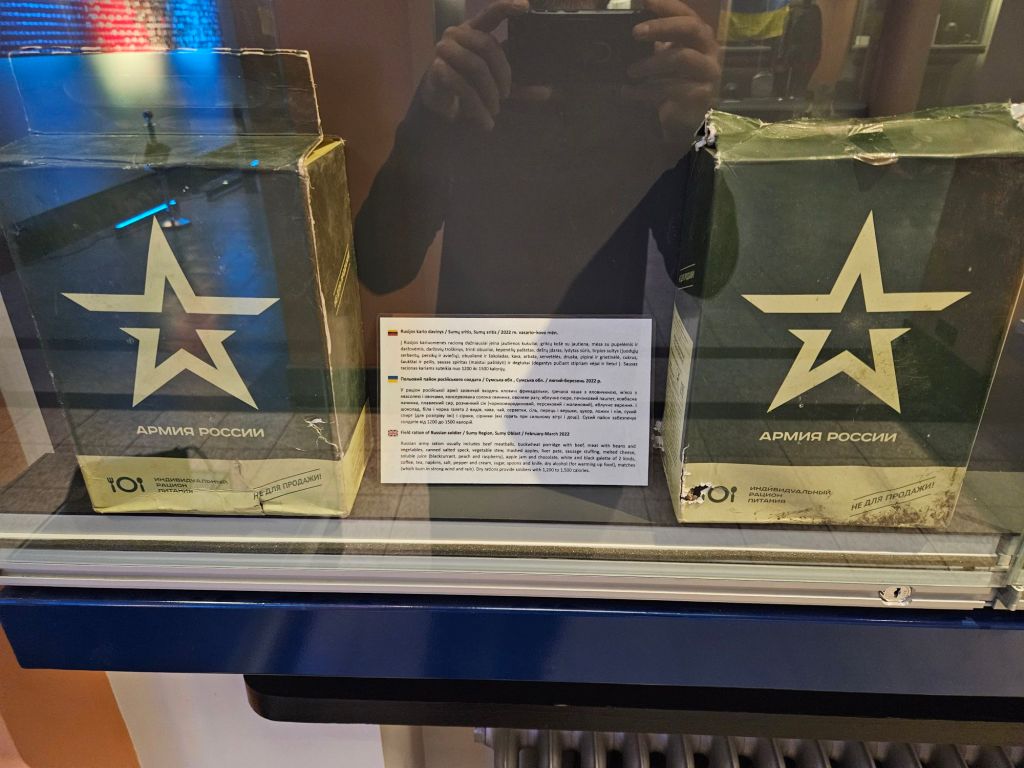
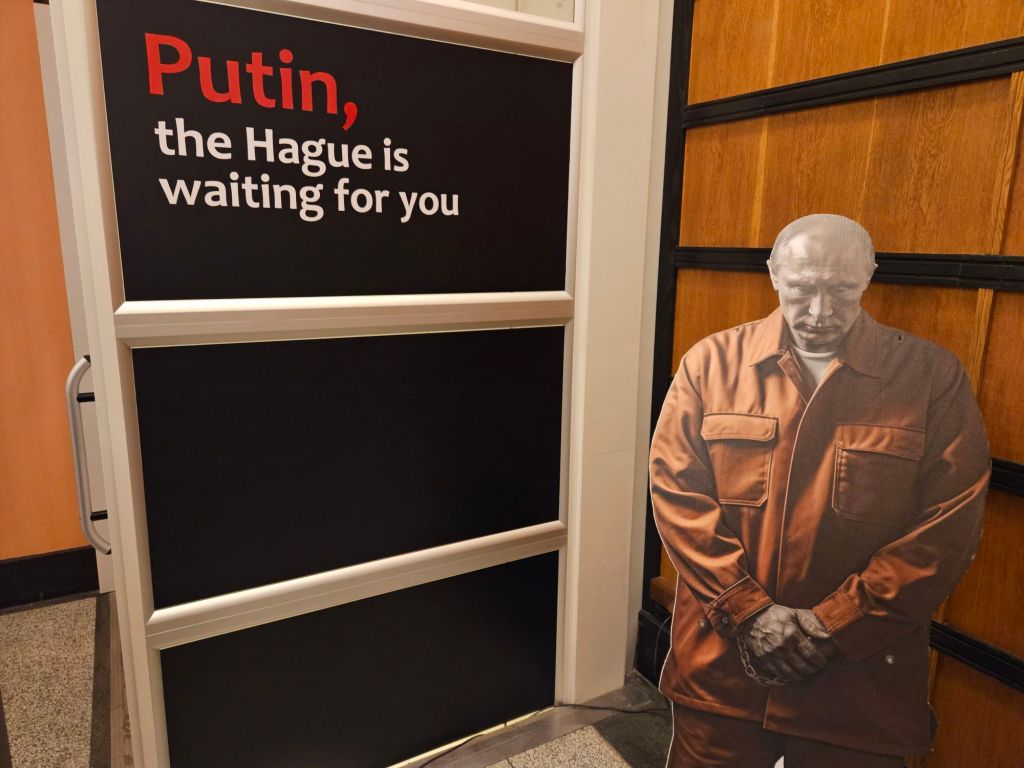
One final note on Ukraine: As I write, I’m in Warsaw, Poland, where the city is literally still rebuilding from the Nazi’s destruction during WWII, several decades later. Therefore, it is clear that Ukraine will have a long road to recovery once this war is finally done!
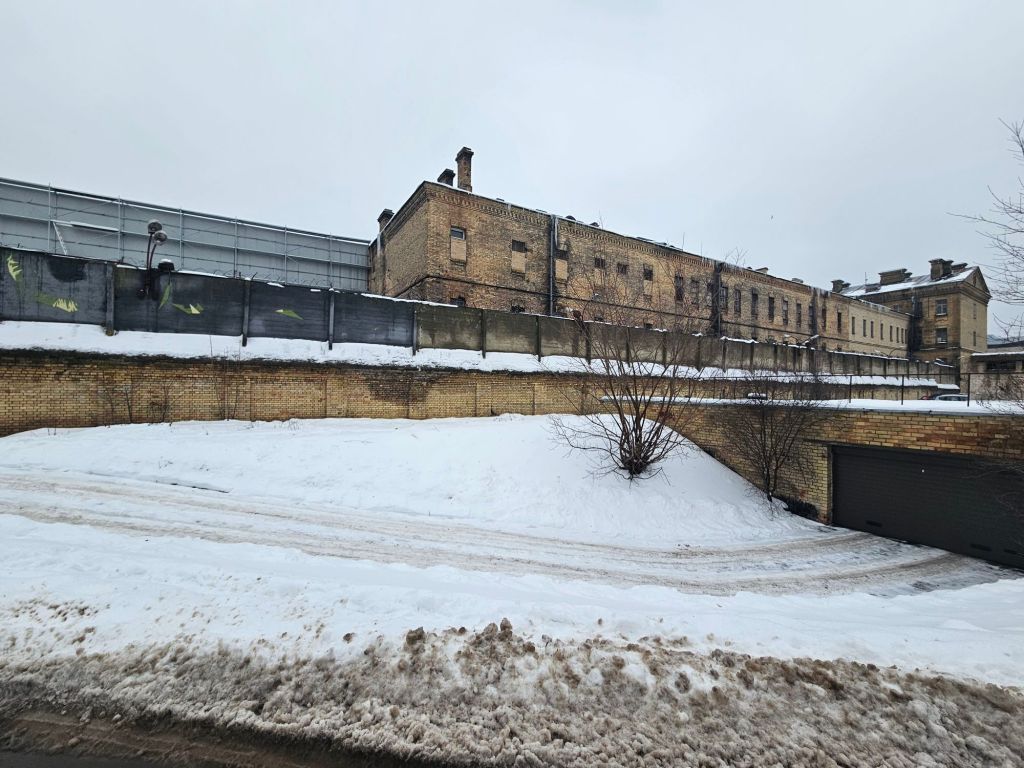
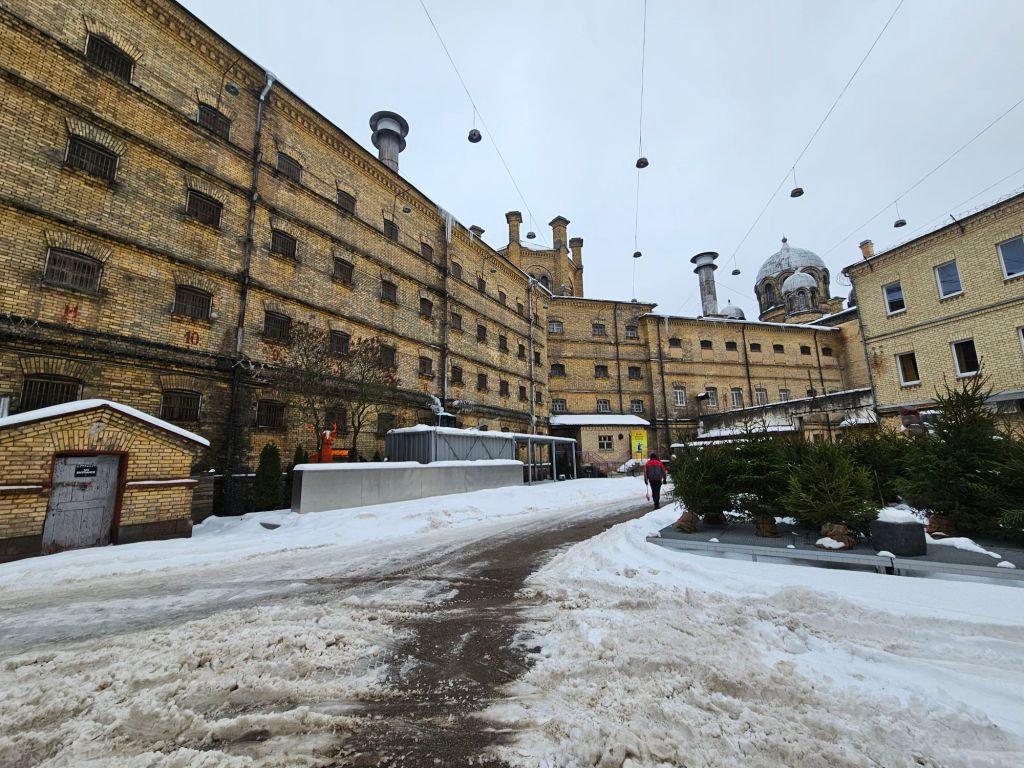
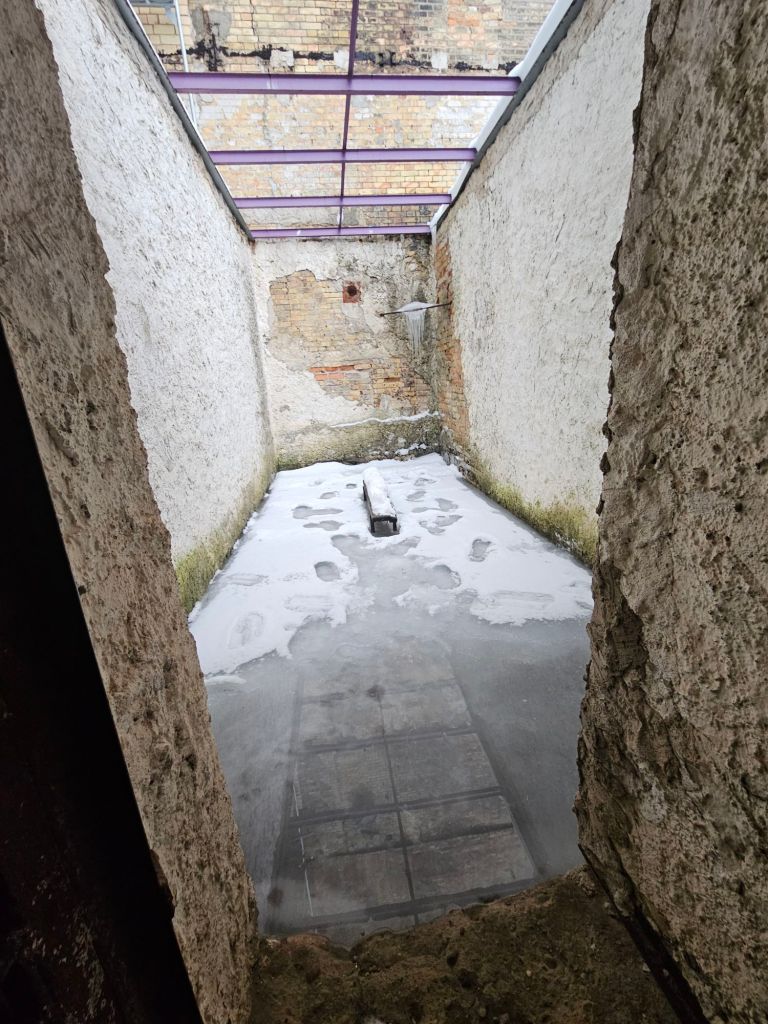
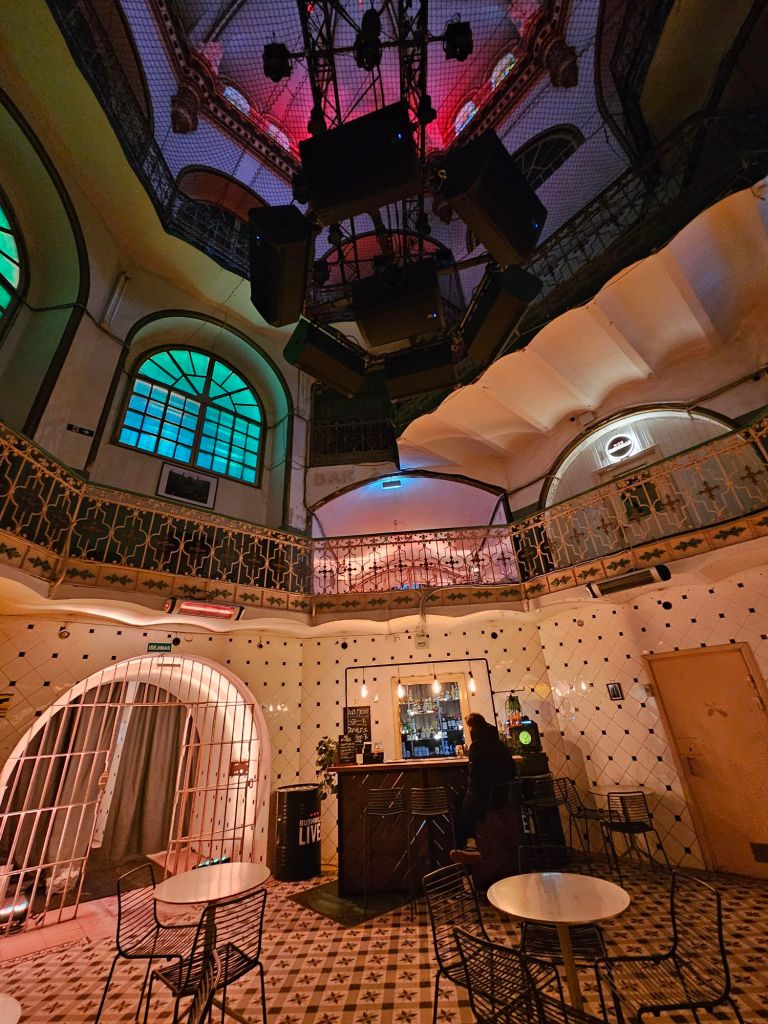
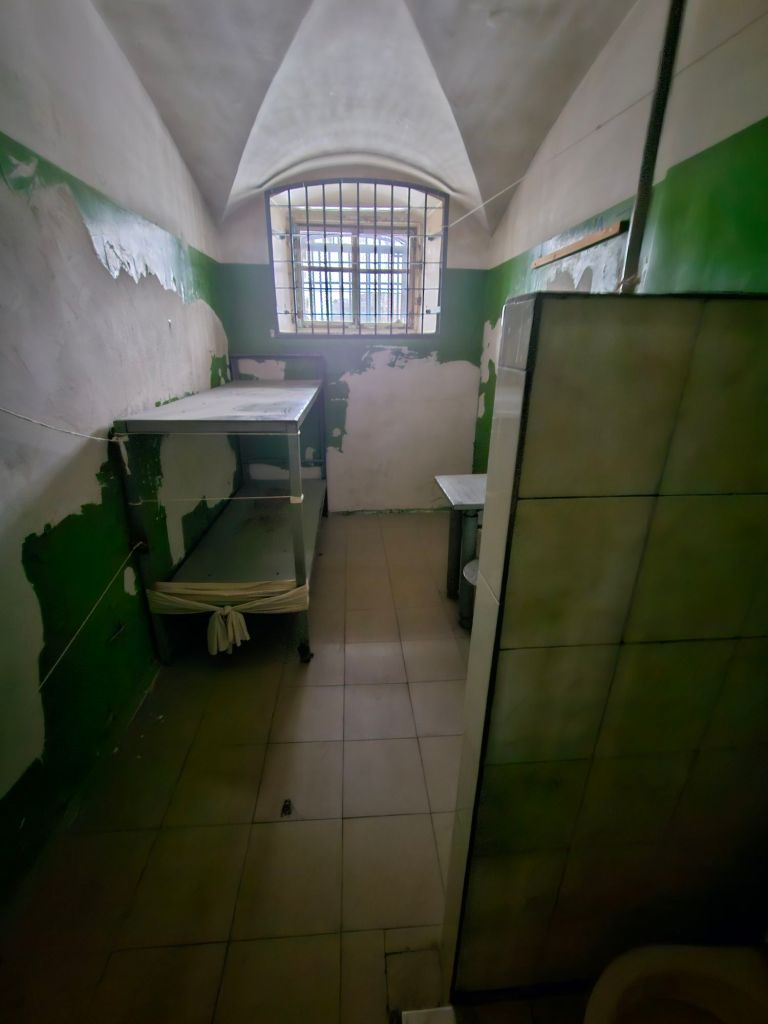
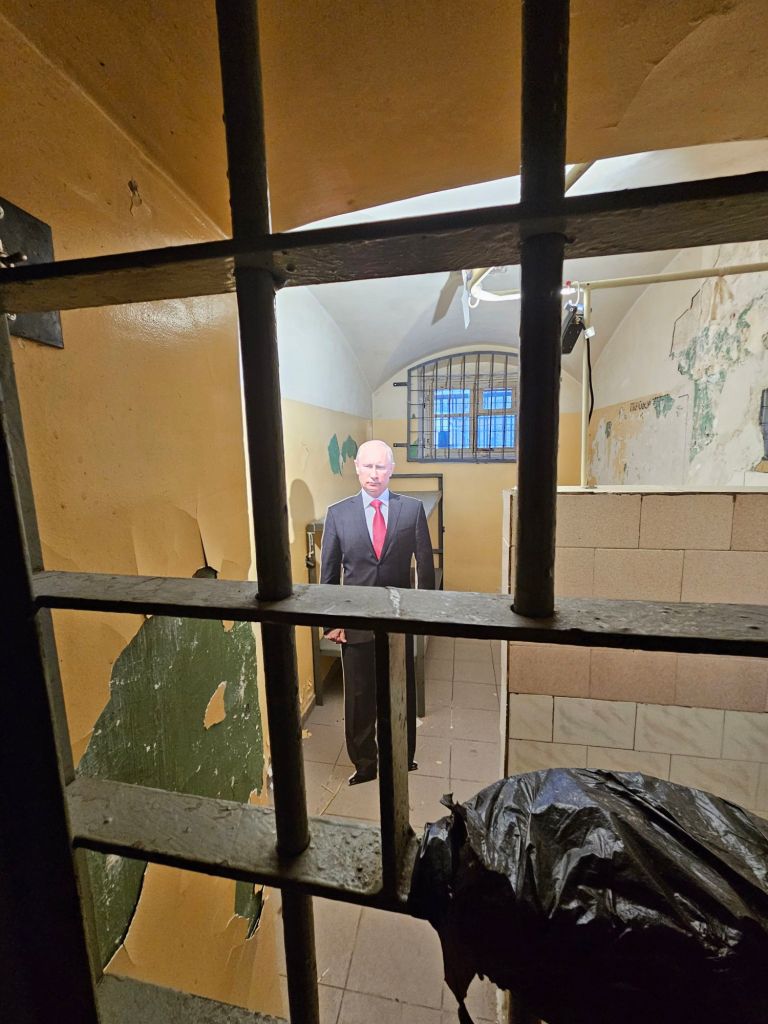
Related side story: The former main prison in Vilnius, Lukiškių prison, built at the behest of a Russian tsar, is now no longer used as a prison, but as the Lukiškių kalėjimas 2.0 cultural center. The complex now offers tours, which I took, along with an entertainment hall, dozens of artists’ studios, and a bar. This modern instantiation stirs a lot of different emotions in people. Younger people who didn’t grow up in its worst years are apparently happy to visit and party there, and it’s certainly a more positive use of the space than imprisonment, torture, and murder. But I was told that some older people who recall clearly what it was (including a Nazi detention center during WWII), wish it would just go away. Another new use of the former prison is as a movie set, including for season 4 of Netflix’s Stranger Things series. To my surprise, I also noticed a sign in Swedish, and so asked the guide about it — she said that Swedes filmed a movie there too.
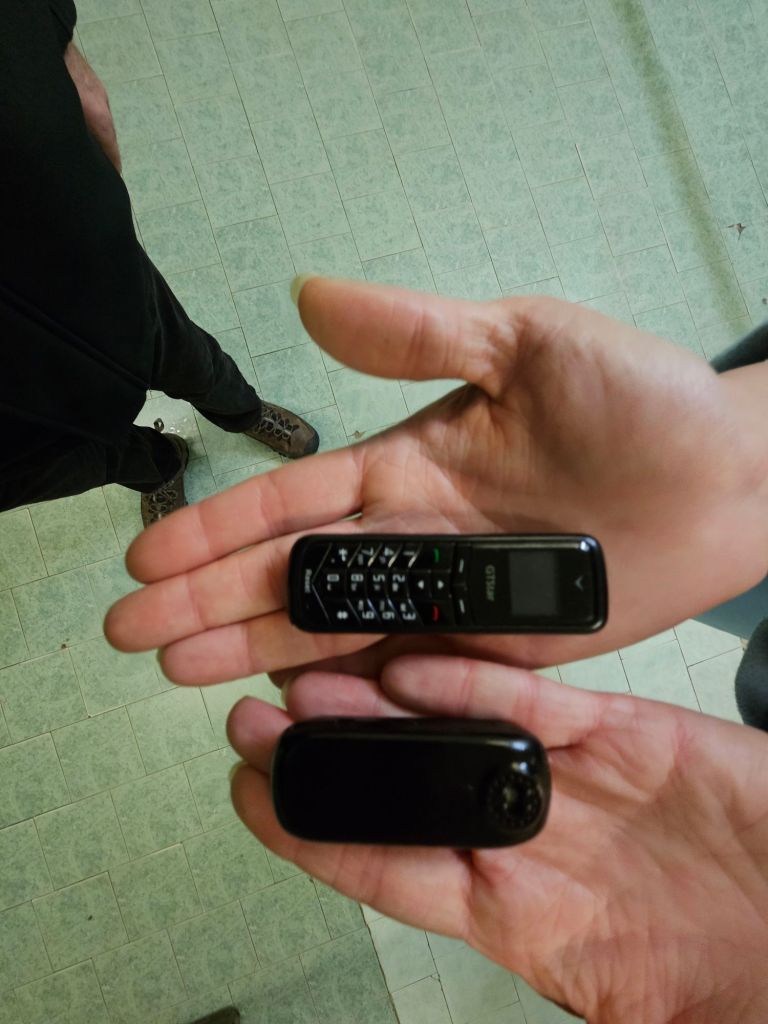
One memorable story relayed by the tour guide was that by 2019, the year of the prison’s closure, inmates were sneaking in various models of super-small phones which I hadn’t previously known existed. They’re remarkably small! My tour guide offered for me to hold them to see just how small and light they are, but I was hesitant as she had just told me WHERE inmates would stuff these phones to keep them hidden. Supposedly the record was eight of these up the you-know-what. Anyway, the guide assured me that these particular phones had not been popped out through the forced squat and cough technique, haha. Those are her small hands holding the phones in the photo below. By the way, one phone has Bluetooth and a camera! Amazing.
Today’s bonus video: There are reasonable Russian voices, like Roman’s (watch below), but it seems necessary to leave Russia to be able to speak one’s mind without reprisals. Or at least without as high of a likelihood of reprisals.
Today’s DadGPT joke: Why do Jedi knights always bring a map to Poland?
So they don’t lose their way to Star Warsaw!
(“Warsaw” is a simpler joke tool than “Vilnius”)

 Major Meander