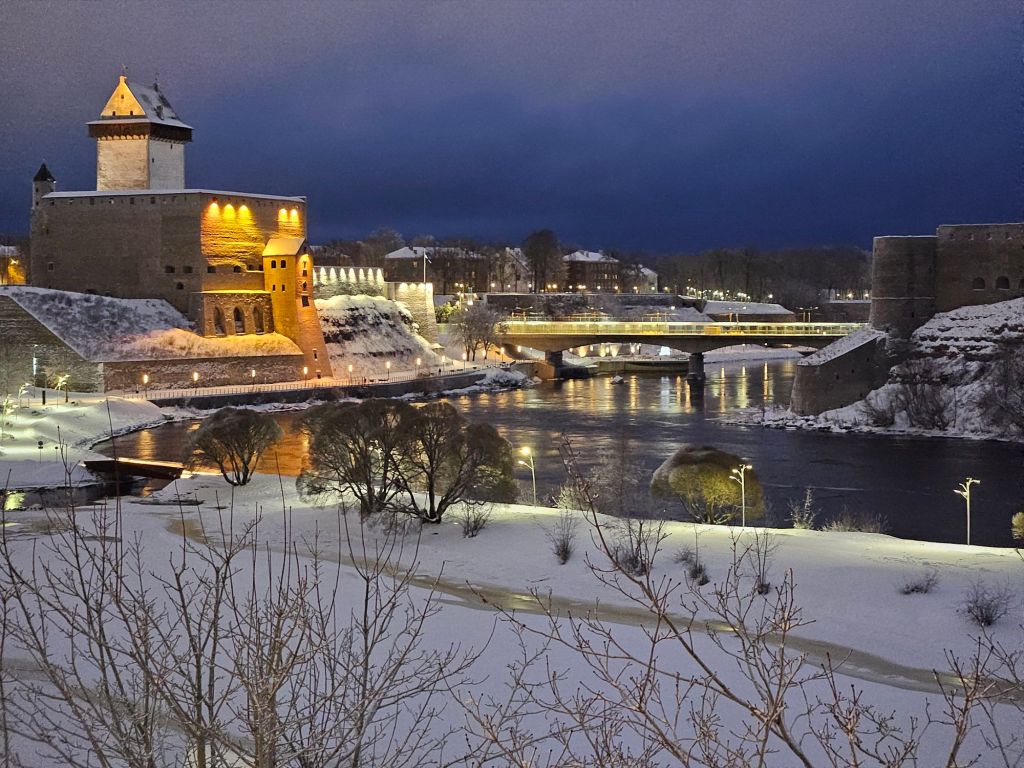
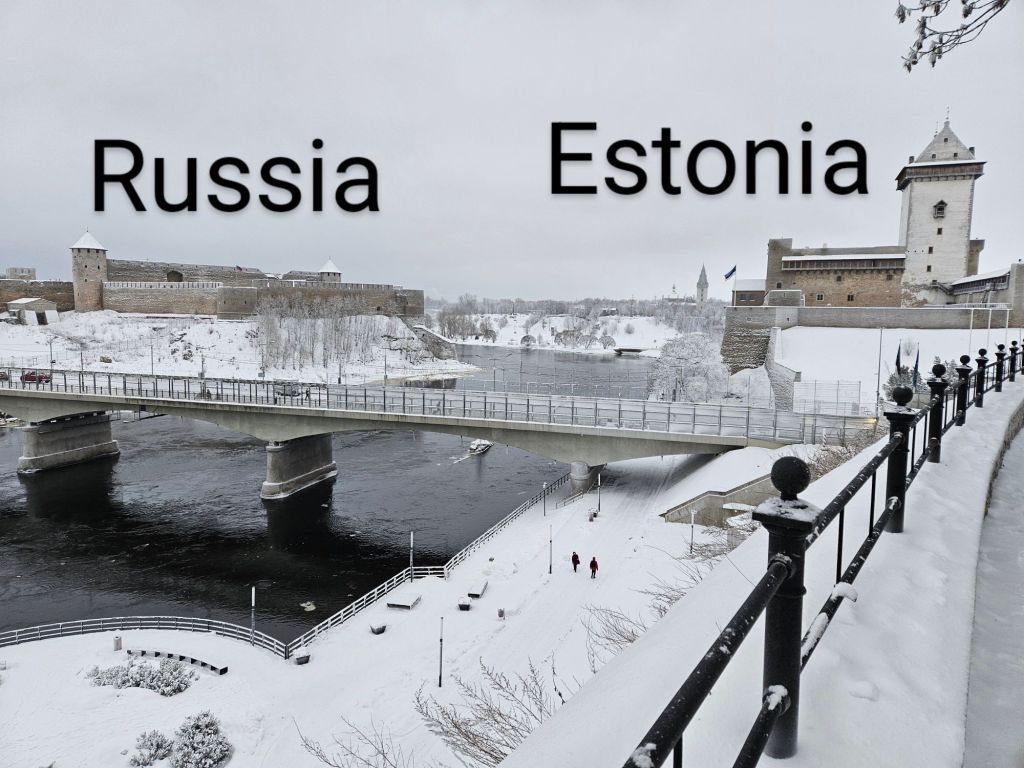
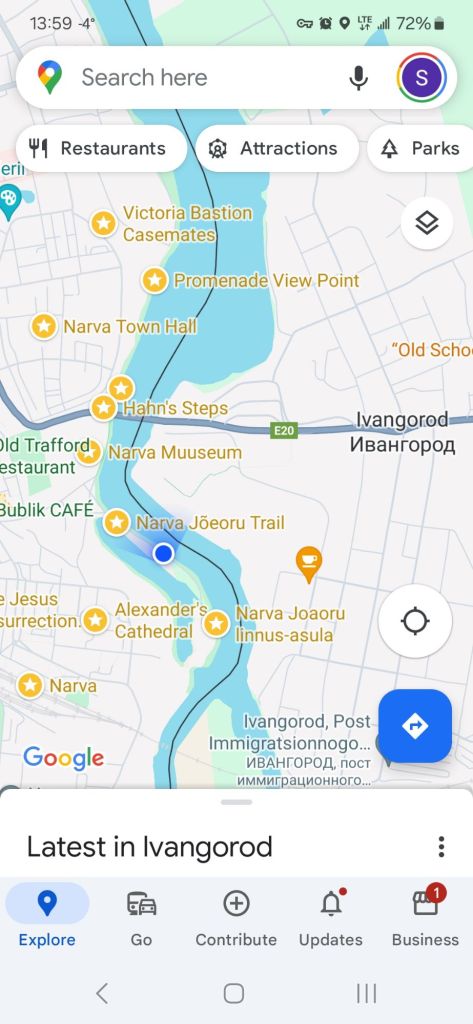
After a smooth 2.5-hour ride east through the wintery Estonian countryside on a comfortable modern train, I arrived in Narva, which currently has the EU’s busiest border crossing with Russia. I was intrigued both by Narva’s long and dynamic history and by the fact that Russia lies just across the river. The location is impressive, with opposing and imposing fortresses on either side of the river.
The Danes built a castle on the Estonian side way back in the 1200s, and over 200 years later the Russians built the fortress in Ivangorod directly across from the Danish castle.
Narva was unfortunately nearly completely destroyed towards the end of World War 2 when the Soviets bombed the area to expel the Germans. Locals were not allowed to return to Narva afterward, and instead, Russians from elsewhere around the USSR were brought in to work. To this day, the vast majority of people who live in Narva are Russian (about 88%), and 96% are native Russian speakers. Many in Narva have Russian citizenship, but some have no citizenship because Estonia requires Estonian language proficiency for citizenship.
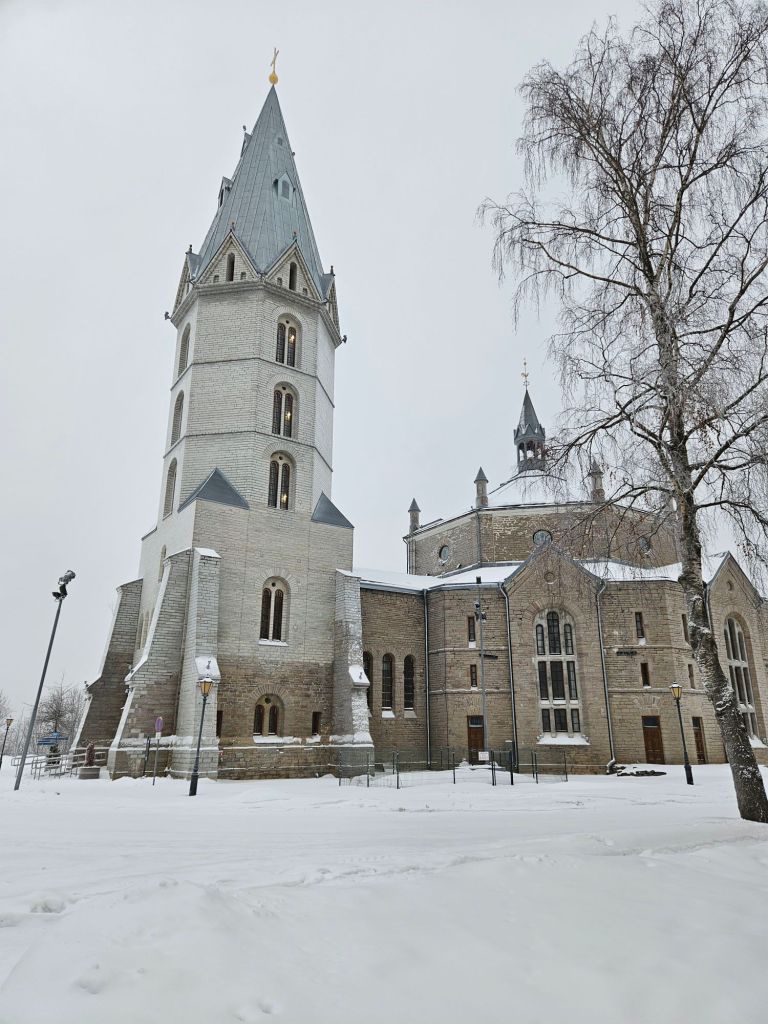
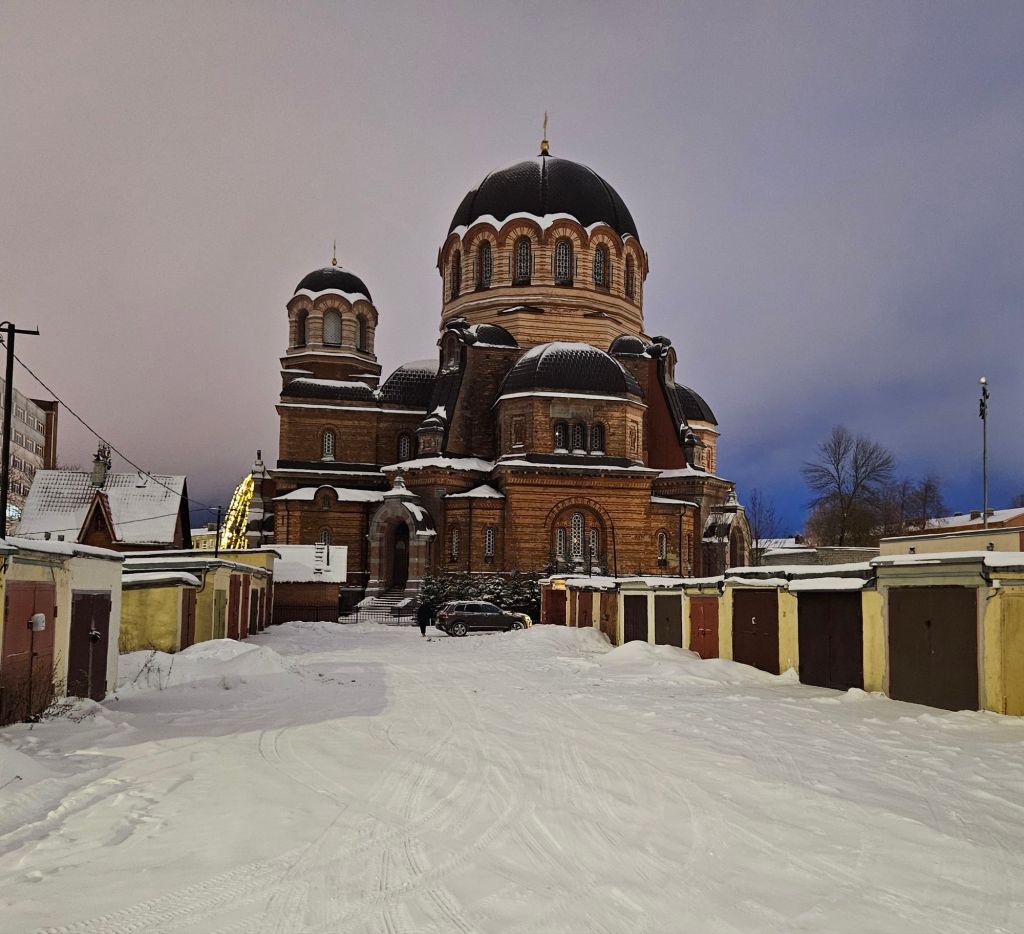
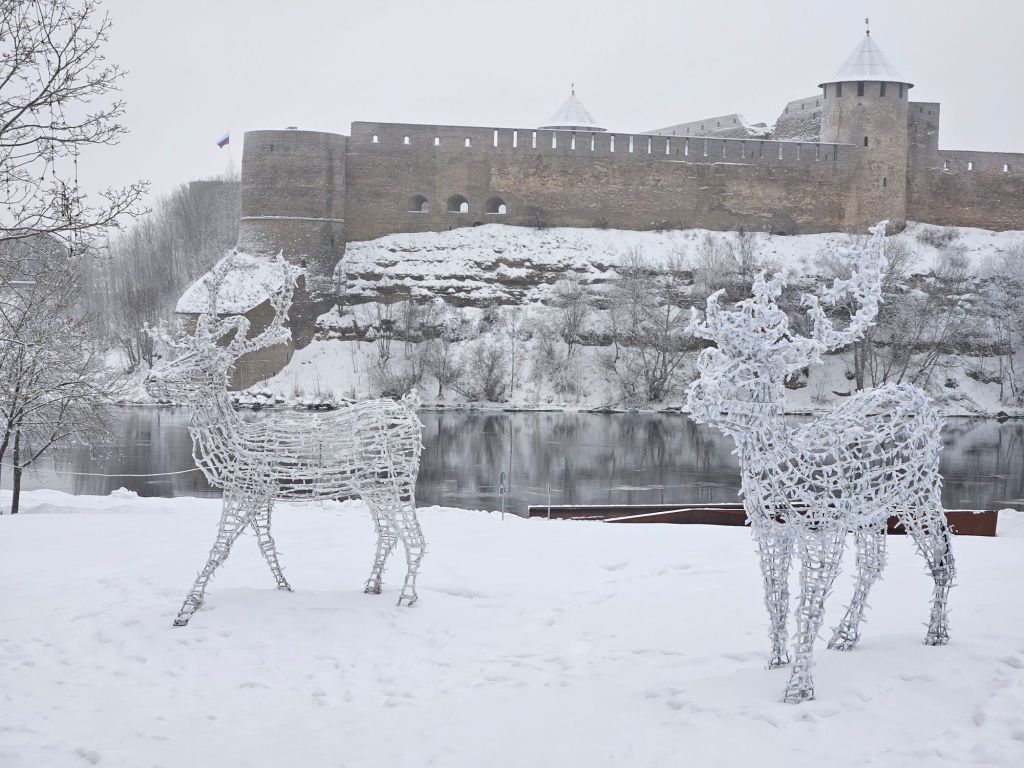
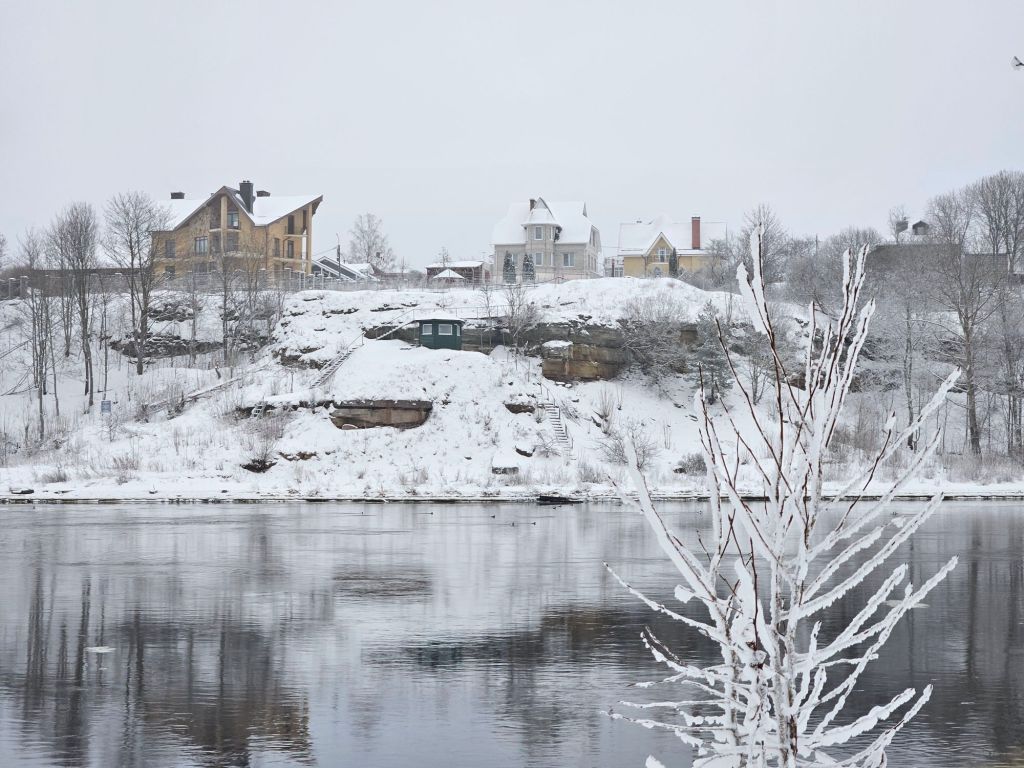
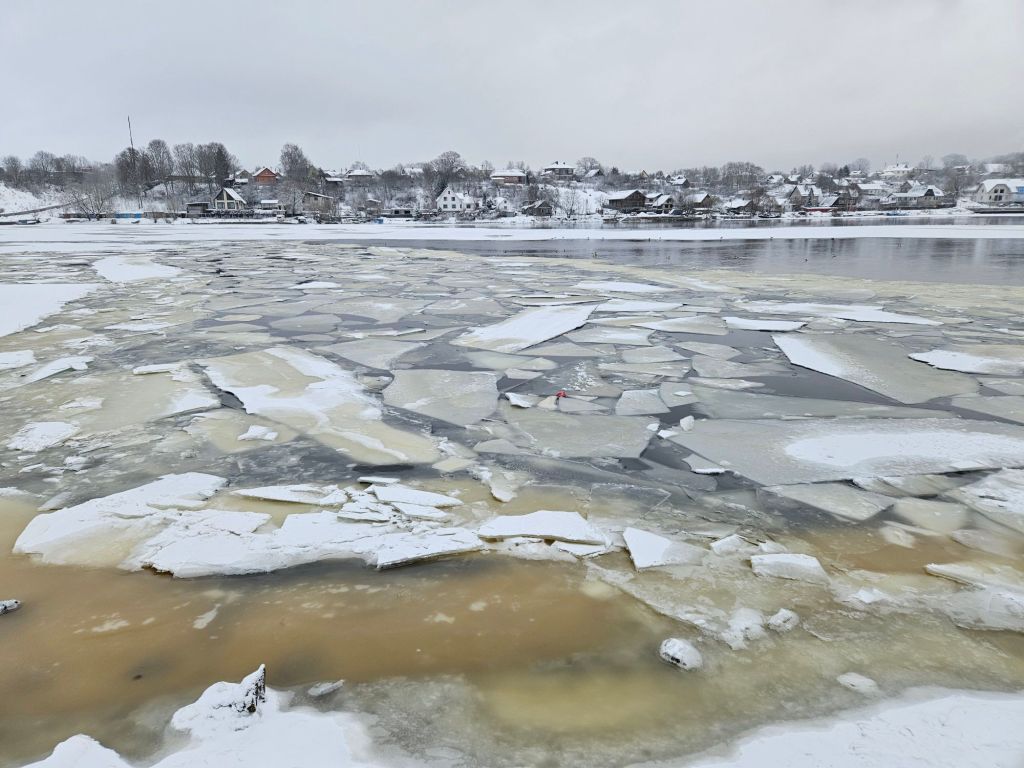
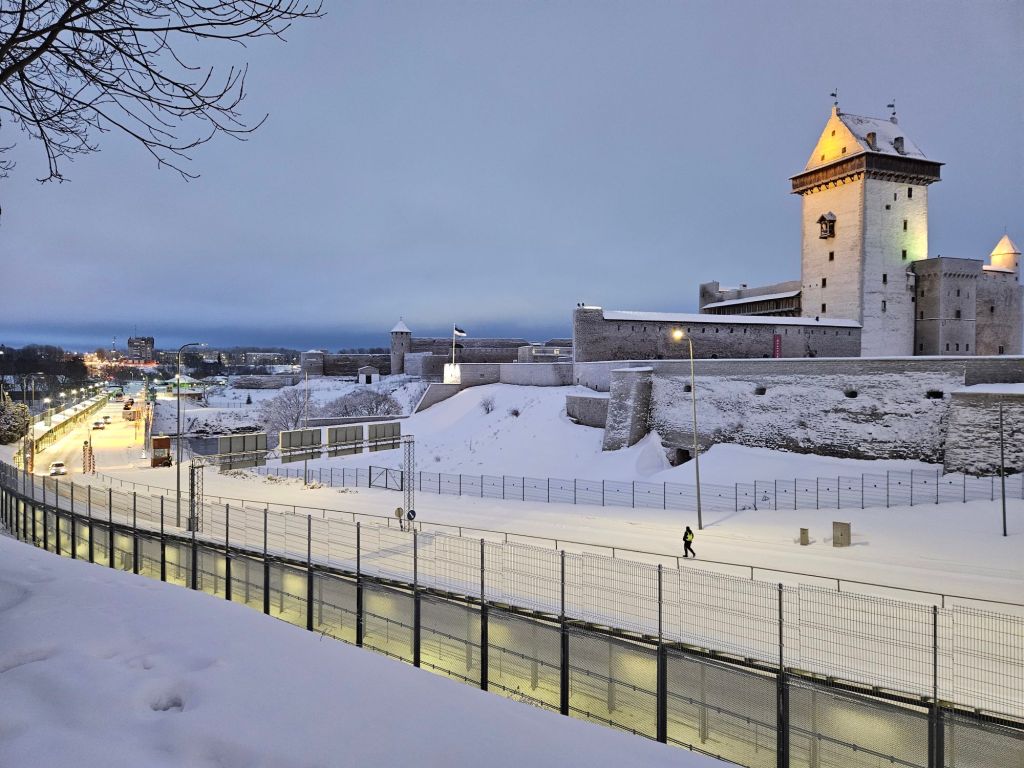
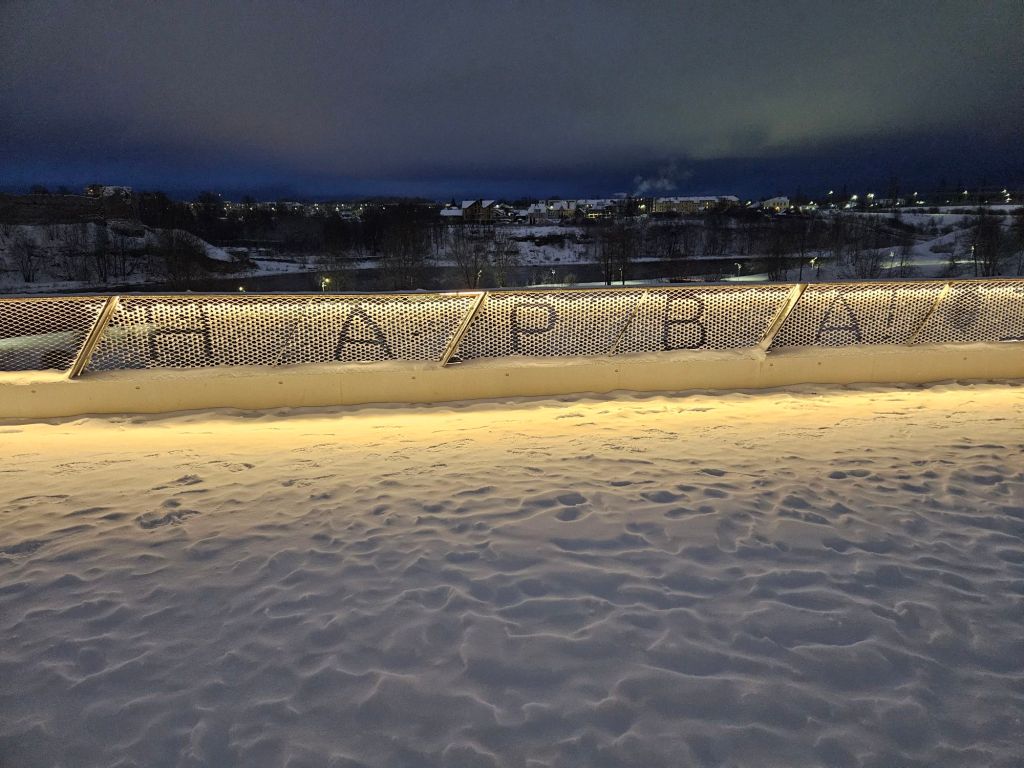
I hope that things continue peacefully in Narva, but given Russia’s aggression elsewhere, one can’t take peace for granted. Luckily Estonia is in NATO! Hopefully that’s a sufficient deterrent. Below are some insights from various references about the current state of affairs in the relationship.
Before the 2022 Russian invasion of Ukraine, residents mixed relatively freely with the residents across the river in Ivangorod.
Those on the Estonian side mainly crossed to buy cheaper petrol, groats, cleaning products, pasta and sugar. Those crossing from the Russian side wanted to make use of the availability of non-sanctioned goods, entertainment facilities and overall better infrastructure.
The invasion and subsequent conflict seriously reduced cooperation between the two neighbours, especially as visas became difficult to obtain and the residents of Narva increased the take up in Estonian citizenship. Narva took many Ukrainian refugees fleeing the war and previously popular Russian TV stations among older Russophone residents were banned by the Estonian government.
On 10 June 2022, the Estonian foreign ministry summoned the Russian ambassador to protest about remarks by President Vladimir Putin praising Peter the Great for having captured Narva in the early 18th century.
In August 2022, a Soviet T-34 tank memorial was removed from a stretch of road between the city centre and Narva-Jõesuu, to mixed responses. It was moved to the Estonian War Museum near Tallinn. In response to the tank’s removal, the following month Russian authorities erected a similar T-34 tank monument in Ivangorod near the border crossing point with Narva.
https://en.m.wikipedia.org/wiki/Narva
Since Finland closed its border crossings with its eastern neighbor in the final months of 2023, the Narva crossing has become the mainland passage between the European Union and Russia.
https://www.msn.com/en-us/news/world/estonia-russia-road-crossing-closure-five-year-long-renovation-marks-end-of-critical-eu-land-link/ar-AA1mv6hk
As stated in November 2023 by the Estonian authorities, this crossing was targeted in a “hybrid attack” that involved directing illegal immigrants toward the Estonian border by the Russians.
At this time, concrete blocks were installed on the Estonian side of the bridge to prevent the possible influx of undocumented individuals attempting to cross the EU border.
Minister of Foreign Affairs Margus Tsahkna said that Estonia has sent Russia a diplomatic note regarding the decision to close the Narva border crossing point to road transport starting from February 1.
Russia said that the Invangorod border point will be closed to passenger cars and other road transport due to renovation from February 1, Tsahkna said at the government press conference Thursday.
The border crossing will remain open to pedestrians.
According to the Russian Federation, the renovation work will last until late 2025.
https://news.err.ee/1609211776/russia-announces-closing-narva-border-point-to-vehicles-from-february
Estonia vehemently advises its citizens and residents against travelling to Russia. Margus Tsahkna, the head of Estonia’s foreign ministry, firmly stated that if the decision is taken to close the borders, “it would be impossible to return to the country.”
https://essanews.com/estonias-stern-warning-avoid-traveling-to-russia-amid-border-tensions,6968742052456065a
Prime Minister Kaja Kallas (Reform) has confirmed that the government is looking at options for deporting any permanent residents of Estonia who choose to take Russian citizenship, in response to a letter from a Center Party MP, daily Postimees reports.
https://news.err.ee/1609216264/prime-minister-confirms-estonian-residents-taking-russian-citizenship-may-be-expelled
Today’s dad joke: (no AI involved for this one) What do you call an ever-evolving food scene?
Dine-amism!
Today’s funny insight: The name ChatGPT, when pronounced in French, sounds very much like “chat, j’ai pété”, which means “cat, I farted”!
Today’s music video: To remind us all that there are plenty of fun-loving Russians, enjoy this massive collection of Russian musicians together playing a powerful Evanescence tune:

 Major Meander
This is all so interesting! Thanks for the informative descriptions from the front line – literally. And that Evanescence video with hundreds of musicians is one of the coolest things I’ve ever seen! What a remarkable thing to be a part of.
Glad you enjoyed it! There’s a several-year tradition of Russians performing rock songs in these huge groups like this – you can find many more examples on YouTube.