
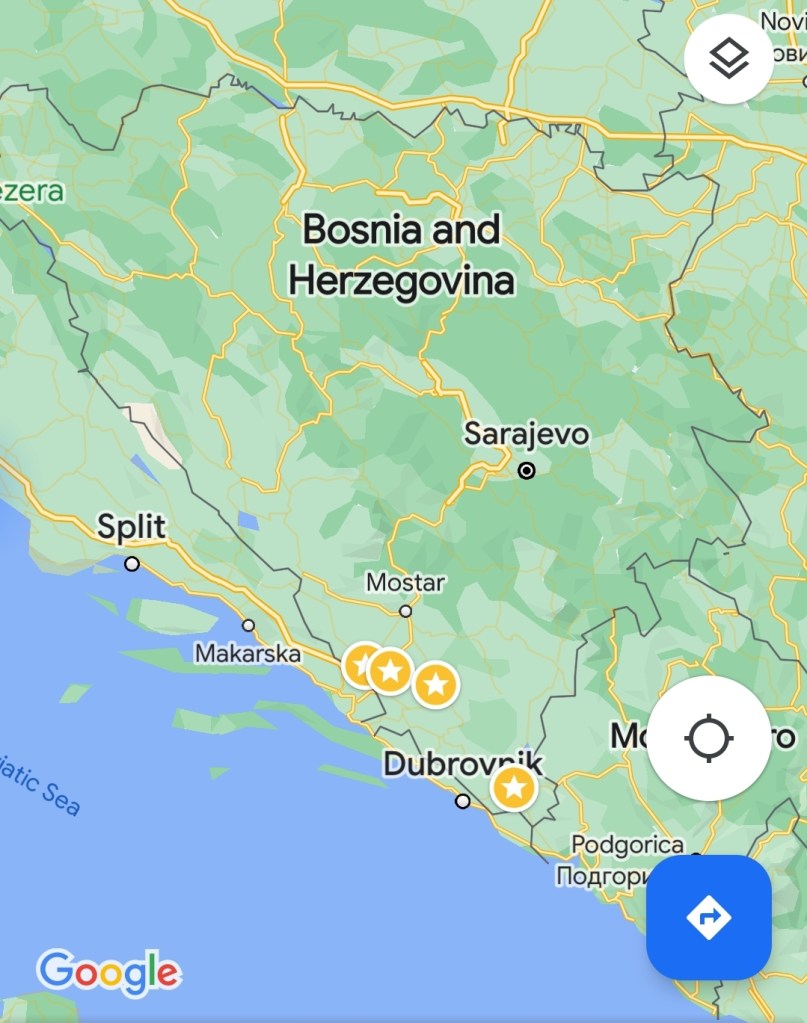
All along Croatia’s Dalmatian coast lies Bosnia and Herzegovina inland, to the east. This other former Yugoslav republic is often referred to as just B&H or even just Bosnia, though Herzegovina is its own district area within the country. B&H interrupts Croatia’s coastline for a short 20 kilometers (12 miles), providing the country with some direct Adriatic access. This is the world’s second-shortest coastline for a country, after Monaco. Interestingly, the fact that B&H has any coast at all is an artifact of Dubrovnik’s history as a city-state, independent from Venice, which controlled the rest of the Dalmatian coast. When feeling threatened by foreign powers, particularly Venice, Dubrovnik ceded that strip of land to the Ottomans, thereby protecting themselves from a land-based attack from the north, and today that strip remains part of B&H.
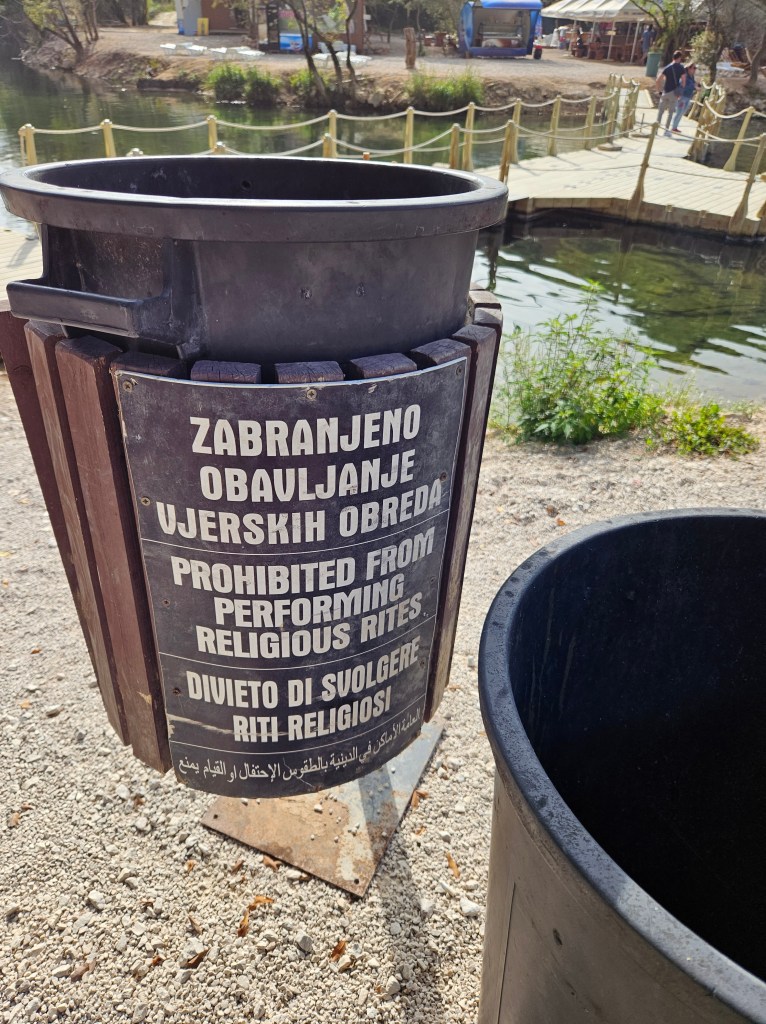
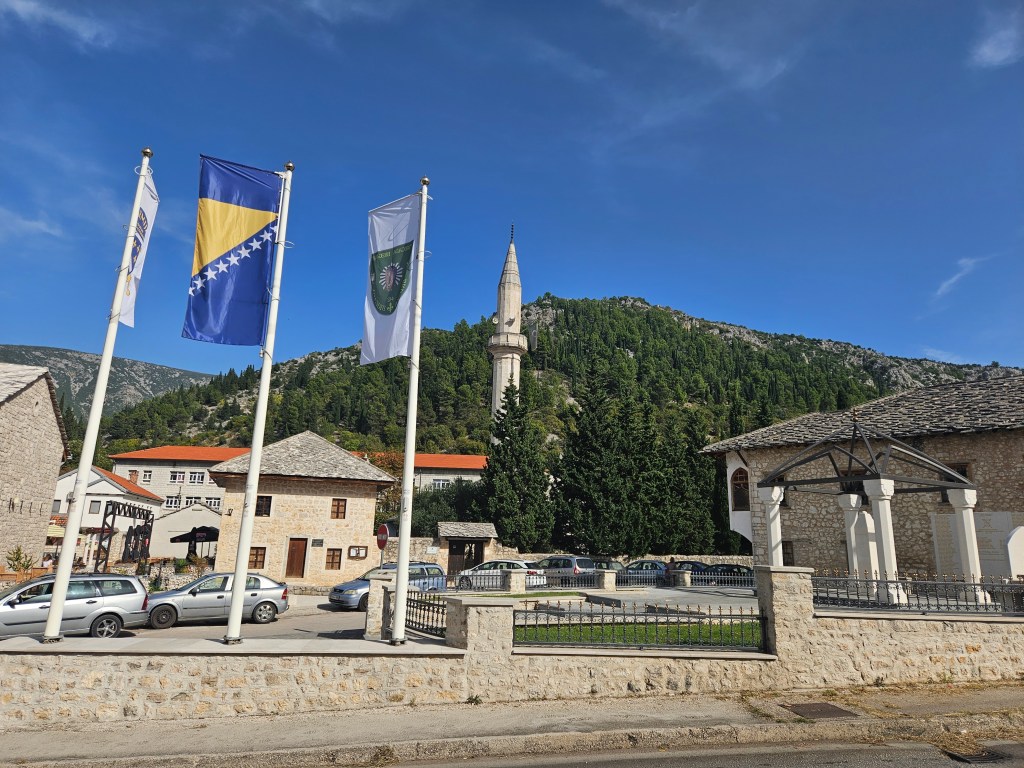
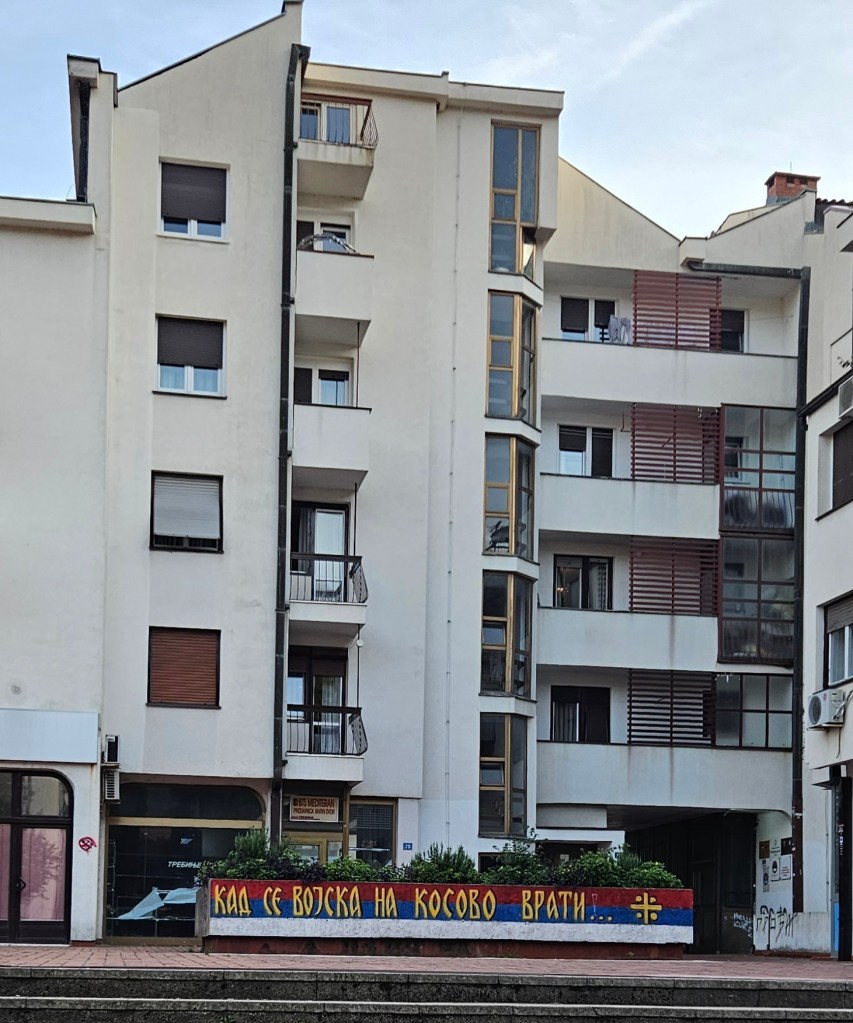
B&H has a long and complicated past, along with a continued complicated present. The country was the heart of much of the worst fighting and atrocities during the early 1990s after declaring independence from Yugoslavia, and in cities like Mostar and Sarajevo, one can witness the residual scars almost 30 years later. The population is now 3.5 million, but has been decreasing as youth seek opportunities elsewhere. There are three main ethnic groups, with these being, in decreasing order of population: Bosniaks (Muslim), Serbs (Christian Orthodox), and Croats (Christian Catholic), and as I drove through the country, I could see neighborhoods with Serbian or Croatian flags, presumably signifying the predominant group in that area.
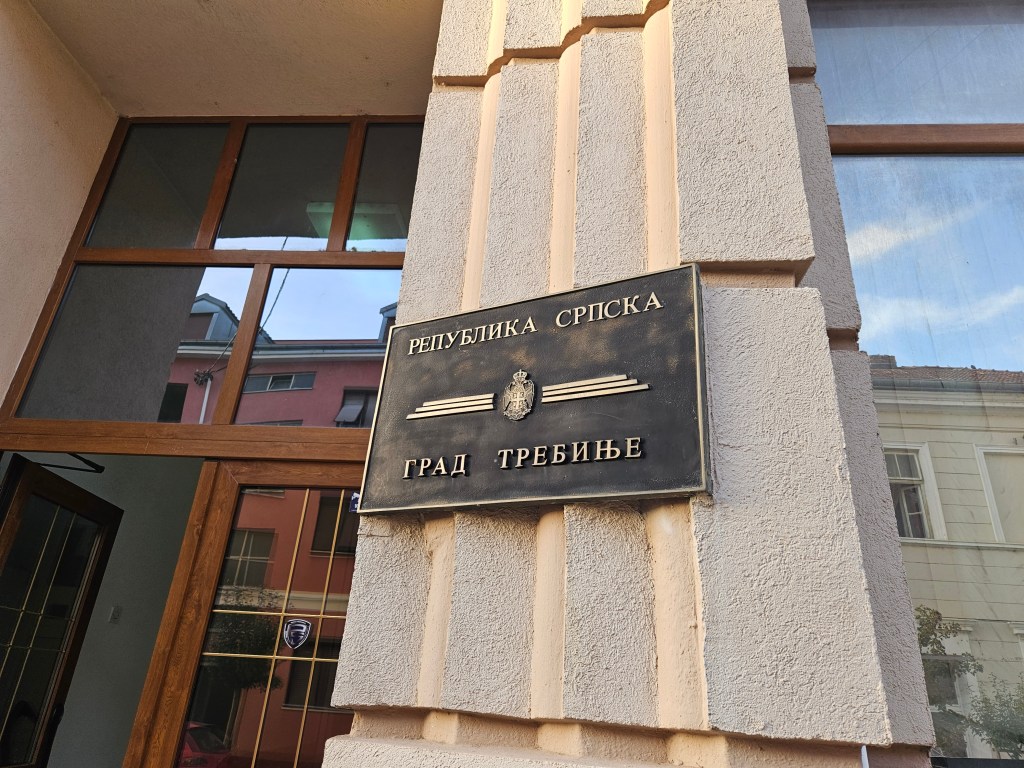
Many regions are now fairly segregated by ethnic group, and in fact, there are two autonomous entities — the Federation of Bosnia and Herzegovina, and Republika Srpska. Republika Srpska is majority Serb, and when driving from one entity to the other, there is signage indicating the transition, similar to driving across US state lines. The country’s government is decentralized, with these entities controlling the majority of matters for their respective regions. There is even a third, tiny district controlled by its own local government. Complicating matters further is that there is a three-member presidency comprised of one member from each of the three major ethnic groups!
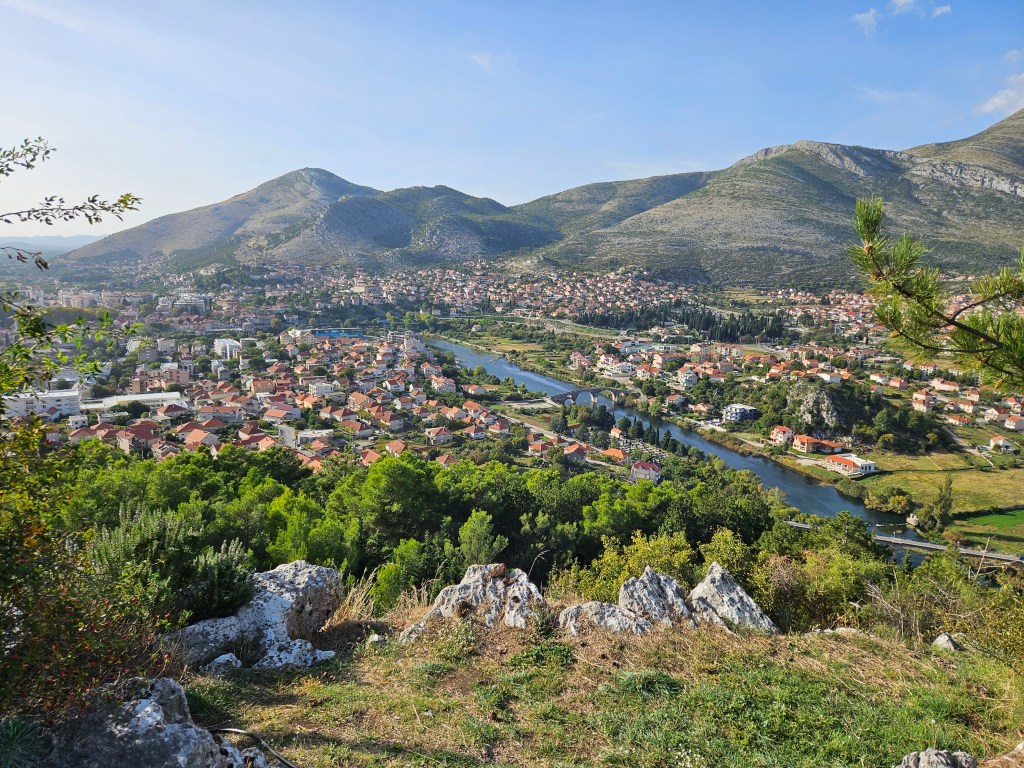
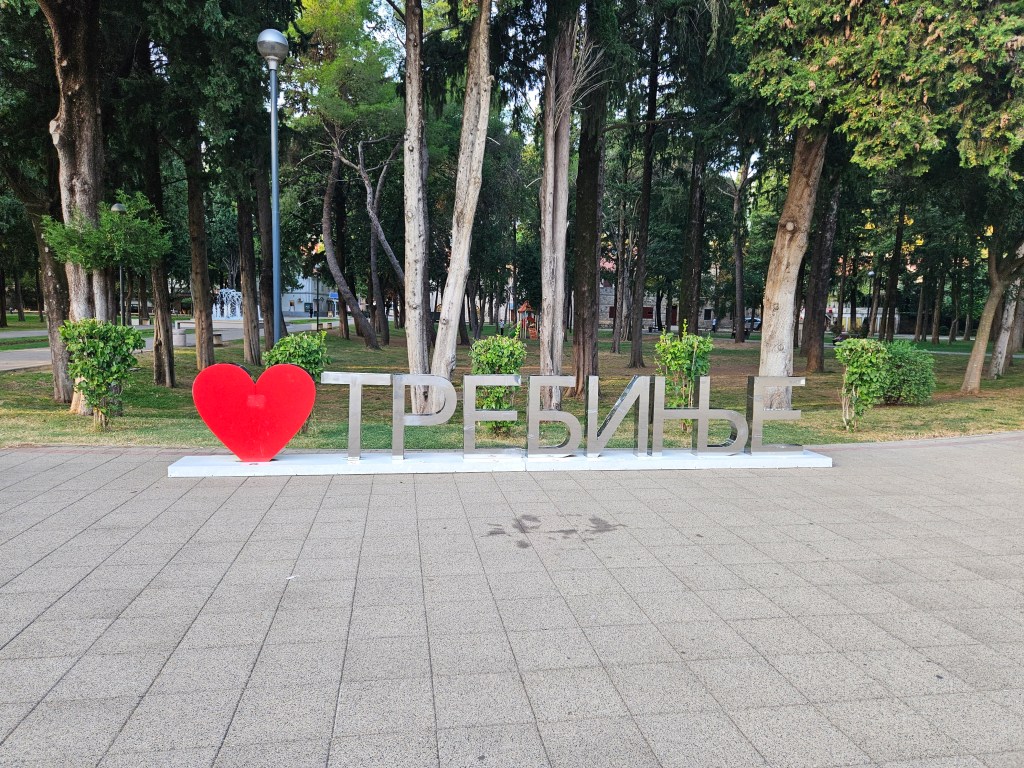
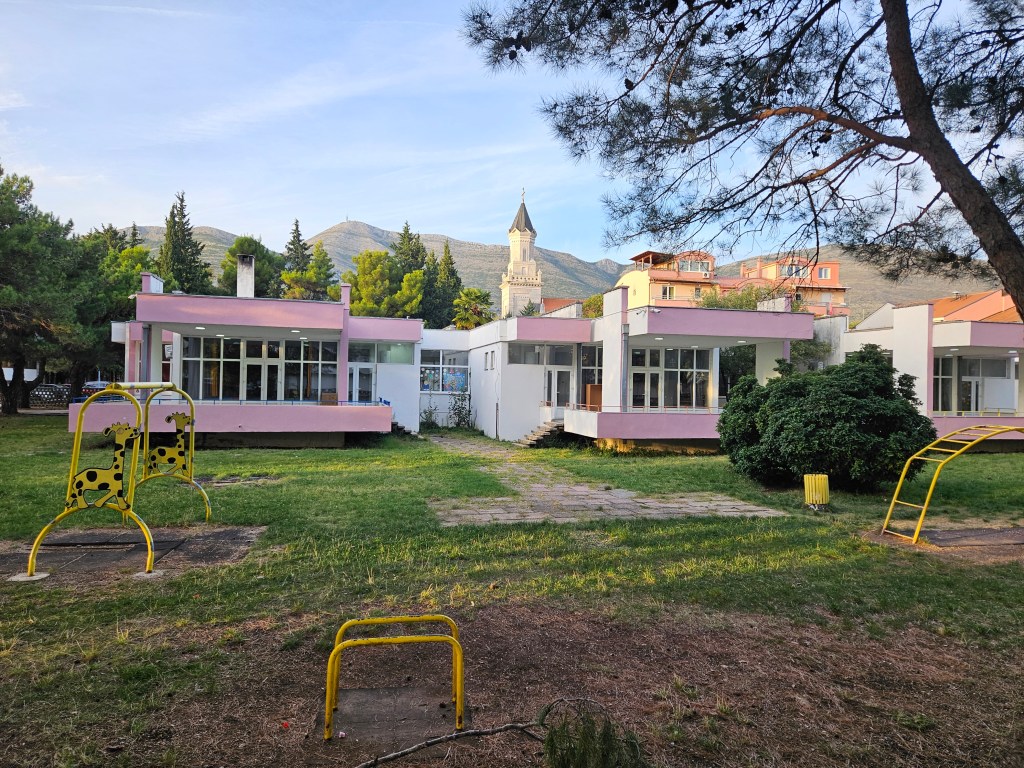
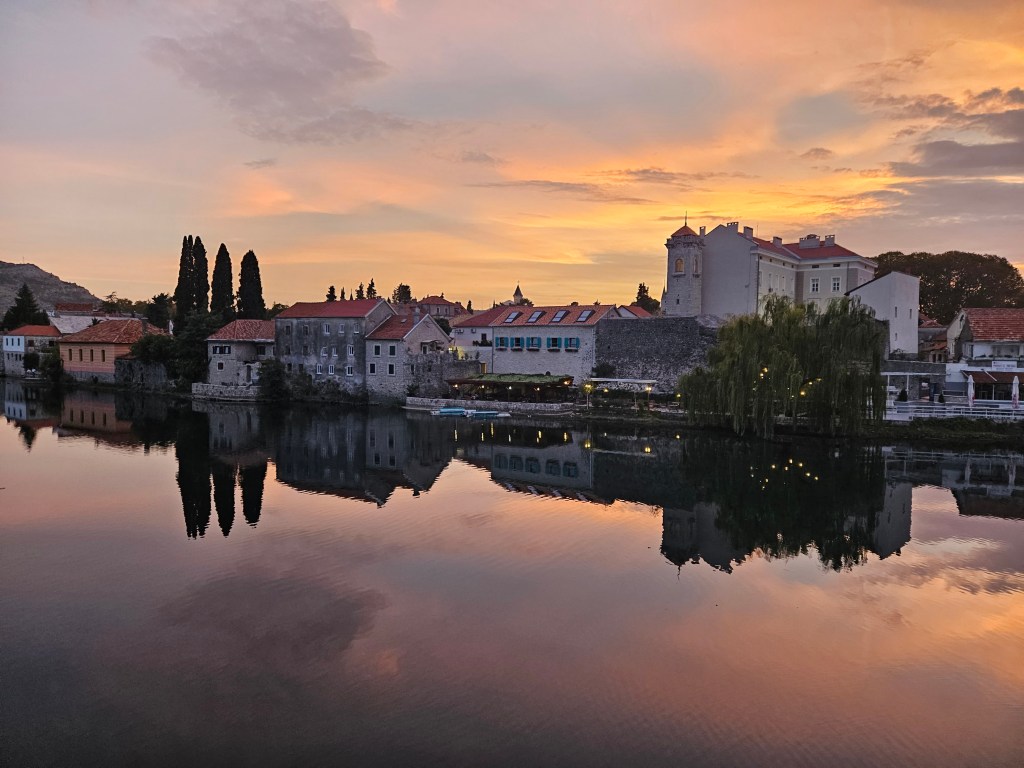
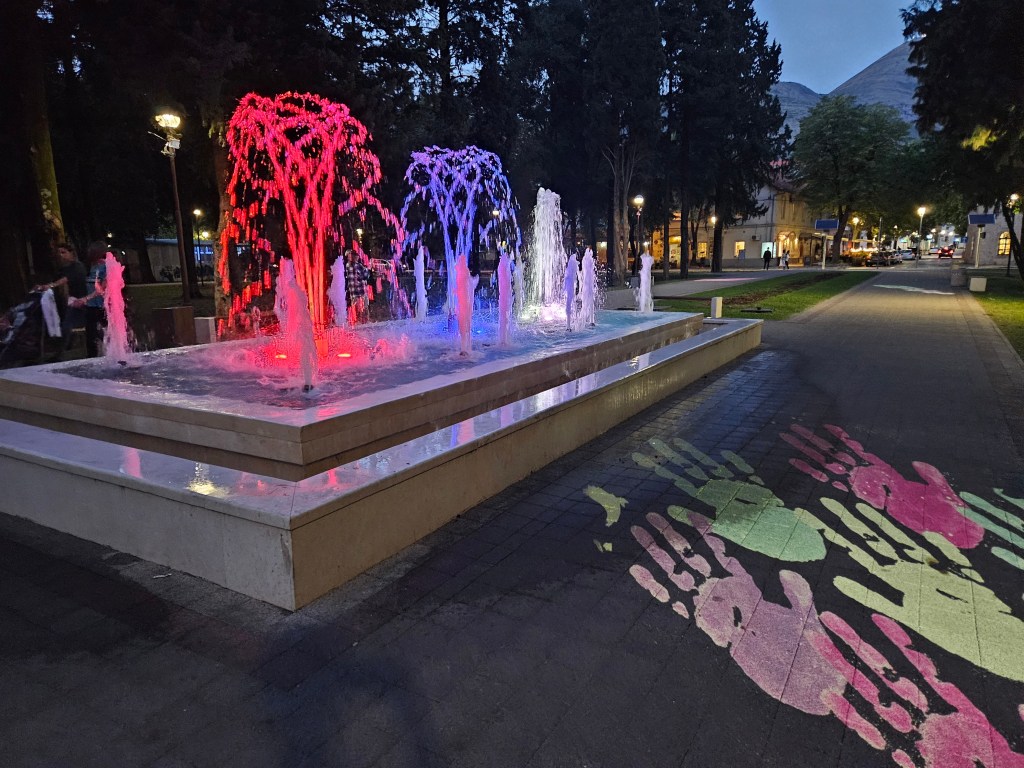
All that said, while B&H is clearly not as rich as its neighbor Croatia, it is blessed with beautiful landscapes and friendly people. I never felt unsafe during this visit. I traveled to Mostar back in 2021, and while I didn’t fear for my physical safety then, it was mentally and emotionally taxing to see so much residual structural damage, along with signs of death all over. I didn’t see any of this during this 2023 visit. All four destinations I visited were fairly clean, and everything seemed functional. There were people of all ages walking around, and in Trebinje at sunset, there were many families, women with strollers, groups of kids, seniors, etc all enjoying a riverside stroll.
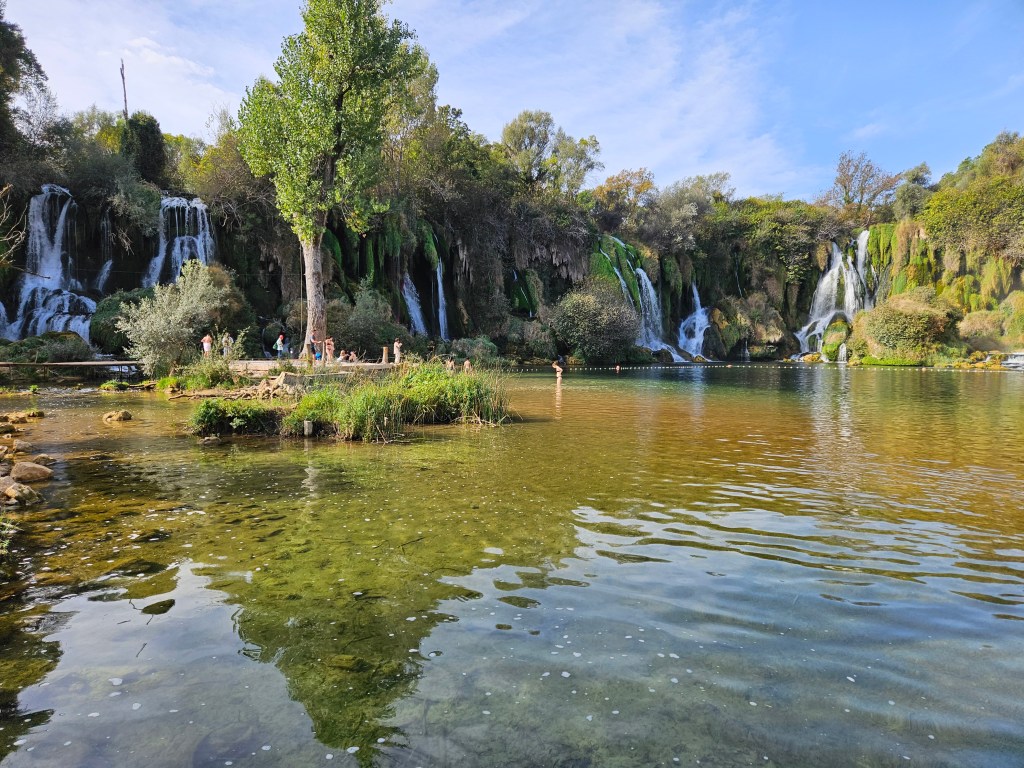
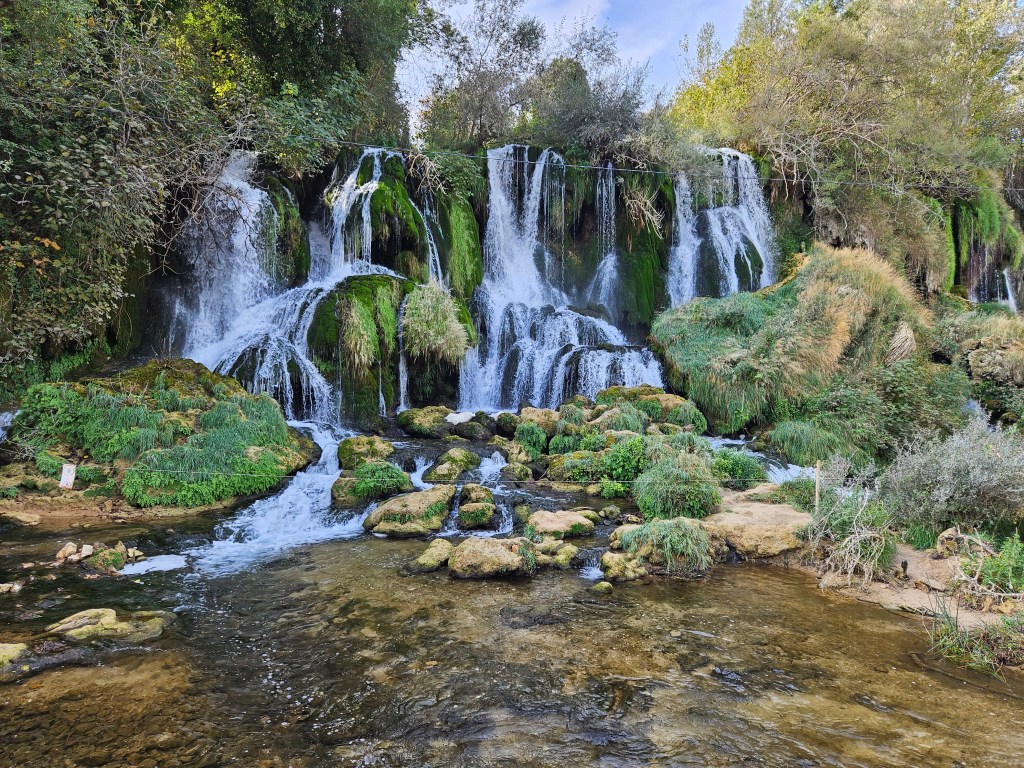
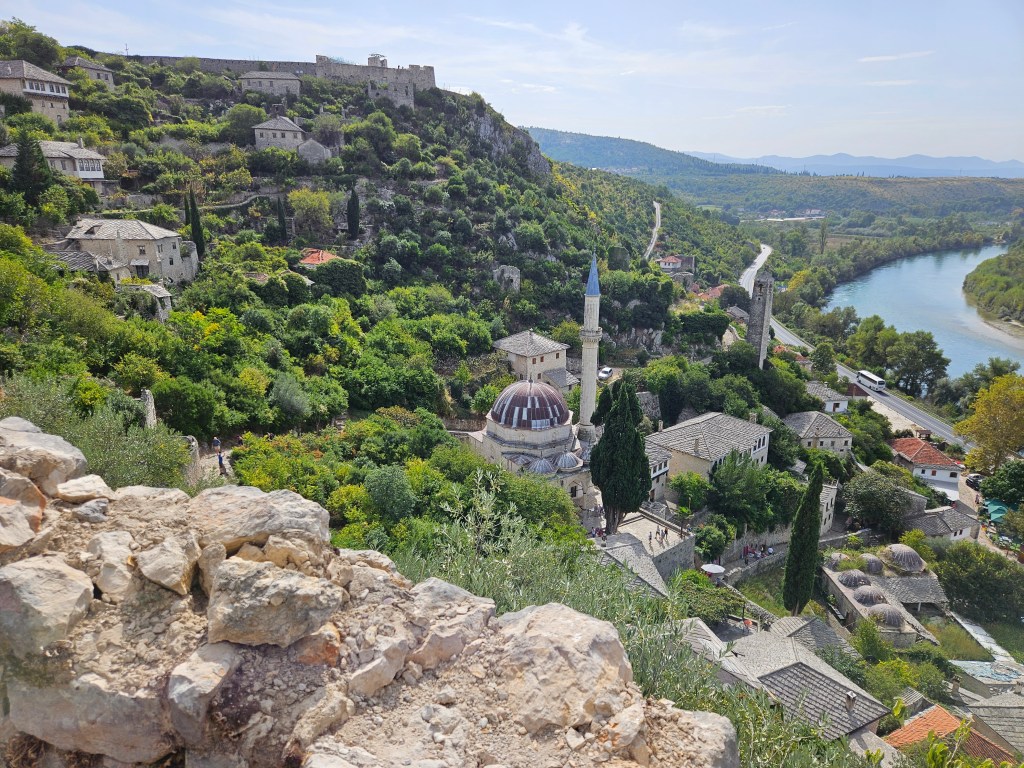
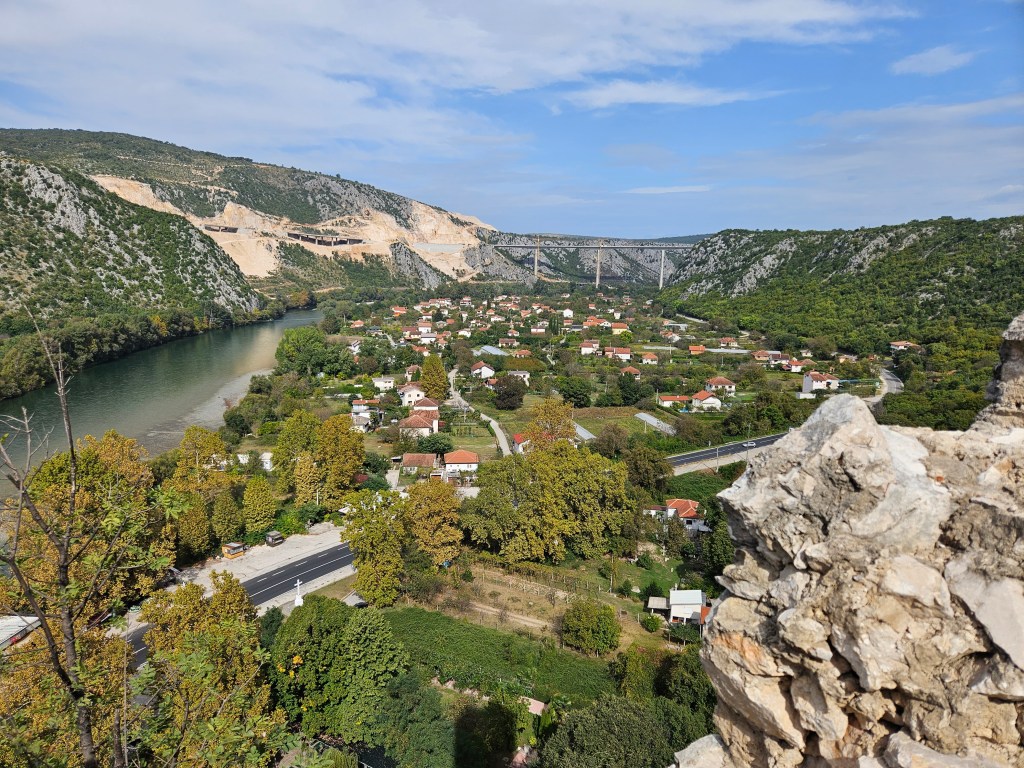
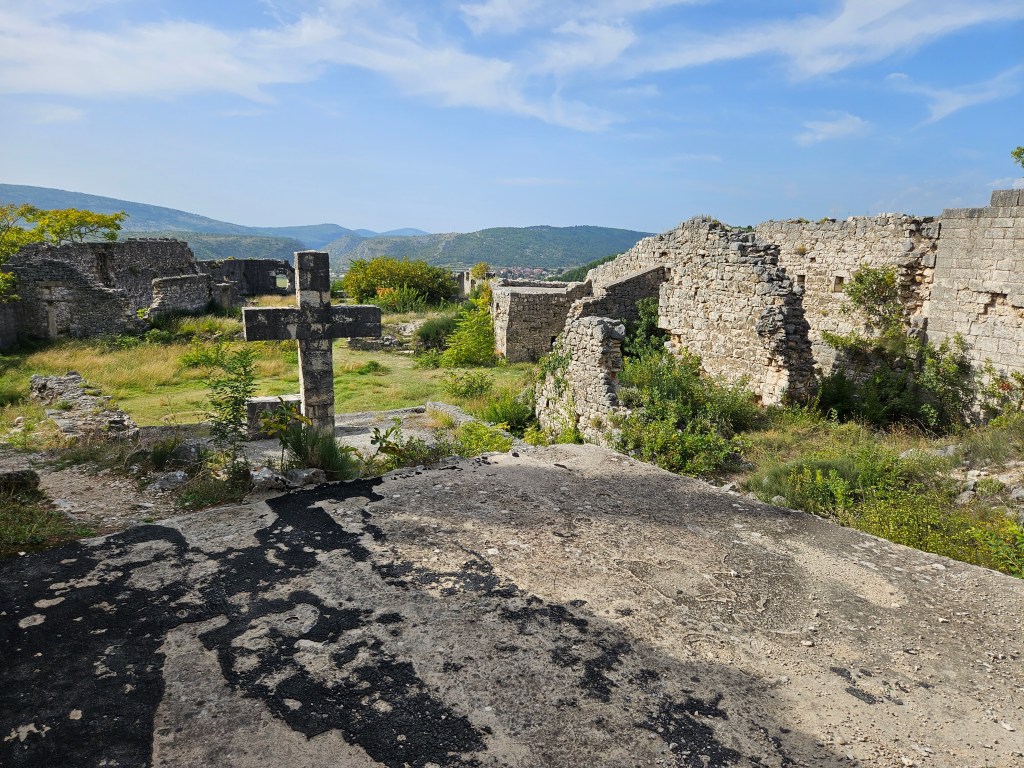
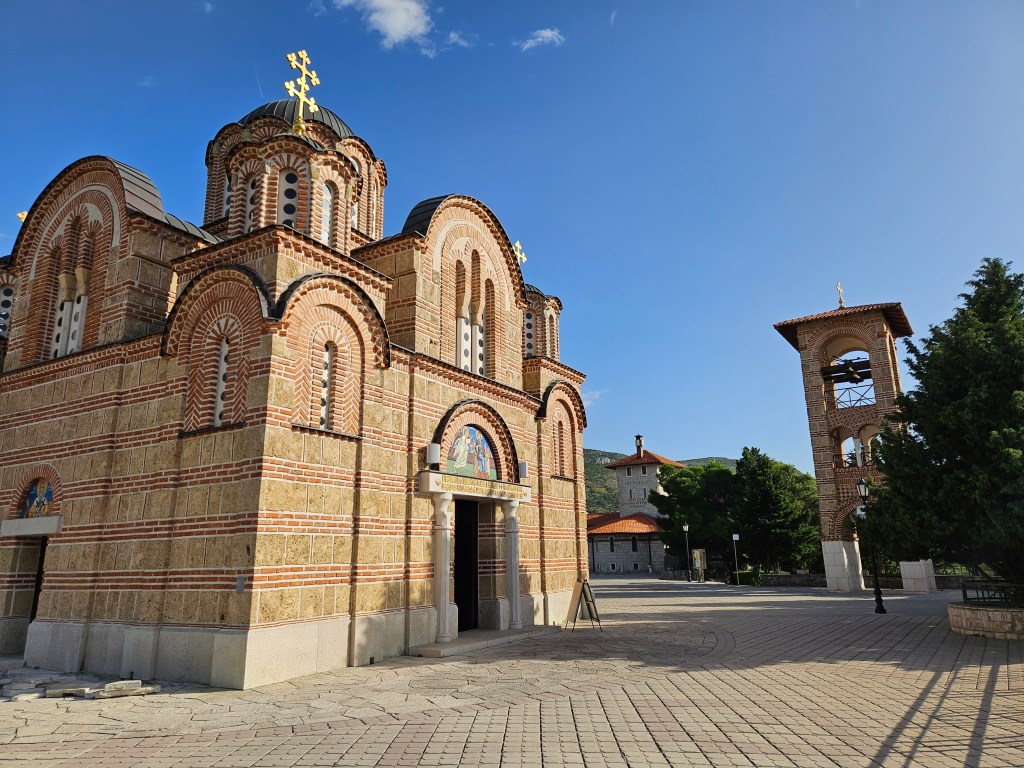
I’ve only ever visited the southernmost portion of B&H, and I look forward to one day getting to explore Sarajevo. On this trip I visited Kravica waterfalls, Počitelj, Stolac, and Trebinje (this final one is in Republika Srpska, and is where I spent the night). One benefit of visiting B&H is the low cost of travel – the nice Airbnb apartment in downtown Trebinje was $27, for example. I had a full meal with a beer for less than $6 total. $2.89 total for a bag of peanut puffs, a package of figs, a Serbian beer, and a pouch of Bosnian cookies from a grocery store!
Despite being a nice-looking place, Trebinje has a checkered past, as it was the base for the Yugoslav (basically Serbian) army to launch attacks on Dubrovnik in Croatia during the war.


 Major Meander