
In preparing for this trip, I read Rick Steves’ Iceland guidebook, and in it he has a two-page section covering various ways that Iceland is deadly. Here’s how he starts out:
Several times a year, Iceland is captivated by a full-scale land and helicopter search for travelers sucked out to sea by a wave, separated from their snowmobile tour group, or lost in the wilderness. More so than any other country in Europe, in Iceland nature can threaten your very survival.
Rick Steves
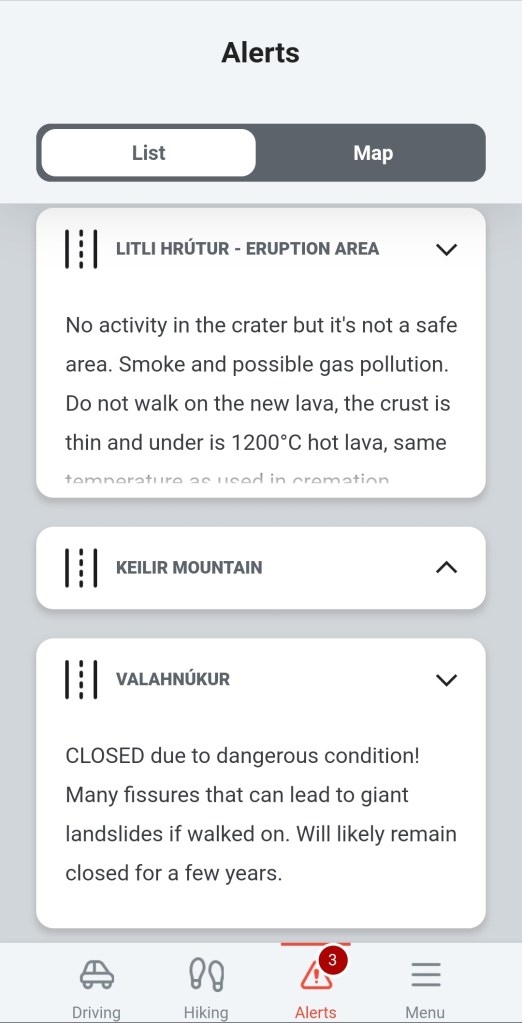
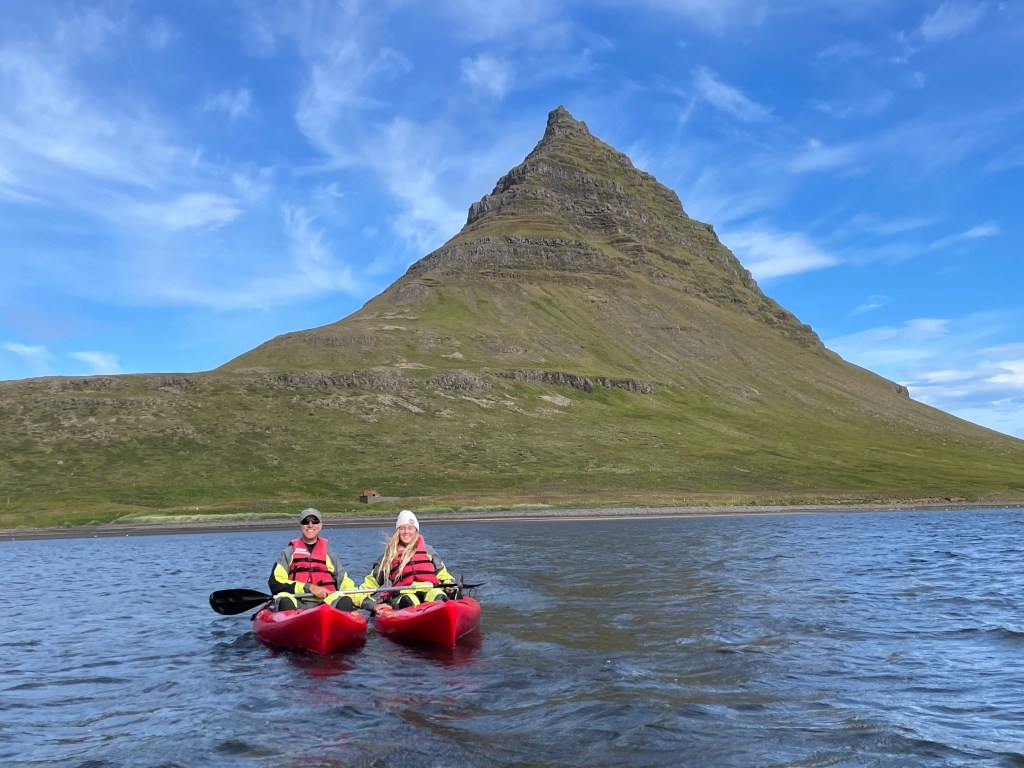
Wind, slips, exposure, waterfalls, sheep, getting lost, rock slides, avalanches, other tourist drivers, lava and poisonous gasses from volcanoes, crevasses, glacial lagoon flood waves, unstable ice, and “sneaker waves” are just some of the several possible Icelandic killers. A couple we met on our kayaking trip said that they heard from another couple during their journey around the Ring Road that circumnavigates the island that they had witnessed a driving car being blown over from a gust of wind!
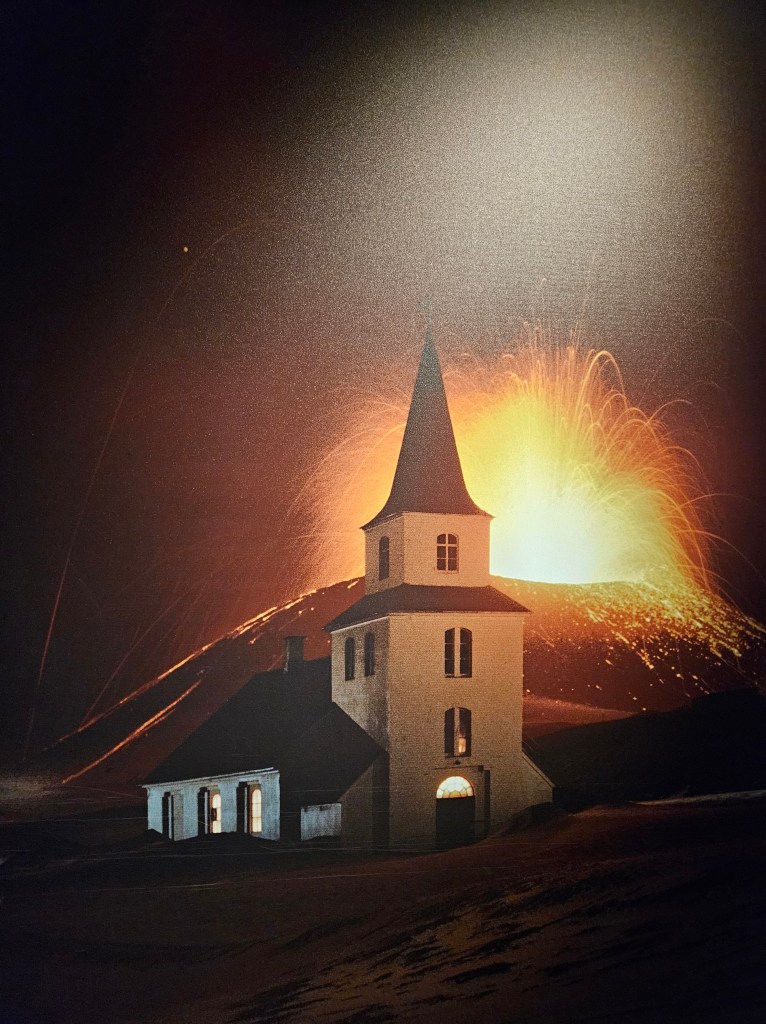
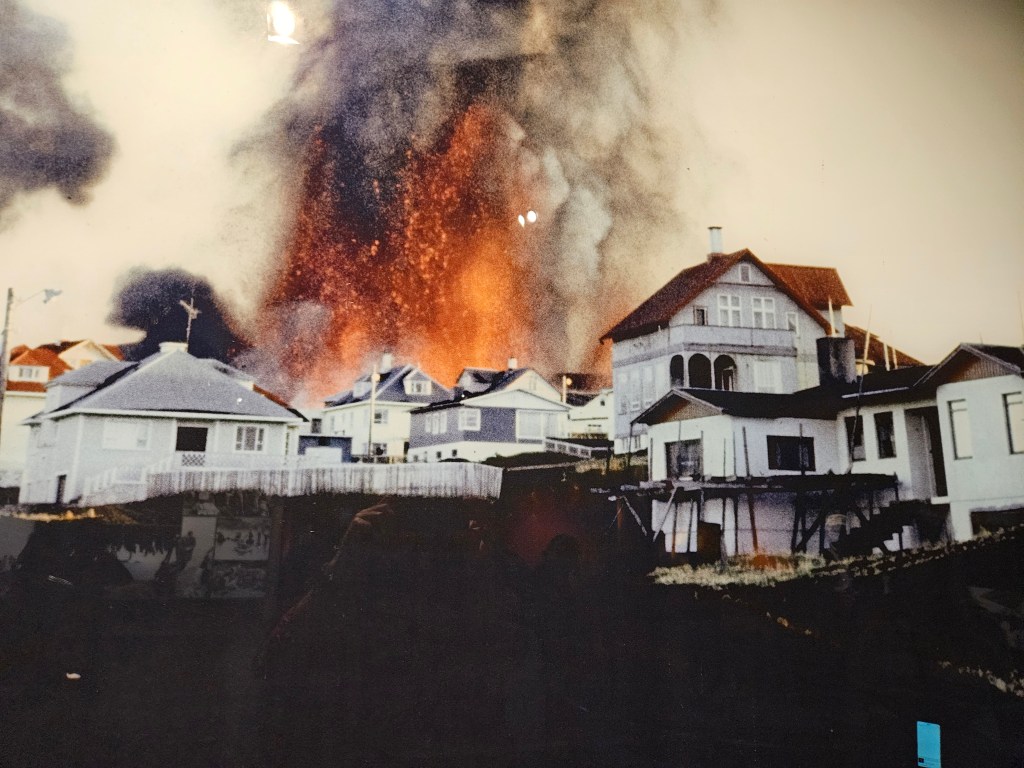
There had been an active volcano eruption leading up to our arrival in Iceland, and we had planned to hike to a viewpoint nearby, but the volcano stopped erupting a couple of days before we left. As you can see in the video below, many tourists can be trusted to put their own lives at risk to get closer to something “cool” for a better photo or video. We heard from our kayak tour guide that Icelandic rescue personnel had to fly a drone over to a woman standing right by the active crater and tell her through a speaker in the drone to quickly move away from the crater. They themselves weren’t going to risk their own lives to tell her, so that’s a good use of a drone!


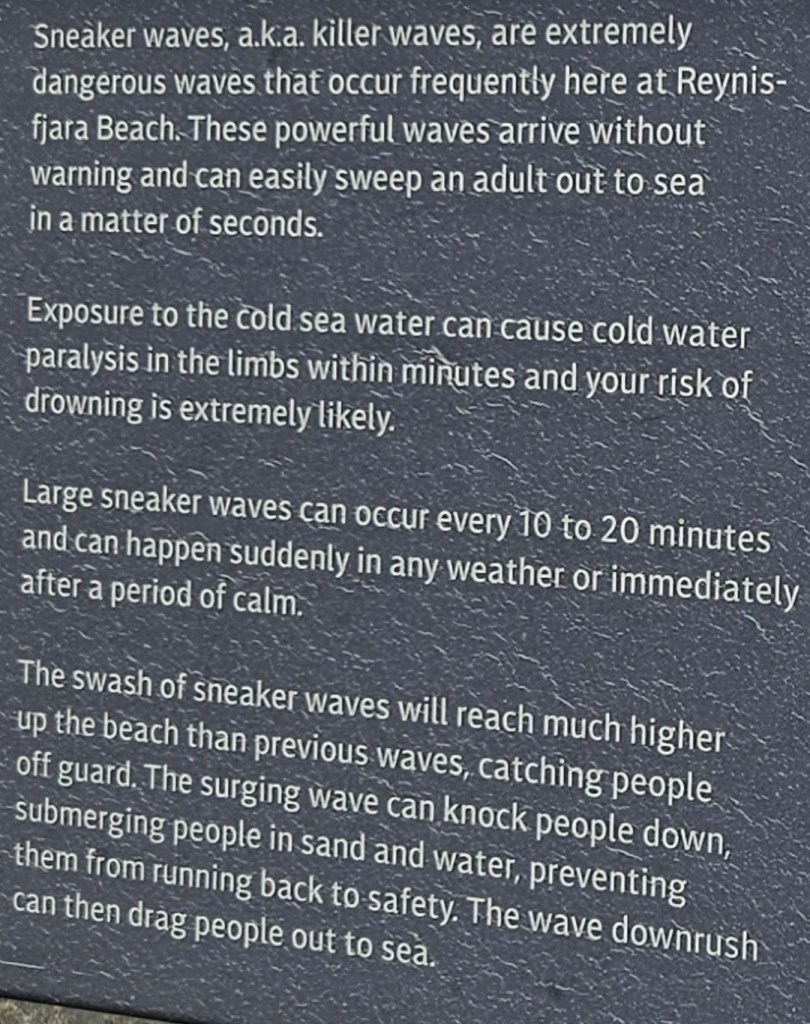
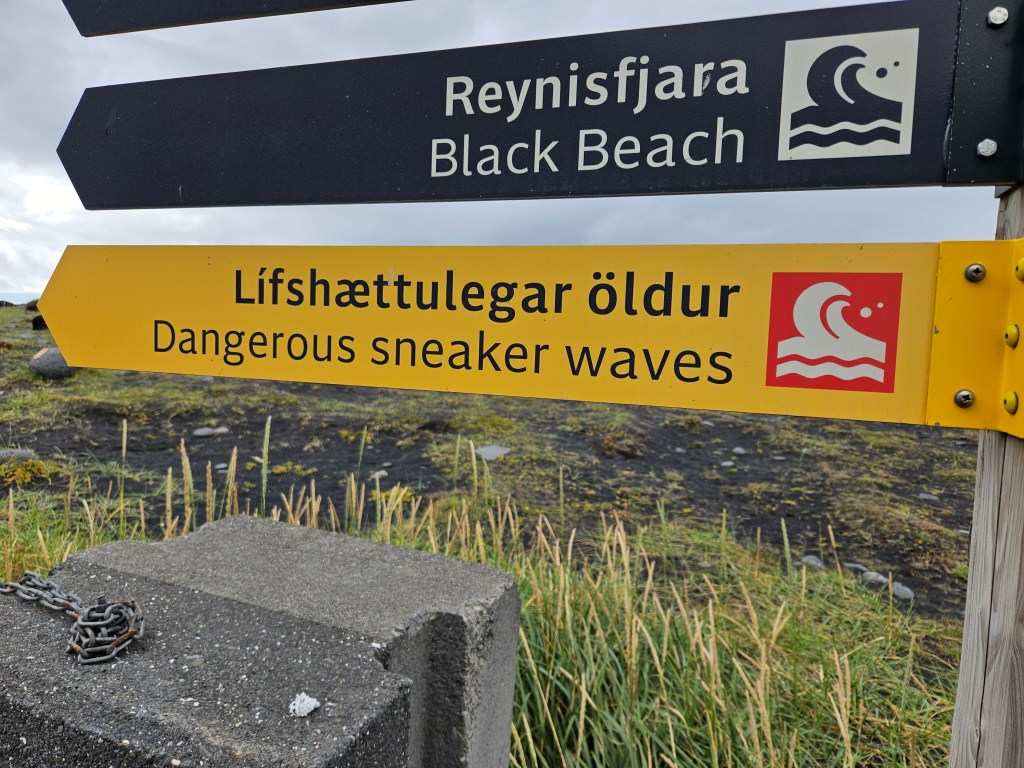
Probably the biggest risk during our own particular visit and itinerary was a sneaker wave — this is a much larger and more powerful wave than normal that suddenly arrives without warning. Several tourists have been swept out to sea, and some have perished. For further details, read this captivating detailed summary of sneaker wave stories here. The ocean water here is quite cold, and the currents can be very strong. The warning sign below explains it all very well:

Bridge washouts are common in southern Iceland, and that’s why single-lane bridges are often built, since they’re cheaper and simpler to replace! These washouts can be caused by floods from mountaintop glacial lagoons that are let loose from volcanic activity. One flood in 1996 lasted for multiple days and peaked at over 10 million gallons (38 million liters) per second!!
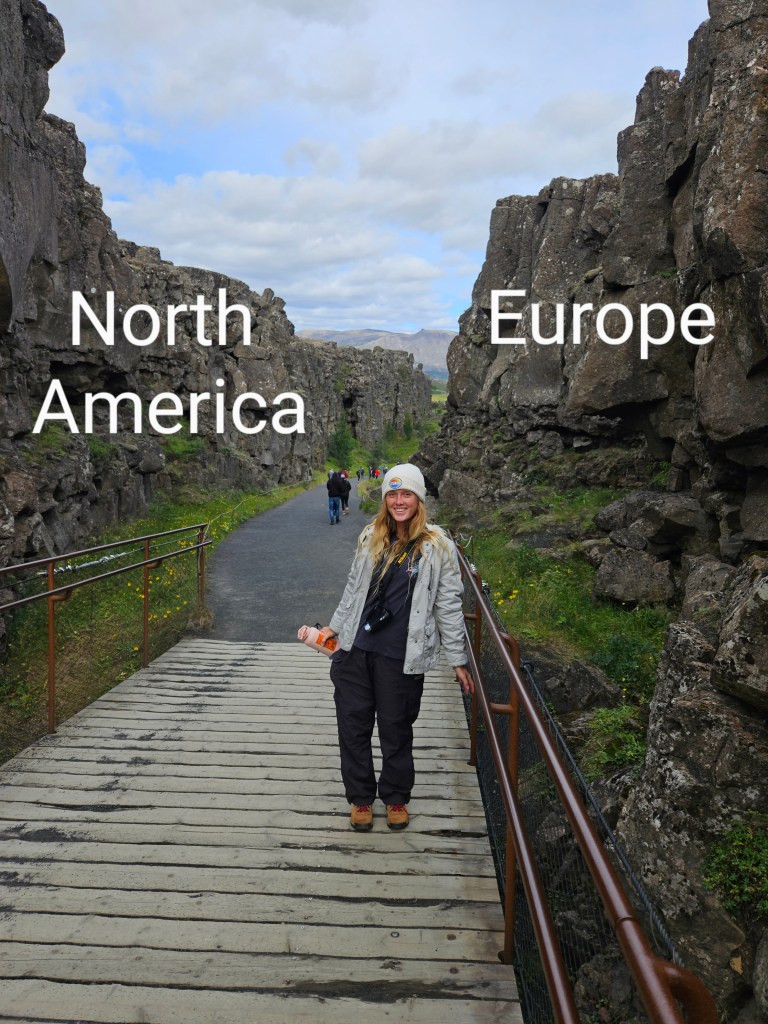
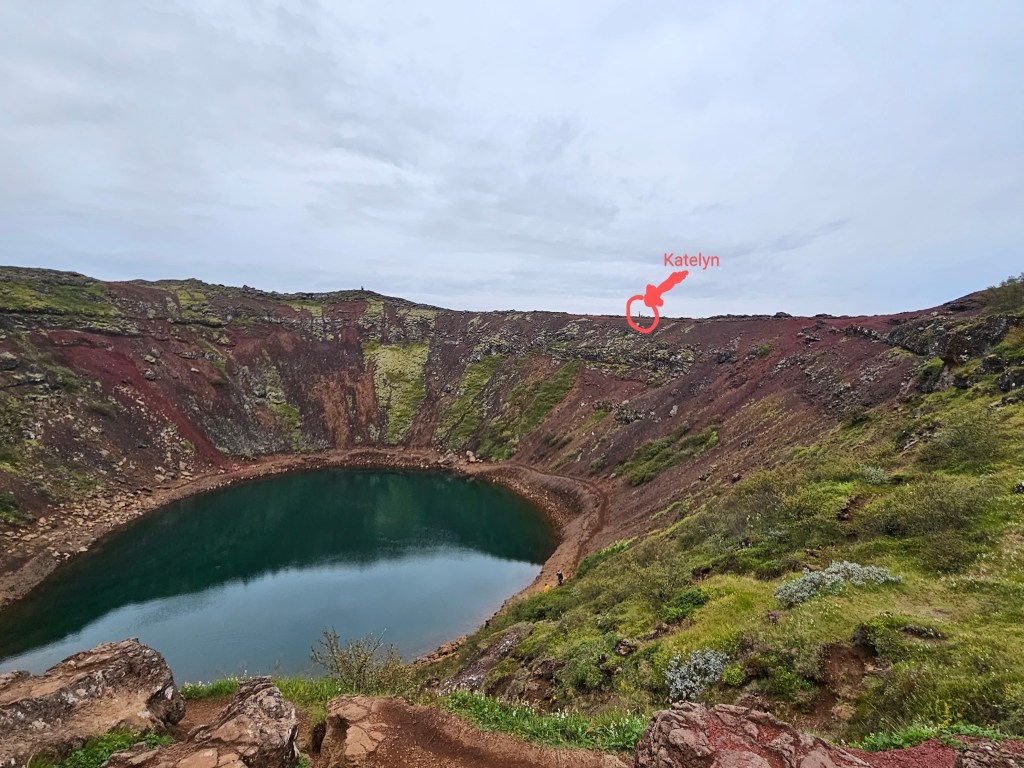
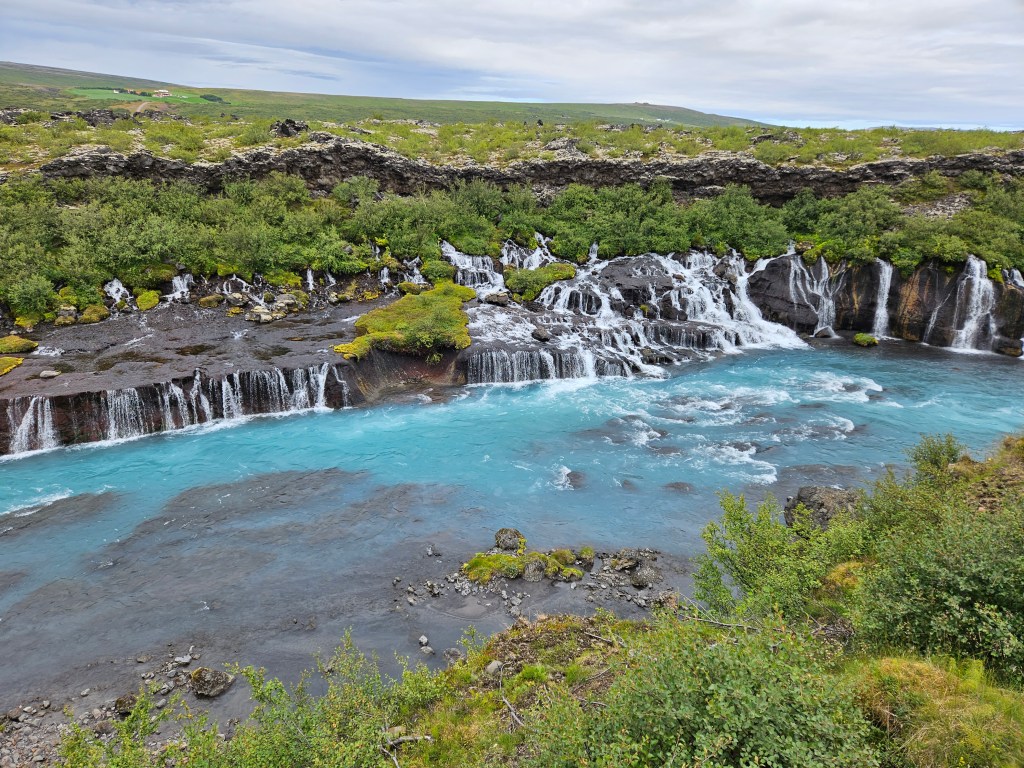
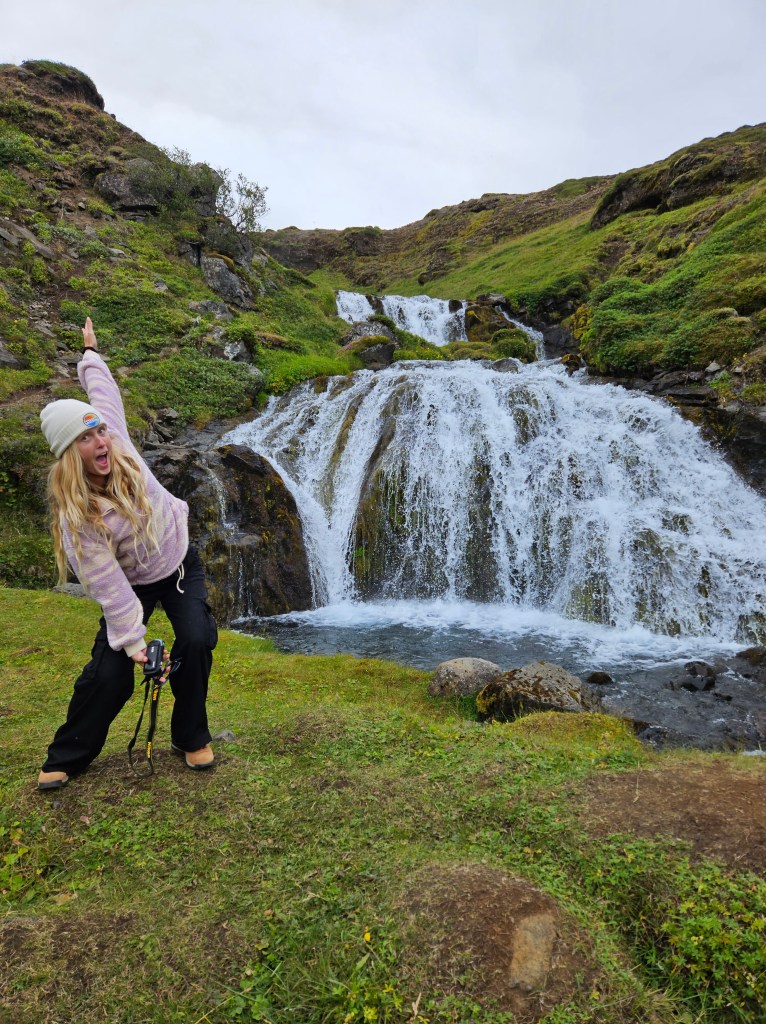
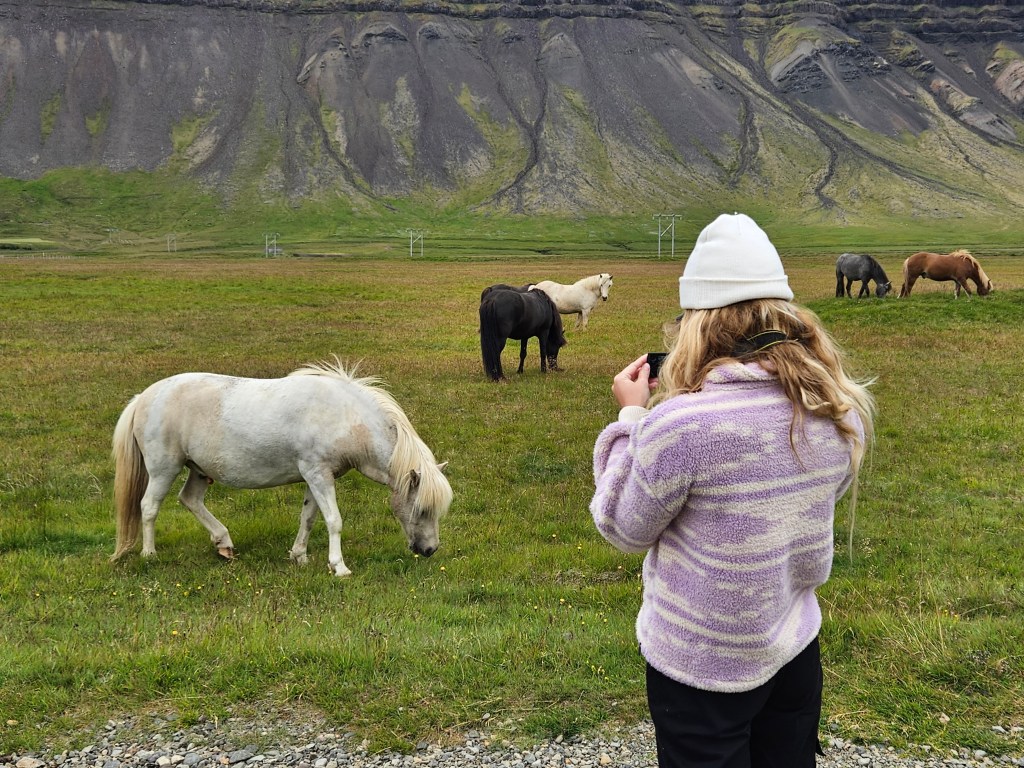
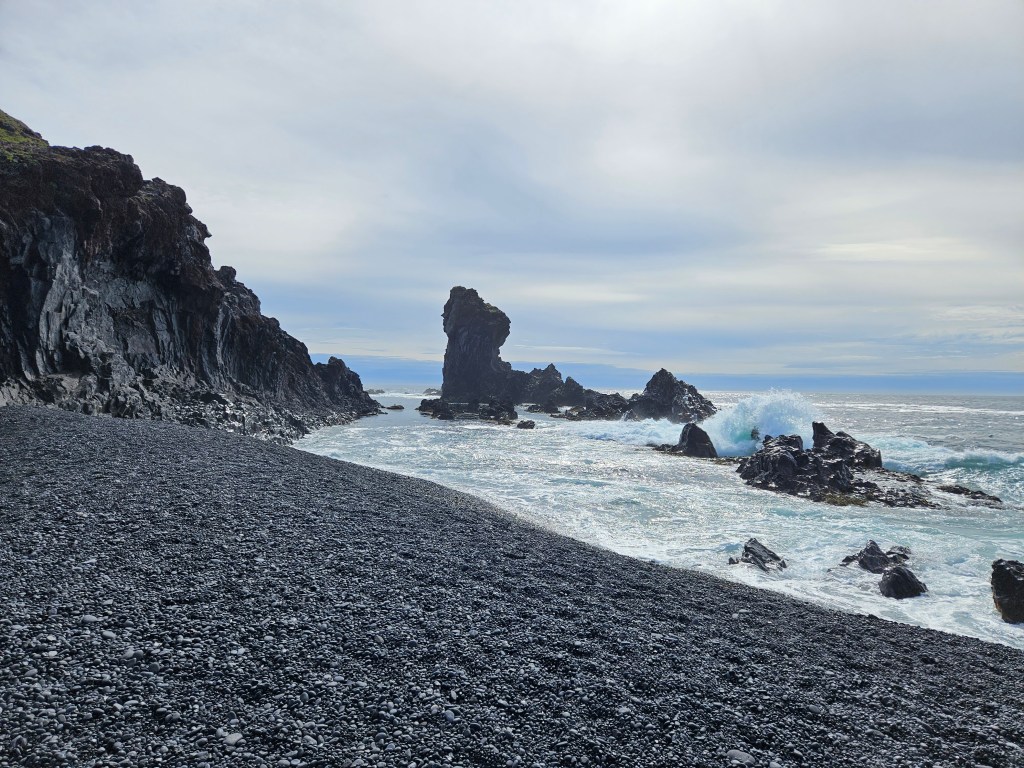
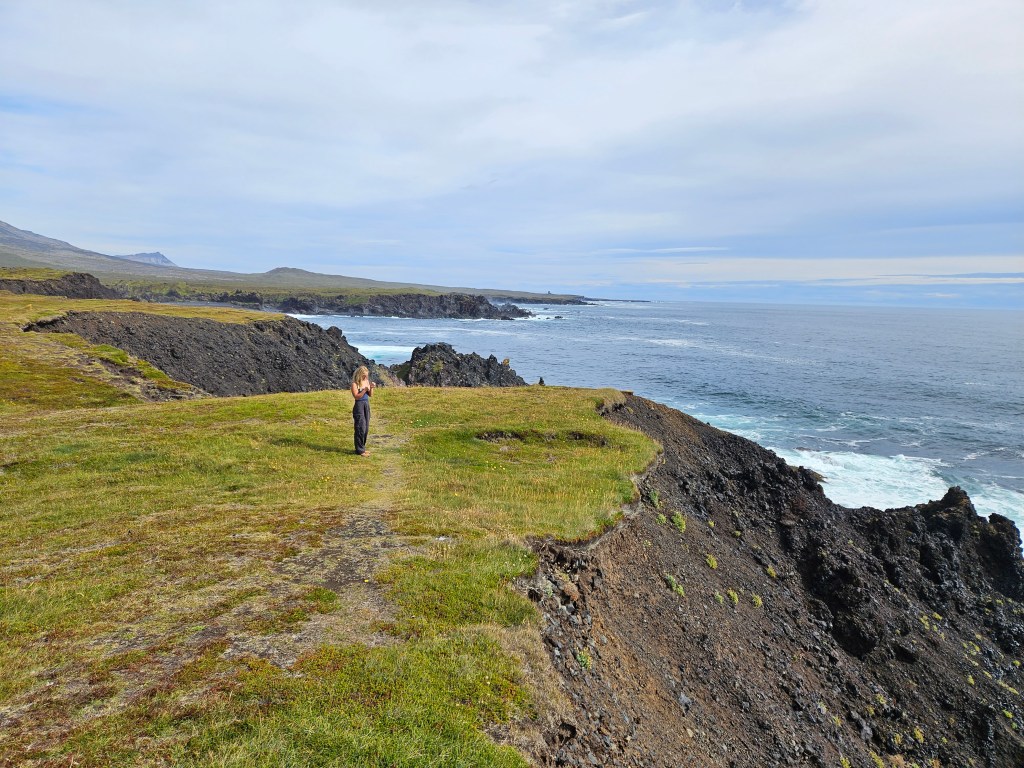
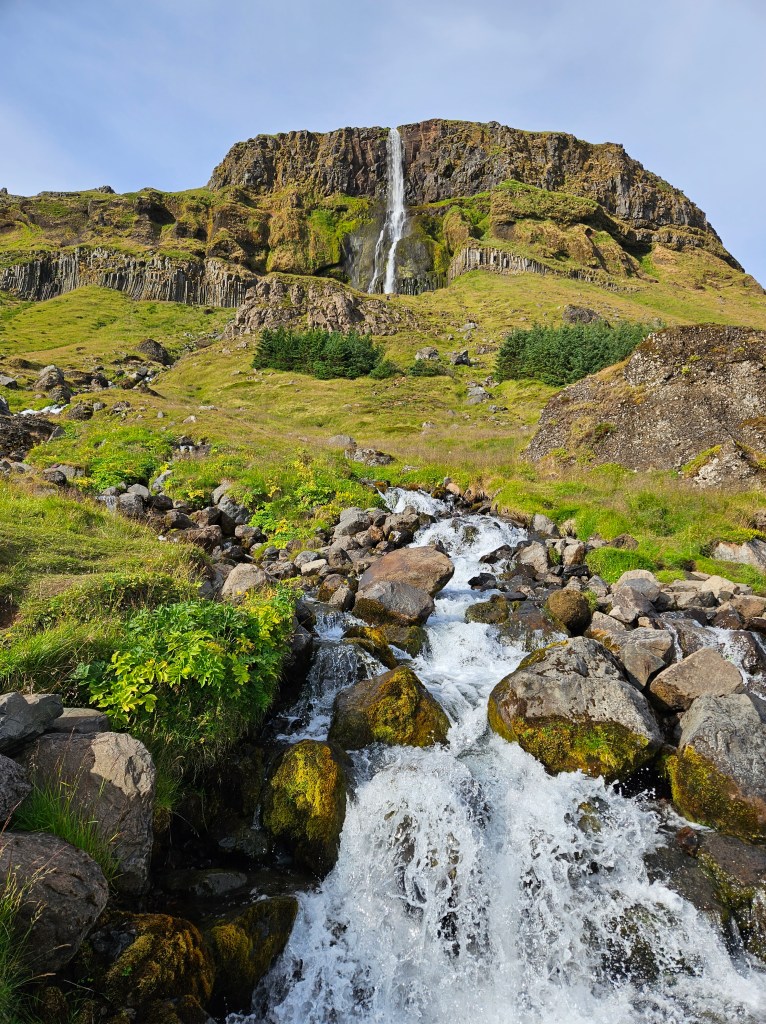
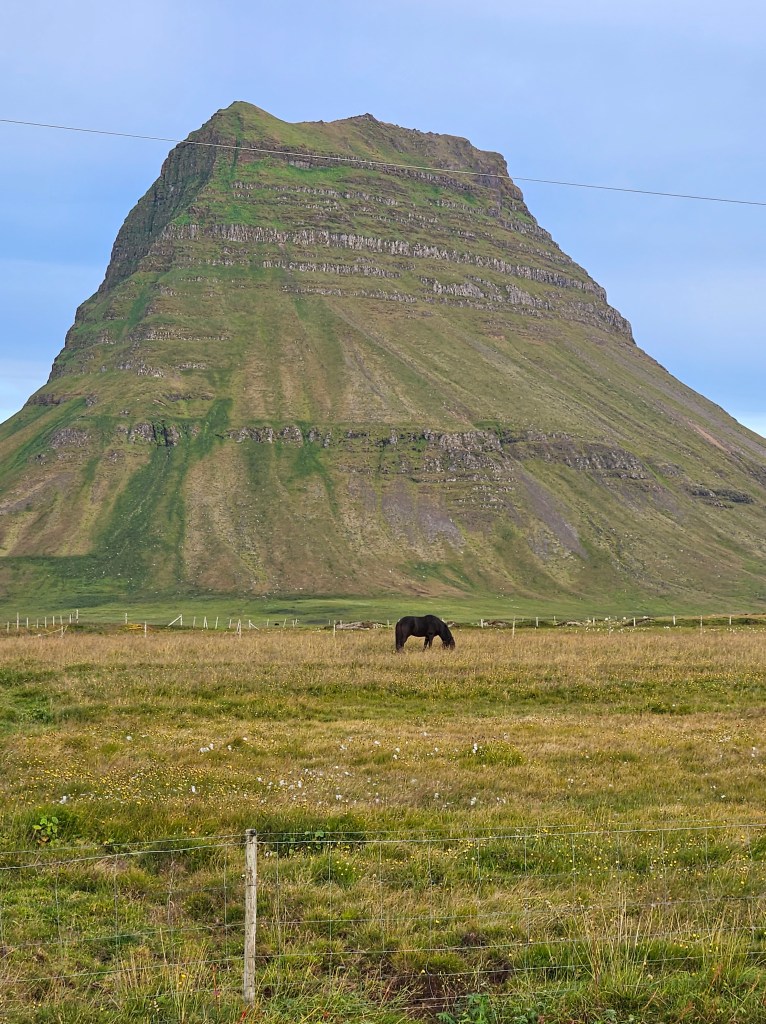
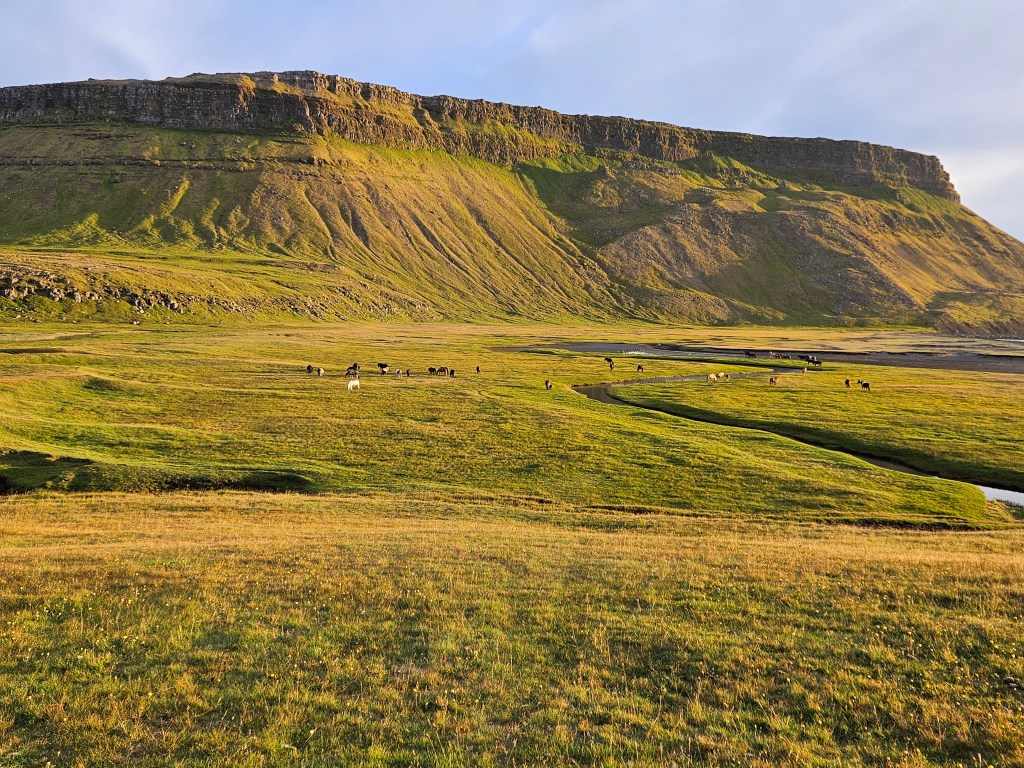
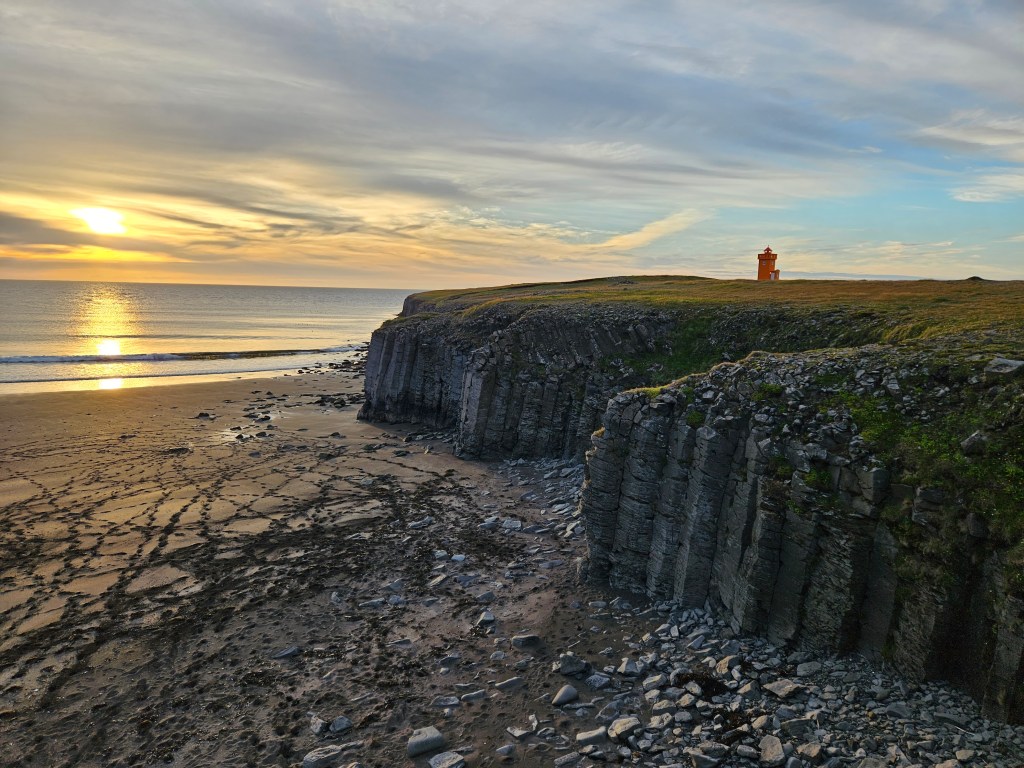
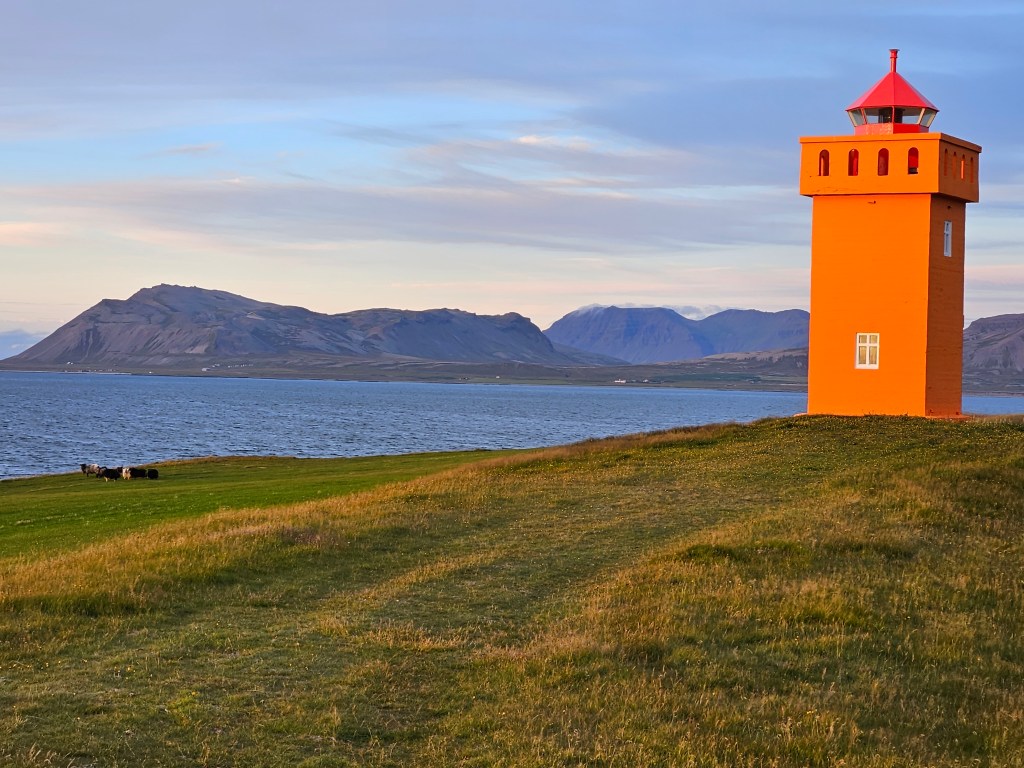
I’m happy to report that we’ve remained safe and sound during our journeys, and we haven’t seen anyone else get injured either. Below are some representative photos of some Icelandic nature around Reykjavik and Snæfellsnes that we savored.
Icelandic side note: Because historically there have been so few people in Iceland, and because meticulous genealogical records have been kept, there’s an Icelandic family book (now online, of course) that people use to verify that their prospective date is at least 4 or 5 generations apart in order to prevent potential inbreeding. Folks in the countryside might need to be less picky.
Non-Icelandic music videos filmed in Iceland: Iceland is both scenic and unique, and so musical acts often come here to film music videos. Below are two examples, one from each of two of my favorite genres (Bollywood and Dutch symphonic metal):

 Major Meander