
Many of the ancient Egyptian pharaohs ruled over a united Egypt (both upper and lower), controlling a vast area along the Nile. We could understand the huge distance covered because we had taken an hour-long flight from Cairo to Luxor, traveled farther south along the Nile by ship to Aswan, and then flown on another flight (this one 30 minutes) over Lake Nasser down to Abu Simbel, which is just north of the Sudanese border.
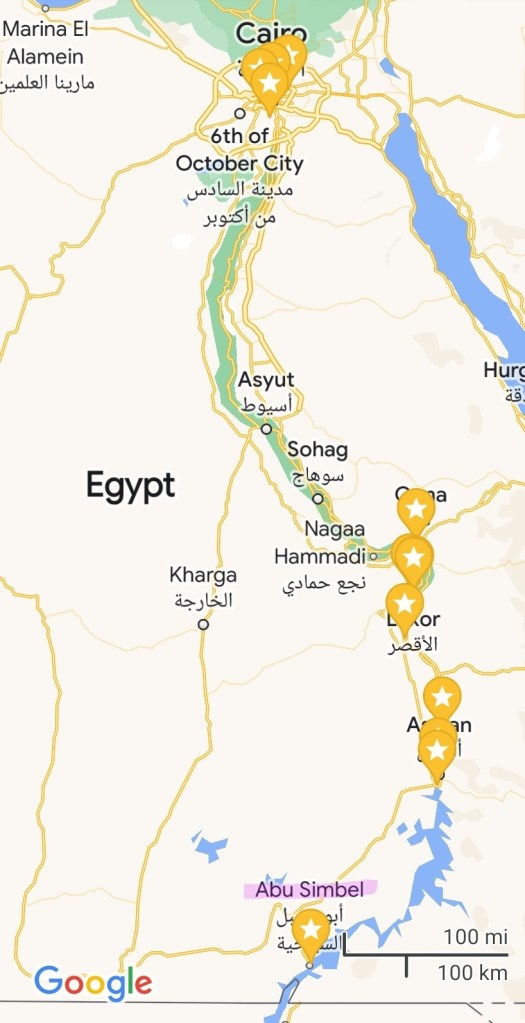

It was yet another early-morning trip, which in this case involved eight bus rides and two flights, but we were back on the ship in time for lunch! I’ve done day trips via plane before, but never in such a short time period. This was an optional excursion, thus costing extra, but even with all that, it was worth a visit. Before this trip to Egypt, whenever I mentioned that I was traveling to Egypt to someone who’d been there, the very first thing they’d ask was whether we were going to Abu Simbel. So I figured it was worthwhile! And it was — thanks for the recommendation.
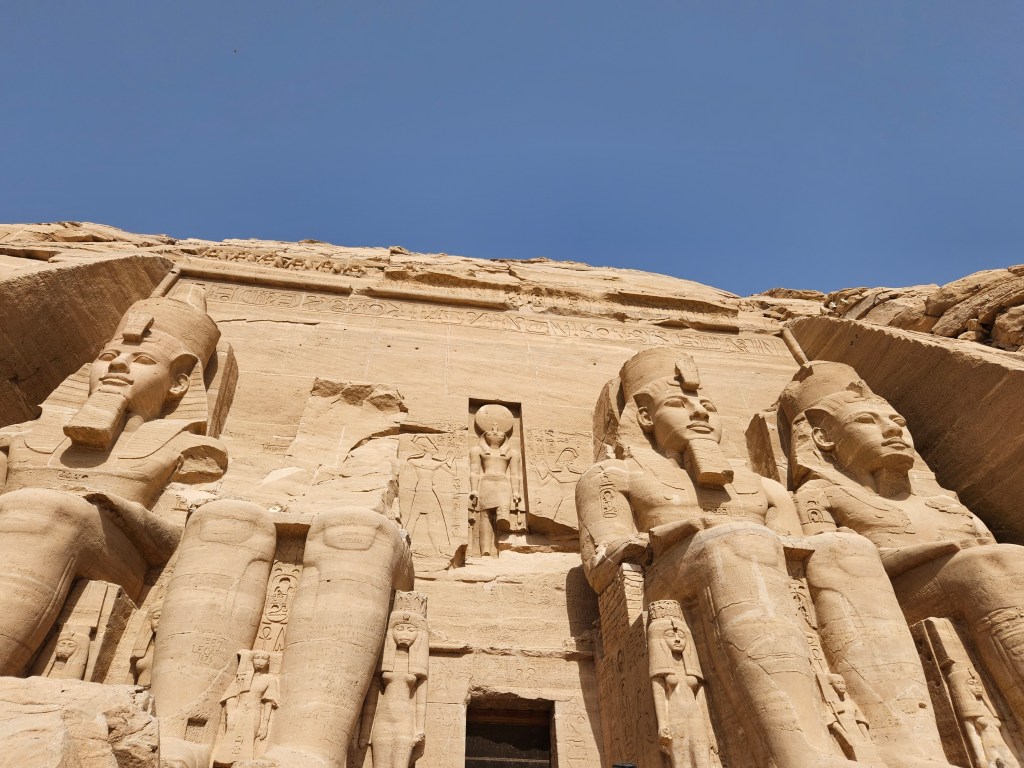
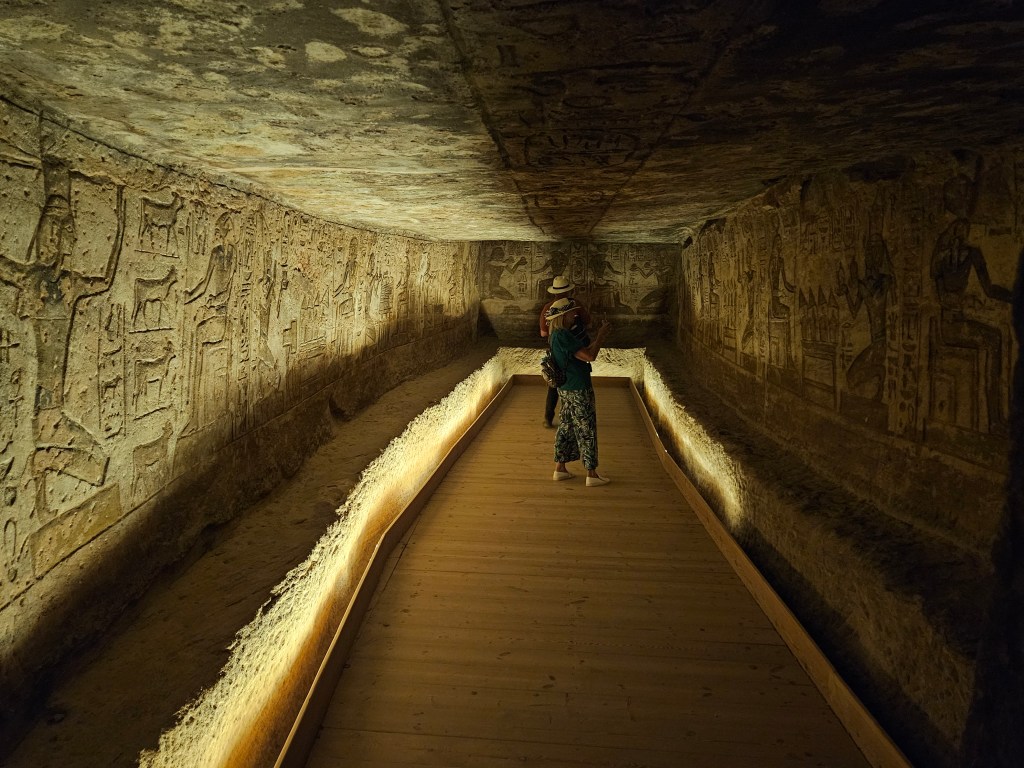
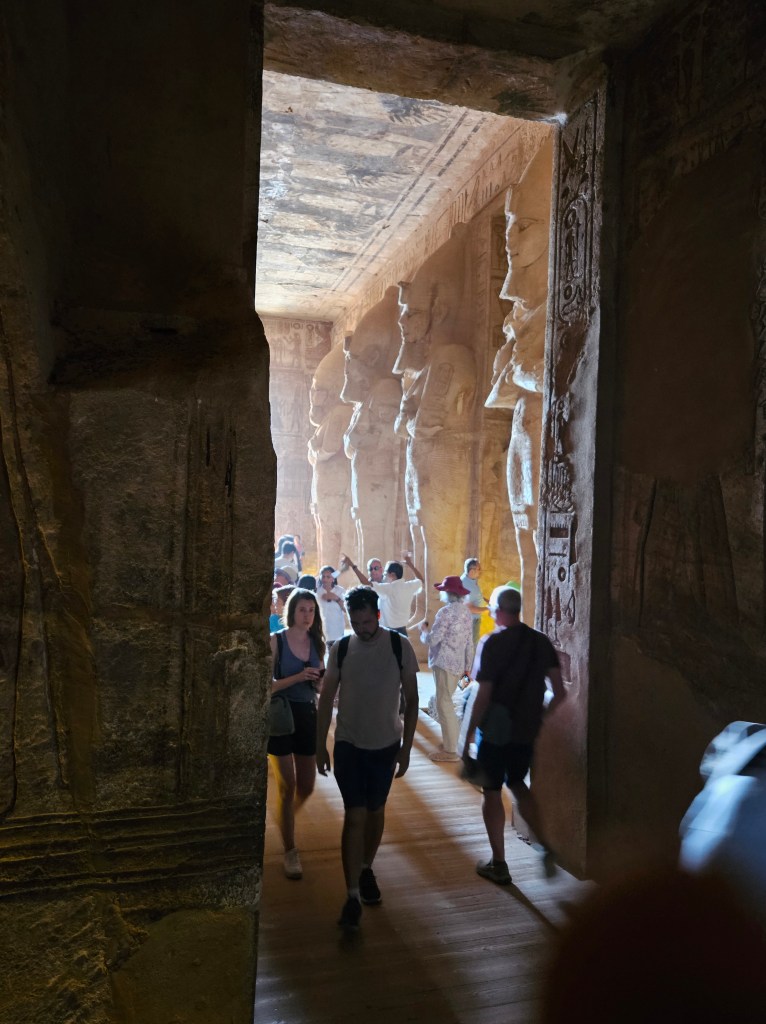
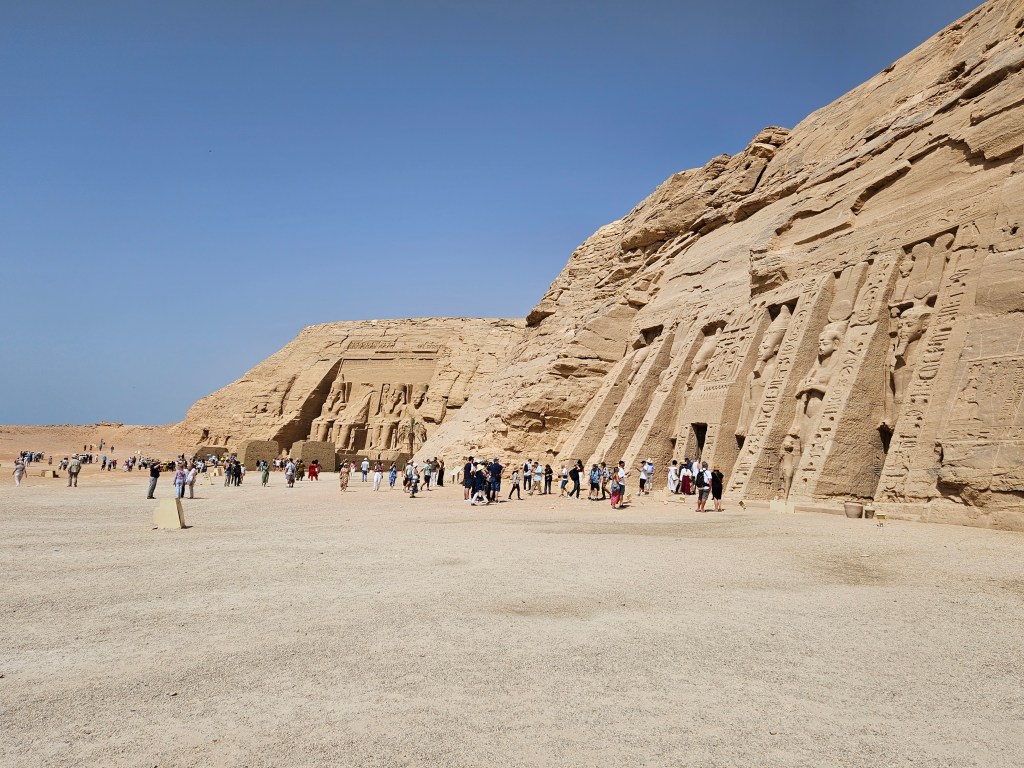
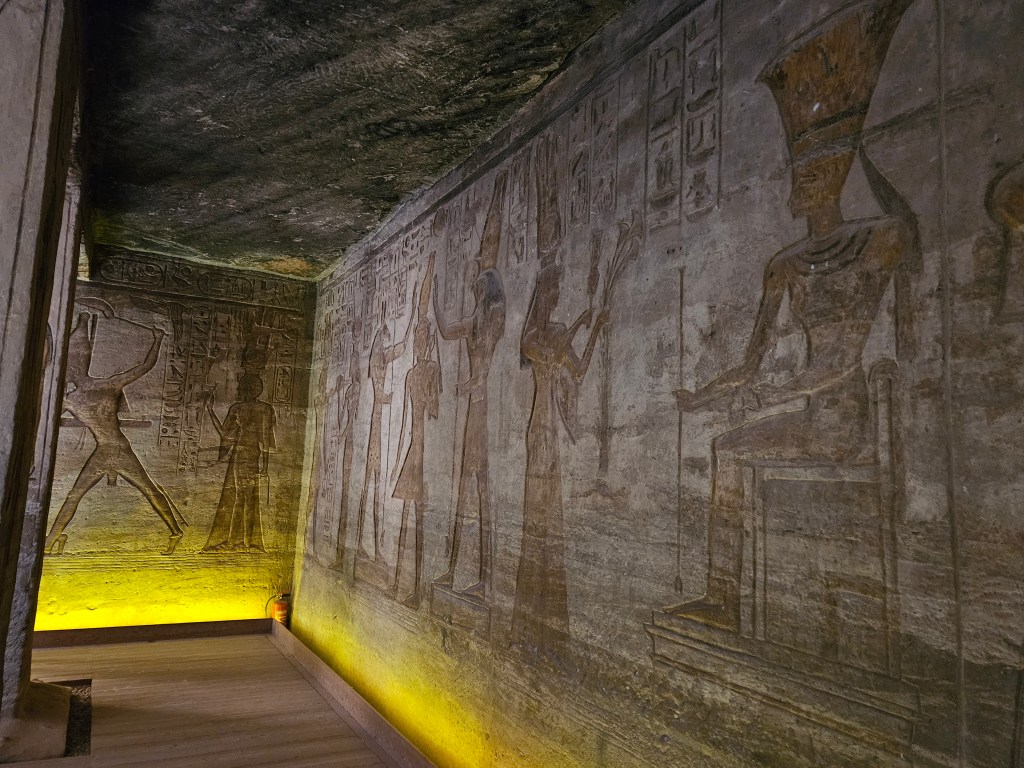
At Abu Simbel are two massive temples cut into the rock from around 1260 BC, with one temple for Ramses II (“The Great”), and the second for his wife Nefertari. And as if these aren’t impressive enough, both were cut down and moved to new locations in the late 1960s in order to avoid them being swallowed up by Lake Nasser after the Aswan High Dam went into operation. The new location is over 200 feet (60 meters) higher and 650 feet (200 meters) back from the river/lake. Each moved block averaged 20 tons, and engineers had to create a false mountaintop to place the temples into/onto. Amazing!


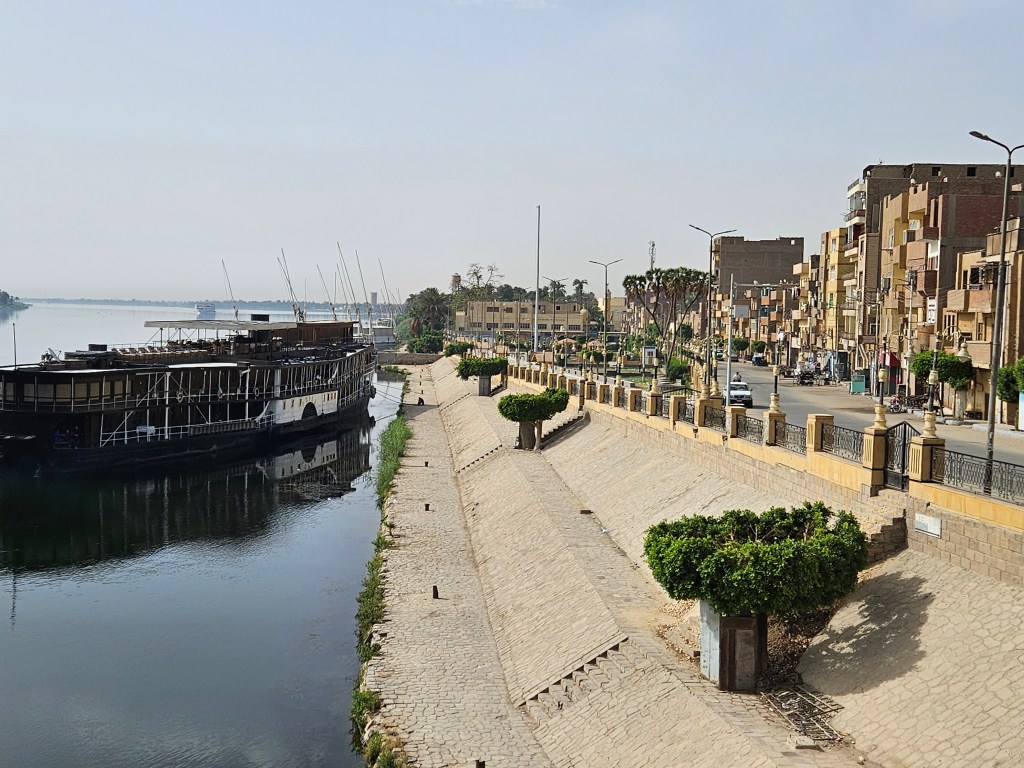
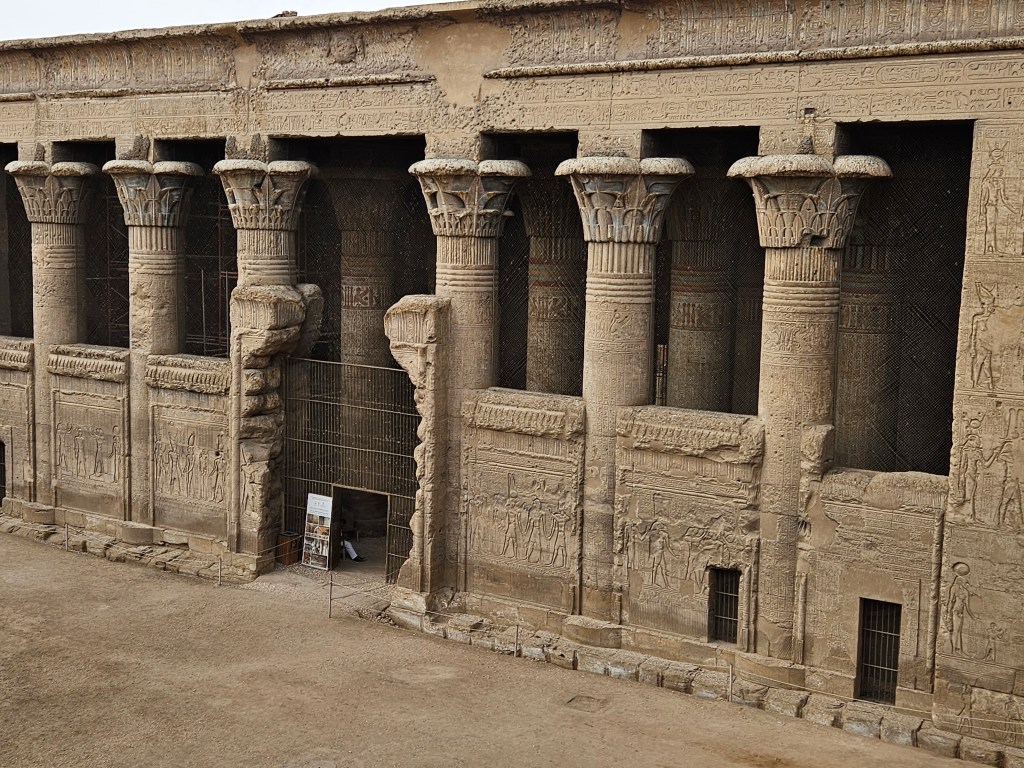
After flying back from Abu Simbel to Aswan, we traveled back up the Nile and stopped briefly in the town of Esna, where a beautiful ancient temple (for Khnum) was dug out of the ground after being buried in the Nile’s flood silt over millennia. US taxpayers helped with the extraction and restoration of the temple and the town through USAID. It was refreshing to hear about Americans as the good guys.
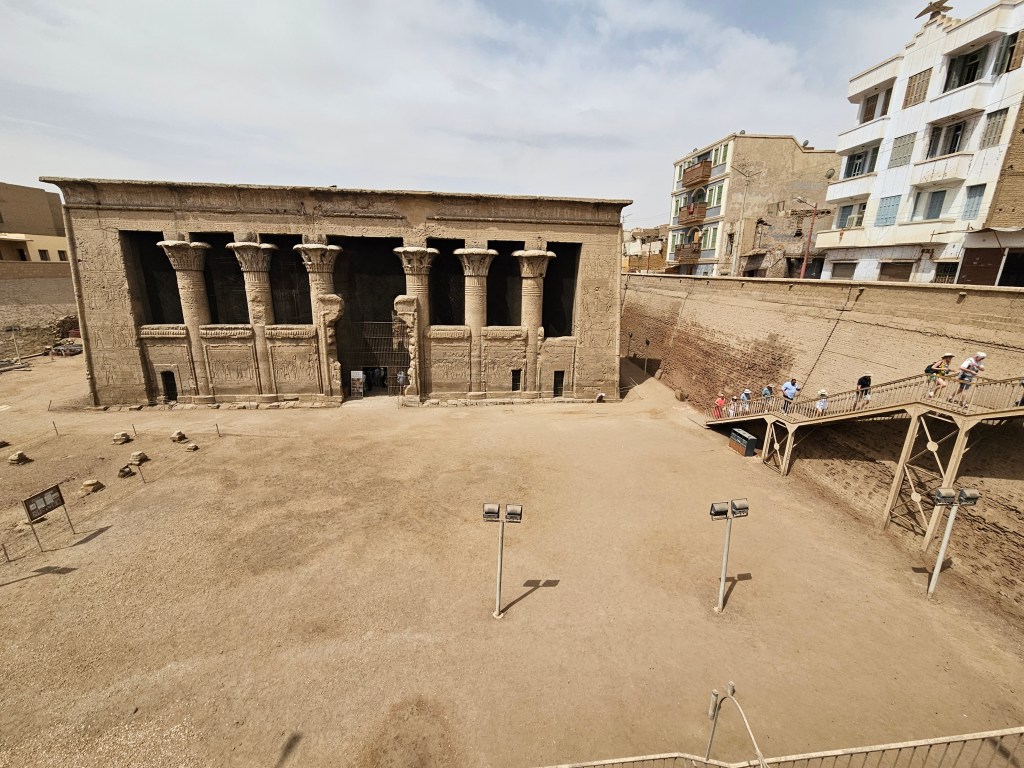
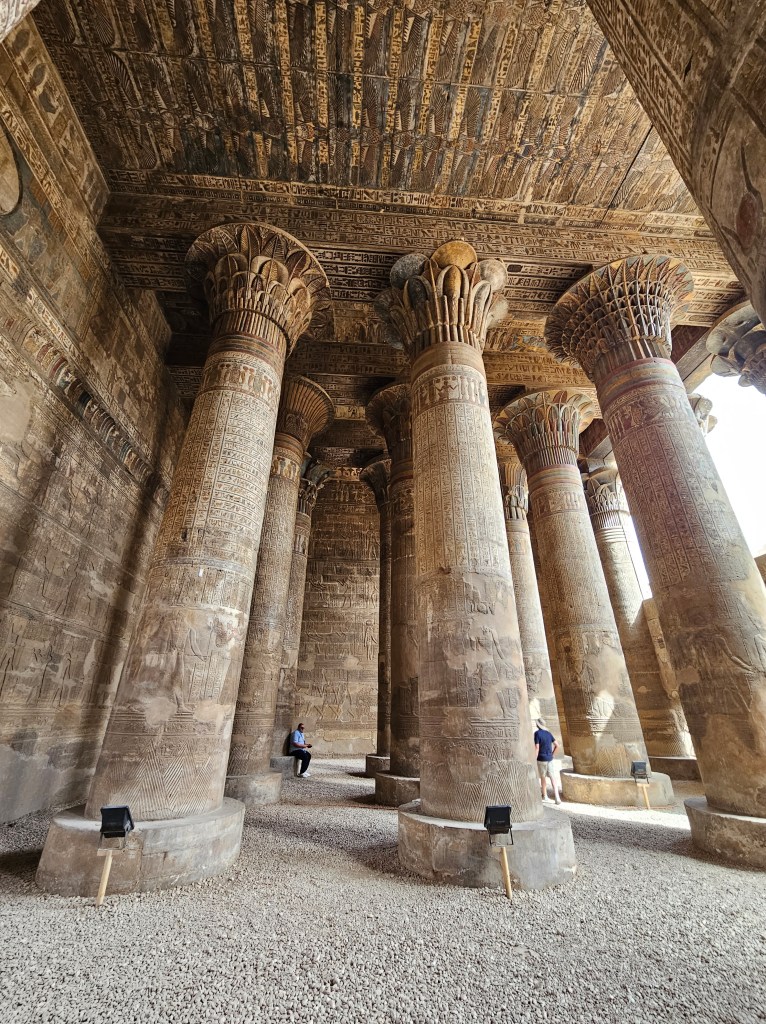
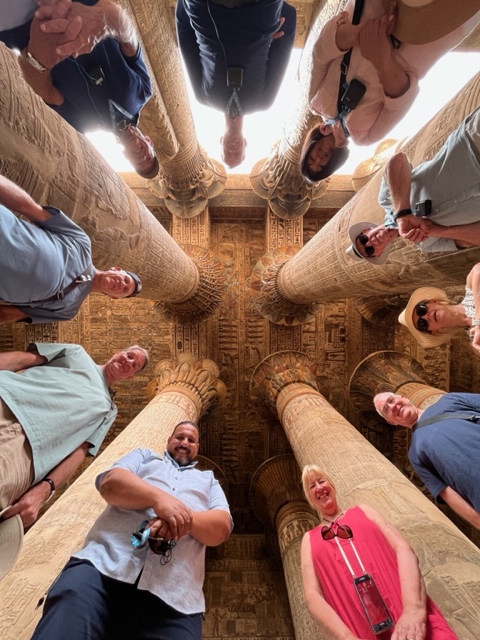

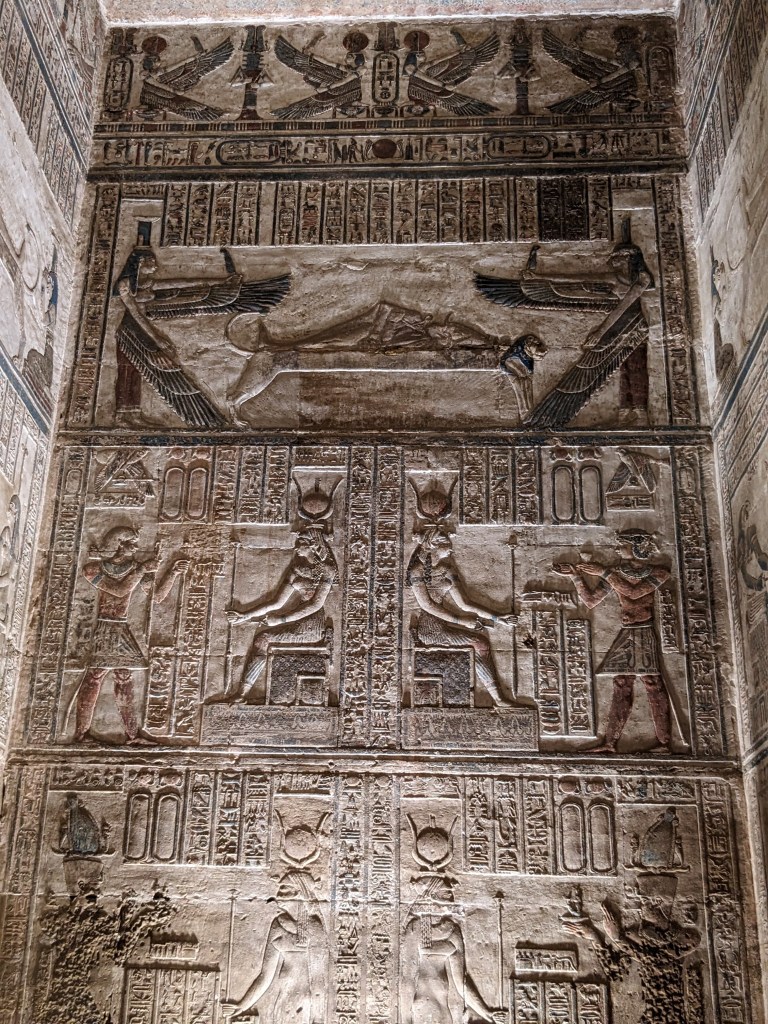
Ahmed ran a multi-day competition between the men and women in his tour group to see who could answer the most Egyptian history questions, focusing on the names of various Egyptian deities. He said the women always win, and they did this time too, haha. The competition was helpful to better lock in at least some of the names. I can tell the difference between the very similar drawings of Hothor, Isis, and Nephthys, for example, in scenes depicted in temples.
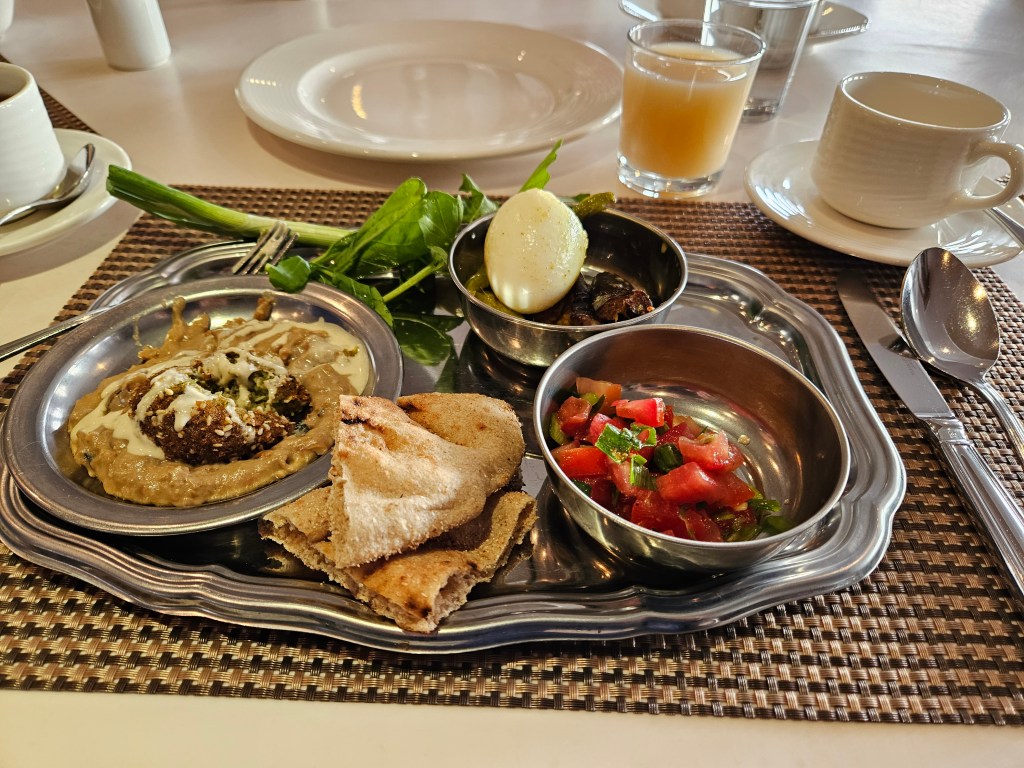
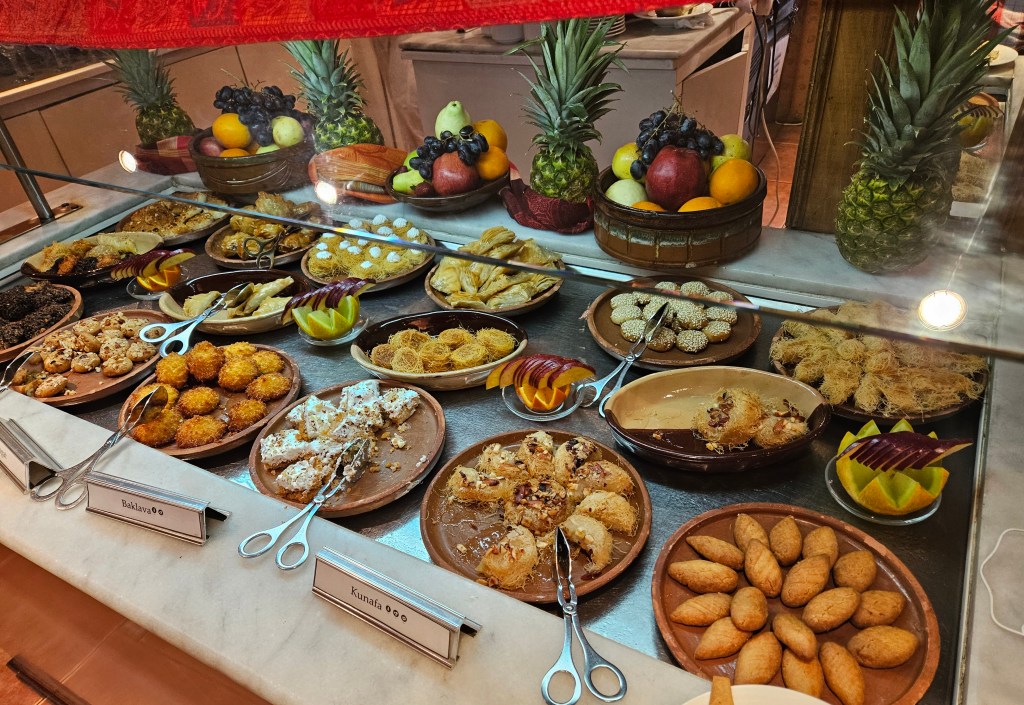
One of the many things I loved about the cruise was the food, particularly when they offered Egyptian dishes. And man, the juices! Mango, date, strawberry, guava, orange, and more. I’d never had date juice before, and it was delicious.
We had a few nights onboard the ship where entertainment was offered, and the biggest hit was the whirling dervish. He spun around continuously for several minutes! I would have careened into the audience and vomited on several people if I had tried to emulate this guy.
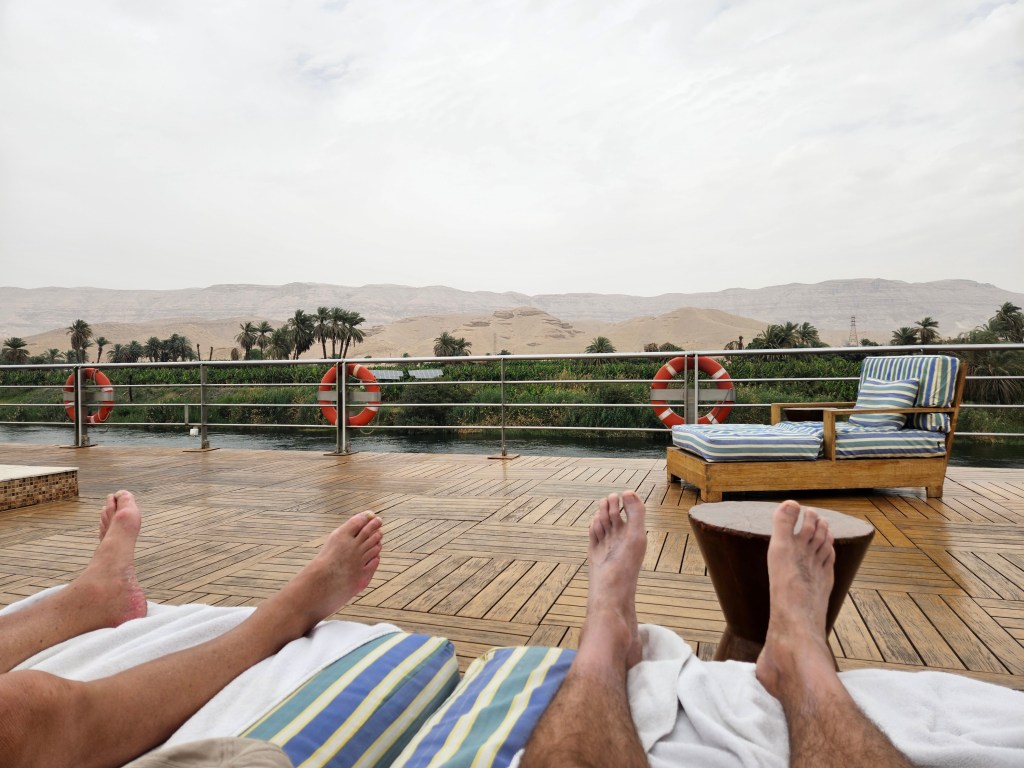
Today’s ultimate tidbit (TUT): outside temperatures during our cruise sometimes reached well into the 100s Fahrenheit, with 106 degrees (41 Celsius) one day. The cruise we took was only running for a few more trips before being done for the season by late May due to the heat. If it’s 106 in April, then I’d hate to experience July and August! They start up again in late September.
Today’s Egyptian dad joke: What do you call the belief that none of the ancient Egyptian gods actually exist and that life is meaningless?
Nilehilism!
Today’s mystery audio recording: In the previous post, the mystery snippet was of an onboard announcement of an upcoming ship event, as relayed through the stateroom’s telephone speaker.
For the new audio recording below, think about what it might be, and I’ll tell you in the next post (please don’t guess in the comments).

 Major Meander